Understanding Gas Valve Emergencies: Why Plant Managers Must Act Fast
Gas valve and regulation failures represent one of the most time-critical operational challenges in industrial plants. Unlike mechanical equipment failures that may allow hours for diagnosis and repair, gas system failures can escalate to dangerous conditions—pressure spikes, uncontrolled gas flow, or complete loss of combustion control—within minutes or even seconds.
For plant managers across Singapore and Southeast Asia, the difference between a controlled shutdown and a catastrophic incident often comes down to preparation, clear decision protocols, and immediate action. With 35+ years of experience distributing industrial gas control equipment, 3G Electric has supported facility teams through countless critical situations. This guide translates that operational knowledge into actionable procedures you can implement today.
The stakes are absolute: personnel safety, equipment integrity, regulatory compliance, and business continuity all depend on how your facility responds when a gas valve or regulator fails.
Section 1: Building Your Emergency Response Framework
Establish Clear Role Definition and Authority
Before any emergency occurs, designate and document who holds authority to make critical decisions:
- Emergency Gas Controller: Plant manager or designated senior operator with authority to command immediate shutdown
- Safety Officer: Responsible for personnel evacuation and area containment
- Maintenance Lead: Responsible for equipment isolation and technical diagnosis
- Communications Lead: Responsible for notifications to emergency services, senior management, and external parties
Every role must be filled and trained. Create laminated cards with names, phone numbers, and decision authority—posted in your control room and distributed to key personnel.
Map Your Gas System Architecture
Understanding your system's physical layout is non-negotiable during an emergency. Create and maintain detailed piping diagrams that clearly show:
- Isolation points: Every emergency shut-off valve location (main supply isolators, burner block isolators, regulator inlet/outlet blocks)
- Pressure gauge locations: Where to read system pressure in real-time
- Vent and relief points: Where gas is safely vented during emergency depressurization
- Regulator types and setpoints: What each regulator is rated for and what pressure it should deliver
Store these diagrams both physically (laminated, wall-mounted near your control points) and digitally (accessible from tablets and phones). During an emergency, your team should locate an isolation point within 30 seconds.
Install Visible, Accessible Isolation Valves
Your emergency response is only as fast as your team's ability to isolate gas flow. Ensure every critical gas system has:
- Main supply isolator: Visible, clearly labeled, within arm's reach of your primary control position
- Secondary isolators: At burner blocks and regulator inlets for selective shutdowns
- Lockout capability: Valves must support padlocks or isolation chains after closure
Test isolation valves quarterly. A valve that seizes during normal operation will likely fail during an emergency.
Section 2: Real-Time Detection—What Signals Demand Immediate Action
Pressure Excursion: The Primary Warning Sign
A pressure regulator's job is to maintain stable outlet pressure. When outlet pressure climbs beyond its setpoint, your regulator has failed. This is the most critical signal for emergency response.
What to do immediately:
1. Read your pressure gauge: If outlet pressure exceeds regulator setpoint by more than 10%, you have a regulator failure.
2. Initiate controlled shutdown: Close the fuel valve feeding the regulator inlet (not the outlet—you're starving the regulator of input, not trapping pressure).
3. Monitor depressurization: Watch outlet pressure drop. If pressure holds or rises despite inlet closure, your isolation valve is leaking—proceed to full emergency shutdown.
4. Notify your Safety Officer: Confirm no personnel are in danger zones.
For example, if you operate a Francel B25/37mb pressure regulator set to 37 mbar and your gauge reads 45 mbar or higher, that regulator is not functioning. Close the inlet isolator immediately.
Audible and Visual Warnings
Beyond pressure readings, your senses provide critical information:
- Hissing or whistling: Indicates gas escaping through relief vents or regulator vent. Listen for location—if it's unusually loud or continuous, the regulator's internal relief is working overtime (pressure is too high).
- Flame color change: In burner applications, yellow or orange flame (instead of blue) signals incomplete combustion, often caused by over-pressure pushing excess gas into the burner.
- Equipment vibration or noise: Excessive vibration in a high-pressure pump system (like those using Pratissoli R1/400 regulating valve at 400 bar) indicates pressure instability or regulator hunting.
- Odor changes: Industrial gas may be odorless; however, chemical odors or unusually strong mercaptan (rotten egg) smell suggest chemical release or combustion anomalies.
Failed Isolation—Recognizing Control Loss
Isolation valve failure is rare but catastrophic. Recognize it immediately:
- You closed an isolation valve and outlet pressure does NOT drop within 10 seconds.
- Pressure gauge continues climbing despite multiple isolation attempts.
- Gas continues flowing into a system you've commanded to shut down.
Section 3: Step-by-Step Emergency Shutdown Procedure
Controlled Shutdown (Preferred—for detected failures with time to respond)
Step 1: Confirm the Failure (15 seconds)
- Visually verify pressure gauge reading
- Ask your operator: "Do you confirm elevated pressure?" (confirmation prevents false alarms)
- Document the current reading and time
- Locate the isolation valve on the gas supply line feeding the failed regulator
- Turn the valve handle perpendicular to the pipe (closed position)
- Verify it closes fully—it should require firm, steady force
- Do NOT force it if resistance increases dramatically (may indicate valve damage)
- Watch your outlet pressure gauge
- Expected: Pressure drops to near-zero within 10–20 seconds
- If pressure holds or drops slowly: Your outlet isolation valve is leaking; proceed to Emergency Full Shutdown
- If inlet closure doesn't depressurize the system, close the outlet isolator
- This traps remaining pressure in the regulator safely
- Document both isolators as closed
- Inform your Safety Officer that the system is isolated
- Notify your Maintenance Lead—regulator replacement or repair is now required
- Record: time of failure, pressure reading, isolation actions taken, current status
- Do NOT attempt regulator adjustment or repair until pressure is confirmed zero
Emergency Full Shutdown (For uncontrolled pressure rise or isolation valve failure)
This procedure prioritizes immediate gas isolation over controlled response.
Step 1: Sound the Gas System Alert (5 seconds)
- Use your facility's gas emergency alarm (if equipped)
- Verbally announce: "GAS SYSTEM EMERGENCY—ALL PERSONNEL CLEAR GAS AREAS"
- Close the main facility gas isolator (typically at the meter or primary regulator inlet)
- Close secondary isolators at each burner block or gas-using equipment
- Do NOT worry about controlled depressurization—close every isolation valve you can reach
- Power down the fuel valve control circuit (flip the main fuel control switch, if equipped)
- This stops additional gas from being commanded into the system
- Burner pilots may go out; this is acceptable in an emergency
- If your regulator has a manual vent screw, turn it counter-clockwise to open it
- For systems with relief valves, verify they are functioning (you should hear venting gas)
- This allows remaining pressure to escape safely
- Contact your facility security and tell them: "Gas system emergency—prepare for possible evacuation"
- Contact your local fire/emergency number if you suspect uncontrolled gas release or unsafe conditions
- Clear all personnel from enclosed or low-lying areas where gas might accumulate (gas is heavier than air)
- Remain in a safe area with clear sightlines to pressure gauges
- Confirm all pressure gauges read zero
- Do NOT re-enter the facility or attempt repairs until emergency responders confirm it's safe
Section 4: Preventing the Emergency—Practical Maintenance That Works
Quarterly Regulator Performance Testing
The best emergency response is preventing the emergency entirely. Implement this quarterly test:
What you need: Pressure gauges at regulator inlet and outlet, isolation valves, 10 minutes
The test:
1. Operate the system normally for 5 minutes (allows regulators to stabilize)
2. Record inlet and outlet pressure
3. Slowly increase inlet pressure 10% above normal (by adjusting the supply side, if possible)
4. Observe outlet pressure: It should remain within 5% of setpoint
5. Return inlet pressure to normal
6. Record results in your maintenance log
What to do if outlet pressure deviates by more than 5%: Schedule immediate regulator replacement. Do not wait.
For regulators like the Francel B25/37mb, this quarterly verification prevents pressure creep failures.
Isolation Valve Exercise Program
Monthly: Manually operate every isolation valve in your gas system
- Close the valve fully (perpendicular to pipe)
- Wait 10 seconds
- Open it again
- Record the date and "OK" in your maintenance log
If a valve resists movement or leaks: Replace it immediately. A seized isolation valve is worthless in an emergency.
Pressure Gauge Reliability
Your gauge is your eyes during an emergency. It must be trustworthy.
- Replace gauges every 3–5 years (accuracy drifts over time)
- After any pressure excursion, verify gauge accuracy against a portable calibrated gauge
- Post gauge calibration dates on each gauge face (so you know when it was last checked)
Gas System Documentation
Knowledge degrades when people leave. Document everything:
- System schematics (piping, isolators, regulators, gauges)
- Regulator setpoints (what pressure should each one deliver?)
- Isolation valve locations (what does each valve control?)
- Emergency contact list (names, roles, phone numbers)
- Historical incidents (what has failed before? When? Why?)
Store this on a shared drive and in printed, laminated form at your control point.
Critical Equipment References for Singapore Facilities
When specifying replacement regulators or emergency isolation valves, 3G Electric supplies proven equipment suited to Singapore's industrial environment:
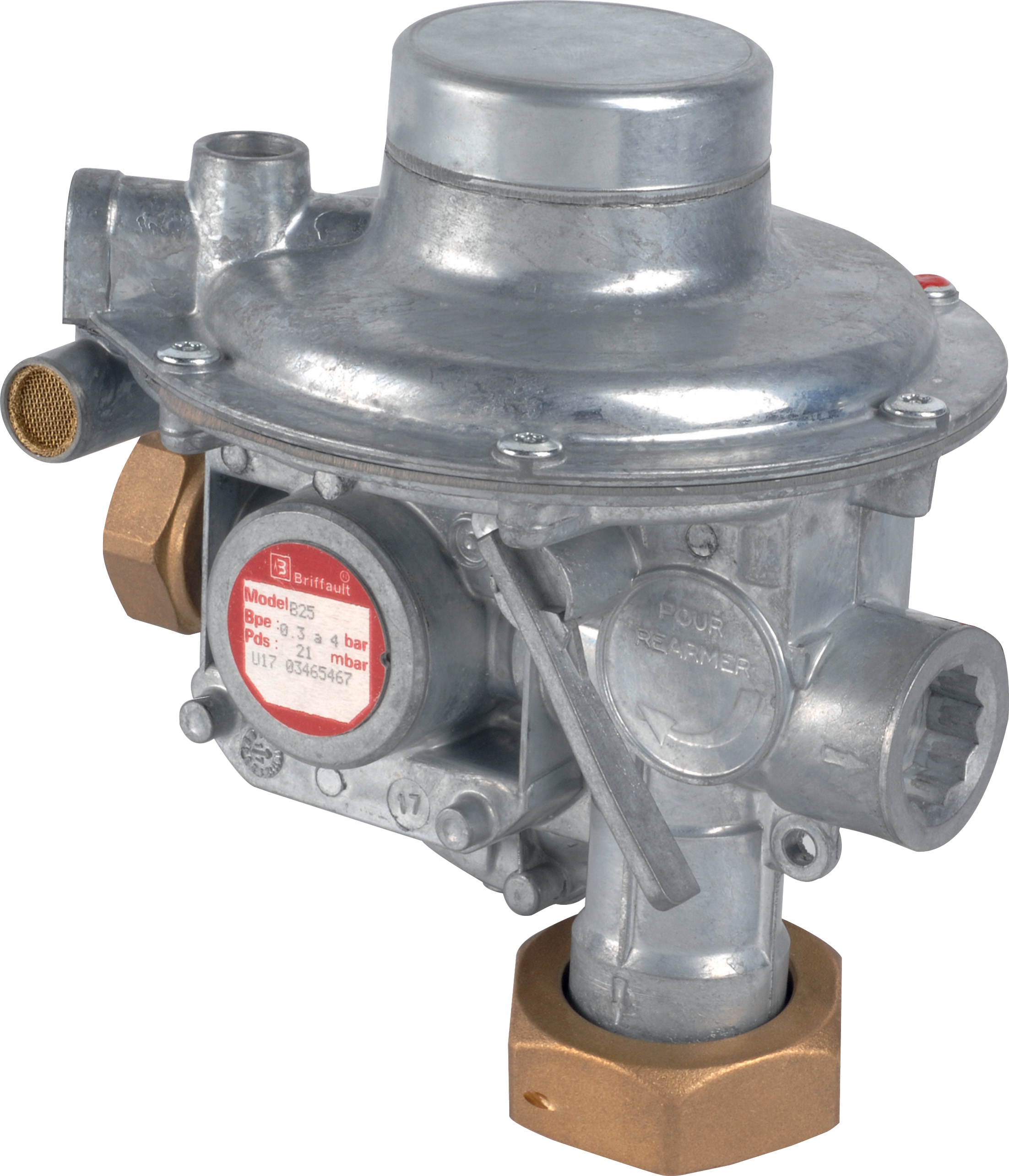
- Francel B25/37mb with integrated safety relief: Ideal for laboratory and low-pressure gas distribution where integrated safety is non-negotiable
- Pratissoli R1/400 regulating valve: For high-performance pump systems requiring 400 bar regulation; proven in demanding industrial applications
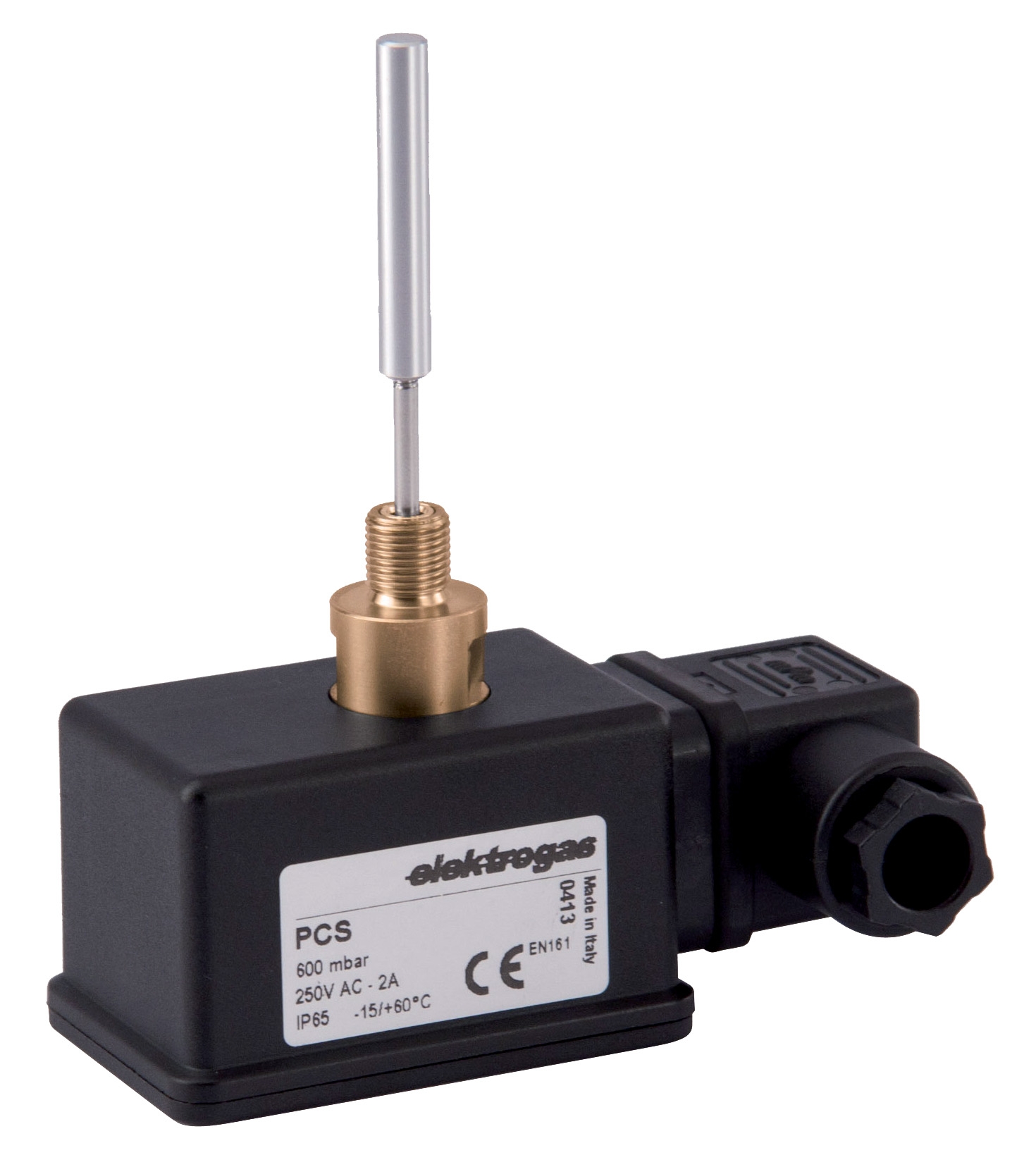
- Elektrogas VMM 20-25 end-of-stroke contact valve: Provides pneumatic control for gas systems where failsafe operation is required
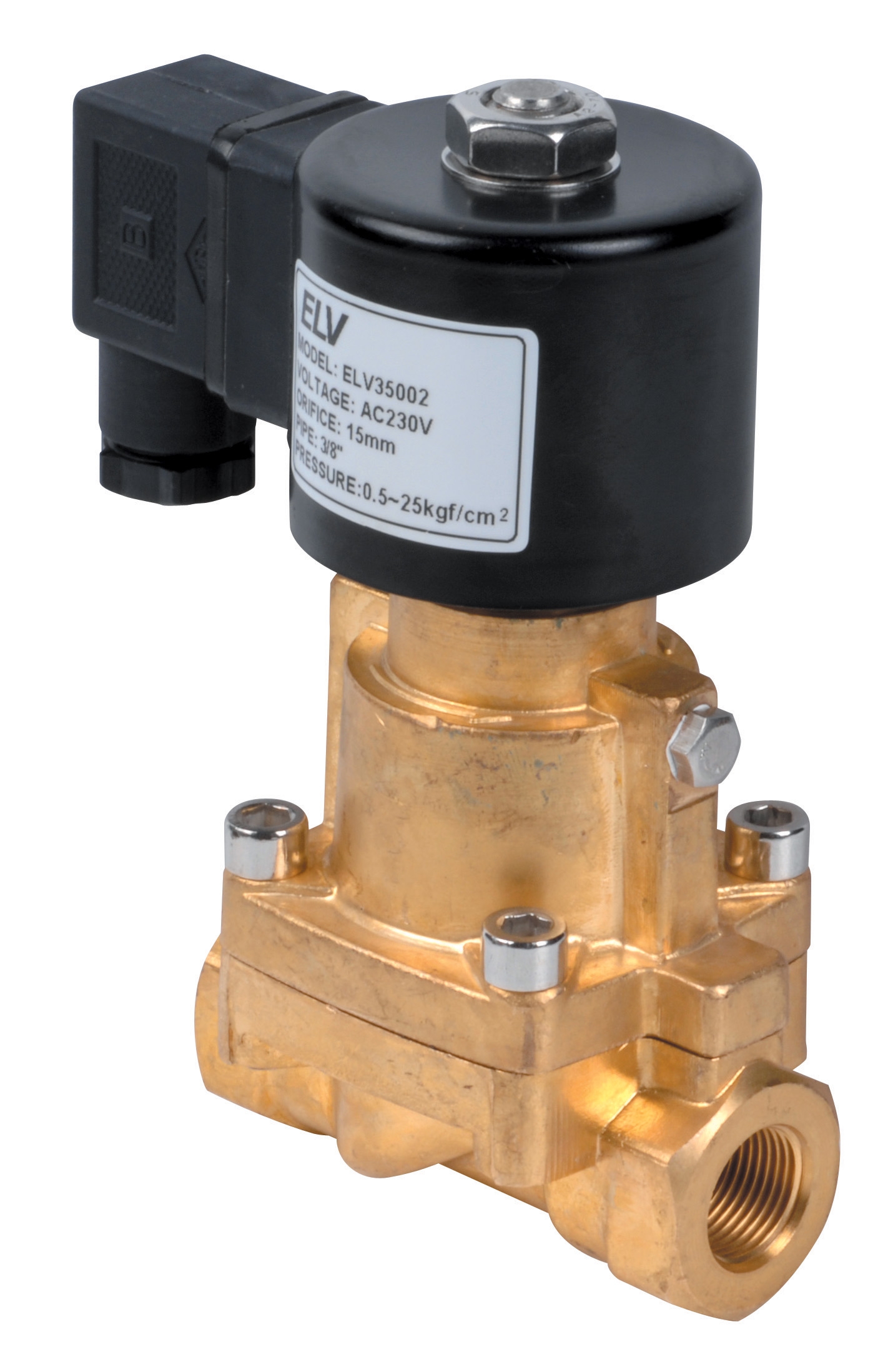
- ELV steam solenoid valve D 1/2: Essential for steam and gas systems requiring automatic isolation and solenoid control
All of these can be sourced and supported through 3G Electric's distribution network across Singapore and Southeast Asia.
Your Next Steps
1. This week: Map your gas system and identify all isolation points. Walk your facility with your Maintenance Lead and physically locate every valve.
2. This month: Conduct your first pressure regulator performance test using the quarterly procedure outlined above.
3. This quarter: Implement the monthly isolation valve exercise program and post your emergency contact list at your control point.
4. This year: Train all operators and shift managers on this emergency shutdown procedure. Run a tabletop drill (discuss the steps without activating equipment).
Regulatory compliance and personnel safety depend on your preparation. With these frameworks in place, your facility is ready to respond decisively when gas valve emergencies occur.