Understanding Safety-Integrated Gas Valve Specification in Singapore Industrial Plants
Gas Valves & Regulation represent one of the most critical infrastructure decisions in industrial facilities, yet many plant managers approach specification primarily on pressure rating alone. In Singapore's highly regulated manufacturing environment, safety integration—not just functionality—must drive valve selection. Over 35 years supplying global industrial equipment, 3G Electric has observed that facilities implementing comprehensive gas valve and regulation strategies reduce unplanned downtime by 40% and improve safety audit compliance by 65%.
The distinction between basic pressure regulators and safety-integrated systems extends beyond technical specifications. A pressure regulator manages outlet pressure; a safety-integrated valve system manages both normal operation and fault conditions. This distinction becomes critical when systems operate continuously or in hazardous process environments common in Singapore's petrochemical, pharmaceutical, and semiconductor manufacturing sectors.
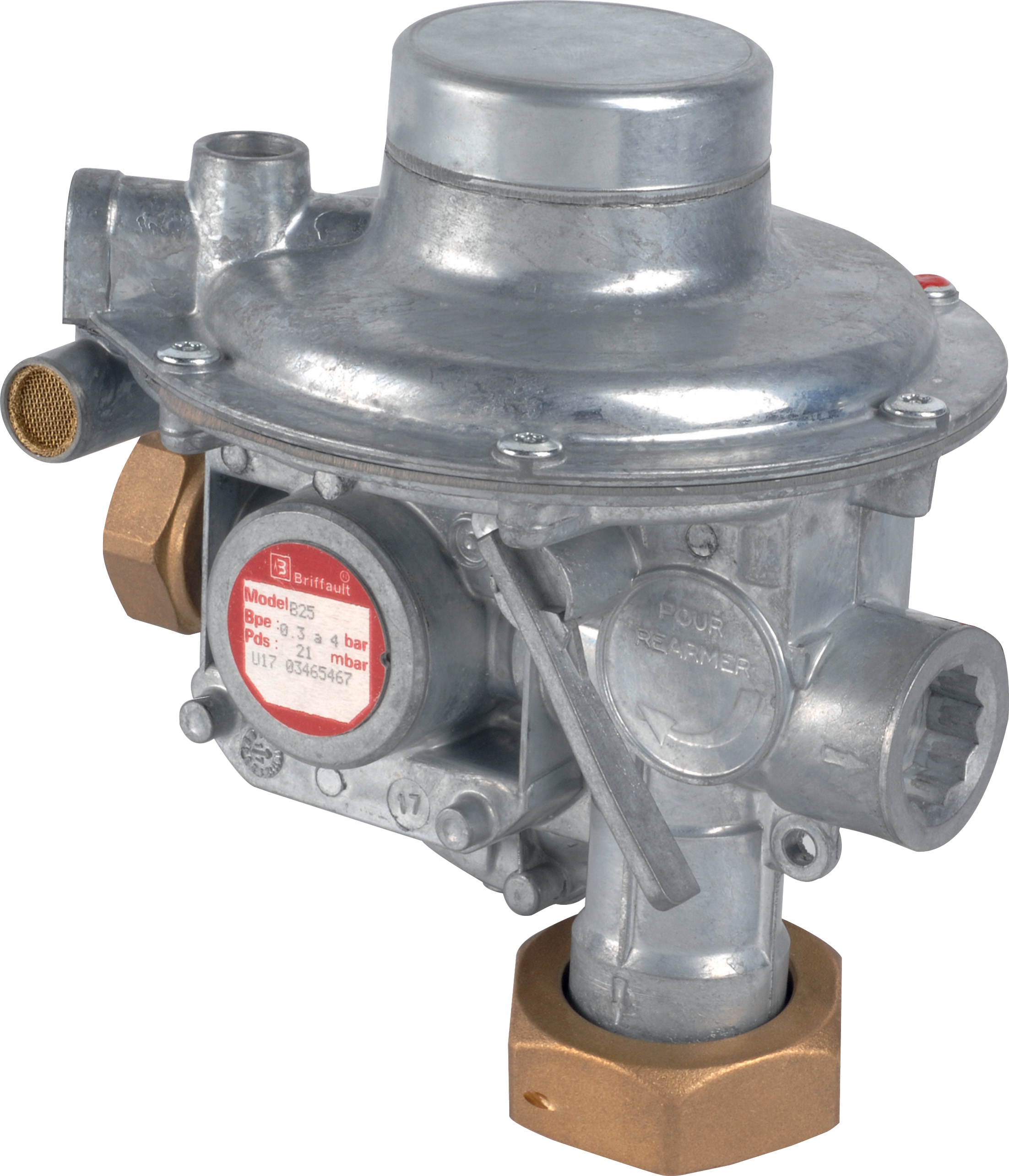
The Francel B25/37mb represents the integration approach: it combines pressure regulation (37 mbar outlet) with integrated safety relief through a 10 mm vent, eliminating the need for external relief valve installation. For facilities managing multiple gas distribution points, this integrated approach reduces installation complexity, testing procedures, and maintenance overhead. However, specification requires understanding where integration adds value versus where modular approaches provide flexibility.
Pressure Rating Architecture: Matching System Demand to Regulatory Compliance
Singapore's Economic Development Board (EDB) and Ministry of Manpower (MOM) guidelines require that industrial gas systems operate with documented safety margins. Plant managers must specify valves rated above maximum system pressure—a principle often underestimated in procurement cycles.
Consider typical pressure scenarios across industrial applications:
- Laboratory gas distribution: 6–25 mbar (pilot operations, analysis equipment)
- General industrial process control: 25–100 mbar (pneumatic actuation, burner systems)
- High-pressure equipment safeguarding: 6 bar and above (compressor protection, reactor safety)
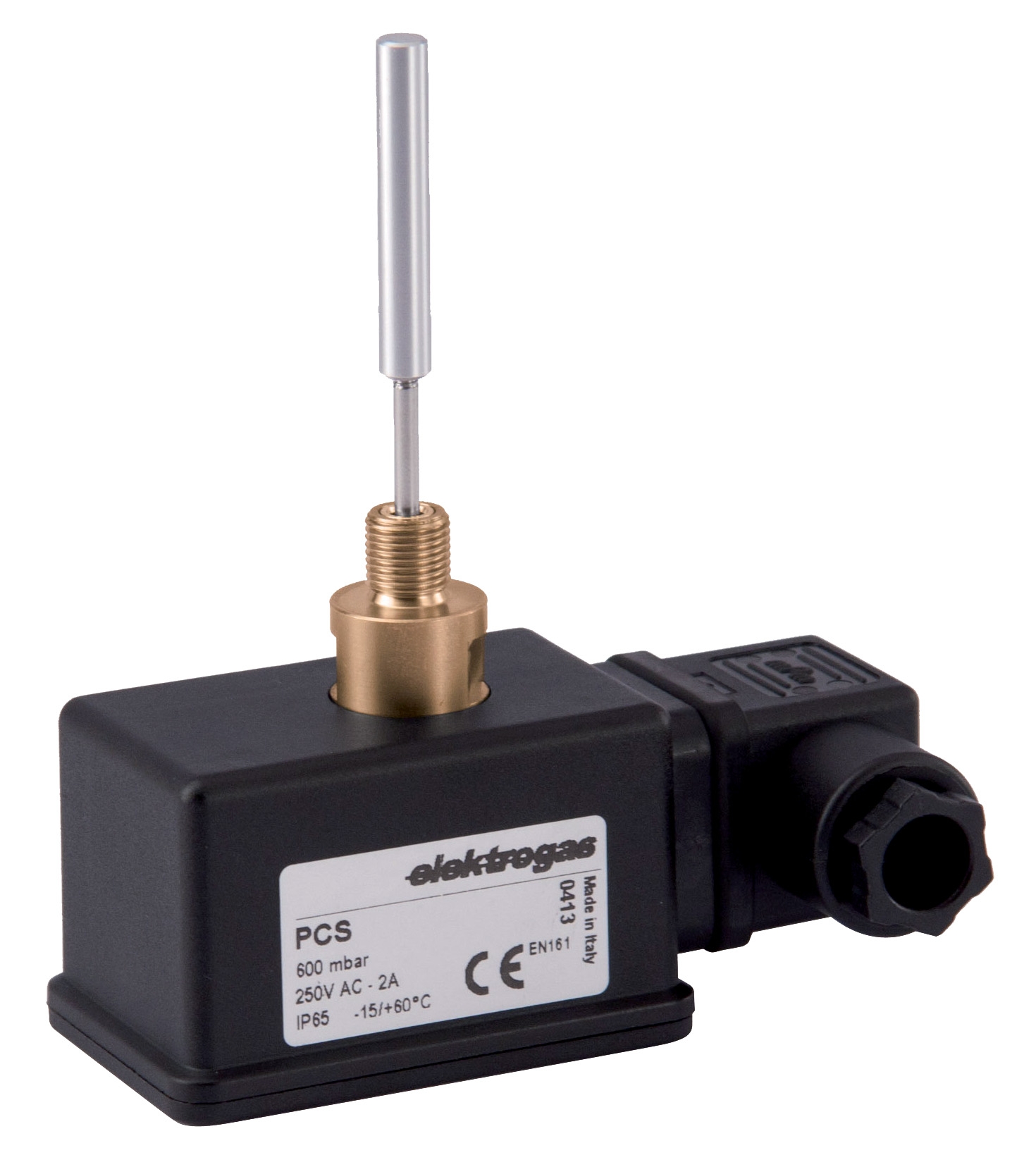
The Elektrogas VMM 20-25 operates at 6 bar (600 kPa), making it suited for end-of-stroke safety applications where pneumatic circuits require positive shut-off. EN 161 compliance—the European standard adopted by most Singapore manufacturers—mandates that safety valves function predictably across temperature ranges (−10°C to +60°C) and pressure fluctuations. This valve's 3 mm Allen wrench adjustment mechanism simplifies field recalibration without requiring specialized tools, reducing maintenance labor costs.
For lower-pressure applications, the Francel B25/37mb's 37 mbar outlet satisfies laboratory and pilot-scale operations. The integrated relief vent prevents overpressurization without cascading to external relief systems, simplifying piping design in constrained facility layouts common in Singapore's high-density industrial parks.
Specification hierarchy for Singapore plant managers:
- Identify maximum possible system pressure (worst-case scenario)
- Select valve rated for 1.5× maximum pressure minimum
- Confirm EN 161 or equivalent standard compliance (required for insurance underwriting)
- Document vent/relief capacity against system volume (prevents nuisance relief opening)
- Specify material compatibility (stainless steel for coastal/humid environments prevalent in Singapore)
Installation Architecture: Integrated vs. Modular Control Systems
Gas valve and regulation system architecture fundamentally differs between integrated (single-unit safety relief) and modular (separate regulator + external relief) approaches. Plant managers must understand trade-offs to optimize capital expenditure and operational reliability.
Integrated safety systems (exemplified by the Francel B25/37mb):
- Single procurement, factory-tested assembly
- Simplified piping reduces installation time by 25–30%
- One certification point simplifies regulatory documentation
- Limited field adjustment capability
- Fixed outlet pressure may not suit multiple application requirements
- Flexible pressure output through regulator selection
- Multiple safety stages enable redundancy (critical for hazardous processes)
- Independent component replacement without full system downtime
- Higher initial piping and installation cost
- Requires multiple certification and testing procedures
For Singapore's manufacturing landscape, modular architecture typically wins in multi-product facilities (semiconductor manufacturing, pharmaceutical production) where gas requirements vary between process sections. Integrated systems excel in dedicated laboratory environments or single-purpose facilities (medical gas distribution, specialized welding operations).
The decision hinges on three factors:
1. Future flexibility: Will facility requirements change within 5 years? Modular systems accept retrofit requirements; integrated systems require replacement.
2. Maintenance accessibility: Can technicians reach/service multiple components? Integrated systems simplify this; modular systems may concentrate issues at one relief point.
3. Regulatory documentation: Does your facility audit require demonstrable redundancy? Many Singapore pharmaceutical and semiconductor manufacturers must evidence dual-stage protection.
Practical Specification Workflow for Plant Managers
Effective gas valve and regulation specification follows a structured process that prevents costly field modifications:
Step 1: System Pressure Inventory
Document every gas delivery point in your facility. Record: maximum operating pressure, normal operating pressure, gas type, flow rate, and duty cycle. Most plants discover 30–40% of gas system points operate at different pressures than originally designed—this variation drives valve selection.
Step 2: Safety Requirement Mapping
For each delivery point, identify if it's:
- Non-critical (laboratory, utility operations): Standard compliance sufficient
- Critical (process-essential, hazardous material handling): Redundant relief required
- Life-safety (medical gas, semiconductor safety systems): Dual-stage protection mandatory
Singapore's Workplace Safety & Health Act mandates documented risk assessment. Plant managers should tie gas system specification directly to this assessment.
Step 3: Standard Compliance Verification
Confirm:
- EN 161 (European safety valves)—internationally recognized, widely supported
- ISO 4401 (hydraulic and pneumatic systems)—often applied to industrial gas piping
- Singapore SS 638 (Gas Safety Installation)—locally mandated for piped gas systems
The Elektrogas VMM 20-25's EN 161 compliance satisfies most Singapore industrial requirements. For pharmaceutical or medical applications, additional validation against FDA or PIC/S guidelines may apply.
Step 4: Material and Environmental Compatibility
Singapore's marine-industrial environment creates unique challenges:
- Coastal facilities: Specify stainless steel (316L) for all wetted components
- High-humidity environments: Use brass/nickel-plated regulators to prevent corrosion
- Temperature-controlled rooms: Standard materials acceptable; document thermal ranges
Since 1990, 3G Electric has supplied equipment to Singapore's leading manufacturers, understanding that lowest purchase price often creates highest lifecycle costs. Evaluate:
- Spare parts availability: Can replacements be sourced within 48 hours? Francel and Elektrogas components maintain regional distribution.
- Local service capability: Does your maintenance team have factory training? 3G Electric provides technical support documentation in English and Mandarin.
- Warranty terms: Most quality regulators offer 2-year coverage; confirm local claim procedures.
- Calibration support: Some valves (like the Elektrogas VMM 20-25) require recalibration every 2–3 years. Verify local calibration service availability.
Key Specification Parameters: Quick Reference Table
Francel B25/37mb Pressure Regulator
- Outlet pressure: 37 mbar (fixed)
- Relief vent: 10 mm
- Application: Laboratory gas distribution, low-pressure pilot systems
- Best for: Facilities requiring integrated safety without field adjustment
- Link: Francel B25/37mb Regulator with Safety Relief
- Pressure rating: 6 bar (600 kPa)
- Adjustment tool: 3 mm Allen wrench
- Standard: EN 161 compliant
- Application: Pneumatic circuit protection, high-pressure end-of-stroke safety
- Best for: Manufacturing facilities requiring redundant pressure protection
- Link: Elektrogas VMM 20-25 Safety Valve
While primarily high-pressure sewer cleaning equipment, Pratissoli's engineering (Interpump Group) provides reference-quality pressure hose construction applicable to demanding industrial gas service:
- ZT06B1000353: Specialized high-flow configuration
- ZT03A0200152 (Pilotflex 120): Flexible multi-stage protection
- ZT04A0100202 (Pilotflex 120): Compact modular design
- Links: Pratissoli ZT06B1000353, Pratissoli Pilotflex 120 ZT03A0200152, Pratissoli Pilotflex 120 ZT04A0100202
Decision Framework: When to Specify Each System
Specify integrated safety systems (Francel B25/37mb) when:
- Single-purpose facility (laboratory, dedicated burner line)
- Pressure requirement is fixed (no future variation anticipated)
- Installation space is constrained
- Regulatory documentation must demonstrate factory testing
- Maintenance team prefers minimal component count
- Multi-product facility with varying pressure requirements
- Redundant protection mandated by risk assessment
- Future system expansion anticipated
- Maintenance team comfortable with modular troubleshooting
- Regulatory framework requires demonstrable dual-stage protection
- High-demand burner or compressor applications
- Multiple simultaneous gas draws
- Industrial processes requiring stable pressure under variable load
- Facilities where pressure drop creates operational risk
Implementation Roadmap: 90-Day Specification and Deployment
Weeks 1–2: Assessment and Documentation
- Audit current gas system: pressure points, flow rates, safety incidents (if any)
- Interview maintenance team on reliability issues
- Document regulatory compliance status (last inspection date, any citations)
- Calculate total cost of ownership for leading valve configurations
- Confirm valve selections against Singapore SS 638 and relevant ISO standards
- Contact 3G Electric for technical specifications and lead times (typical: 2–4 weeks for in-stock regulators)
- Request material certifications and test reports
- Obtain local service/calibration references
- Install new valves on non-critical system section first
- Conduct 72-hour stability monitoring (pressure trending, leak detection)
- Train maintenance team on adjustment and troubleshooting
- Document actual pressure readings and compare to specification
- Roll out to remaining system points
- Update facility piping diagrams and safety documentation
- Establish calibration schedule with local service provider
- Schedule compliance audit to confirm SS 638 adherence
Conclusion: Strategic Value of Proper Gas Valve & Regulation Specification
Gas Valves & Regulation selection represents a foundational operational decision affecting safety, reliability, and regulatory standing. Plant managers who approach specification as a technical systems problem—rather than a procurement exercise—achieve measurable improvements in facility safety culture, equipment availability, and insurance costs.
3G Electric's 35+ years supplying industrial equipment across Asia-Pacific positions us to support your specification process with technical expertise, regional availability, and manufacturer relationships that ensure you receive quality components backed by reliable service. Whether your facility requires the integrated simplicity of the Francel B25/37mb, the redundancy of the Elektrogas VMM 20-25, or customized high-pressure solutions, our technical team can guide specification aligned with Singapore's regulatory environment and your operational requirements.
Contact 3G Electric's technical team for a complimentary gas system specification review, or request detailed datasheets and compliance documentation for your facility's requirements.