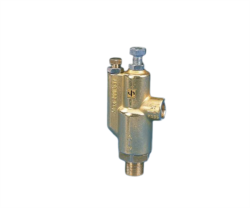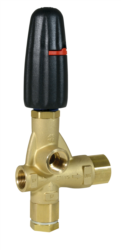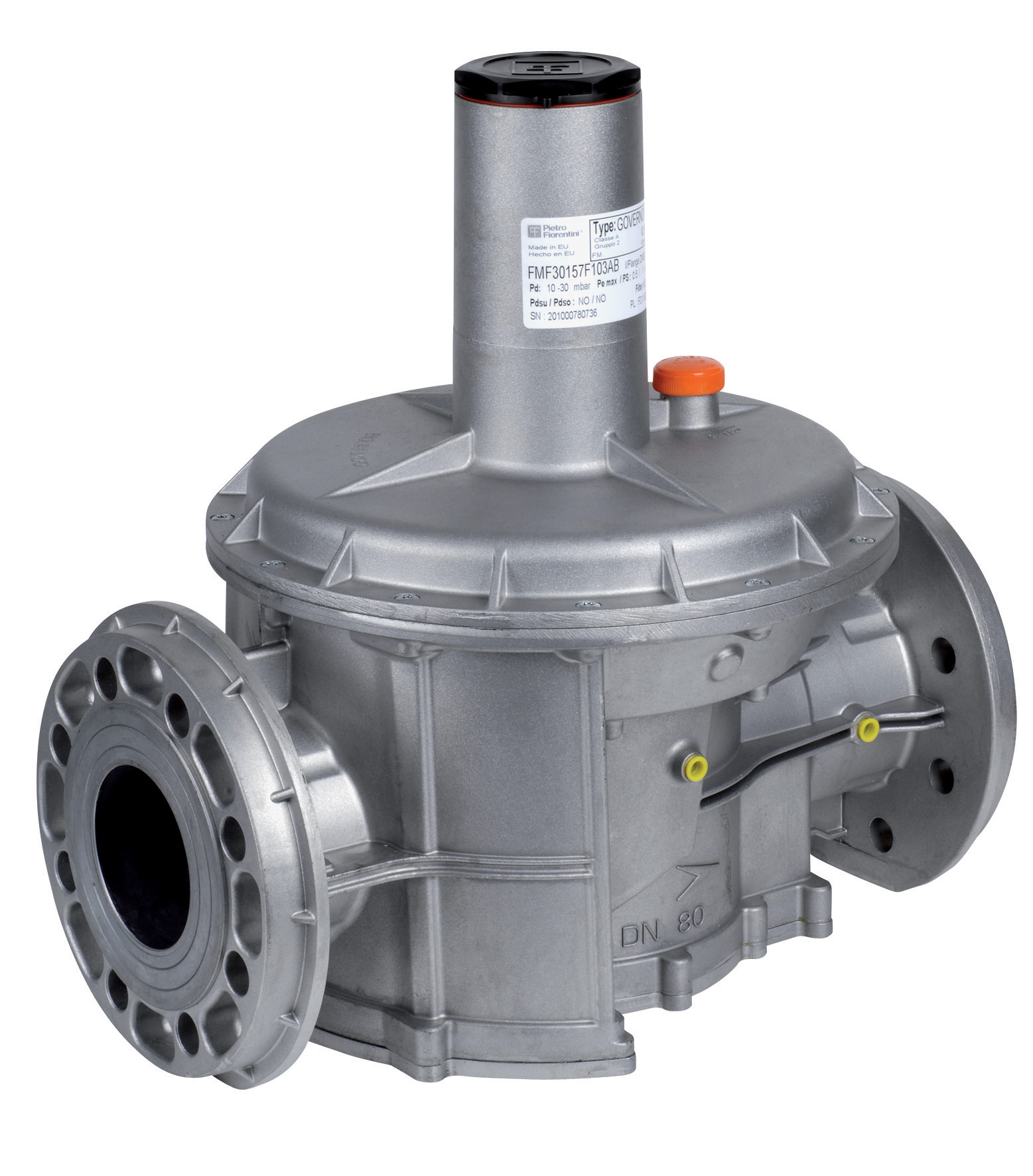
Introduction: Gas Valves & Regulation in Southeast Asian Industrial Operations
Gas Valves & Regulation systems are critical infrastructure components in industrial facilities across Southeast Asia, from petrochemical plants in Singapore to manufacturing facilities in Thailand, Indonesia, and Malaysia. Maintenance teams must possess deep technical expertise to diagnose failures, execute repairs, and optimize performance under the region's demanding climate conditions—high humidity, temperature fluctuations, and corrosive coastal environments.
With over 35 years of experience distributing industrial equipment throughout Southeast Asia, 3G Electric understands the unique challenges facing maintenance teams in this region. Gas regulation systems operate under extreme pressure conditions, requiring precision calibration and rigorous adherence to safety protocols. Unlike simple on-off valves, pressure regulators demand sophisticated diagnostics when performance degrades, and incorrect repairs can compromise entire production lines.
This guide provides practical, actionable troubleshooting methodologies that maintenance professionals can implement immediately to reduce emergency downtime and improve system reliability.
Section 1: Field Diagnostics & Symptom Identification for Gas Valve Systems
Understanding Pressure Regulation Failure Modes
When gas regulation systems underperform, the root causes typically fall into distinct categories. Maintenance teams must develop systematic diagnostic approaches to identify whether problems originate from pressure creep, insufficient flow delivery, leakage, or control signal failures.
Pressure Creep (Downstream Pressure Rise) represents one of the most common failure modes in Southeast Asian industrial environments. When downstream pressure rises above setpoint without manual adjustment, the regulator's internal pilot mechanism has failed. In humid tropical climates, moisture ingress into pilot circuits causes corrosion of precision orifices, preventing proper pressure sensing. Maintenance teams should check pilot line condition first—clogged or kinked pilot lines reduce feedback signal accuracy.
Insufficient Flow Delivery occurs when gas reaches equipment at lower-than-specified flow rates despite adequate upstream pressure. This indicates internal throttling—either a stuck throttle trim assembly or wear of the main valve seat. The Pratissoli automatic press regulator H288 delivers 20 L/min flow at 280 bar, serving as a baseline specification. When measured flow drops 15% or more below this rating, internal erosion or seat damage requires component replacement rather than simple cleaning.
External Leakage at valve body seams indicates seal degradation—a critical concern in high-humidity Southeast Asian environments where salt spray accelerates elastomer breakdown. Measure leak rate using soap solution and a stopwatch. Any visible bubble formation every 10 seconds signals definitive seal failure requiring immediate component replacement.
Control Signal Failures affect piloted and solenoid-controlled regulators. Measure pilot pressure using an accurate analog test gauge (minimum 0.1% accuracy class). If pilot pressure measures below 20% of main inlet pressure, the pilot stage has failed.
Practical Field Measurement Protocol
Maintenance teams should conduct systematic measurements following this sequence:
1. Inlet Pressure Measurement: Connect test gauge to inlet port using snubber orifice (0.5 mm) to eliminate pulsation noise. Record reading over 30-second interval. Fluctuations exceeding ±10% indicate upstream instability requiring attention before regulator testing.
2. Outlet Pressure Measurement: Install test gauge at equipment inlet (not regulator outlet) to capture actual delivered pressure accounting for line losses. Load the system to 70% of maximum operating pressure. Outlet pressure should stabilize within 5 minutes. If pressure continues rising beyond setpoint, pilot mechanism failure is confirmed.
3. Pilot Pressure Verification: For piloted regulators, measure pilot stage outlet pressure. On a properly functioning system, pilot pressure measures 5-10% of inlet pressure. Lower readings indicate pilot cartridge degradation or orifice blockage.
4. Response Time Testing: Increase inlet pressure by 20% while monitoring outlet gauge. The regulator should compensate within 3-5 seconds, stabilizing outlet pressure within ±0.5 bar of setpoint. Sluggish response or hunting behavior (cycling between over-pressure and under-pressure) signals valve seat wear or control spring fatigue.
5. Leakage Rate Quantification: Connect collection container to vent port. Time accumulation of 100 mL of gas/liquid discharge. For air regulators, a rate exceeding 5 mL/minute indicates seal failure. For liquid/viscous media, rates above 2 mL/minute are unacceptable.
Section 2: Internal Valve Maintenance & Component Repair Procedures
Safe Depressurization & Isolation Protocols
Before opening any gas regulation valve for internal inspection, maintenance teams must follow strict safety procedures. In Southeast Asian industrial facilities, equipment often operates continuously without scheduled shutdown windows. Improper depressurization has caused serious injuries and fatalities in the region.
Lockout/Tagout (LOTO) Procedure: Close upstream isolation valve and confirm closure by checking that downstream pressure drops to zero within 60 seconds. Install LOTO devices on both isolation valve handles and gain confirmation from plant supervision that no other personnel will operate equipment during maintenance. Attach lockout tags with maintenance team member names and contact information.
Pressure Relief: Even with upstream isolation, trapped pressure remains dangerous. Open the downstream regulator vent port gradually using a vent key or screwdriver, listening for gas escape. Do not position your body directly in line with vent port discharge. For large-volume regulators, allow 5 minutes for complete pressure bleed-down.
Secondary Containment: Place absorbent material under valve assembly. Even trace oil residue in gas systems can ignite when pressurized air blows across exposed metal surfaces. In Southeast Asia's humidity, condensation accelerates inside valve bodies—prepare to contain small liquid discharge during disassembly.
Seat & Trim Assembly Replacement
The Pratissoli H288 automatic press regulator employs replaceable seat trim components designed for field service. This modular approach allows maintenance teams to restore performance without replacing the entire valve body.
Seat Removal Process:
- Remove valve bonnet (top assembly) using appropriate wrench size—typically 17 mm or 19 mm hex on industrial regulators
- Inspect trim assembly positioning. A properly seated trim should exhibit minimal side play
- Extract trim assembly using specialized seat extractor tool or by carefully tapping with brass hammer
- Inspect the removed seat under magnification (10x optical magnifier minimum). Scoring parallel to flow direction indicates erosion from particulate; scoring against flow indicates cavitation damage
Trim Installation: New trim components must match original specifications exactly. Verify part number against maintenance logs. Insert trim carefully, aligning flow passages with body ports. Tighten bonnet gradually in a criss-cross pattern (opposite sides alternately) to ensure even seating. Final torque typically ranges 30-50 Nm for standard industrial regulators—check manufacturer specifications as over-torquing causes permanent deformation.
Pilot Stage Cartridge Service: For regulators like the Pratissoli H288, pilot cartridges represent replaceable modules. These compact assemblies contain precision orifices that regulate pilot pressure. When response time measurements indicate poor performance, pilot cartridge replacement restores system behavior to specification.
- Remove pilot stage external nut using appropriate wrench (typically 13-17 mm)
- Extract pilot cartridge by hand—it should pull out with moderate effort
- Inspect orifice diameter using visual inspection or borescope. Acceptable orifice diameter shows no visible debris
- Install new pilot cartridge, ensuring o-ring sits properly in groove
- Reinstall and tighten external nut until cartridge seats, then rotate 1/4 turn additional
Spring & Seal Assembly Maintenance
Control springs in gas regulators experience fatigue from millions of pressure cycles. In Southeast Asian climates, temperature swings between 18°C and 38°C during monsoon seasons accelerate spring stress relaxation, reducing spring force by 10-15% annually.
Spring Preload Verification: Measure spring preload using depth micrometer. The compression distance from solid-block position to normal operating height should match original design specifications (typically 8-15 mm depending on regulator class). If measured compression exceeds specifications by more than 20%, the spring has relaxed and requires replacement.
Elastomer Seal Replacement: Nitrile (NBR) seals, standard in most industrial regulators, degrade in tropical humidity within 2-3 years. Replace seals even if visible degradation isn't apparent—preventive seal replacement costs far less than emergency downtime.
- Remove seal gland nuts (typically 10-13 mm hex) gradually in criss-cross sequence
- Lift seal assembly straight upward to avoid tilting, which catches seal edges
- Clean seal cavity using compressed air and lint-free cloth. Remove any residual elastomer fragments
- Install new seal gasket, ensuring it seats evenly in the cavity groove
- Reinstall seal gland nuts with even torque (15-25 Nm typical). Uneven torque causes seal extrusion under pressure
Section 3: Commissioning, Performance Verification & System Integration
Post-Repair Testing Protocol
After completing internal repairs or component replacement, maintain teams must verify performance before returning systems to production operation. Incomplete testing has caused multiple incidents in Southeast Asian facilities where repaired regulators failed catastrophically after 48-72 hours of operation.
Stage 1 - Bench Testing (Before Installation):
Connect the repaired regulator to a stand-alone test apparatus with isolated inlet and outlet. Gradually increase inlet pressure from zero to 110% of rated maximum. Monitor outlet pressure response over 10-minute intervals across this entire pressure range. The regulator should maintain outlet pressure within ±2% of setpoint throughout the range.
For pressure regulators rated at 280 bar maximum, gradually increase inlet pressure in 50 bar increments. At each increment, hold pressure constant for 3 minutes and record outlet pressure readings at 30-second intervals. Outlet pressure should exhibit zero drift (no creep upward) and zero hysteresis (outlet pressure should match whether inlet pressure increased or decreased to reach the same point).
Stage 2 - Soft Commissioning (On-Site, Low Load):
Install the regulator in its permanent position and close-couple test instrumentation at inlet, outlet, and pilot ports. Gradually pressurize the system to 30% of rated pressure. Circulate fluid/gas for 15 minutes while monitoring all three pressure points. Exit pressure should stabilize within ±0.5 bar of setpoint. Any oscillation or hunting behavior signals improper internal seating.
Increase pressure to 60% rating and hold for 30 minutes. Check vent port and body seams for any visible leakage. A single drop per 30 seconds is acceptable; faster dripping indicates seal failure despite fresh component installation—likely from body scoring that new seals cannot bridge.
Stage 3 - Full Load Commissioning:
With plant approval, advance inlet pressure to 100% of rated specification. Operate equipment at normal load for 2-4 hours. Outlet pressure should remain stable within ±1% of setpoint under normal load cycling. If the facility operates 24/7, extend monitoring for 8-hour shifts across two consecutive days to confirm stability across ambient temperature changes.
High-Humidity Climate Commissioning Considerations
Southeast Asian facilities present unique commissioning challenges due to extreme humidity. Moisture condenses inside valve cavities during cool nighttime hours, then evaporates during warm daytime operation, creating micro-scale corrosion cycles.
After completing repairs, apply a protective desiccant breather to the vent port. These cartridge-style devices contain silica gel that prevents atmospheric moisture from entering the valve body during cool hours when internal pressure drops below atmospheric. Replace desiccant cartridges monthly in facilities within 50 km of ocean coastlines where salt-laden humidity accelerates corrosion.
For regulators in outdoor installations exposed to sea spray (common in Singapore, Malaysia, Thailand coastal refineries), apply additional protective barriers. Epoxy coating on external bonnet surface prevents salt corrosion of adjustment screws and spring housings. Budget 4-6 hours labor per regulator for professional coating application.
Section 4: Preventive Maintenance Schedules & Long-Term Reliability Optimization
Seasonal Maintenance Calendar for Southeast Asia
Dry Season (May-September):
During the region's dry season, inlet air quality degrades as particulate concentration increases. Monthly inlet filter inspection becomes critical during this period. Remove inlet filter element and hold against strong light source—if light cannot pass through more than 40% of the surface area, change the filter immediately. Clogged inlet filters reduce available pressure and force regulators to operate in throttling mode, accelerating internal erosion.
Perform quarterly full-system pressure test during dry season months, as stable ambient temperatures enable accurate baseline measurements. Record inlet pressure, outlet pressure, pilot pressure, and response time. Maintain a log spanning 12+ months to identify gradual performance degradation patterns.
Monsoon Season (October-April):
Increased humidity during monsoon months accelerates elastomer degradation. Schedule preventive seal replacement in facilities experiencing performance degradation every 18 months or earlier. Replace desiccant breather cartridges monthly without exception—compressed air dryers prove insufficient in monsoon humidity levels exceeding 95% relative humidity.
Inspect exposed external surfaces for corrosion initiation. Any visible discoloration on bonnet or body surfaces warrants protective coating application within one week. Delay in coating invites rapid sub-surface corrosion that compromises structural integrity.
Predictive Maintenance Indicators
Maintenance teams should monitor four key indicators that signal upcoming failure and enable planned downtime before catastrophic loss:
Indicator 1 - Outlet Pressure Creep: Track outlet pressure trends across 4-week periods. An increase exceeding 0.5 bar per week indicates pilot mechanism degradation. Schedule seal/cartridge replacement for the next available shutdown window—do not wait for complete failure.
Indicator 2 - Response Time Degradation: Time the regulator's response to 20% inlet pressure step changes. If response time increases from baseline by more than 20% (e.g., from 3 seconds to 4 seconds), internal valve seat erosion has advanced significantly. Plan replacement within 2-4 weeks.
Indicator 3 - Vent Port Discharge: Increase from 1-2 mL/minute baseline to 5+ mL/minute signals seal degradation. Replacement should occur within one week to prevent catastrophic failure.
Indicator 4 - Noise/Vibration Changes: New audible noise or felt vibration at the regulator housing indicates internal mechanical wear. Perform immediate detailed inspection to determine severity.
Supply Chain & Spare Parts Strategy
3G Electric maintains extensive inventory of replacement trim kits, seal assemblies, and pilot cartridges for popular industrial regulators. For Pratissoli H288 regulators and FAG pressure regulators, maintaining critical spare parts on-site prevents extended downtime during repair cycles.
Maintenance teams should establish relationships with regional suppliers capable of emergency delivery within 4-6 hours. In Southeast Asia, 3G Electric's distributed network across Singapore, Thailand, Malaysia, and Indonesia enables rapid parts procurement for Pratissoli SRS65 pump valve systems and related regulation components.
Stock minimum quantities of:
- Complete seal kits (3-4 sets per regulator model in operation)
- Pilot cartridge assemblies (2 per regulator model)
- Inlet filter elements (6-month supply)
- Desiccant breather cartridges (24-month supply)
- Bonnet gaskets and fastening hardware (excess 50% of current inventory)
Maintain barcoded storage with quarterly stock rotation to prevent seal hardening and spring relaxation during storage. Store spare components in climate-controlled areas (18-25°C, <40% RH) to maximize shelf life—elastomer components degradation accelerates dramatically in uncontrolled storage.
Conclusion: Building Maintenance Excellence in Southeast Asia
Gas Valves & Regulation systems represent critical infrastructure requiring sophisticated troubleshooting and repair expertise. Maintenance teams across Southeast Asia face unique climate challenges, humidity extremes, and availability constraints that demand proactive, data-driven maintenance strategies.
This technical guide provides the diagnostic protocols, repair procedures, and commissioning methodologies necessary to achieve equipment reliability and extend component lifespan. By implementing systematic field diagnostics, preventive maintenance scheduling, and strategic spare parts management, maintenance professionals can minimize unplanned downtime while optimizing total cost of ownership.
3G Electric's 35 years of industrial equipment distribution throughout Southeast Asia demonstrates our commitment to supporting maintenance excellence. Our regional network provides rapid access to premium Pratissoli, FAG, and complementary regulation components, enabling maintenance teams to execute repairs with confidence. Contact our technical support team to discuss valve selection, spare parts strategy, and facility-specific maintenance optimization.