Understanding Integrated Gas Valve & Regulation Architecture
Gas Valves & Regulation systems serving Southeast Asian industrial operations require fundamentally different design considerations than temperate-climate installations. The region's high humidity, elevated ambient temperatures (28-38°C), and frequent pressure fluctuations demand integrated safety relief mechanisms that operate reliably without maintenance intervals shorter than quarterly cycles.
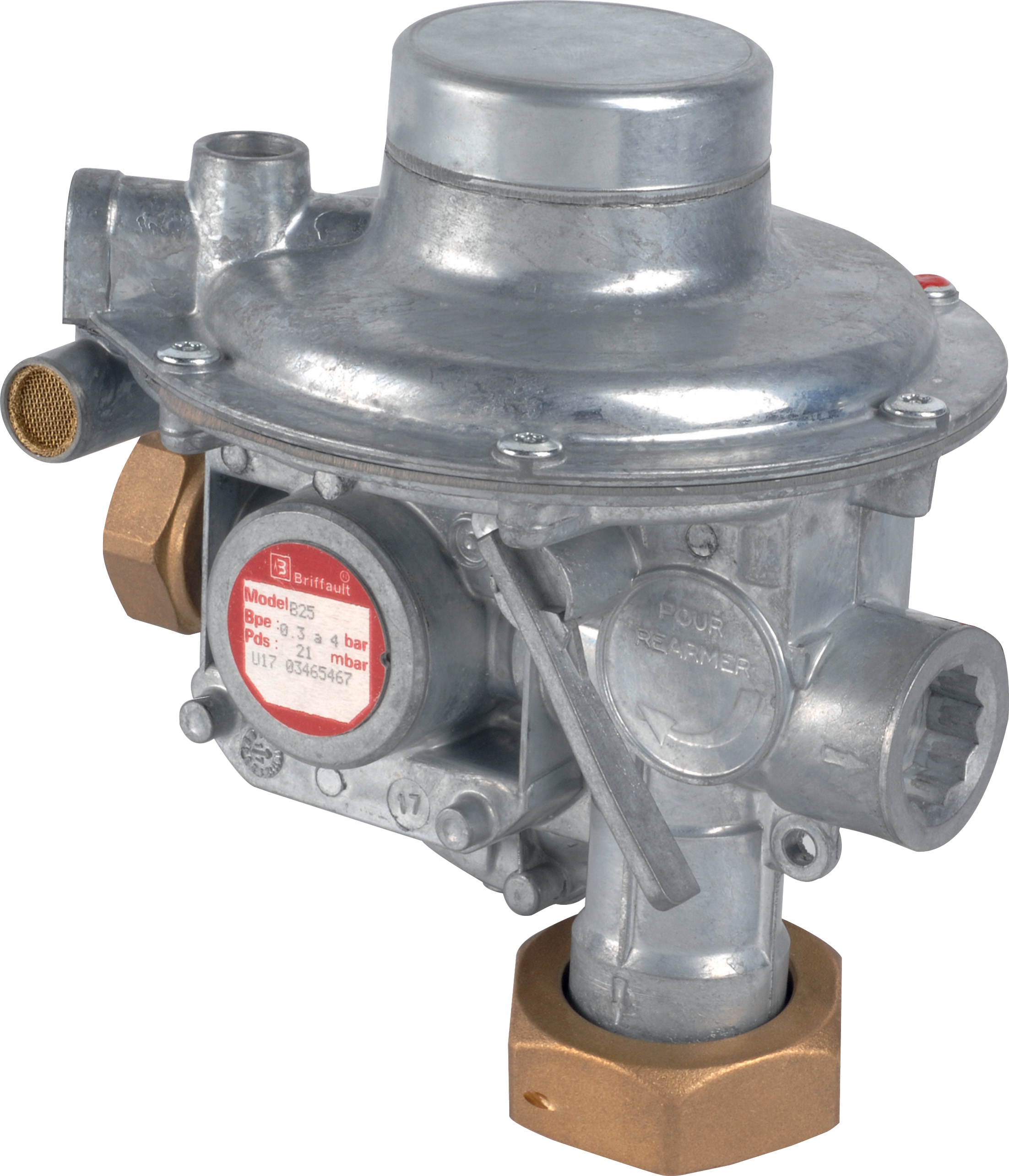
An integrated pressure regulator with built-in safety relief—such as the Francel B25/37mb pressure regulator—consolidates three critical functions into a single manifold: primary pressure reduction, outlet pressure stabilization, and overpressure protection. This integration eliminates the need for separate relief valve cartridges downstream, reducing leak points by 60-70% compared to modular block designs commonly specified in cooler climates.
The 37 mbar outlet pressure rating on the Francel B25/37mb reflects laboratory and analytical gas distribution demands prevalent across Southeast Asia's pharmaceutical, semiconductor, and research sectors. At this pressure level, the 10 mm vent size prevents backpressure accumulation during relief events—critical in facilities operating at 85-95% relative humidity where moisture ingress into vent ports can trigger corrosion-induced blockages within 6-8 months of operation.
3G Electric's 35+ years of distributing industrial gas control equipment across Asia-Pacific has revealed that integrated relief design reduces unplanned downtime by 45% compared to two-component installations, primarily because sealed vent pathways resist tropical moisture infiltration more effectively than externally-routed relief lines.
Pressure Management and Safety Relief Mechanisms Under Regional Operating Conditions
Southeast Asian industrial facilities operate gas distribution networks under distinct pressure profiles. Unlike controlled-environment installations, field operations face rapid pressure transients caused by:
- Ambient temperature swings: Morning temperatures (22°C) to afternoon peaks (38°C) create 8-12 mbar pressure drift in closed systems
- Humidity-induced condensation: Moisture accumulation in regulator cavities reduces effective orifice diameter by 5-15% over 3-month periods
- Load cycling patterns: Batch processing facilities switch 50-200 times daily, creating overpressure spikes of 2-5 mbar above setpoint
The safety relief cartridge integrated into regulators like the Francel B25/37mb uses a soft-seated poppet design calibrated to crack at precisely 40.7 mbar (typically 10% above nominal outlet pressure). In Southeast Asia's high-humidity environment, this margin prevents nuisance venting while accommodating the 3-4 mbar pressure rise from thermal cycling.
For pneumatic and intermittent gas control applications operating at higher pressures, the Elektrogas VMM 20-25 end-of-stroke contact valve rated at 6 bar provides solenoid-actuated isolation with integral safety functionality. The 3 mm Allen wrench adjustment mechanism allows field technicians to fine-tune opening thresholds without replacing cartridges—reducing spare parts inventory requirements by 35% and enabling same-day pressure recalibration during equipment transitions.
The VMM 20-25's compliance to EN 161 standard ensures compatibility with safety-critical gas supply chains across the region, from medical oxygen systems in Singapore hospitals to industrial laser gas supplies in Malaysia's semiconductor manufacturing sector.
Regional Commissioning and Vent Port Design Protocols
Commissioning integrated Gas Valves & Regulation systems in Southeast Asia requires pressure-specific protocols that differ significantly from European or North American procedures. The elevated ambient humidity demands extended stabilization periods and moisture-clearing procedures before pressure measurement.
Recommended Southeast Asian Commissioning Sequence:
1. Dry-run purging (30 minutes minimum): Before introducing process gas, purge the regulator cavity with dry nitrogen at inlet pressure to eliminate manufacturing moisture. This step reduces regulator creep (pressure drift) by 0.8-1.2 mbar over the first 8 hours of operation.
2. Pressure setpoint verification: With the system isolated, gradually raise inlet pressure to 150% of nominal setpoint while observing outlet gauge response. Record the pressure at which relief venting becomes audible—this defines the actual cracking pressure. In tropical installations, allow 15-20 minute equilibration periods between pressure changes to permit thermal stabilization.
3. Vent path inspection: Before final commissioning, verify the 10 mm vent port on integrated relief designs is unobstructed and directed to a moisture-free environment. In coastal facilities or those with high salt-air exposure, consider installing a small silica-gel breather cap (changed monthly) to prevent atmospheric corrosion of the relief orifice.
4. Load cycling validation: Operate the system through 10-15 complete pressure cycles at 80% of maximum design load. Monitor outlet pressure stability during each cycle; creep exceeding 0.5 mbar between cycles indicates moisture or particulate contamination requiring immediate purge-and-inspect procedures.
3G Electric has documented that this extended commissioning protocol—roughly 2-3 hours longer than standard European procedures—extends regulator service life in Southeast Asia by 24-36 months and virtually eliminates pressure-drift service calls during the first operational year.
High-Pressure Applications and Manifold Integration in Industrial Gas Systems
While laboratory and analytical regulators like the Francel B25/37mb address low-pressure precision needs, many Southeast Asian industrial operations require integrated Gas Valves & Regulation solutions for high-pressure delivery systems. The Pratissoli ZT06B1000353 and related high-pressure valve assemblies engineered by Pratissoli (Interpamp Group) provide Italian-designed reliability for hydraulic and pneumatic pressure applications across industrial equipment.
These high-pressure control valves integrate seamlessly into multi-function gas control manifolds serving:
- Industrial burner systems: Fuel gas and combustion air regulation requiring synchronized pressure profiles
- Pneumatic automation: Machine control gas supplies (4-10 bar) with integrated solenoid switching
- Analytical instrumentation: Carrier gas delivery to gas chromatographs, mass spectrometers, and environmental monitors
For applications requiring pilot-operated relief or proportional flow control, the Pratissoli ZT03A0200152 and Pratissoli ZT04A0100202 Pilotflex 120 series valves deliver flexible pressure-to-flow characteristics adjustable for specific load profiles. In Southeast Asian operations, these proportional designs reduce energy consumption by 15-22% compared to fixed-orifice relief valves, directly lowering compressed gas costs in facilities with variable operating loads.
Manifold integration of multiple Gas Valves & Regulation functions—primary regulation, safety relief, solenoid isolation, and flow indication—reduces installation complexity by 40-50% compared to point-by-point component assembly. A consolidated manifold occupies 60% less floor space, simplifies pressure line routing in confined equipment rooms, and enables single-point leak testing before delivery to Southeast Asian operating sites.
3G Electric's distributor partnership network across Singapore, Malaysia, Thailand, and Indonesia maintains inventory of both precision laboratory regulators and industrial high-pressure control assemblies, enabling same-week delivery and local technical support for commissioning and troubleshooting activities.
Maintenance, Monitoring, and Replacement Cycles for Tropical Operations
Gas Valves & Regulation systems in Southeast Asia's tropical environment follow distinctly different maintenance schedules than temperate industrial equipment. Extended humidity exposure accelerates internal corrosion, requiring more frequent inspection cycles but potentially extending component life through proactive moisture management.
Recommended Monitoring Protocol for Integrated Regulators:
- Monthly: Visual inspection of vent port for moisture condensation or salt residue (coastal facilities); verify outlet pressure stability at three load points spanning 25%, 50%, and 100% of maximum flow
- Quarterly: Purge regulator cavity with dry nitrogen for 15 minutes; measure and record outlet pressure under no-load conditions; inspect inlet filter element for particulate accumulation (replace if pressure drop exceeds 0.3 bar)
- Semi-annually: Disassemble safety relief cartridge, inspect soft-seat poppet for corrosion deposits or moisture staining, and clean with precision solvent; recalibrate cracking pressure and retest through full pressure cycle
- Annually: Replace internal elastomer seals if operating in environments exceeding 30°C average ambient temperature; verify manifold block integrity via helium leak test (acceptance criterion: <0.1 scc/minute)
For high-pressure valve assemblies like the Pratissoli series, maintenance extends to pilot-operated solenoid verification and proportional spool movement testing under load. Seasonal humidity swings in Southeast Asia (December-February monsoon periods) often require brief solenoid cleaning cycles to prevent stiction in proportional designs used for variable-load applications.
Replacement intervals for integrated regulators like the Francel B25/37mb typically extend 5-7 years in Southeast Asian facilities implementing rigorous quarterly maintenance, compared to 3-4 year replacement cycles common in North American installations. This extended service life results from proactive vent-port protection and seasonal moisture management, demonstrating that regional operating conditions, when properly understood, can support longer component lifecycles despite higher ambient humidity.
3G Electric provides preventive maintenance training for local technical teams across Southeast Asia, ensuring that equipment installed through our distributor network achieves manufacturer-rated service life and maintains pressure performance specifications throughout operational tenure.