Understanding Pressure Dynamics in High-Temperature Gas Systems
Gas Valves & Regulation in high-temperature industrial environments operate under fundamentally different conditions than standard applications. When inlet gas temperatures exceed 40°C—common in Southeast Asian industrial facilities, refineries, and petrochemical operations—the thermodynamic behavior of gases changes significantly, affecting both pressure readings and valve performance.
The ideal gas law dictates that pressure increases proportionally with absolute temperature. In practical terms, a gas system experiencing a 50°C temperature rise can see pressure increases of 15-20% if volume remains constant. This thermal pressure rise must be accommodated by your regulation system, not simply controlled away. Understanding this distinction is critical: regulation systems must both accommodate thermal expansion and maintain setpoint pressure under load variations.
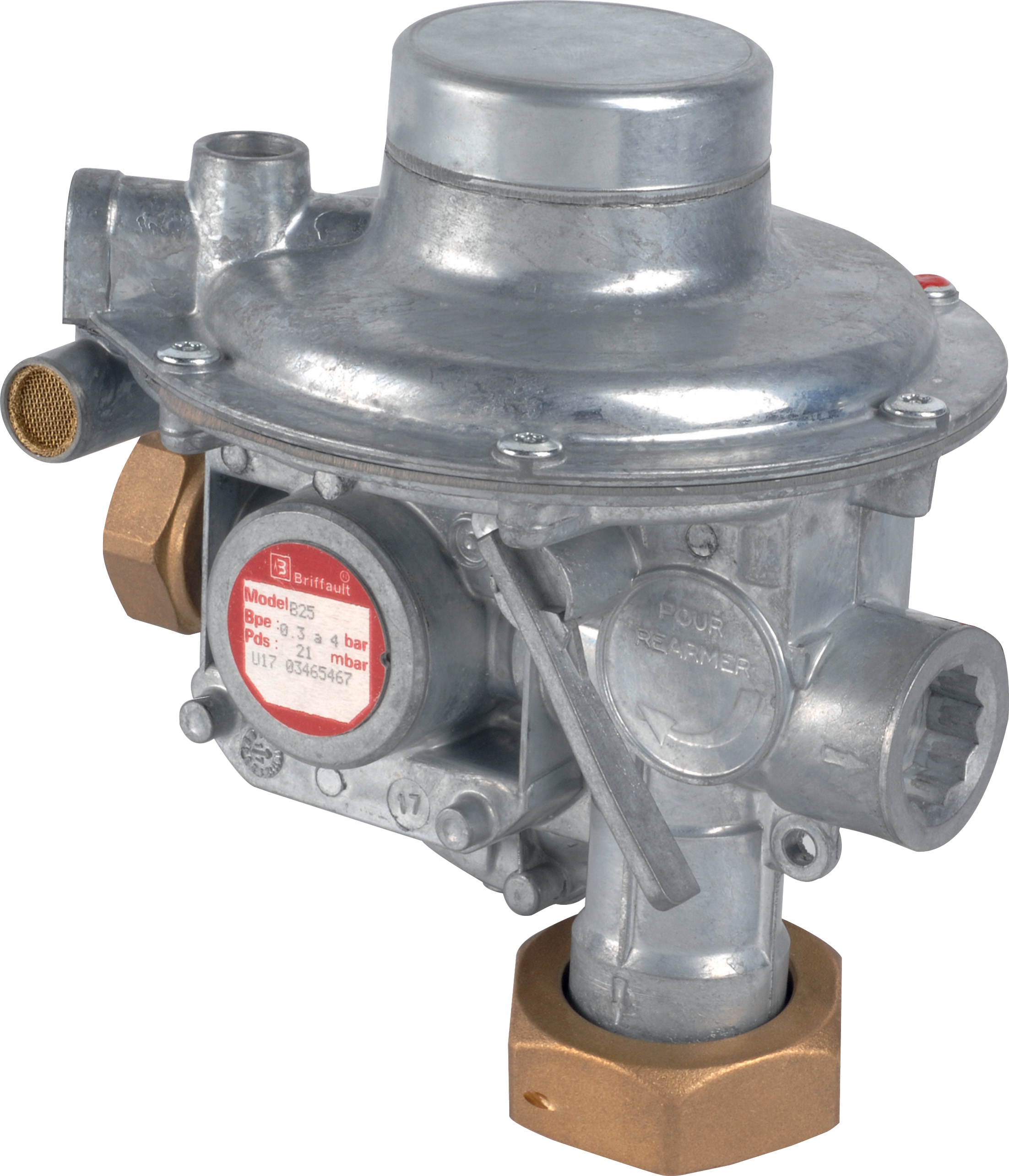
For industrial professionals in Singapore, Malaysia, and the broader Southeast Asian region, this challenge is magnified by ambient temperatures frequently exceeding 35°C, combined with process heat from adjacent equipment. A pressure regulator rated for 25°C reference conditions will behave differently at actual operating temperatures. The Francel B25/37mb pressure regulator with integrated safety relief addresses this through its robust design, delivering stable 37 mbar outlet pressure even as inlet conditions vary. With three decades of experience distributing industrial equipment since 1990, 3G Electric has seen countless installations fail due to inadequate thermal compensation in pressure regulation systems.
Outlet Pressure Stability and Safety Relief Integration
The relationship between outlet pressure setpoint and safety relief activation is the foundation of safe gas system operation. In a properly designed Gas Valves & Regulation system, the pressure regulator maintains outlet pressure below the safety relief setpoint, creating a safety margin. This margin must account for both normal pressure fluctuations and transient overpressure conditions.
The critical design parameter is deadband—the pressure differential between normal regulation setpoint and safety relief activation. A narrow deadband (2-3 mbar) provides tight control but risks nuisance relief valve lifting during transient conditions. A wider deadband (5-10 mbar) provides stability but may allow excessive outlet pressure during regulator failure scenarios. For laboratory and industrial gas distribution systems operating with 37 mbar outlet pressure requirements, the Francel B25/37mb integrates both regulation and safety functions with a 10 mm vent size, ensuring excess pressure safely vents without system shutdown.
In high-temperature applications, relief valve performance becomes more critical. Many relief valves exhibit temperature-dependent setpoint drift, particularly in the 50-80°C range common in Southeast Asian industrial facilities. When selecting safety relief components, verify manufacturer data confirming setpoint stability across your actual operating temperature range, not just laboratory conditions.
The integration approach matters significantly. Single-stage regulation (regulator controls pressure directly to final outlet) works well for low-pressure applications but lacks the precision needed for sensitive equipment. Two-stage regulation (coarse regulator followed by fine regulator) enables better outlet pressure stability and allows the safety relief to be sized appropriately for secondary stage failure scenarios. Understanding your application's sensitivity to pressure swings determines whether integrated or separate safety relief components serve your facility better.
Flow Rate Management and Valve Sizing for Variable Load Conditions
Gas Valves & Regulation must accommodate dramatic swings in gas consumption within industrial processes. A burner system might consume 50 m³/h during startup, 200 m³/h during full operation, and 10 m³/h during modulation. Each flow condition places different demands on the regulation system, and incorrect valve sizing creates operational problems ranging from sluggish response to complete flow starvation.
Flow capacity through a regulator depends on inlet pressure, outlet pressure differential, and valve seat design. The critical specification is flow rating at maximum expected differential pressure—typically specified as "Cv value" (flow coefficient in imperial units) or Kv value (metric equivalent). A regulator sized too small creates backpressure that prevents adequate flow; a regulator oversized creates poor regulation accuracy and sluggish response to load changes.
For Southeast Asian applications where process heat and ambient temperature create elevated inlet gas temperatures, thermal effects compound sizing challenges. Gas density decreases with temperature, so volumetric flow rates increase. A valve rated for 100 m³/h at 15°C processes only 85 m³/h of the same mass flow at 50°C. Professionals must distinguish between mass flow (actual gas molecules moving through the system) and volumetric flow (cubic meters per hour at reference conditions). Specification errors frequently occur when mixing these units.
Pressure regulator response time becomes critical in applications with rapidly varying loads. Diaphragm-operated regulators (most common type) respond slowly because the diaphragm requires finite travel distance to change outlet orifice position. Pilot-operated regulators respond faster by using a small pilot flow to actuate a larger main valve. For steady-state regulation where loads change gradually, standard diaphragm regulators suffice. For dynamic applications with fast load transients—such as rapid burner modulation or quick start/stop cycles—pilot-operated designs provide superior control.
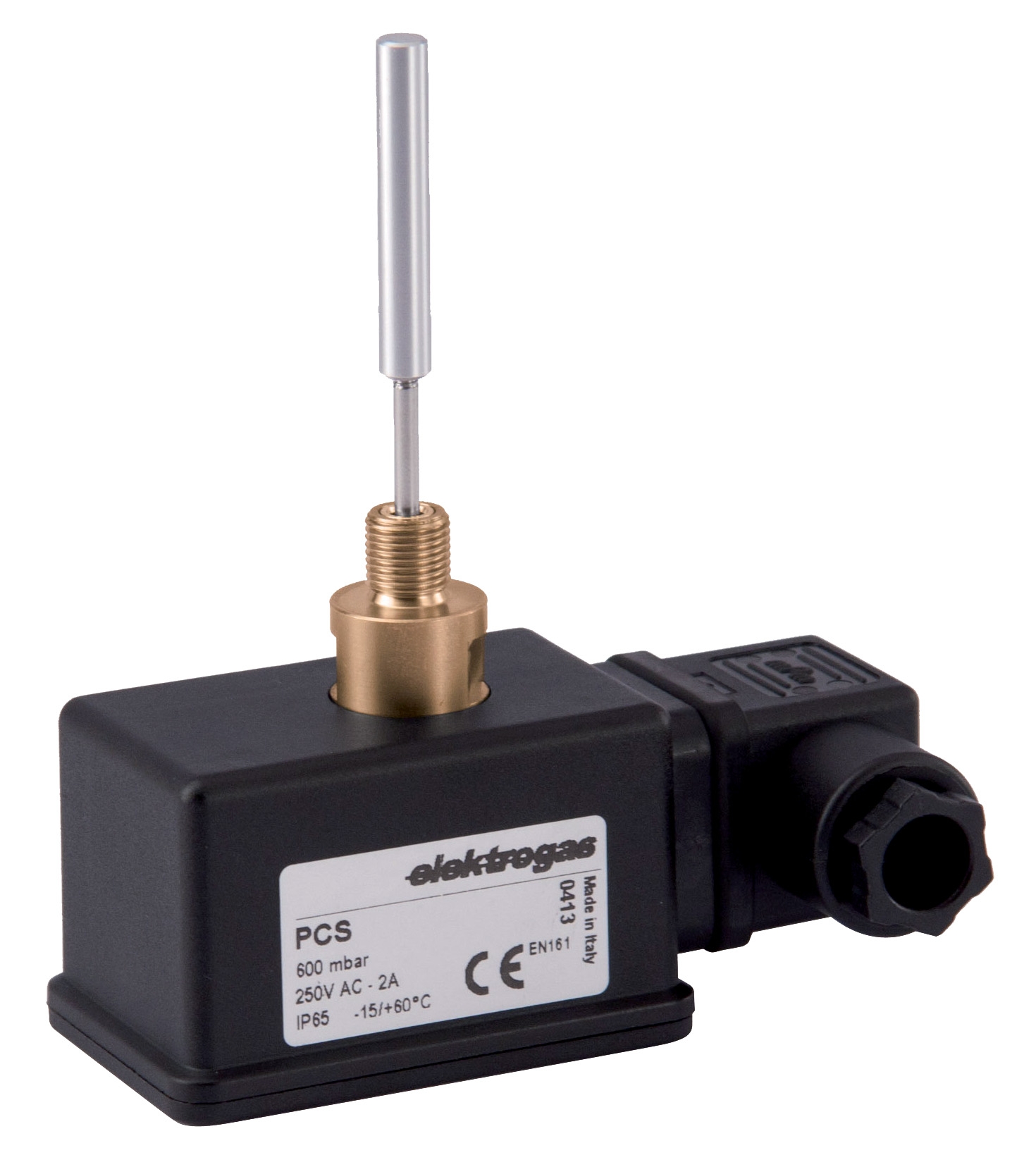
The Elektrogas VMM 20-25 end-of-stroke contact valve at 6 bar pressure serves different function: instead of continuous regulation, it provides on/off control with position indication. This design excels in pneumatic systems and safety-critical applications where discrete control points matter more than continuous pressure regulation. Understanding when to apply discrete control versus continuous regulation is fundamental to proper gas system design.
Installation, Commissioning, and Southeast Asian Environmental Considerations
Gas Valves & Regulation installation in tropical Southeast Asian climates requires particular attention to moisture, corrosion, and thermal cycling. Unlike temperate regions where conditions remain relatively stable, facilities from Thailand to Indonesia experience:
- Diurnal temperature swings: 15-25°C differences between day and night, creating thermal stress on metal components and seals
- Humidity extremes: 60-95% relative humidity promotes corrosion of unprotected metal surfaces
- Salt air exposure: Coastal facilities in Singapore, Malaysia, and Vietnam experience accelerated corrosion from salt-laden air
- Process heat proximity: Equipment positioned near furnaces, reactors, or thermal processes experiences sustained elevated temperatures
These environmental factors demand material selection attention rarely emphasized in temperate climate guidance. Standard carbon steel valve bodies corrode rapidly in humid environments; stainless steel or nickel-plated components significantly extend service life. Elastomer seals must resist both high temperature and humidity-induced degradation. Manufacturers often provide seals suitable for European conditions that fail within 12-18 months in Southeast Asian tropical environments.
Commissioning procedures must account for thermal stabilization. After installation, allow gas systems to reach stable operating temperature before final pressure adjustments. A regulator adjusted at 25°C ambient will be significantly overadjusted when the system reaches 45°C operating temperature. Best practice involves adjusting outlet pressure after the system has run for 30-60 minutes at normal operating conditions, not immediately after startup.
Vent line design deserves specific attention for Safety-integrated regulators like the Francel B25/37mb. The vent must direct excess gas safely away from operators and sensitive equipment. In high-humidity environments, water can accumulate in poorly designed vent lines, eventually blocking relief flow. Downward-facing vent ports with drain provisions prevent moisture trapping and ensure reliable safety relief function during humid seasons.
Pressure measurement during commissioning requires proper instrumentation. Standard glycerin-filled gauges suitable for temperate climates can give unreliable readings in Southeast Asian heat. Silicone fluid gauges maintain accuracy across wider temperature ranges and resist humidity-induced dial fogging. Electronic pressure transmitters provide superior accuracy and enable remote monitoring, increasingly valuable in facilities with distributed gas systems across multiple buildings.
For industrial professionals managing multi-site operations across Southeast Asia, standardization on compatible valve components dramatically reduces spare parts inventory and technician training requirements. Selecting regulators from manufacturers with established regional support networks—rather than cutting costs with unfamiliar brands—pays dividends through faster troubleshooting and availability of replacement components during failures.
System Testing and Validation in Southeast Asian Operating Conditions
After installation and initial commissioning, thorough testing ensures Gas Valves & Regulation systems perform safely across the full range of expected conditions. Many field failures occur not during normal operation, but during edge cases: startup sequences after extended shutdowns, rapid temperature swings, or emergency shutdown scenarios.
Regulation accuracy testing should verify outlet pressure stability across the expected flow range. Plot actual outlet pressure versus load (from minimum to maximum expected consumption). A well-regulated system maintains outlet pressure within ±5% across this range. Excessive pressure variation indicates undersized regulator, fouled inlet strainer, or regulator diaphragm wear.
Safety relief testing confirms relief activation at setpoint pressure plus a reasonable margin (typically 5-10% above regulation setpoint). In Southeast Asian climates, perform relief testing at both morning (cooler) and afternoon (hotter) conditions to verify temperature-independent operation. Relief valve setpoint drift with temperature indicates potential failure mode that could cause nuisance shutdowns during seasonal temperature variations.
Response time testing measures how quickly outlet pressure returns to setpoint after a sudden load increase. Connect a digital pressure gauge to outlet port and rapidly increase gas consumption (or simulate with manual valve opening). Quality regulators return to setpoint within 1-2 seconds; sluggish response (5+ seconds) suggests internal wear or improper sizing.
With 35 years of experience distributing industrial equipment, 3G Electric has supported countless Southeast Asian operations through equipment selection that succeeds in local operating conditions. Proper Gas Valves & Regulation design and validation in high-temperature, humid environments ensures safety, reliability, and cost-effective operation throughout the equipment lifecycle.