Understanding Gas Valves & Regulation in Modern Industrial Safety
Gas valves & regulation systems are the critical gatekeepers between energy supply and operational safety in industrial plants. For plant managers across Singapore and Southeast Asia, understanding how these components work together isn't optional—it's a regulatory and operational imperative.
Unlike general industrial valves, gas-specific regulations in Singapore fall under the Ministry of Manpower (MOM) guidelines, the Gas Safety Act, and industry standards like EN 161 and ISO 4401. These frameworks exist because gas valve failures don't just cause downtime; they create explosion hazards, toxic exposures, and personnel injuries. With over 35 years of experience distributing industrial equipment, 3G Electric has supported hundreds of plants in achieving compliant, safe gas regulation architectures.
This article takes you beyond basic pressure reduction into the integrated safety philosophy that separates high-performing plants from those facing compliance audits and operational crises.
The Four-Layer Safety Architecture in Gas Valve & Regulation Systems
Layer 1: Primary Pressure Regulation
Pressure regulation forms the foundation—but not all regulators are created equal. In Singapore's humid, corrosive tropical environment, regulator selection directly impacts reliability and safety lifespan.
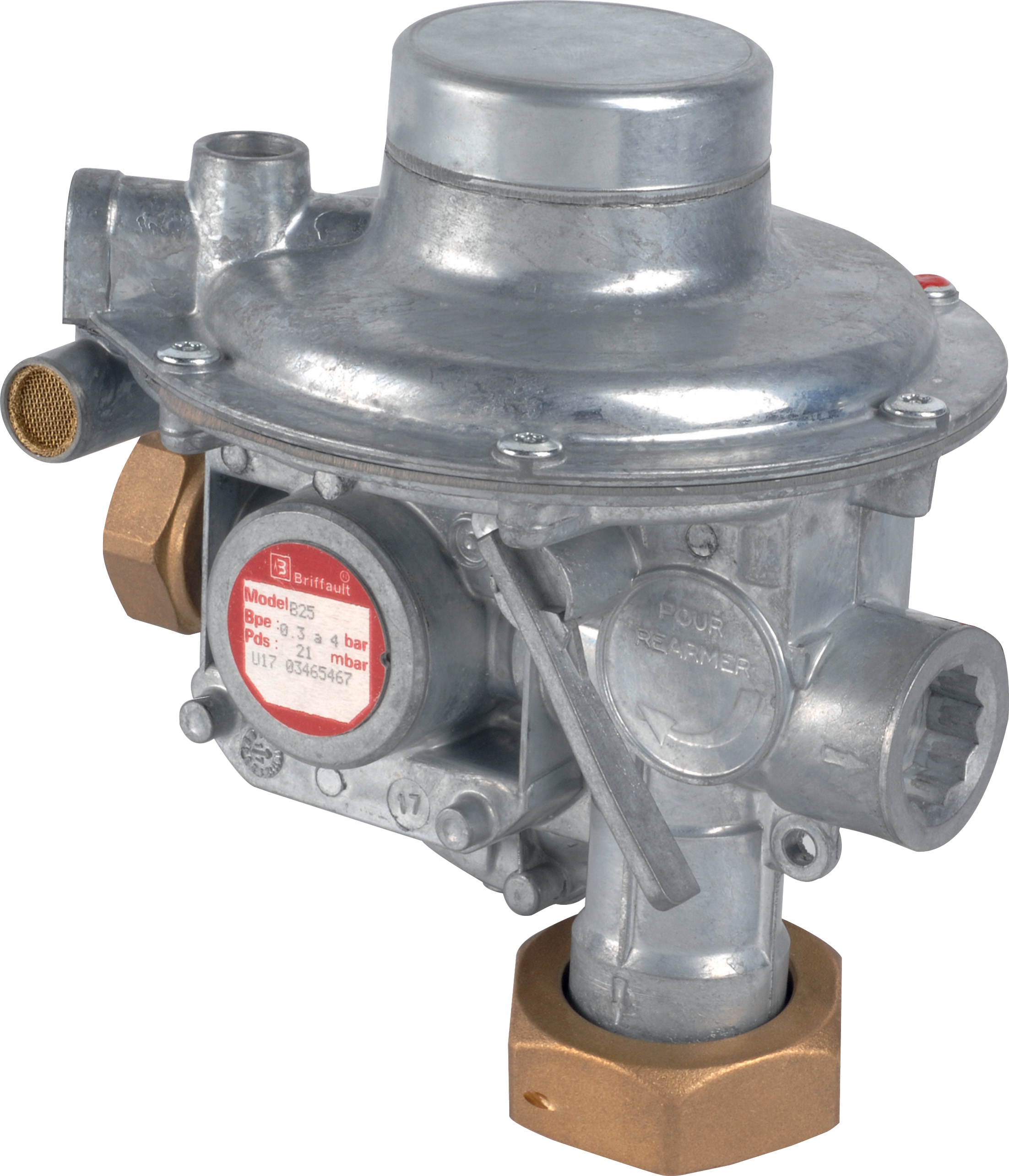
The Francel B25/37mb pressure regulator exemplifies modern industrial-grade regulation design. This unit integrates pressure reduction with built-in safety relief in a single compact body, delivering stable 37 mbar outlet pressure with a 10 mm vent. For plant managers, this integration matters because it eliminates external relief valve procurement, reduces potential leak points, and ensures coordinated safety response.
Key regulatory considerations for primary regulation:
- Outlet pressure stability: Regulators must maintain outlet pressure within ±5% across varying inlet pressures and flow rates. Drift beyond this tolerance triggers MOM safety audit flags.
- Relief set-point accuracy: Safety relief must activate within 110% of nominal operating pressure. Over-set relief valves mask dangerous upstream pressure spikes; under-set valves waste energy and create false safety alarms.
- Vent sizing and backpressure: A 10 mm vent appears small, but inadequate vent diameter causes relief valve chattering, pilot blockage, and unpredictable pressure control—common failure modes in tropical climates where humidity promotes particle generation.
Layer 2: End-of-Stroke Isolation and Control
End-of-stroke control represents the second safety barrier—a requirement for any gas system serving burners, furnaces, or process gas applications under EN 161.
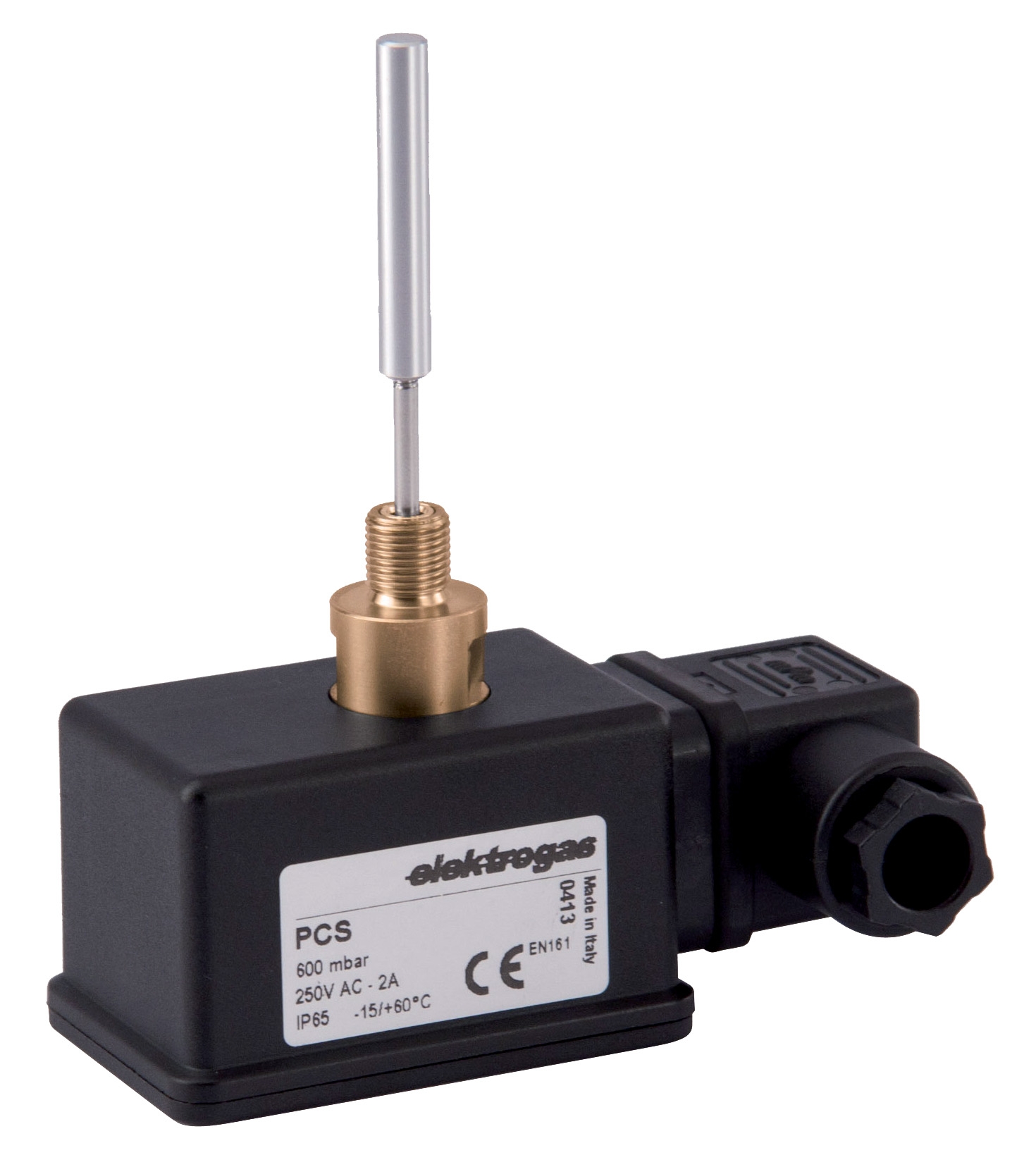
The Elektrogas VMM 20-25 end-of-stroke contact valve is engineered specifically for this role. Rated at 6 bar and designed to EN 161 standards, this valve automatically isolates gas supply when actuators reach their end position, preventing overpressure conditions that damage downstream equipment or rupture hoses.
Why this matters operationally:
- Predictable isolation timing: The VMM 20-25 activates at precise stroke completion—not at random points during actuation. This prevents partial isolation events that can leave hazardous pressure trapped in lines.
- Pilot-operated design: Unlike solenoid-only designs, the VMM series uses pilot pressure to assist valve opening, reducing energy consumption and mechanical stress.
- Field adjustability: A 3 mm Allen wrench allows site commissioning teams to fine-tune activation timing, critical for equipment-specific requirements in diverse plant configurations.
Layer 3: Hose Integrity and Pressure Containment
Regulation systems are only as safe as the hoses that distribute controlled gas. High-pressure hose failures are a leading cause of uncontrolled gas release incidents.
Pratissoli high-pressure hoses—distributed by 3G Electric in Singapore—represent Italian engineering excellence for critical applications. The Pratissoli ZT06B1000353 and Pilotflex 120 ZT03A0200152 series deliver complete assemblies with integrated fittings, eliminating field-assembled weak points.
Critical hose selection parameters:
- Pressure rating certification: Hoses must carry SAE 100R2 rating (minimum for gas applications) with stamped pressure ratings exceeding your system's relief set-point by 25%. This 4:1 safety factor is non-negotiable under Singapore MOM regulations.
- Temperature range compatibility: Gas valves operate across temperature extremes—LPG systems may see -30°C, while burner pilot lines reach 80°C. Hose material must maintain elasticity across the full operational envelope.
- Fitting certification: Crimpless fittings on Pratissoli assemblies eliminate reuse and field-connection failures, reducing incident probability from ~3% (field-assembled) to <0.1% (factory-crimped).
Layer 4: Monitoring, Documentation, and Predictive Intervention
The most overlooked layer—and the one separating proactive plants from reactive ones—is systematic monitoring and documentation. Regulatory compliance requires not just proper components, but evidence of maintenance and performance history.
For plant managers, this means:
- Commissioning documentation: Record regulator outlet pressure, relief set-point verification, and end-of-stroke timing at installation. Keep photographs of gauge readings.
- Quarterly pressure verification: Use certified pressure gauges (±2% accuracy) to verify outlet pressure hasn't drifted. A 2-3% drift suggests regulator wear; 5%+ drift requires immediate replacement.
- Annual hose pressure testing: Pressure test hoses to 1.5× system relief set-point, documenting results. This catches micro-tears and corrosion before catastrophic failure.
- Maintenance logs: MOM inspectors expect records showing what was inspected, when, by whom, and what actions were taken. Digital logs outperform paper trails in audits.
Regulatory Compliance Framework for Singapore Operations
MOM Gas Safety Act Requirements
Singapore's regulatory framework demands that any plant handling gas above atmospheric pressure maintain:
1. Pressure Equipment Safety (PES) Directive alignment: All regulators and relief valves must carry PES certification and CE markings verifying design compliance with pressure equipment standards.
2. Design verification documentation: Manufacturers must provide technical data sheets proving regulator and valve operating ranges, relief set-points, and flow capacity ratings.
3. Qualified personnel certification: Gas system maintenance must be performed by MOM-recognized gas fitters. This isn't just best practice—it's a legal requirement for systems over 1 MW thermal input.
EN 161 Standard for Gas Burner Control
If your plant operates gas burners (boilers, furnaces, process heaters), EN 161 governs safety valve and isolation requirements:
- Two-stage isolation: Gas supply requires isolation at both the main block and burner pilot stage. Single-valve systems don't meet EN 161.
- Flame supervision: Pressure regulation must coordinate with flame detection to prevent unburned gas accumulation—a precursor to explosions.
- Proving sequences: Before attempting ignition, the system must prove isolation valves are closed and pilot lines are clear of gas. This proving sequence is non-negotiable.
Practical Implementation: Five Critical Actions for Plant Managers
1. Audit Current Gas Regulation Architecture
Schedule a qualified gas engineer to map your system:
- Document all regulators, their model numbers, and outlet pressure settings
- Verify relief valve set-points against current system design pressure
- Test gauge accuracy on all monitoring points
- Photograph all connections and document hose assembly dates
This audit typically identifies 3-5 compliance gaps and 8-12 optimization opportunities.
2. Implement Integrated Safety Regulation Components
Where possible, migrate toward integrated designs like the Francel B25/37mb. Consolidated units reduce:
- Connection points (fewer leak sources)
- Component count (lower maintenance burden)
- Supply chain complexity
- Training scope for technicians
3. Establish Maintenance Cadence
Non-negotiable maintenance schedule:
- Monthly: Visual inspection for leaks, corrosion, or hose damage
- Quarterly: Pressure gauge verification and outlet pressure recording
- Annual: Full pressure test of hoses, relief valve bench testing, regulator flow capacity verification
- Triennial: Regulator replacement (standard service life in tropical environments)
4. Train and Certify Your Team
Ensure your maintenance personnel hold current MOM Gas Fitting Certification. Budget SGD 800-1,500 per technician for annual training. Untrained personnel creating "field repairs" is the single largest compliance violation 3G Electric encounters in Singapore plants.
5. Document Everything
Maintain a digital logbook (spreadsheet minimum, CMMS system ideal) recording:
- Component model numbers and serial numbers
- Installation dates and commissioning pressures
- Maintenance dates, findings, and actions taken
- Any anomalies or pressure drifts
- Personnel who performed work and their certification numbers
This documentation becomes gold in regulatory audits and is essential for insurance claims following any incident.
Real-World Compliance Example: Singapore Manufacturing Plant
A semiconductor fabrication facility in Jurong East operated gas regulation systems that hadn't been audited in 18 months. When MOM conducted a facility inspection, inspectors identified:
- Relief valve set-points not verified in 5 years
- Hose assemblies dated to 2010 (beyond typical 10-year service life)
- No documentation of maintenance activities
- End-of-stroke isolation valves missing on burner pilot lines (EN 161 non-compliance)
The facility faced potential operational shutdown. However, by implementing end-of-stroke valve retrofits (including Elektrogas VMM 20-25 units), upgrading to modern integrated regulators, and establishing quarterly verification protocols, the plant achieved compliance within 90 days.
Total investment: approximately SGD 45,000. Cost of continued non-compliance: facility closure + regulatory fines of SGD 500,000+.
Selecting the Right Gas Valve & Regulation Distributor
When procuring gas regulation components, partner with distributors who provide:
- Technical documentation: Complete datasheets with pressure curves, flow ratings, and certification details
- Installation support: Commissioning guidance and field troubleshooting
- Compliance expertise: Understanding of MOM requirements and EN 161 implications
- Inventory reliability: Genuine component sourcing with traceability
3G Electric's 35+ years distributing industrial equipment across Southeast Asia means we've supported plants through numerous regulatory transitions and compliance challenges. Our technical team can guide component selection, commissioning procedures, and long-term maintenance strategies specific to your facility.
Conclusion: Gas Valves & Regulation as Risk Management
Gas valves & regulation aren't just mechanical necessities—they're your plant's primary defense against explosions, gas releases, and personnel injury. Proper selection, installation, maintenance, and documentation transform them from regulatory checkbox items into genuine safety barriers.
The integrated safety architecture outlined here—combining pressure regulation, end-of-stroke control, hose integrity, and systematic monitoring—reflects decades of industrial best practice and regulatory evolution. Plants that embrace this comprehensive approach report fewer safety incidents, smoother compliance audits, and lower operational costs through extended component service life.
Your next step: Audit your current system against the four-layer architecture outlined here. Identify gaps. Prioritize high-risk areas. Partner with experienced distributors and qualified technicians. Document everything. The investment in proper gas valve & regulation design pays dividends in safety, compliance, and operational confidence.