Understanding Gas Valves & Regulation in Procurement Context
Gas Valves & Regulation components represent a significant portion of industrial system capital expenditure and ongoing maintenance budgets. As a procurement engineer, your selection decisions directly impact operational reliability, safety compliance, and lifetime costs. With 35+ years of experience as a global industrial equipment distributor, 3G Electric has supported procurement teams across Southeast Asia in making specification-aligned purchasing decisions that balance performance, cost, and regulatory compliance.
The challenge for procurement teams isn't simply identifying functional valves—it's selecting from competing technologies, understanding vendor support capabilities, and ensuring components integrate seamlessly with existing infrastructure. This guide compares practical procurement approaches and troubleshooting strategies to help you make informed specification decisions.
Comparing Regulator Types: Specification Alignment vs. Operational Cost
Direct-Acting vs. Pilot-Operated Regulators
Your first procurement decision involves regulator architecture. Direct-acting regulators offer simplicity and lower capital cost, but pilot-operated designs provide superior accuracy and lower downstream pressure variations—critical for precision applications.
Direct-Acting Regulators:
- Lowest initial cost (15-30% less than pilot-operated)
- Acceptable for non-critical pressure stability applications
- Minimal maintenance requirements
- Outlet pressure varies 5-15% with flow changes
- Best for laboratory gas distribution and low-flow processes
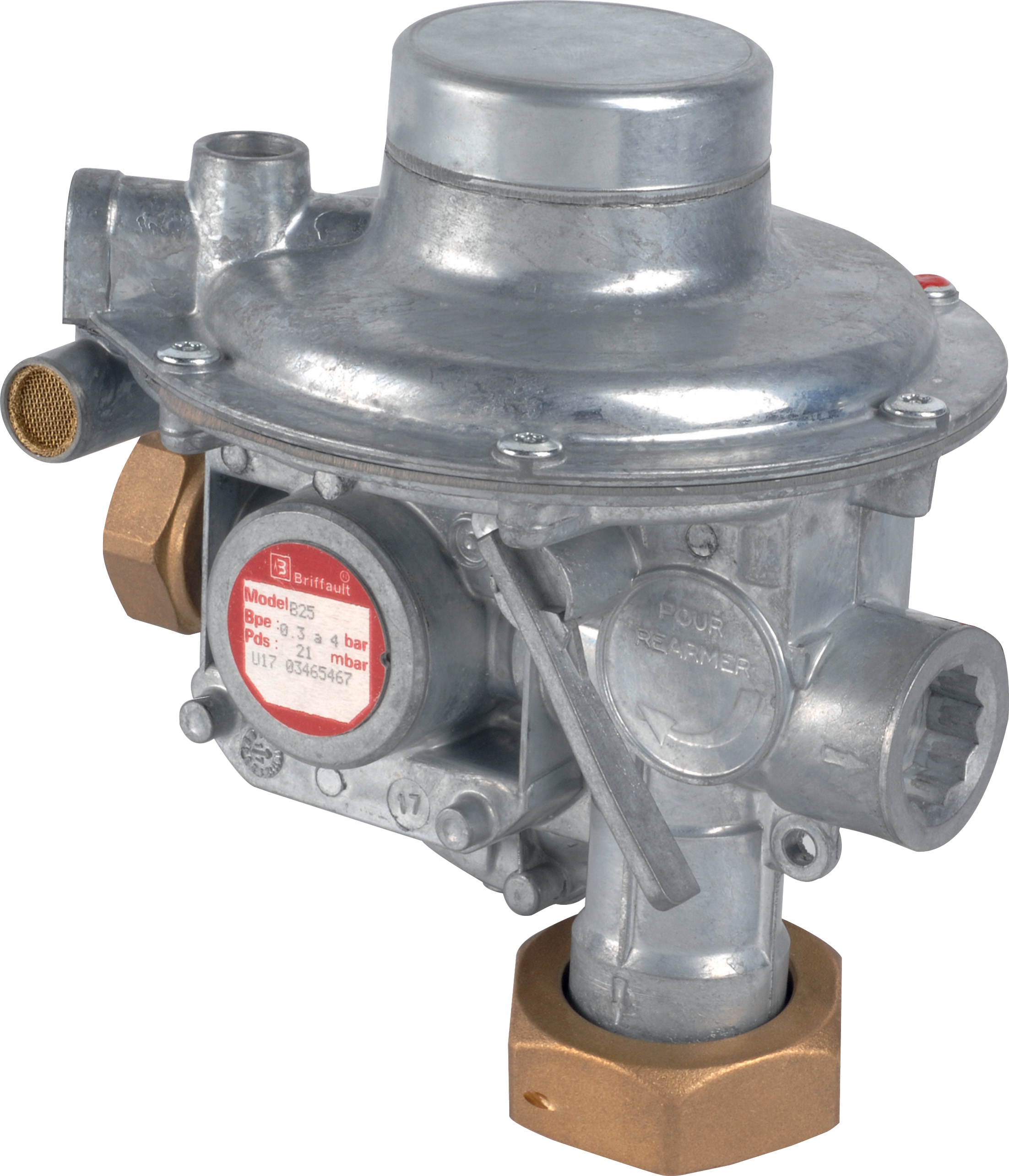
The Francel B25/37mb pressure regulator exemplifies this category. With integrated safety relief at 10 mm vent size and 37 mbar outlet pressure delivery, it's specified for laboratory and industrial gas distribution where cost efficiency and straightforward operation outweigh precision requirements.
Pilot-Operated Regulators:
- Higher capital investment (premium of 25-50%)
- Superior pressure stability (±2-3% outlet variance)
- Enhanced load handling across flow ranges
- Justifiable for critical processes (medical gas, semiconductor fabrication)
- Complex design increases spare parts inventory requirements
Procurement strategy: Pilot-operated regulators show ROI within 18-36 months when applied to processes requiring ±5 mbar stability or better. Request vendors to provide pressure stability curves across your actual flow operating windows—not just nameplate specifications.
Relief vs. Non-Relief Configurations
Integrated safety relief adds 12-18% to component cost but eliminates separate relief valve procurement and installation labor. For Singapore operations subject to PEC (Pressure Equipment Certification) compliance, integrated designs simplify documentation requirements.
Procurement Comparison:
- Integrated relief: Higher unit cost, lower system cost, simplified compliance
- Separate relief configuration: Lower component cost, requires additional piping, higher labor, potential compatibility issues
- Redundant relief (safety-critical): 40-60% cost premium justified for applications where pressure exceedance creates hazard
Request material certificates (EN 10204 3.1 or equivalent) and pressure test documentation for any relief-integrated regulator to validate compliance with Singapore's PEC requirements.
Pressure Control Failures: Root Cause Analysis and Vendor Accountability
Identifying Specification vs. Installation Failures
When pressure control issues emerge in the field, procurement teams must distinguish between component failure and specification misalignment—this determination affects warranty claims, replacement authorization, and future vendor relationships.
Pressure Creep (Slow Outlet Pressure Increase Over Time):
- Indicates internal diaphragm/seal degradation
- Typical timeline: 6-24 months depending on gas chemistry
- Vendor responsibility if pressure rise exceeds ±10% from nameplate
- Request maintenance records and gas analysis reports before initiating warranty claims
- Replacement component cost: 40-65% of original equipment purchase price
- Often indicates pilot supply gas contamination rather than regulator failure
- Requires upstream filter assessment (ISO 4406 cleanliness grade 18/16/13 minimum recommended)
- Vendor may deny warranty if upstream maintenance records absent
- Procurement action: Specify pilot supply filtration as mandatory installation requirement in purchase orders
- Suggests regulator undersized for actual flow demand
- Occurs when procurement selected based on nameplate flow without load profiling
- Not typically covered under warranty—classified as specification failure
- Prevention: Conduct actual flow measurements during design phase; request regulator sizing calculations from vendor
For pressure control troubleshooting, document:
- Inlet pressure (measure with independent gauge before and after installation)
- Outlet pressure under no-load and full-load conditions
- Gas type and estimated flow rate
- Ambient temperature and humidity
- Hours of operation and maintenance history
This information allows 3G Electric and other suppliers to differentiate between legitimate warranty claims and specification/installation issues.
Comparing Vendor Support Capabilities
Regulator performance depends partly on supplier responsiveness to field issues. When evaluating gas valve vendors, request:
Technical Documentation Package:
- Flow capacity curves at multiple inlet pressures
- Pressure stability graphs across operating range
- Temperature compensation data (±1°C effects)
- Compatible gas types with specific safety ratings
- Spare parts availability and lead times from Singapore distribution
- On-site troubleshooting assistance (phone/video) at no charge
- Recalibration services for regulators that drift—cost comparison (recalibration 30-50% of replacement)
- Field replacement protocols and downtime minimization
- Warranty interpretation clarity (get disputes in writing)
- Stock levels in Singapore or regional distribution centers
- Lead times for custom configurations (pressure settings, outlet sizes)
- Allocation policy during supply constraints
- End-of-life product roadmaps (critical for 10+ year asset planning)
3G Electric maintains 35+ years of distribution relationships enabling access to competitive product ranges and expedited regional delivery, important considerations for Singapore procurement teams managing multiple facility locations.
Pressure Relief and Safety Integration: Compliance-Driven Specifications
Relief Valve Sizing and Setting Verification
Safety relief valves require precise sizing during procurement—oversizing wastes capital and creates unnecessary system complexity; undersizing creates genuine hazard.
Relief Sizing Formula for Procurement Specs:
- Vent capacity (SCFM or m³/h) must equal or exceed maximum system supply flow rate
- Set pressure must not exceed regulator outlet pressure + 10% safety margin
- Vent line diameter influences backpressure; 10 mm minimum recommended for mbar-range applications
The Francel B25/37mb includes 10 mm vent sizing—appropriate for 37 mbar systems. Verify that your application's maximum flow rate doesn't exceed the vent capacity rating, typically documented in technical datasheets.
Setting Verification Protocol:
- Manufacturer's initial setting (factory calibration) holds ±5% tolerance
- Field verification requires ISO 17025 certified pressure gauge (±0.5% accuracy minimum)
- Reset procedures typically require 3 mm Allen wrench adjustment—document initial position before modification
- Recalibration interval: 12-24 months for critical safety applications
End-of-Stroke Contact Valves and Automation Integration
End-of-stroke contact valves provide electrical shutdown signals when pressure limits are exceeded—essential safety redundancy for automated systems.
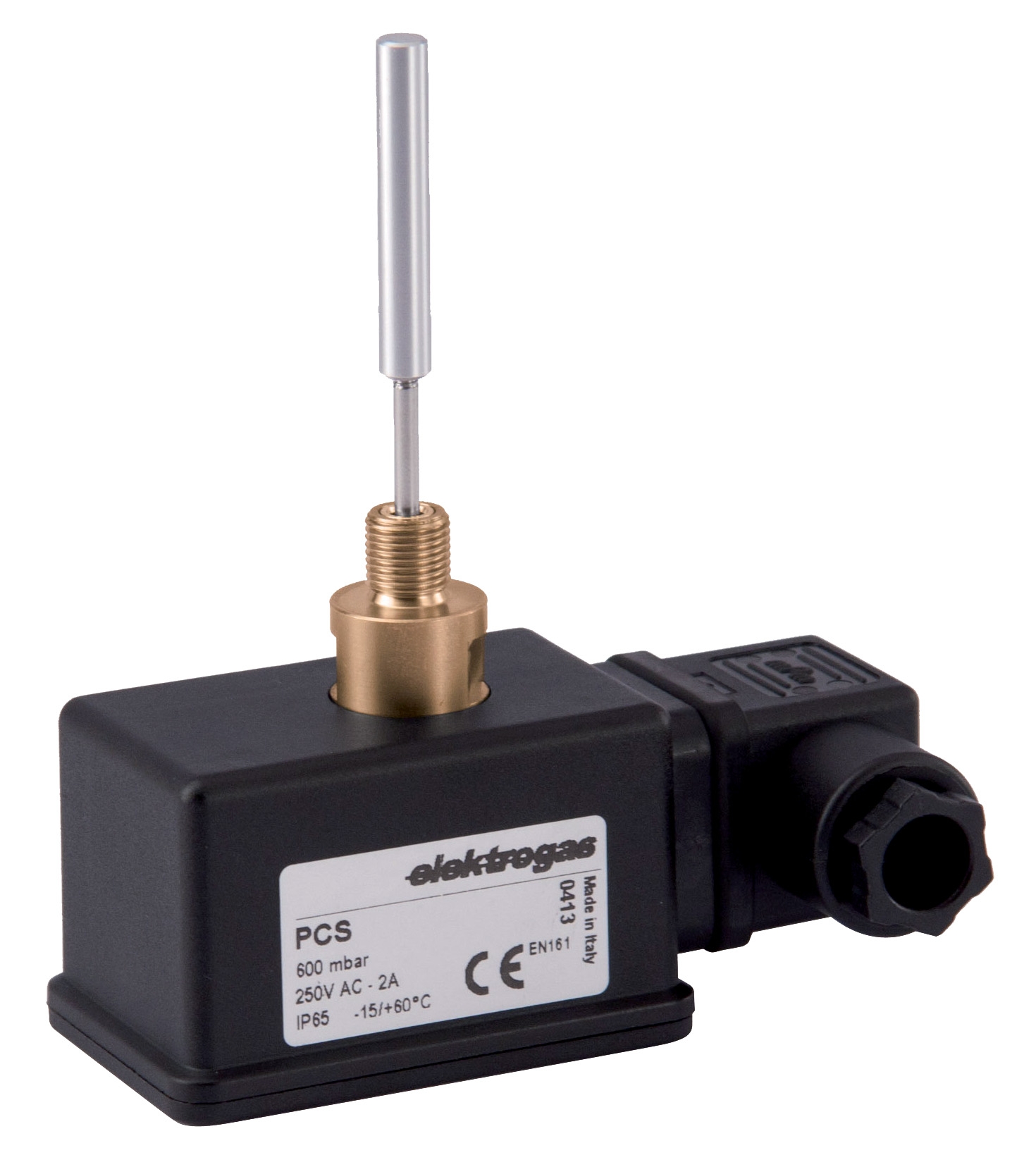
The Elektrogas VMM 20-25 end-of-stroke contact valve operates at 6 bar pressure rating (EN 161 standard compliance). These devices eliminate reliance on operator monitoring and provide positive shutdown confirmation for control systems.
Procurement Specification Points:
- Contact configuration (normally open vs. normally closed)—verify against control system requirements
- Electrical rating (voltage, current capacity) must match automation circuit specifications
- Response hysteresis (pressure window between valve opening and closing)—typical 0.5-1.5 bar
- Cycle life rating: quality components rated 100,000+ cycles; budget for replacement every 5-10 years depending on activation frequency
- Adjustment procedure: confirm technician skill requirements (3 mm Allen wrench is standard, but verify for your specific model)
- Dual redundancy recommended for safety-critical applications (two independent pressure sensors)
- Contact valve testing required: quarterly functional checks (energize circuit, confirm shutdown)
- Documentation: maintain calibration certificates and setting records for regulatory audits
Comparing Component Integration: System-Level Procurement Decisions
High-Pressure System Considerations
While most industrial gas regulation operates in low-pressure ranges (10-100 mbar), some applications require high-pressure components. Understanding pressure-dependent component selection is critical for procurement accuracy.
Low-Pressure Systems (Laboratory/Building Supply):
- Typical regulation: 20-50 mbar outlet pressure
- Suitable components: direct-acting regulators, simple relief, standard hose connections
- Material requirements: brass, stainless steel (no exotic alloys needed)
- Cost range: lower quartile for gas valve components
- Typical regulation: 1-6 bar outlet pressure
- Requires pilot-operated regulators for stability, pressure relief integration
- Higher material specifications (ductile iron, aluminum alloy bodies)
- Compatible contact valves: rated for operating pressure range
- Cost range: middle quartile, justified by performance requirements
- Typical operation: 150-250 bar
- Requires heavy-duty regulator designs, reinforced relief components
- Specialized hose assemblies with validated pressure ratings
- Material: forged steel, SAE flange connections
- Cost multiplier: 3-5x higher than comparable low-pressure components
For Singapore operations, procurement teams often encounter equipment mixing different pressure domains—for example, main distribution at 10 bar with laboratory subsystems at 37 mbar. This requires cascading regulation: primary regulator reduces inlet pressure, secondary regulator fine-tunes for laboratory requirements. Request vendor guidance on optimal regulator sequencing to minimize pressure drop and ensure system stability across all branches.
Hose and Connection Compatibility
Regulator performance depends on compatible downstream piping. Pressure rating mismatches create warranty disputes and safety issues.
High-pressure hose applications require validated component specifications. The Pratissoli ZT06B1000353 and related Pratissoli high-pressure hose assemblies (ZT03A0200152, ZT04A0100202) represent Italian-engineered solutions for demanding applications. When procuring hose assemblies with regulators:
- Verify hose pressure rating equals or exceeds regulator outlet capability (minimum 1.5x safety factor standard)
- Confirm connection thread types match regulator ports (NPT, BSPP, SAE flange—common inconsistencies)
- Request assembled test reports showing burst pressure and leak tests (EN 857 certification)
- Lead time planning: custom hose assemblies typically require 4-6 weeks for fabrication and testing
Procurement cost comparison: Pre-assembled and tested hose-regulator packages cost 5-15% more than individual components, but eliminate field assembly labor and pressure testing requirements—worthwhile for critical applications.
Practical Troubleshooting Workflow for Procurement Teams
When field issues occur, procurement's role shifts from specification to problem resolution. This structured approach minimizes downtime and clarifies vendor accountability:
Step 1: Field Assessment (Day 1)
- Collect pressure measurements (inlet, outlet, under load)
- Document pressure setting history (original specification vs. current measurements)
- Note gas type, flow estimates, and operating hours
- Photograph component labels and serial numbers
- Confirm purchased component matches installed component (serial numbers, pressure ratings)
- Review original purchase order specifications against actual application requirements
- Determine if field conditions match procurement assumptions (flow rate, inlet pressure, temperature range)
- Submit collected data to supplier with specific question: "Does this data indicate component failure or specification misalignment?"
- Request written assessment with reference to component datasheets
- Ask for troubleshooting steps before warranty claim processing
- Clarify warranty applicability based on assessment
- For confirmed component failure: arrange replacement with expedited shipping
- For specification issues: collaborate with operations and vendor on corrective modifications
- Document lessons learned for future procurement decisions
- Update internal specification standards based on actual field performance
With 35+ years of experience supporting industrial operations across Asia-Pacific, 3G Electric can accelerate this troubleshooting process through technical analysis and vendor liaison services, reducing resolution timeframes by 30-50% compared to direct operator-vendor communication.
Lifecycle Cost Analysis: Long-Term Procurement Strategy
Ultimate procurement decisions require comparing total cost of ownership over component lifespans, not initial purchase price.
Typical 10-Year Lifecycle Costs:
Economy Direct-Acting Regulator:
- Initial cost: SGD 120-150
- Maintenance (2 recalibrations, 1 seal kit): SGD 80-120
- Replacement cycle (expected lifespan 5-7 years): 1.5 units
- 10-year total cost: SGD 340-400
- Initial cost: SGD 280-350
- Maintenance (3 recalibrations, 2 seal kits): SGD 150-200
- Replacement cycle (expected lifespan 8-10 years): 1 unit
- 10-year total cost: SGD 630-750
The economy option appears cheaper, but if application requires ±5 mbar stability (preventing 15% product scrap in your downstream process), the pilot-operated unit delivers positive ROI through yield improvement. Request process-specific impact analysis from your operations team to justify specification decisions to finance stakeholders.
Conclusion
Gas Valves & Regulation troubleshooting for procurement engineers means understanding component specifications deeply enough to distinguish genuine failures from specification mismatches, comparing vendor support capabilities beyond product catalogs, and viewing purchasing decisions through a lifecycle cost lens rather than unit price only. Singapore's regulatory environment (PEC compliance, pressure equipment standards) adds compliance layers requiring vendor verification before purchase commitment.
Partner with experienced distributors like 3G Electric who maintain technical depth in regulator selection, vendor relationship management, and field troubleshooting support. Your procurement decisions directly impact operational safety, process yield, and maintenance budgets—making specification accuracy a core procurement competency worth developing.