Understanding Gas Valves & Regulation: Pressure vs. Flow Design Philosophy
When specifying Gas Valves & Regulation equipment for HVAC systems across Singapore, contractors often face a fundamental trade-off: should you prioritize pressure handling capability or optimise for flow delivery? This distinction shapes system responsiveness, safety margins, and long-term maintenance costs.
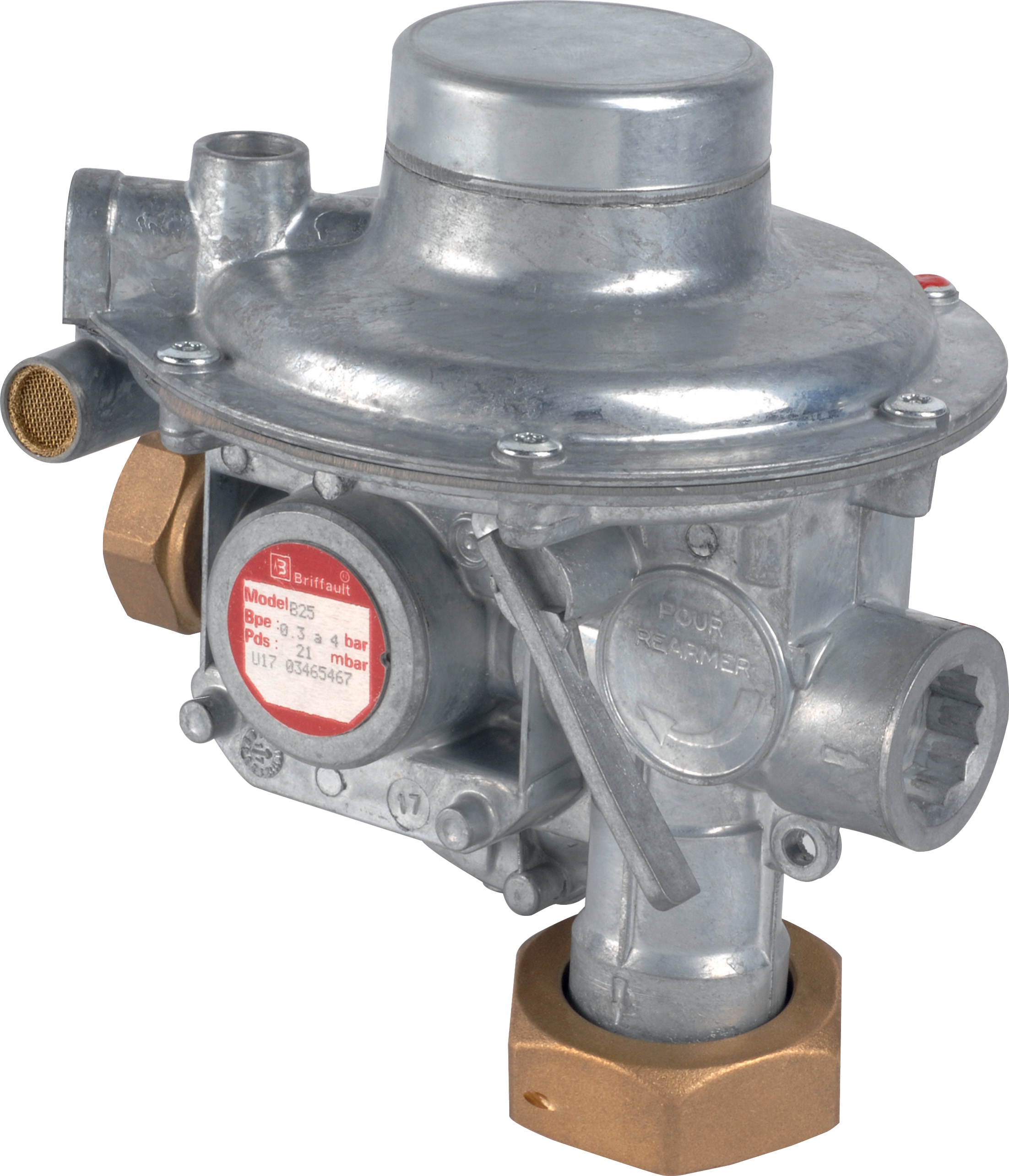
The pressure rating of a gas valve (measured in bar) indicates its structural integrity and safe operating ceiling. The flow capacity (measured in cubic meters per hour or similar units) determines how much gas volume the valve can deliver under normal operating conditions. A valve rated for 6 bar may excel at holding pressure stable in high-pressure laboratory or industrial applications, while a lower-pressure regulator (such as the Francel B25/37mb with integrated safety relief) is optimised for medium-pressure distribution systems requiring precise 37 mbar outlet control.
With over 35 years as an industrial equipment distributor, 3G Electric has observed that Singapore's HVAC contractors frequently underestimate the importance of this distinction during specification phases. Oversizing pressure capacity often means you're paying for structural redundancy you'll never use, while undersizing flow capacity leads to customer complaints about heating response times or uneven burner ignition.
Pressure-Rated Valves: When High Bar Ratings Make Economic Sense
Valves like the Elektrogas VMM 20-25 end-of-stroke contact gas valve, rated for 6 bar represent a pressure-first design philosophy. These are engineered to EN 161 standards and deliver robust pressure holding even in fluctuating supply conditions. The 6 bar rating provides a safety margin of 2–3 times the typical inlet pressure found in Singapore industrial zones, protecting downstream components and ensuring stable combustion even when municipal gas supply pressures spike.
When pressure ratings matter most:
- Industrial-grade HVAC systems in manufacturing plants, hospitals, or large commercial buildings where supply pressure may vary 20–30% throughout the day
- Multi-stage burner applications requiring pilot-stage isolation from main-stage fuel, where pressure stability directly influences ignition timing
- Systems with long distribution runs (50+ meters of copper or steel tubing) where pressure drop across fittings and regulators compounds upstream
- Seasonal demand swings in Singapore's hospitality or food-service sector, where simultaneous high-load demands can stress supply networks
The Elektrogas VMM 20-25's simple 3 mm Allen wrench adjustment mechanism appeals to field technicians in Singapore who prefer minimal setup complexity. A 6 bar rated valve maintains consistent pilot pressure even when main burner demand surges—critical for preventing flame rollback or delayed ignition in dual-stage systems.
However, the cost premium for a 6 bar valve over a 2.5 bar alternative is typically 15–25% in the Singapore market. Contractors must justify this expense by documenting actual pressure variation data at the installation site. If supply pressure remains stable within ±0.5 bar (common in residential and small commercial settings), a lower-pressure regulator delivers the same safety outcome at lower cost.
Flow-Optimised Regulators: Design for Responsive Delivery
Pressure regulation is only half the equation. A regulator must also allow sufficient flow under peak demand without introducing excessive backpressure. The Francel B25/37mb pressure regulator exemplifies this balance: it's designed to deliver 37 mbar outlet pressure while maintaining a 10 mm vent size that manages relief flow without choking off normal delivery.
When a HVAC burner ignites, fuel demand spikes instantly. A restrictive regulator struggles to replenish pressure, causing a brief dip that weakens the pilot flame or delays main-stage ignition. This manifests in the field as slow system warm-up, visible to customers and sometimes triggering false safety shutdowns.
Flow-optimised regulators excel in:
- Residential and light commercial HVAC where burners cycle frequently and demand rapid pressure recovery
- Systems with multiple burners or heat exchangers sharing a single regulator, where simultaneous ignition requires high instantaneous flow
- Retrofit applications where existing piping layouts limit regulator installation location—choosing a high-flow design compensates for pressure drop in less-than-ideal runs
- Modulating burner systems that continuously adjust gas flow based on demand, requiring smooth regulator response without hunting (oscillation between high and low)
The Francel B25/37mb's integrated safety relief feature (built into the regulator body) reduces component count, simplifying installation and diagnostics. If outlet pressure exceeds 37 mbar due to a downstream blockage, the relief vents excess gas safely without requiring a separate overflow line to the vent stack.
Practical Sizing Methodology for Singapore HVAC Contractors
A professional specification process requires three data points: maximum demand flow, expected inlet pressure range, and outlet pressure requirement.
Step 1: Calculate peak flow demand
Gather the gas valve specifications from all burners your system will operate simultaneously. For a 50 kW commercial rooftop unit with a main burner and pilot, typical demand is 5–7 m³/h at full fire. Add 20% for regulator recovery margin during rapid reignition events. This gives you a minimum flow capacity target.
Step 2: Map your supply pressure range
Contact the local gas utility (PUB or private supplier) and request documentation of supply pressure variation across your district. In Singapore, most residential/commercial zones maintain 20–25 mbar, but industrial zones may see 30–35 mbar. Identify both minimum (overnight, low-demand period) and maximum (peak-use afternoon) pressures. A valve rated for 6 bar handles this range safely; a 2.5 bar valve reaches its limit if supply ever exceeds 2.3 bar.
Step 3: Select outlet pressure matching your burner
Modern HVAC burners typically require 10–20 mbar for pilot ignition and 18–25 mbar for main burner operation. The Francel B25/37mb's 37 mbar output suits larger commercial systems or cascaded distribution (feeding multiple downstream regulators). For single-family residential, a 10–15 mbar outlet is typical.
Once you've established these parameters, compare candidate valves on three metrics:
1. Pressure rating: Must exceed your maximum supply pressure plus 50% safety margin
2. Flow capacity: Must exceed your peak demand by 25%
3. Outlet pressure range: Should cover your burner requirement with at least 3 mbar adjustment headroom
3G Electric's distributor relationships across Southeast Asia have given us insight into real-world failure modes. The most common issue isn't sudden rupture (that's extremely rare with modern valves) but rather chronic underperformance: regulators selected for pressure rating alone, without adequate flow capacity, cause delayed ignition and customer service callbacks. Conversely, oversized flow-focused regulators can destabilize pressure in systems with short piping runs.
Maintenance and Longevity Considerations in Singapore's Climate
Singapore's humid tropical environment accelerates corrosion in brass and steel components. The choice between a high-pressure, heavily built regulator versus a lighter-duty, flow-optimised design has maintenance implications.
Pressure-rated valves like the Elektrogas VMM 20-25 feature robust internal sealing and thicker valve bodies, which resist corrosion longer. They're preferred for outdoor installations or areas with salt spray exposure. Plan for pressure testing every 24 months in corrosive environments.
Flow-optimised designs like the Francel B25/37mb, with integrated relief, eliminate external vent line routing—reducing exposure points where moisture and dust infiltrate. The 10 mm vent should be fitted with a stainless-steel mesh screen to prevent insect nesting, a practical consideration in Singapore's humid climate where cockroaches and wasps frequently block vent openings.
Regardless of valve type, establish a maintenance schedule:
- Annual: Visual inspection for corrosion, leak testing with soapy water around adjustment screw and relief outlet
- Every 2 years: Pressure gauge recalibration (if equipped) and outlet pressure verification with a calibrated manometer
- Every 4 years: Full valve disassembly and cleaning if located in dusty industrial areas; replacement of external seals and gaskets
Keep spare Francel B25/37mb units and Elektrogas VMM 20-25 valves in stock if you service more than 20 HVAC systems. Field replacement during emergency calls reduces downtime and builds customer loyalty—a significant advantage in Singapore's competitive HVAC market.
Specifying for Total System Reliability
The right Gas Valves & Regulation choice depends less on brand prestige and more on matching design philosophy to your specific application. Pressure-rated valves prioritise stability and safety margin; flow-optimised regulators prioritise responsiveness and simplicity.
For most Singapore HVAC contractors, a hybrid approach works best: specify a 6 bar pressure-rated control valve (like the Elektrogas VMM 20-25) for the primary supply isolation and pressure stabilization, then pair it with a flow-optimised outlet regulator (like the Francel B25/37mb) immediately upstream of the burner. This two-stage approach gives you both robust pressure holding and responsive delivery—the best of both design philosophies.
3G Electric can assist with system layout reviews and valve selection worksheets. Our 35+ years as a distributor means we've seen these systems deployed across Singapore's residential, commercial, and industrial sectors. Contact our technical team with your burner specifications and supply pressure data, and we'll recommend configurations proven reliable in your local climate and utility conditions.