Understanding Gas Valves & Regulation: Manual vs. Automated Systems
When evaluating Gas Valves & Regulation systems for your facility, you're essentially choosing between two fundamentally different operational philosophies: manual control and automated regulation. Both approaches have legitimate applications depending on your production volume, safety requirements, and operational staffing levels.
With over 35 years of experience as an industrial equipment distributor, 3G Electric has guided hundreds of plant managers through this decision. The choice isn't simply about modern versus traditional—it's about matching the control system to your actual operational needs, budget constraints, and long-term facility strategy.
Manual Gas Valve Regulation: Control, Cost-Effectiveness, and Operator Dependency
How Manual Systems Operate
Manual gas valve regulation relies on plant operators to physically adjust pressure regulators and monitor flow rates throughout the shift. Operators use pressure gauges, flow meters, and their experience to maintain optimal combustion or process conditions. This approach has served industrial facilities for decades and remains the standard in many applications.
Key characteristics of manual systems:
- Operators adjust hand-wheel valves to increase or decrease gas flow
- Pressure readings are monitored via analog or digital gauges
- Response to changing conditions depends on operator attention and skill
- Initial equipment investment is significantly lower than automated alternatives
- System complexity is minimal—fewer failure points means easier troubleshooting
Advantages for Your Operation
Cost efficiency stands as the primary advantage. Manual regulation systems require fewer electronic components, control units, and sensors. Your capital expenditure remains substantially lower, which matters when budgets are tight or when you operate multiple gas-dependent processes across several production lines.
Simplicity and reliability follow closely. With fewer electronic components and no complex control logic, manual systems experience fewer unexpected failures. Your maintenance team can diagnose issues quickly without specialized software or programmers. If a valve fails, replacement is straightforward—no need to recalibrate sophisticated controllers or reprogram setpoints.
Operator independence and flexibility provide another advantage. Skilled operators can make real-time adjustments based on subtle cues—slight changes in flame color, production quality variations, or ambient temperature shifts. They can respond faster to emergency situations and make judgment calls that automated systems cannot.
Practical Limitations
However, manual systems introduce significant operational risks. Operator consistency varies throughout shifts and across personnel changes. One operator might maintain perfect combustion efficiency while their replacement maintains less optimal conditions—resulting in wasted fuel and inconsistent product quality.
24-hour monitoring challenges become apparent in continuous-operation facilities. Operators need breaks, shift changes create transition risks, and night shifts often run with minimal staffing. During these periods, gas flow and pressure may drift without immediate corrective action.
Precision and repeatability suffer in manual systems. For processes requiring consistent fuel-air ratios (such as precision heating, kiln operations, or burner systems), manual adjustment simply cannot match the consistency of automated control. Batch-to-batch variation increases, quality control becomes more difficult, and waste increases.
Automated Gas Valve & Regulation Systems: Precision, Consistency, and Higher Investment
How Automated Systems Function
Automated regulation uses electronic controllers, solenoid valves, pressure transmitters, and feedback loops to maintain precise gas flow and pressure automatically. The system reads actual conditions continuously and adjusts valve positions to match programmed setpoints—without operator intervention.
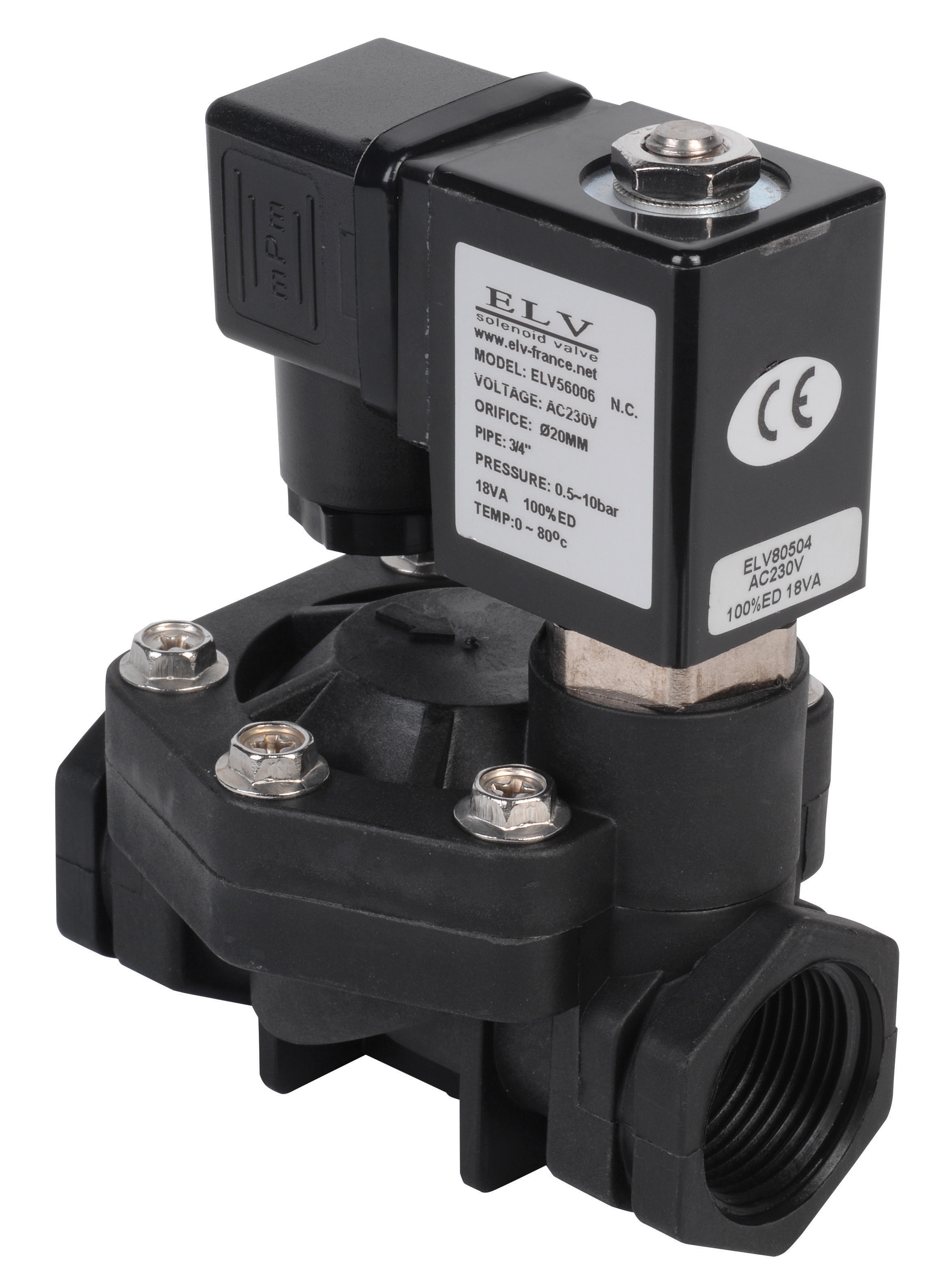
Products like the ELV Plastic Solenoid Valve D.3/4" NF 230V provide the electromagnetic control foundation that automated systems depend on. These valves respond to electrical signals from controllers, enabling continuous regulation without manual operation.
Key characteristics of automated systems:
- Electronic controllers read pressure and flow sensors continuously
- Solenoid or proportional valves respond automatically to maintain setpoints
- Adjustment happens in seconds or milliseconds—far faster than manual operation
- System logs data for compliance, quality assurance, and performance analysis
- Initial cost is higher due to control components, sensors, and installation complexity
Advantages for Your Operation
Precision and repeatability represent the foremost advantage. Your combustion conditions remain identical hour-to-hour and shift-to-shift, producing consistent product quality and optimal fuel efficiency. For industries like glass manufacturing, metal heat-treating, or pharmaceutical production, this consistency directly impacts profitability.
Safety improvements come naturally with automation. The system detects abnormal pressure conditions and triggers safety shutdowns before dangerous situations develop. Unlike humans who experience fatigue and distraction, automated systems monitor continuously with zero degradation in vigilance.
Reduced operating costs emerge over time despite higher initial investment. Consistent optimal fuel-air ratios reduce fuel consumption. Fewer quality defects reduce scrap rates. Equipment operates at designed conditions, extending service life. For high-volume operations, these savings justify the higher capital expenditure within 2-3 years.
Compliance and documentation simplify significantly. Automated systems maintain detailed logs of all operating parameters. For facilities requiring environmental permits, energy audits, or quality certifications, this data provides irrefutable proof of compliant operation. Manual systems require operator note-taking—inherently unreliable and often incomplete.
Investment Considerations and Complexity
Automated systems demand higher initial capital investment—often 3-5 times the cost of manual equivalents. Installation requires technical expertise: proper sensor placement, controller programming, calibration, and integration with your existing safety systems.
Maintenance expertise becomes more specialized. Your team needs technicians who understand PLC programming, sensor troubleshooting, and electrical systems. When the automated system experiences problems during critical production periods, repairs may require specialized service visits.
System complexity introduces more potential failure points. A pressure sensor failure, controller malfunction, or solenoid coil burn-out removes your entire regulation capability. While individual components are reliable, the integrated system creates dependencies that manual systems don't have.
Comparative Decision Framework for Singapore Plant Managers
When Manual Regulation Makes Business Sense
Choose manual systems if your facility characteristics match these criteria:
Low-volume or batch operations where gas flow adjusts infrequently. If you adjust burner settings once per shift or less, automation's continuous monitoring provides minimal value.
High operator skill availability—you have experienced, stable staff with strong attention to detail and process knowledge. In this scenario, skilled manual operation delivers excellent results.
Tight capital budgets with limited investment capacity for new equipment. Manual upgrades cost significantly less than complete automation retrofits.
Intermittent or seasonal operations where continuous automation doesn't justify the standby costs and calibration maintenance.
Simple, non-critical processes where minor variations in pressure or flow don't significantly impact product quality or safety margins.
When Automated Regulation Justifies the Investment
Choose automated systems when:
Continuous operations run 16-24 hours daily with multiple shift staffing. Automation eliminates shift-transition risks and maintains consistency during night shifts with minimal staffing.
Precision requirements are critical—pharmaceutical processes, precision heating, kiln operations, or any application where ±2% pressure variation causes quality issues or excess waste.
High-volume production makes fuel efficiency improvements and scrap reduction highly valuable. For facilities consuming thousands of cubic meters of gas monthly, even 5% efficiency gains generate substantial savings.
Compliance mandates require detailed operational documentation. Environmental permits, energy audits, and safety certifications demand comprehensive data logging that only automated systems reliably provide.
Scaling ambitions mean you plan significant production increases. Automated systems accommodate volume growth without expanding staffing, supporting margins as throughput increases.
Hybrid Approaches: Combining Manual and Automated Capabilities
Many sophisticated facilities operate hybrid systems that leverage both approaches. Primary regulation might be automated—maintaining consistent base conditions—while secondary manual adjustment allows operator fine-tuning for specific batch requirements.
For example, a heating facility might use an automated system to maintain 4.0 bar pressure during standard operation, but allow operators to increase pressure to 4.2 bar for rush-order batches requiring faster heat-up times. This hybrid model captures automation's consistency benefits while preserving operator flexibility for special situations.
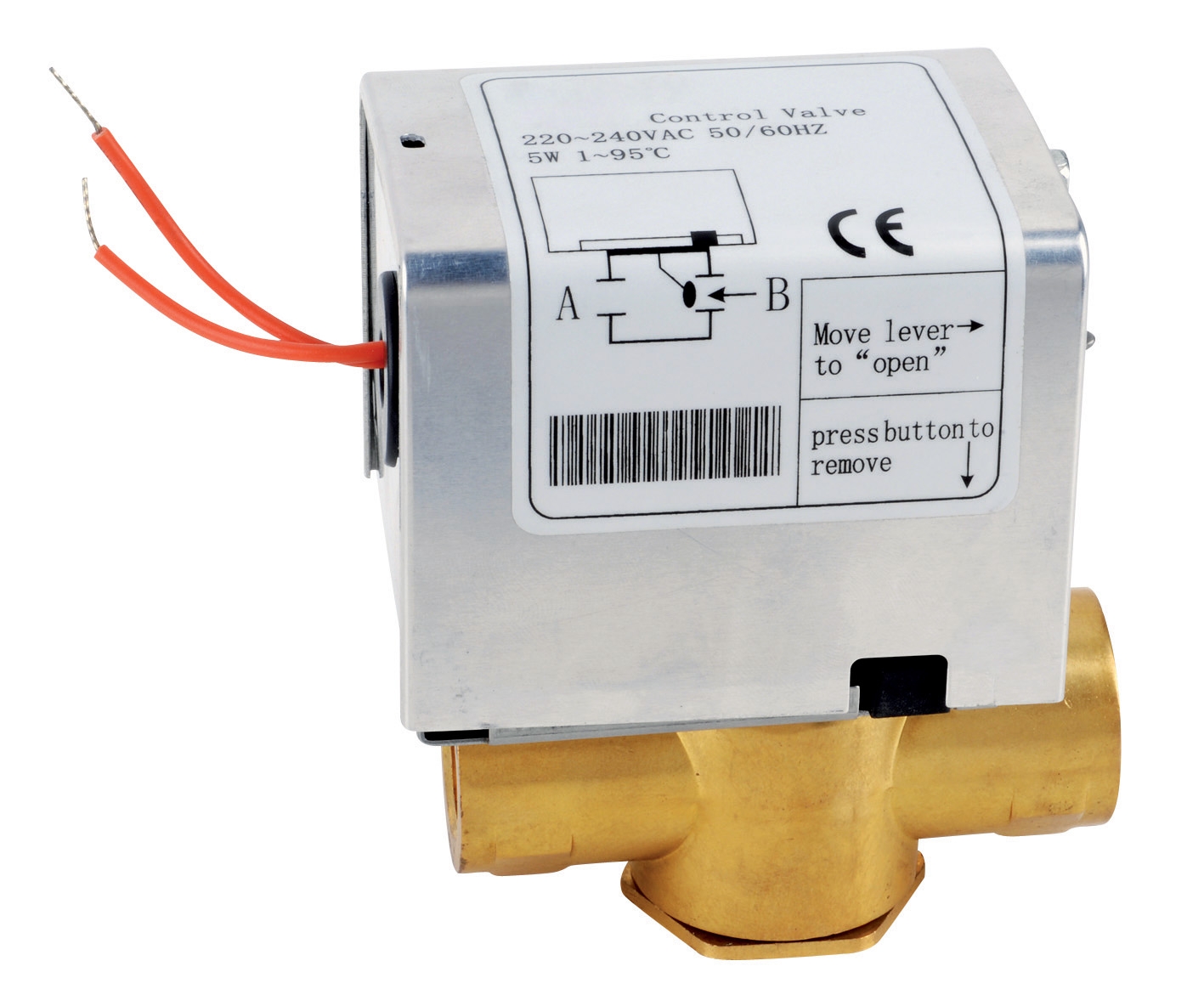
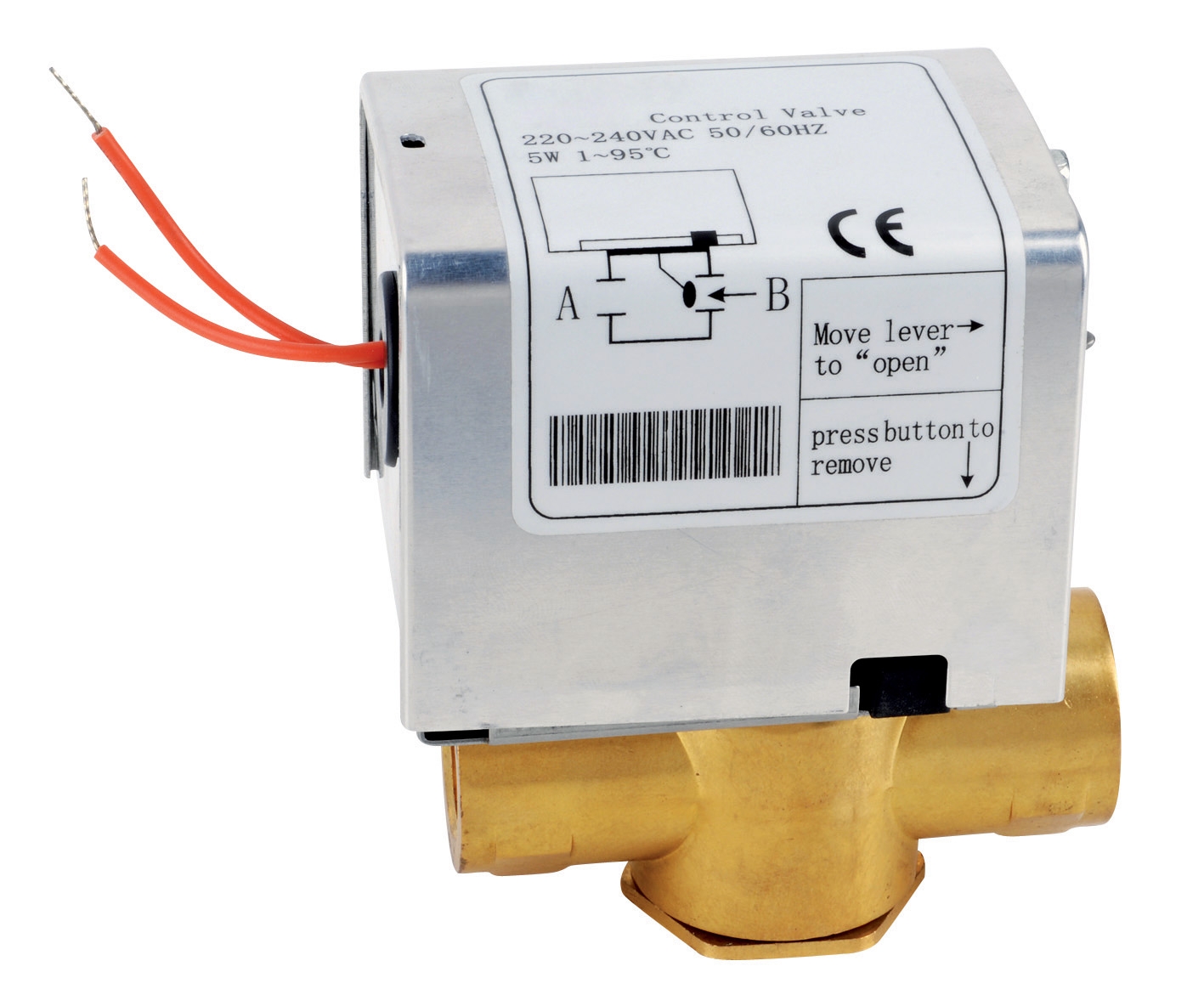
Products like the ELV 2-way Zone Valve 1" with Auxiliary Contact support this hybrid approach—the auxiliary contact feeds status information to your main control system, allowing both automated operation and manual override capability.
Implementation Recommendations for Singapore Operations
Evaluating Your Current System
Before upgrading, honestly assess your current operation's pain points. Are quality variations due to inconsistent regulation, or do they stem from feedstock variability? Is fuel consumption higher than benchmark facilities due to poor pressure control, or is it simply from older, less efficient burners? Identify which problems automation actually solves—not all facility issues trace back to gas valve regulation.
Phased Implementation Strategy
For large facilities, consider upgrading one production line or zone at a time. This approach allows your maintenance team to gain experience with automated systems before rolling out across the entire facility. It also provides a control group for comparing manual versus automated performance using real data from your actual operation.
With 3G Electric's experience across 35+ years of industrial equipment distribution, we recommend starting with your highest-impact process—the one where precision or consistency problems cost you the most money. Prove the value in that application before expanding across other systems.
Selection Criteria for Automated Components
When specifying automated systems, prioritize reliability and simplicity. The most sophisticated control logic is useless if components fail frequently. Select solenoid valves rated for your specific media (compressed air, natural gas, LP gas) with proven failure rates in your industry.
The ELV Plastic Solenoid Valve D.3/4" NF 230V handles compressed air, water, and light oils across 0.5-10 bar range—widely applicable across different process types. Its 22 VA draw integrates easily with standard control circuits, simplifying installation.
Demand clear documentation of response times. If your controller expects 500ms response from your solenoid valve, but the valve delivers 2-second response, your control loop becomes unstable. This technical detail—often overlooked—determines whether automation actually improves your results or creates new problems.
Conclusion: Matching Regulation Approach to Your Strategic Direction
The choice between manual and automated Gas Valves & Regulation isn't simply about technology adoption—it's a strategic decision that affects daily operations, product quality, compliance posture, and long-term profitability. Neither approach is universally superior; the better choice depends on your specific facility characteristics, production requirements, and strategic direction.
Manual systems continue delivering excellent value in intermittent operations with skilled operators and limited automation justification. Automated systems prove essential for continuous high-volume production where consistency and efficiency directly impact bottom-line profitability.
As you evaluate options for your Singapore facility, involve your operations, maintenance, and quality teams in the analysis. They understand the real-world constraints and opportunities in your operation better than any outside resource. Their input ensures your chosen approach actually solves your actual problems rather than solving theoretical problems that don't apply to your situation.
When you're ready to specify components or evaluate specific products for your chosen approach, 3G Electric's team brings practical experience from hundreds of facilities across Southeast Asia. We understand both the technical requirements and the business constraints that plant managers navigate.