Understanding Gas Valve Failure Modes and Early Warning Signs
Maintenance teams operating industrial gas systems must recognize that valves don't fail suddenly—they degrade progressively. Over 35 years of industrial equipment distribution, 3G Electric has supported thousands of plants across Southeast Asia, and the data is clear: most catastrophic failures are preceded by detectable symptoms.
The six primary failure modes are:
- Seat leakage: Upstream pressure audible at outlet, or pilot gas escaping at vent port
- Closure failure: Valve fails to shut despite solenoid energization; typically caused by particulate bridging
- Solenoid malfunction: Coil opens (electrical failure) or armature sticks (mechanical jamming)
- Diaphragm rupture: Sudden loss of regulation; pressure spikes or collapses downstream
- Spring fatigue: Slow pressure drift over weeks; regulator creeps upward or downward
- Port erosion: Hissing sound at outlet; gradual flow degradation and heating
Daily field checks should include:
- Visual inspection: Look for corrosion on valve body, weeping at vent ports, discoloration (indicates overheating)
- Acoustic diagnosis: Audible leakage at outlet or vent = imminent failure
- Pressure trending: Record inlet and outlet pressures daily; sudden swings indicate internal damage
- Temperature sensing: Valve body warmer than ambient = restricted flow or high-speed gas erosion
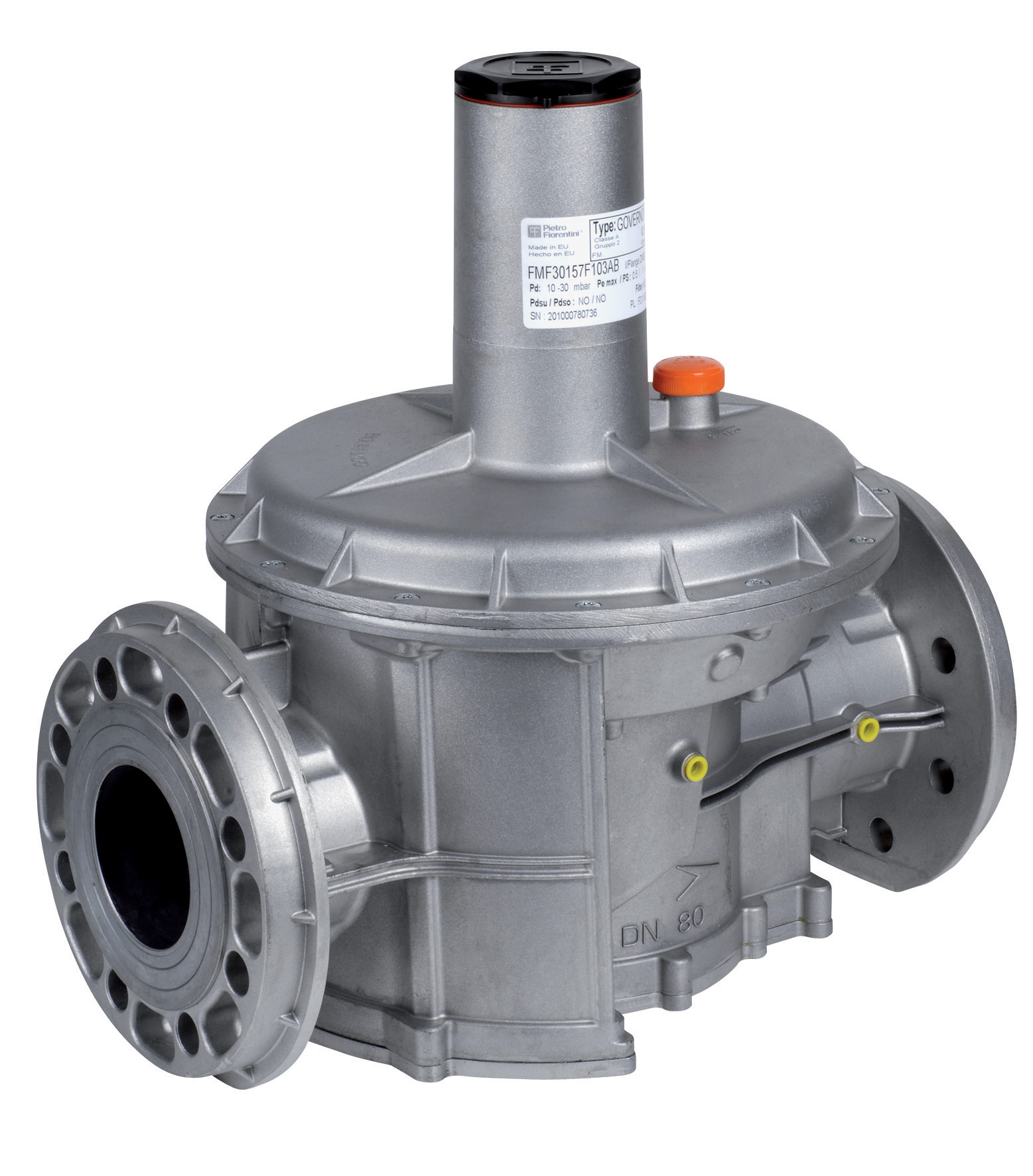
The Elektrogas Solenoid valve EVRM NA 7 flanges DN65 600 Mbar is commonly deployed in industrial gas distribution networks. When maintained properly—annual coil testing, diaphragm visual inspection, and port cleaning—these valves deliver 10+ year service life. However, if you observe upstream hissing or erratic pilot pressure, the seat is compromised and replacement is safer than repair.
Preventive Maintenance Protocols: Extending Valve Life and System Reliability
Proactive maintenance differs fundamentally from reactive repair. A planned maintenance schedule reduces unscheduled downtime by 60–75% and cuts emergency parts costs by half.
Monthly Checks
- Pressure log review: Compare inlet/outlet differential to baseline. A 10% or greater drift signals seat degradation or diaphragm fatigue.
- Solenoid continuity test: Use a multimeter to confirm coil resistance matches nameplate (typically 18–22 Ω for 24 VDC solenoids). Zero or infinite resistance = coil failure.
- Vent port inspection: Remove vent lines and visually inspect for moisture, particulate, or corrosion. Moisture indicates water vapor carryover; install or service upstream coalescers.
- Connector cleanliness: Verify no dust, rust, or debris on solenoid electrical connector; clean with dry cloth and dielectric grease.
Quarterly Inspections
- Pilot line flushing: Shut down the system, depressurize, and disconnect pilot sensing lines. Use clean dry nitrogen (0.5 bar) to blow debris backward through sensing orifices. This prevents creep and seat stiction.
- Flanged connection torque verification: Bolted gas connections loosen under vibration. Re-torque flanged connections per ISO 1962 specifications (typically 25–40 Nm for DN65 flanges, depending on material grade).
- Diaphragm visual assessment: For accessible regulators, carefully disassemble the bonnet and visually inspect the diaphragm. Look for cracks, hardening (rubber becomes brittle), or surface erosion. Rubber degradation indicates exposure to incompatible gas or temperature excursion.
Annual Overhaul
- Complete disassembly and cleaning: Remove all internal components (seat, spring, poppet). Use appropriate solvents (isopropyl alcohol for residual gas residue; never use aggressive chemicals on elastomers). Inspect each part under magnification.
- Seat and poppet lapping: Light surface erosion can be corrected by hand-lapping with 400-grit lapping compound. Spin the poppet gently on the seat in a figure-8 motion for 2–3 minutes, then rinse thoroughly. Do not lap deep pitting or spalling—these components require replacement.
- Spring load verification: Measure the spring free length and compare to original specification. Springs lose stiffness over time; if length has increased >2 mm or pressure setpoint has drifted >5%, replace the spring.
- Elastomer replacement: Replace all seals, gaskets, and diaphragms during annual service. Use OEM-specified materials; incompatible seals cause leakage and premature wear.
- Hydrostatic test: After reassembly, pressurize the valve to 1.5× rated pressure and hold for 10 minutes. Zero external leakage confirms successful overhaul.
Diagnosing System-Level Issues: Pressure Regulation and Flow Control Integration
Valves don't operate in isolation. Maintenance teams must understand how inlet conditions, downstream loads, and system architecture affect valve performance.
Pressure Regulator Creep and Drift
A regulator set to 50 bar that drifts to 55 bar over a week suggests:
1. Seat leakage (upstream pressure pushing poppet open slightly)
2. Diaphragm relaxation (elastomer permanently deformed, reducing sealing force)
3. Pilot line blockage (restricts feedback, reducing sensing accuracy)
Diagnostic workflow:
- Measure outlet pressure every 4 hours over 24 hours. Document trend.
- If drift is gradual and monotonic (creeps upward), suspect seat leakage or diaphragm degradation.
- If drift is erratic (jumps 1–2 bar between readings), suspect pilot line intermittent blockage.
- Disconnect the pilot sensing line and plug it. If pressure stabilizes, the sensing line is clogged; flush or replace.
- If pressure continues to drift, the diaphragm or seat is worn; proceed to quarterly inspection protocol.
Flow-Dependent Pressure Drop
When outlet pressure drops noticeably as downstream demand increases, the valve may be undersized or the inlet pressure is insufficient.
- Measure inlet pressure at full flow: If inlet pressure drops more than 10% below static value, the supply line is undersized or supply source is weak. Upgrade piping or verify compressor output.
- Calculate effective valve Cv (flow coefficient): Flow = 0.85 × Cv × √(ΔP / specific gravity). If measured flow is 15% below theoretical Cv, the valve seat or poppet is partially blocked; schedule cleaning.
- Check outlet backpressure: Downstream regulators or restrictions (filters, burner orifices) create backpressure. Excessive backpressure (>80% of outlet setpoint) causes regulator instability and chatter. Verify downstream components are sized appropriately.
Solenoid Valve Chatter and Pilot Lock-Up
If a solenoid valve chatters (rapid on-off cycling at 5–20 Hz) or becomes stuck in an open or closed position:
1. Electrical inspection: Verify 24 VDC coil is receiving full voltage at the solenoid terminal (not at the PLC output, which may have higher impedance). Low voltage (<20 V) causes weak plunger pull and stiction. Check contactor coil voltage drop and rewire if necessary.
2. Pilot pressure check: Many solenoid valves operate on pilot pressure differential. If inlet pressure is too low (<1.5 bar above outlet), the solenoid cannot overcome backpressure. Verify inlet conditions.
3. Particulate flush: Shut down, depressurize, and disconnect the solenoid valve. Connect clean nitrogen (0.5 bar) to the inlet and allow it to flow backward through the outlet for 30 seconds. This dislodges trapped particles. Reconnect and retest.
4. Coil replacement: If chatter persists after electrical and mechanical checks, the solenoid coil is likely degraded (partial open winding). Replace the coil assembly.
Maintenance Documentation and Predictive Analytics
Data-driven maintenance transforms reactive firefighting into strategic optimization.
Essential Logging Parameters
Maintenance teams should record:
- Date and time: UTC timestamp for precise correlation with events
- Inlet pressure: Static (no flow) and dynamic (at operating flow)
- Outlet pressure: Measured immediately downstream of regulator
- Temperature: Valve body and ambient (indicate erosion or overcooling)
- Solenoid coil voltage and current: Verify electrical integrity
- Visual observations: Corrosion, leakage location, discoloration, noise
- Maintenance action: Cleaning, adjustment, part replacement, disposal
Trend Analysis
After 3–6 months of logging, maintenance teams can identify patterns:
- Linear pressure drift: Suggests diaphragm fatigue; schedule replacement before critical failure
- Temperature creep: Indicates erosion or cavitation; verify flow rate is within valve rating
- Electrical anomalies: Increasing current draw suggests coil degradation; plan replacement
- Seasonal variations: Humidity and ambient temperature affect elastomer performance; adjust maintenance intervals accordingly
3G Electric's 35-year track record demonstrates that plants implementing structured data logging reduce unexpected downtime by 40–50% and extend valve service life from 5–7 years to 10–12 years.
Integration with CMMS
Even small plants benefit from computerized maintenance management systems (CMMS). Log readings directly into the system:
- Automatic alerts when parameters drift beyond thresholds
- Predictive analytics: "Pressure creep indicates seat leakage; recommend replacement within 30 days"
- Spare parts optimization: Forecast when replacements will be needed; avoid emergency procurement premiums
- Compliance documentation: Audit trail for regulatory reporting (ISO 50001, PED compliance)
Regional Considerations for Singapore Industrial Operations
Singapore's tropical climate, high equipment utilization, and strict industrial safety standards create unique maintenance demands.
Humidity and Corrosion Management
High ambient humidity (70–90% year-round) accelerates corrosion on valve bodies, threaded ports, and electrical connections. Maintenance protocols should include:
- Monthly inspection of external surfaces: Look for white corrosion (zinc oxide) on galvanized components or orange rust on bare steel. Clean with wire brush and apply zinc-rich epoxy primer to prevent deep pitting.
- Solenoid connector protection: Silicone conformal coating on electrical connectors prevents moisture ingress and coil degradation. Reapply annually.
- Drainage of pilot and vent lines: Moisture accumulates in horizontal lines. Install 3 mm drain plugs at low points and flush monthly with 0.3 bar dry nitrogen.
Particulate Load Management
Industrial areas near ports, refineries, or manufacturing hubs experience elevated airborne particulate. Gas supply lines should include:
- Inlet strainers: 100 μm absolute for natural gas; 10 μm for specialty gases. Clean monthly; replace annually.
- Coalescers and dryers: Remove water droplets and oil aerosol upstream of regulators. Service at 6-month intervals in tropical climates (versus 12 months in temperate regions).
- Pilot line filters: 10 μm sintered bronze or stainless steel. These are sacrificial and should be replaced at annual overhaul.
Spare Parts Strategy
Singapore's efficient supply chains and just-in-time manufacturing ethos make spare parts readily available. However, critical valves (those protecting hazardous operations or with long lead times) warrant stocking:
- Complete valve cartridge assemblies: For solenoid valves, keep a spare cartridge on hand. Swap takes 15 minutes; full overhaul takes 2–4 hours.
- Diaphragm and seal kits: Pre-assembled kits reduce overhaul time and minimize assembly errors.
- Coil assemblies: For solenoid valves, spare coils are inexpensive insurance. Keep 24 VDC and 110 VAC variants on hand.
3G Electric maintains regional inventory and can deliver emergency stock to Singapore plants within 24 hours, minimizing unplanned shutdowns.
Summary: Building a Resilient Maintenance Culture
Gas Valves & Regulation represent the control nervous system of industrial operations. Maintenance teams that embrace preventive protocols, document system behavior, and respond to early warning signs enjoy dramatically improved reliability and safety.
Key takeaways:
1. Daily visual and acoustic checks catch 70% of developing failures
2. Monthly pressure logging enables predictive intervention
3. Quarterly pilot line flushing eliminates the most common regulator failure mode
4. Annual complete overhaul with elastomer replacement extends valve life by 3–5 years
5. Documentation and trend analysis transform maintenance from art into science
For maintenance teams in Singapore and the broader Southeast Asian region, 3G Electric provides technical support, OEM components, and emergency supply chain access. Our engineering team has supported 1000+ industrial sites over 35 years; we understand the real-world constraints and opportunities in your plants.