Understanding Gas Valves & Regulation: Manual vs. Solenoid Control Approaches
Gas Valves & Regulation systems form the backbone of safe, efficient industrial operations across Southeast Asia. Whether you manage chemical processing plants, HVAC systems, or combustion equipment, the choice between manual and solenoid-based valve control directly impacts your operational efficiency, safety compliance, and long-term maintenance costs.
With over 35 years of experience distributing industrial equipment throughout the region, 3G Electric has supported plant managers through thousands of valve system implementations. This guide compares the two dominant control methodologies so you can make informed decisions aligned with your facility's specific needs.
Manual Valve Systems: When Direct Control Makes Sense
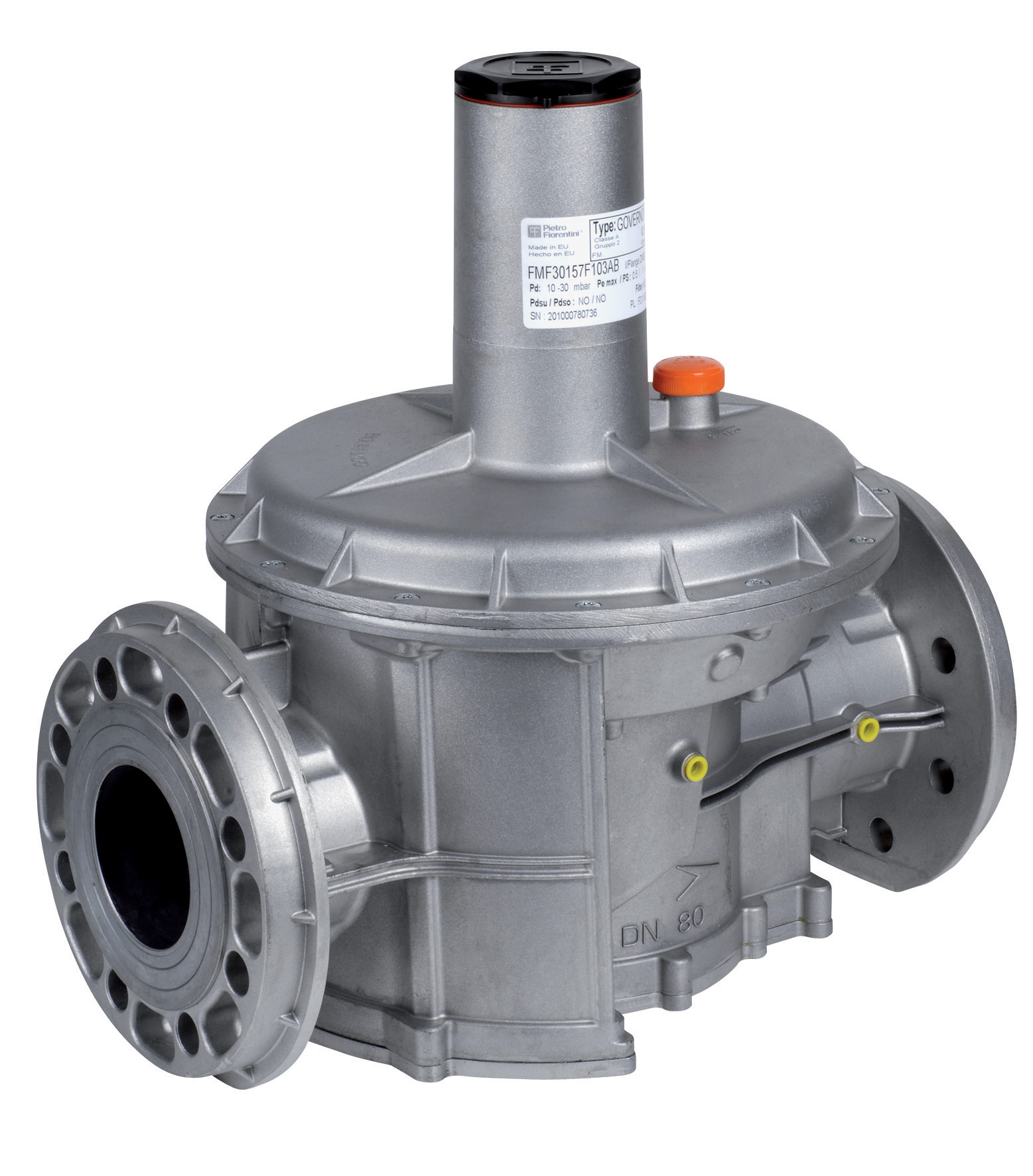
Manual gas valve regulation relies on operator intervention and mechanical adjustment. These systems use hand-operated ball valves, gate valves, and needle valves paired with mechanical pressure regulators.
Advantages for Your Plant:
- Zero Electrical Dependency: Manual systems operate without power, making them ideal for backup configurations or facilities with unreliable electrical infrastructure—common considerations in Southeast Asian industrial zones.
- Lower Initial Capital: Mechanical valves and regulators typically cost 40-60% less than solenoid systems, reducing upfront procurement budgets.
- Simpler Maintenance: Your technicians need minimal training. A wrench and basic mechanical knowledge suffice for installation and troubleshooting.
- Longer Equipment Life: Mechanical components often exceed 10-15 years with basic maintenance, reducing replacement cycles.
- Direct Operator Feedback: Staff immediately sense pressure changes through manual adjustment resistance, allowing real-time process awareness.
- Labor-Intensive Operations: Operators must manually adjust valves throughout production runs, increasing staffing requirements and fatigue-related errors.
- Inconsistent Pressure Control: Human adjustment inherently produces ±10-15% pressure variance, problematic for precision processes.
- No Automated Shutdown: Emergency situations require personnel presence—unrealistic for 24/7 automated facilities.
- Integration Challenges: Manual systems cannot communicate with modern PLC/SCADA platforms, limiting data collection and predictive maintenance.
Solenoid Valve Systems: Automated Precision and Safety Integration
Solenoid-based regulation uses electromagnetic coils to actuate valve spools electronically. When energized, these coils create magnetic fields that shift internal valve mechanisms, enabling automated pressure and flow control.
Advantages for Modern Operations:
- Precise Automated Control: Solenoid valves maintain ±2-5% pressure consistency, essential for pharmaceutical, food processing, and precision manufacturing applications throughout Southeast Asia.
- Safety Integration: Directly connected to safety PLCs and emergency shutdown systems, solenoid valves enable instantaneous process termination—critical for hazardous material handling.
- 24/7 Unattended Operation: Your facility operates continuously without operator adjustment, reducing labor costs and enabling night-shift automation.
- Data Acquisition: Integration with monitoring systems provides real-time pressure logs, flow data, and fault detection for compliance documentation.
- Reduced Human Error: Eliminates operator inconsistency and fatigue-related mistakes in pressure adjustment.
- Faster Response Times: Electromagnetic actuation responds in milliseconds, compared to manual operator reaction times of 10-30 seconds.
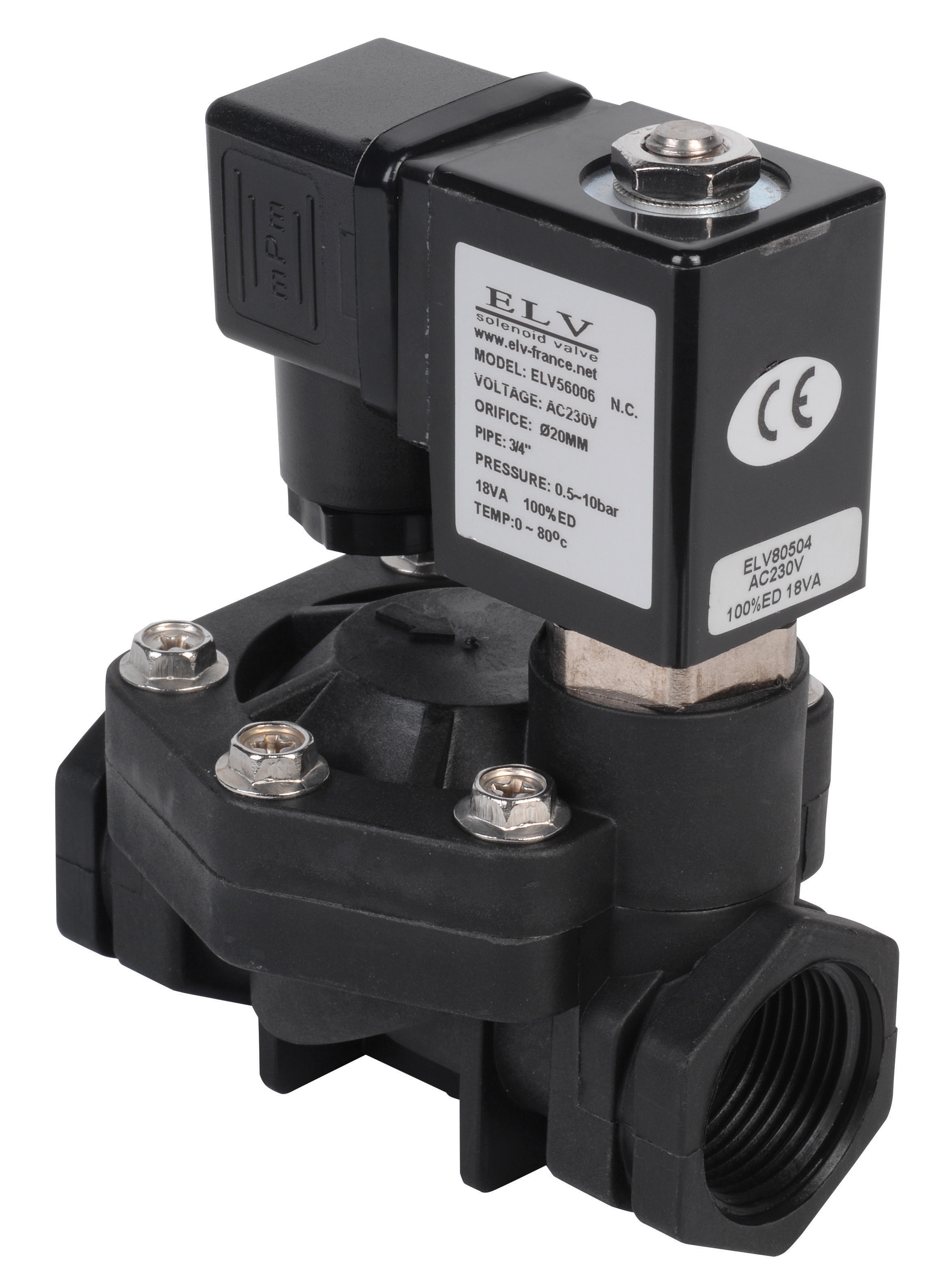
The ELV Plastic Solenoid Valve D.3/4 NF 230V represents a cost-effective entry point for automation. Its 0.5-10 bar range handles compressed air, water, and light oils while drawing minimal power (22 VA), making it suitable for process automation across manufacturing and HVAC applications common in your region.
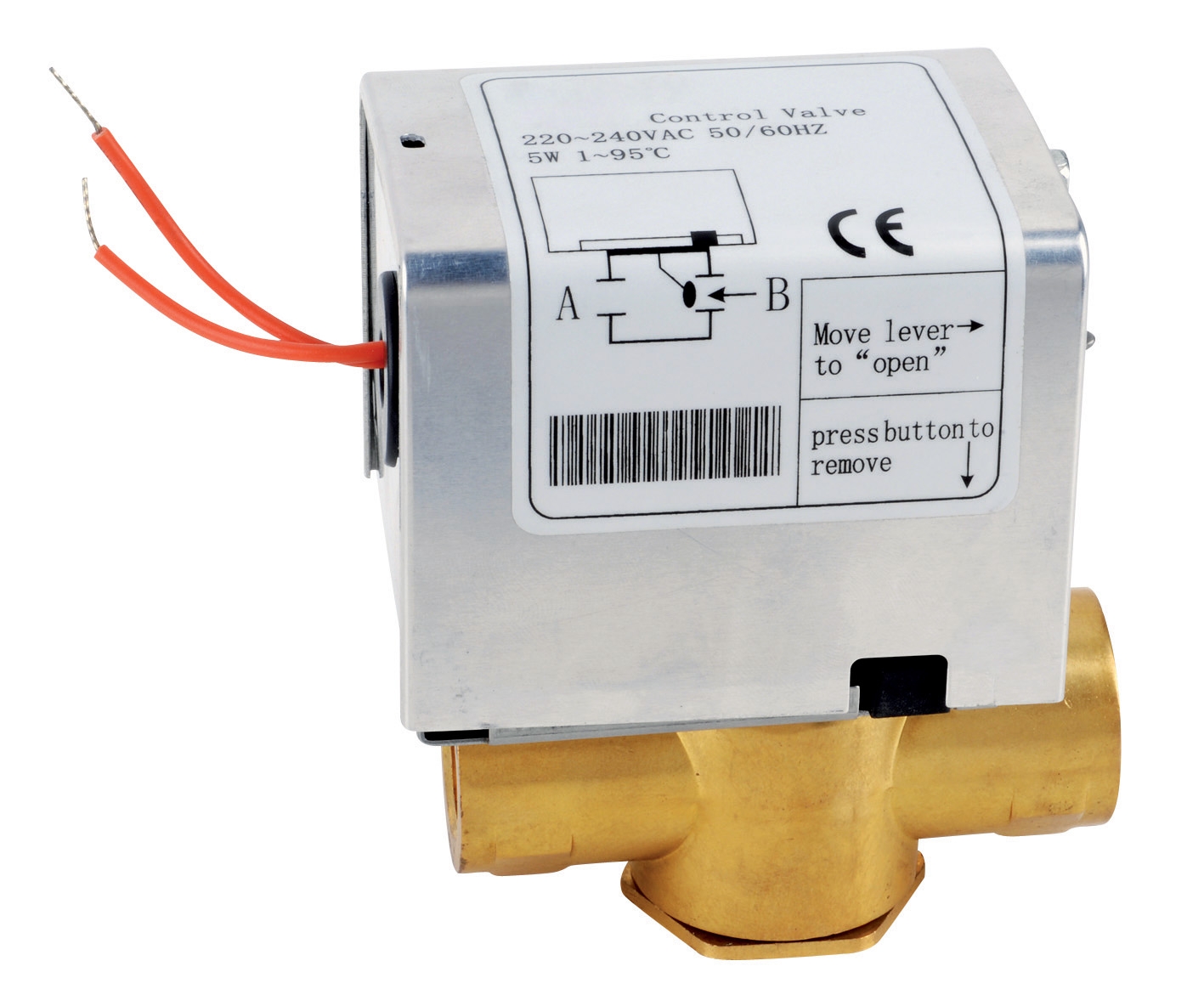
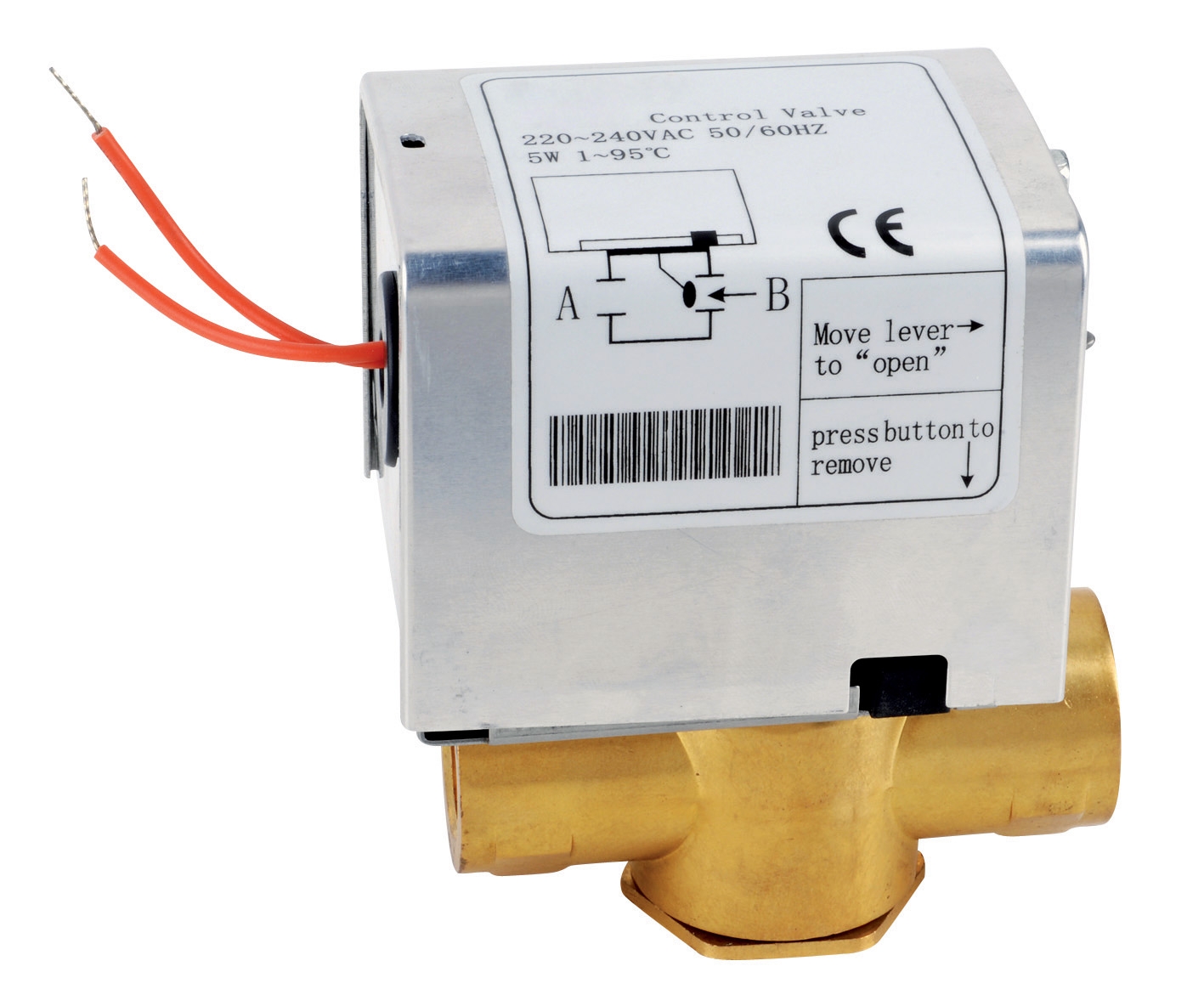
For more demanding applications, the ELV 2-way Zone Valve 1" with Auxiliary Contact delivers 6.9 m³/h flow in heating and cooling systems with response times under 7 seconds. This unit handles up to 50% glycol mixtures, typical in Southeast Asian climate control systems managing both chilled water for tropical heat and hot water for industrial processes.
Limitations and Considerations:
- Higher Capital Investment: Solenoid units cost 2-3x manual equivalents, requiring stronger initial justification.
- Electrical Dependency: Power loss requires battery backup or bypass manual systems—adding complexity and cost.
- Coil Burnout Risk: Continuous energization shortens solenoid life. Quality units last 5-7 years; cheaper alternatives may fail within 2-3 years.
- Maintenance Complexity: Failed solenoids require specialist replacement; your maintenance team may need additional training.
- Installation Lead Times: Southeast Asian procurement often involves longer import timelines than simple mechanical valves.
Hybrid Approaches: Combining Manual and Solenoid Technologies
The most effective gas regulation strategy often combines both technologies. Smart plant managers implement this comparison-based approach:
Primary Flow Control (Solenoid-Based)
Use solenoid valves for main process automation. The ELV 2-way Zone Valve 1/2" (DN15) provides compact automated control for chilled and hot water systems, occupying minimal plant space while maintaining tight pressure regulation at 16 bar maximum.
Backup/Emergency Control (Manual)
Position manual ball valves upstream to enable emergency shutdown without electrical systems. This redundancy ensures safety compliance during power failures—essential in industrial zones prone to electrical disruptions.
Pressure Fine-Tuning (Mechanical Regulators)
Mechanical regulators handle pressure adjustment to solenoid inlet pressures, protecting electromagnetic components from dangerous spikes while maintaining system reliability.
Implementation Strategy:
1. Map Your Current Operations: Document existing manual adjustment frequencies. If operators adjust pressure more than 4 times daily, solenoid automation offers immediate ROI through labor savings.
2. Calculate Labor Costs: Southeast Asian labor costs vary significantly by country. Singapore-based operations see faster ROI than facilities in Vietnam or Indonesia—influence your technology choice accordingly.
3. Assess Safety Requirements: Hazardous material handling mandates solenoid integration with safety systems. Non-hazardous processes may justify continued manual operation.
4. Evaluate Integration Readiness: Plants with existing PLC/SCADA systems gain maximum value from solenoid adoption. Older mechanical facilities may require control system upgrades before realizing automation benefits.
5. Plan Phased Implementation: Retrofit solenoid control incrementally across production lines rather than facility-wide replacement. This spreads capital costs and reduces operational risk.
Practical Comparison Metrics for Your Facility
Operating Cost Analysis
Manual systems require continuous operator attention. At Southeast Asian wage scales ($300-800 monthly for equipment operators), one FTE dedicated to valve adjustment represents $3,600-9,600 annual cost. Solenoid systems eliminate this requirement.
Solenoid electricity consumption averages 15-25 watts per valve during operation. Running 10 valves continuously costs approximately $130-210 annually in Southeast Asian electricity markets ($0.08-0.12/kWh).
Accuracy Comparison
- Manual regulation: ±10-15% variance
- Mechanical regulators: ±5-8% variance
- Quality solenoid systems: ±2-5% variance
- Premium solenoid systems: ±1-3% variance
For tolerance-critical applications (pharmaceutical, food safety), solenoid precision becomes non-negotiable.
Maintenance Requirements
Manual systems: Quarterly inspection, annual cleaning. Average cost: $200-400 annually per unit.
Solenoid systems: Semi-annual inspection, biennial coil testing, emergency backup checking. Average cost: $400-800 annually per unit (higher complexity).
System Integration Capability
Manual: Zero integration. Requires manual data logging for compliance.
Solenoid: Full PLC/SCADA integration. Real-time monitoring, automated trending, predictive maintenance alerts.
Making Your Decision: A Plant Manager's Checklist
Before selecting your gas valve & regulation approach, evaluate these factors:
Choose Manual Systems If:
- Your facility operates seasonally or intermittently
- Staff numbers and experience limit automation maintenance capability
- Budget constraints prohibit capital investment
- Pressure tolerance ±10% meets application requirements
- Power availability is unreliable
- Regulatory requirements don't mandate emergency shutdown automation
- Operating 24/7 automation potential exists
- Pressure tolerance tighter than ±8% is required
- Safety compliance mandates automated emergency response
- Integration with existing control systems would improve operations
- Labor cost savings justify 2-3 year payback periods
- Growth projections indicate expanding production volumes
- Your facility combines hazardous and non-hazardous processes
- Redundancy and failsafe operation are critical
- Current operations show mixed automation maturity
- Budget allows phased implementation
- Risk tolerance is moderate (balanced safety and cost)
With 35+ years supporting Southeast Asian industrial operations, 3G Electric has observed that successful plant managers rarely choose pure manual or pure solenoid strategies. Instead, they implement comparison-based hybrid systems tailored to their specific operational contexts. This thoughtful approach optimizes safety, cost, and operational flexibility across diverse facility conditions.
Sourcing and Supporting Your Gas Valve Selection
3G Electric supplies both manual mechanical valves and advanced solenoid systems across Southeast Asia. Whether you implement manual-only, solenoid-only, or hybrid regulation approaches, our 35-year distribution network provides:
- Regional Inventory: Immediate availability prevents production delays from import timelines
- Technical Support: Our application engineers help size and specify systems for your exact plant requirements
- Installation Guidance: Commissioning support ensures proper deployment and safe operation
- Maintenance Training: Your technicians receive hands-on instruction for long-term reliability
Contact our Southeast Asian regional offices to discuss how manual vs. solenoid gas valve & regulation comparisons apply to your specific facility operations.