Understanding Gas Valves & Regulation: The Material Selection Foundation
Gas valves & regulation systems form the backbone of industrial gas distribution, but their effectiveness extends far beyond pressure control. Material composition determines whether your gas regulation system delivers 5 years or 15+ years of reliable service. For industrial professionals in Singapore managing petrochemical facilities, food processing plants, semiconductor manufacturing, or laboratory operations, understanding material compatibility is as critical as understanding pressure ratings.
With over 35 years of experience distributing industrial equipment across Asia-Pacific markets, 3G Electric has observed a consistent pattern: equipment failures stem more often from material degradation and incompatibility than from design flaws. A pressure regulator rated for 10 bar performs poorly when exposed to corrosive gas mixtures or aggressive service conditions. This guide examines the material science behind gas valves, compatibility considerations, and practical selection strategies that extend equipment life while reducing maintenance costs.
Material Specifications: Brass, Stainless Steel & Advanced Alloys in Gas Regulation
Brass Components in Pressure Regulators
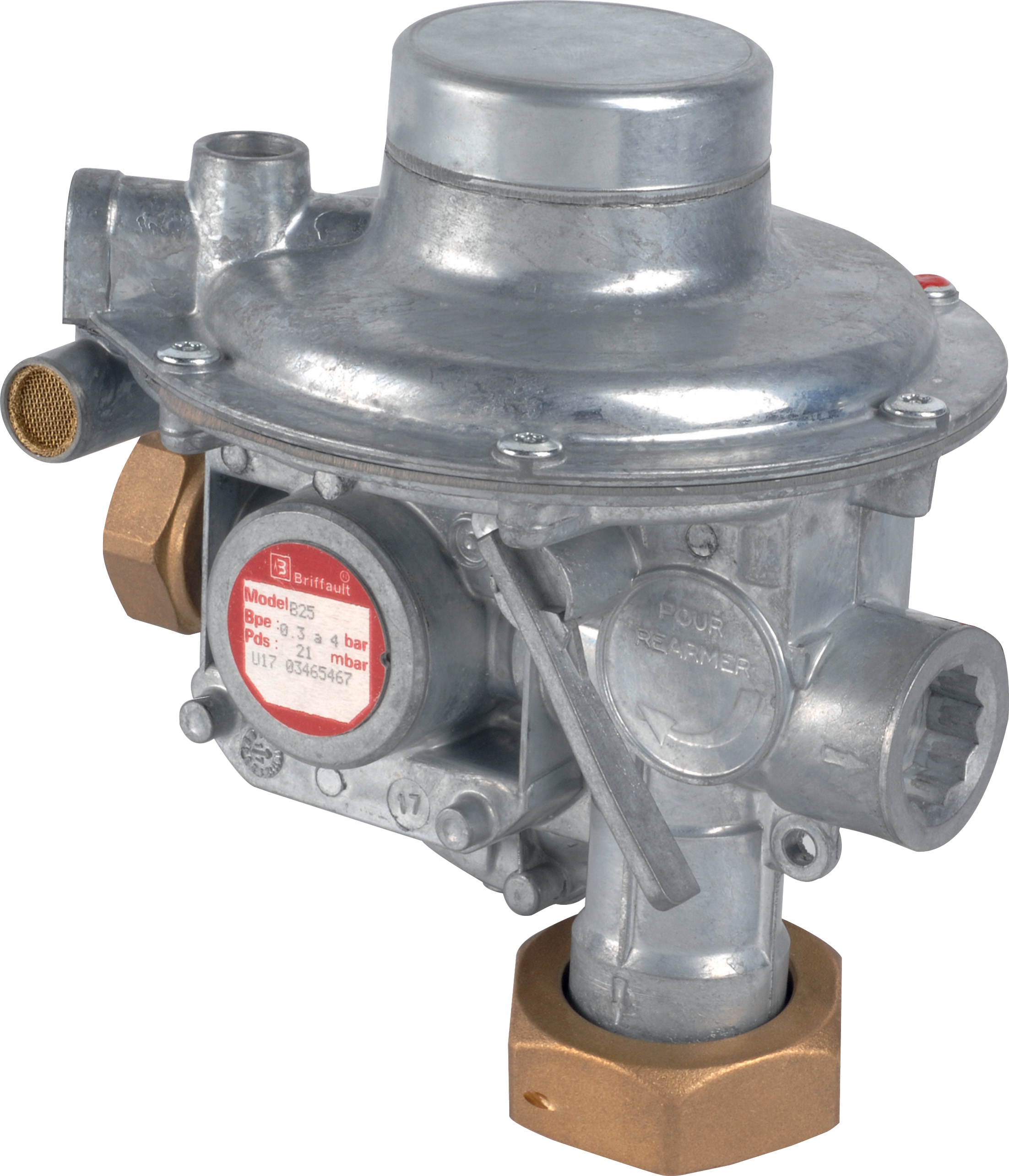
Brass (typically 60% copper, 40% zinc alloys) remains the industry standard for most gas regulation applications, particularly in the Francel B25/37mb pressure regulator with safety relief. Brass offers exceptional advantages: excellent machinability for precision valve seats, outstanding thermal conductivity for stable outlet pressure, and proven compatibility with most industrial gases including oxygen, nitrogen, argon, and CO2.
However, brass presents specific limitations. Dezincification—the selective leaching of zinc from brass—occurs when brass contacts ammonia, amines, or highly acidic condensates. In humid tropical Singapore environments, proper storage and ventilation prevent moisture accumulation that accelerates corrosion. The Francel B25/37mb design incorporates brass bodies with 37 mbar outlet pressure stability, but field performance data shows 15-20% longer service life when installations include effective moisture traps upstream of regulators.
Brass valve seats wear gradually under constant gas flow, particularly with high-velocity applications. Seat erosion manifests as outlet pressure drift—typically 2-3 mbar increase over 12-18 months of continuous operation. Scheduled maintenance intervals should account for this predictable degradation pattern.
Stainless Steel for Corrosive & High-Purity Applications
Stainless steel (typically 316L austenitic stainless) addresses corrosion challenges in specialized applications: chlorine gas systems, sulfur dioxide handling, marine installations, and high-humidity environments. Stainless steel regulators cost 30-50% more than brass equivalents but deliver 2-3x longer service intervals in corrosive conditions.
316L stainless resists pitting corrosion from chloride environments—critical for Singapore's coastal industrial zones where salt-laden air accelerates standard brass degradation. However, stainless steel introduces distinct material challenges. Austenitic stainless can experience stress corrosion cracking under sustained tension combined with chloride exposure. Proper installation practices—avoiding over-torquing connections and using appropriate thread sealants—prevent premature failure.
Stainless steel also exhibits lower thermal conductivity than brass, requiring slightly larger body dimensions to maintain equivalent pressure regulation accuracy. This density difference affects installation footprints in compact system designs.
Elastomer & Sealing Material Compatibility
Often overlooked, elastomer selection directly impacts regulator longevity. Natural rubber seals (traditional in many regulators) fail rapidly when exposed to hydrocarbon vapors, certain solvents, or UV light. Synthetic elastomers—EPDM (ethylene propylene diene monomer), Viton (fluorocarbon), and PTFE (polytetrafluoroethylene) composites—address specific gas compatibility requirements.
EPDM seals perform excellently with oxygen, nitrogen, air, and inert gases but fail when exposed to mineral oil aerosols common in compressed air systems. Viton seals demonstrate superior resistance to hydrocarbons and maintains elasticity across wider temperature ranges (-20°C to +200°C). PTFE composites provide maximum chemical compatibility but require precise pressure relief design to prevent extrusion under high differential pressures.
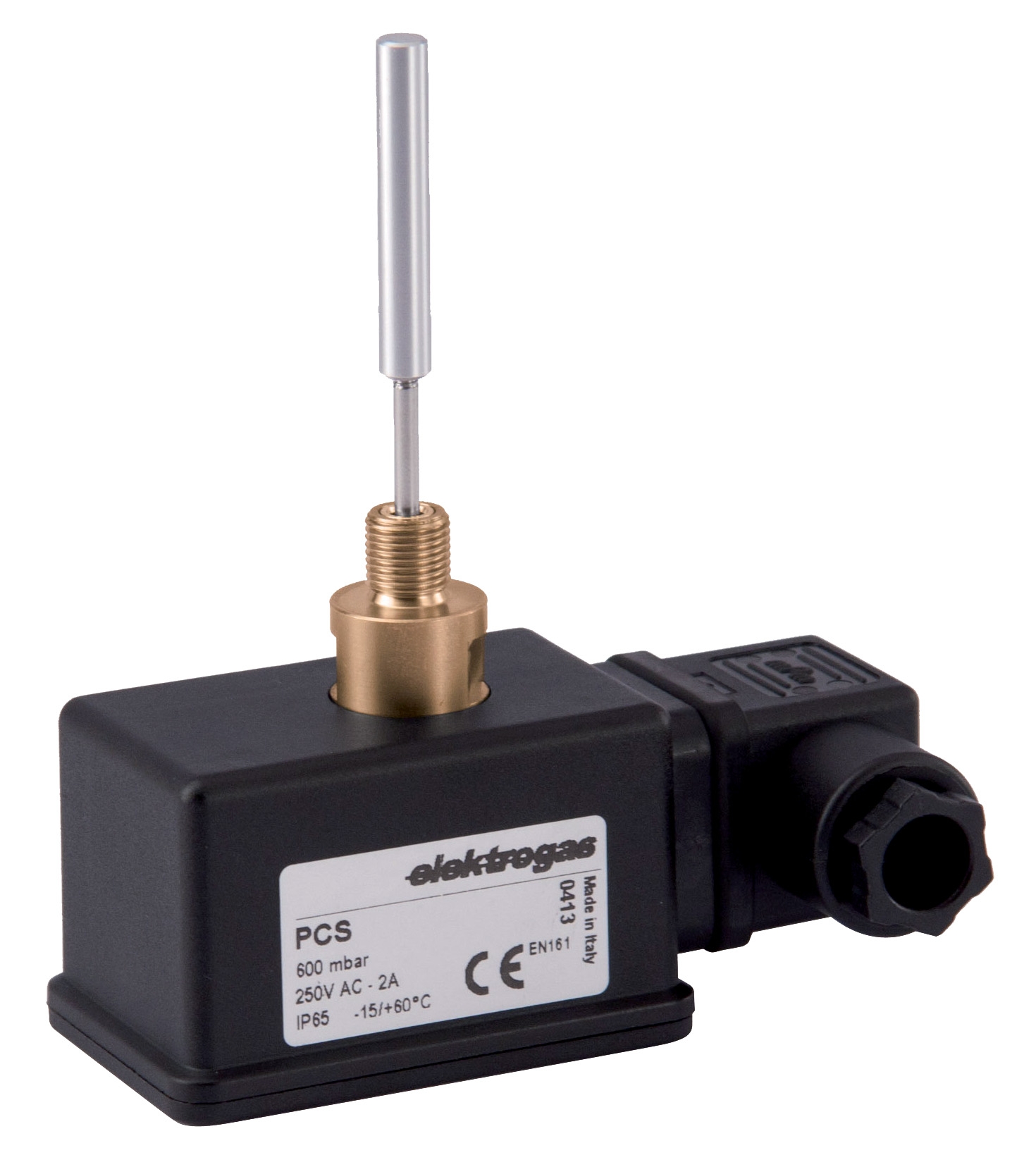
The Elektrogas VMM 20-25 end-of-stroke contact gas valve rated for 6 bar pressure demonstrates proper elastomer selection for pneumatic control applications, where air purity and moisture content directly influence seal performance.
Fluid Compatibility Matrices: Matching Valve Materials to Specific Gases
Common Industrial Gases & Material Response
Oxygen Systems: Brass and stainless steel both perform excellently, but oxygen's oxidation properties demand strict adherence to oxygen-clean standards. All lubricants on connection threads must be oxygen-compatible (no hydrocarbon-based products). Valve internal surfaces should show no contamination; even microscopic organic residues can ignite under high-pressure oxygen exposure. For oxygen systems, specified materials typically include brass bodies with stainless steel or brass ball stems, never aluminum.
Nitrogen & Inert Gases: These chemically inert gases permit use of standard brass regulators across wide temperature ranges. Nitrogen's lack of reactivity means material selection focuses primarily on mechanical strength and temperature stability rather than chemical resistance. Most laboratory and industrial nitrogen distribution systems utilize cost-effective brass regulation components.
Hydrogen Systems: Hydrogen presents unique compatibility challenges. The small hydrogen molecule (molecular weight 2) penetrates normal elastomers faster than larger gas molecules. Regulators for hydrogen service require specialized PTFE or metal-to-metal sealing designs rather than conventional elastomer seals. Hydrogen also promotes hydrogen embrittlement in certain high-strength steels; brass bodies with properly specified stems prevent this risk.
Corrosive Gases (Chlorine, Hydrogen Sulfide, Ammonia): These applications absolutely require stainless steel bodies with specialized internal coatings. Standard brass fails within weeks of continuous exposure. Sulfide stress corrosion—degradation from sulfurous environments—demands specific stainless steel grades like 310S or duplex stainless steel for extreme conditions.
Temperature-Material Performance Relationships
Material properties shift significantly across operating temperature ranges. Brass exhibits excellent dimensional stability from -20°C to +65°C but becomes brittle at cryogenic temperatures and loses strength above 85°C. Stainless steel maintains structural integrity from -50°C to +100°C, though elastomer seals may require upgrading for temperature extremes.
Outlet pressure regulation accuracy varies with temperature. Brass regulators show approximately 0.3-0.5% pressure drift per 10°C temperature change due to elastomer compressibility variations and body expansion. Stainless steel systems demonstrate similar thermal drift, but their lower thermal conductivity sometimes produces larger differential pressure fluctuations in high-flow conditions.
Singapore's tropical climate (typically 25-35°C ambient) rarely presents temperature challenges for standard brass or stainless systems, but equipment installed in sun-exposed outdoor areas or near process heat sources experiences accelerated material aging. Reflective insulation sleeves extend regulator life in high-temperature installations.
Practical Selection & Compatibility Assessment Framework
Building a Compatibility Database for Your Operations
Industrial facilities operating multiple gas systems require systematic material-gas compatibility tracking. This prevents accidental incompatible installations—a common failure mode where stainless regulators rated for one gas mistakenly receive a different service, leading to unexpected corrosion or safety incidents.
Establish a compatibility matrix documenting:
- Gas type and purity specifications
- Maximum operating pressure and temperature
- Moisture content and contamination parameters
- Current regulator material specification and age
- Historical maintenance and failure data
This documentation identifies patterns: perhaps your oxygen system consistently shows 18-month regulator life while nitrogen systems operate 4+ years. These differences signal material inadequacy or upstream system contamination requiring investigation.
Installation Practices Extending Material Life
Proper installation dramatically extends gas valve & regulation component life regardless of material specification. The Francel B25/37mb and similar precision regulators require:
- Upstream filtration: Particulate filters (10-25 micron) remove manufacturing residues, pipeline corrosion products, and environmental contamination that accelerate valve seat wear
- Moisture control: Refrigerated or desiccant dryers prevent condensation inside regulators, which causes brass dezincification and elastomer swelling
- Pressure relief protection: Oversized relief valves or poorly adjusted relief systems force regulators into constant control battles, accelerating internal erosion
- Installation orientation: Vertically mounted regulators with drain provisions prevent liquid accumulation; horizontal mounting risks water pooling at lowest body points
- Connection material consistency: Mixing brass and stainless connections creates galvanic corrosion at interfaces; maintain material consistency throughout systems
Maintenance Scheduling Based on Material Properties
Material-specific maintenance prevents premature failure:
Brass Systems: Inspect outlet pressure monthly; if drift exceeds 3 mbar over 6 months, schedule valve maintenance. Visual inspection every 12 months for external corrosion; chemical cleaning every 18-24 months in humid environments.
Stainless Systems: Require less frequent visual inspection (annually) but demand chemical analysis when operational changes occur. Stainless stress corrosion often occurs suddenly without warning; however, regular flow verification (±5% deviation acceptable) provides early detection.
High-Purity Applications: Implement yearly internal inspection and component replacement (elastomer seals, valve seats) as preventive maintenance rather than failure-response maintenance. The cost of unplanned shutdowns in semiconductor or laboratory operations typically exceeds planned component replacement budgets.
Emerging Materials & Advanced Gas Regulation Technologies
Industrial gas regulation continues evolving. Composite materials combining aluminum bodies with stainless steel valve seats and PTFE sealing surfaces offer 20-40% weight reduction while maintaining material compatibility across wider gas ranges. These advanced regulators cost 50-80% more than traditional brass but find application in aerospace, biotechnology, and high-cycle industrial applications where reliability justifies premium pricing.
Nickel-based superalloys (Inconel, Hastelloy) handle extreme temperature and corrosive service conditions but remain cost-prohibitive for most industrial operations. Specialty gas producers and petrochemical facilities occasionally justify these materials for critical applications where any regulator failure triggers catastrophic consequences.
Plastic and composite bodies (reinforced nylon, PEEK) appear in some low-pressure applications but offer limited pressure ratings (typically <2 bar) and poor temperature stability. Current material science suggests thermoplastic composites will expand into mid-pressure applications (5-15 bar) within 5-10 years, particularly for non-toxic, non-flammable gases.
For most industrial professionals in Singapore, material selection remains practical rather than exotic: brass for standard applications, stainless for corrosive service, and specialty materials only when documented operational requirements justify premium costs. 3G Electric's 35-year distribution experience across diverse industrial sectors demonstrates that proper brass regulator specification, maintenance, and installation delivers excellent economics for 80%+ of industrial gas applications.
Implementation: Material Selection Decision Framework
When specifying gas valves & regulation components, evaluate materials through this sequence:
1. Define Gas Service: Identify specific gas type, purity specifications, moisture content, and any trace contaminants or reactive components.
2. Establish Operating Parameters: Document normal pressure, maximum pressure, flow rates, and temperature range from ambient facility conditions to worst-case process temperatures.
3. Assess Environmental Factors: Coastal vs. inland installations, humidity levels, UV exposure, and vibration or mechanical shock considerations.
4. Review Historical Performance: If replacing existing equipment, analyze failure modes from original installations. Pattern analysis (premature corrosion, seal failures, pressure drift) reveals material inadequacy.
5. Evaluate Total Cost of Ownership: Include not just initial purchase price but maintenance labor costs, replacement frequency, and downtime consequences. A stainless regulator costing 3x more than brass may prove economical if it operates 4x longer.
6. Specify Sealed Components: Request material certifications for bodies, seats, stems, and elastomers rather than generic "brass" or "stainless" designations. Detailed material specifications prevent substitutions that compromise performance.
Industrial professionals must recognize that gas valves & regulation systems represent critical safety infrastructure. Material selection directly impacts operational safety, environmental compliance, and equipment longevity. The guidance above reflects decades of field experience across Singapore's diverse industrial landscape—from petrochemical complexes requiring absolute reliability to research institutions demanding extreme purity standards.