Understanding Measurement & Detection in Gas Safety Certification
Measurement & Detection systems for gas safety certification represent a critical compliance infrastructure in Southeast Asian industrial facilities. Unlike generic monitoring systems, gas detection certification requires adherence to strict international standards—EN 50194, IEC 216-3, and EN 50270—that mandate regular self-testing and field verification of detector performance.
Procurement engineers managing industrial safety programs across Singapore, Malaysia, Indonesia, and Thailand face unique challenges: tropical humidity accelerates sensor degradation, supply chain complexities create calibration gaps, and regulatory frameworks vary by country. With 35+ years of experience distributing industrial equipment across Asia-Pacific, 3G Electric understands these regional pressures. Implementing robust Measurement & Detection protocols directly reduces unscheduled downtime, prevents false alarms that compromise operational trust, and ensures your facility maintains certification status without costly external audits.
This guide addresses the practical procurement and operational decisions needed to establish self-certification testing capabilities in-house, reducing dependency on external service providers and enabling faster response to detector maintenance requirements.
Self-Certification Testing Infrastructure: Building Your In-House Capability
Establishing Measurement & Detection self-certification testing capacity requires three core components: certified test equipment, reference calibration gases, and documented testing procedures aligned with your facility's detector types.
Equipment Selection for Detector Validation
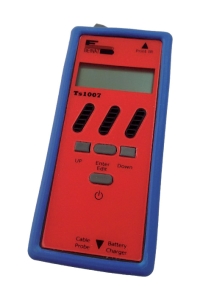
The DTekGaz Probe tester represents the foundational tool for self-certification. This instrument conducts functional testing of gas detectors and probes in compliance with EN 50194 and EN 50270 standards. Key procurement considerations include:
- IR Port Capability: The integrated infrared printing output eliminates manual data transcription, reducing documentation errors in compliance records. For facilities audited by external agencies, this creates an audit trail that satisfies regulatory requirements without additional manual logging.
- Multi-Standard Compliance: Since many Southeast Asian facilities operate under both local regulations and international standards (particularly in export-oriented industries), the probe tester's alignment with IEC and EN standards ensures your testing methodology transfers across jurisdictions without additional validation.
- Field Portability: Temperature and humidity variations in Southeast Asian climates create storage challenges. Compact probe testers can be maintained in climate-controlled locations and transported to detector locations during scheduled maintenance windows, rather than requiring detectors to be removed for external testing.
Your facility's detector portfolio determines calibration gas requirements. The DTekGaz Ammonia test bottle provides 12 liters of calibration gas in a 1-liter aluminum container at 12 bar pressure—practical for facilities managing ammonia refrigeration systems, fertilizer production, or chemical processing operations common throughout Southeast Asia.
Procurement strategy recommendations:
- Regional Storage Compliance: Ammonia storage regulations vary between Malaysia (stricter oversight of hazmat containers) and Thailand (more flexible classification). Confirm your calibration gas storage meets local fire and safety codes before procurement.
- Gas Consumption Planning: A single ammonia bottle supplies approximately 40-50 complete detector certification cycles (assuming 2-3 detectors per test). For facilities with 20-30 detectors requiring quarterly certification, plan 2-3 bottles annually plus safety stock for unexpected testing surges.
- Shelf Life Management: Calibration gases maintain stability for 2-3 years. Establish a rotation system using FIFO (first-in, first-out) protocols to prevent expired gas usage, which compromises test validity and creates compliance audit failures.
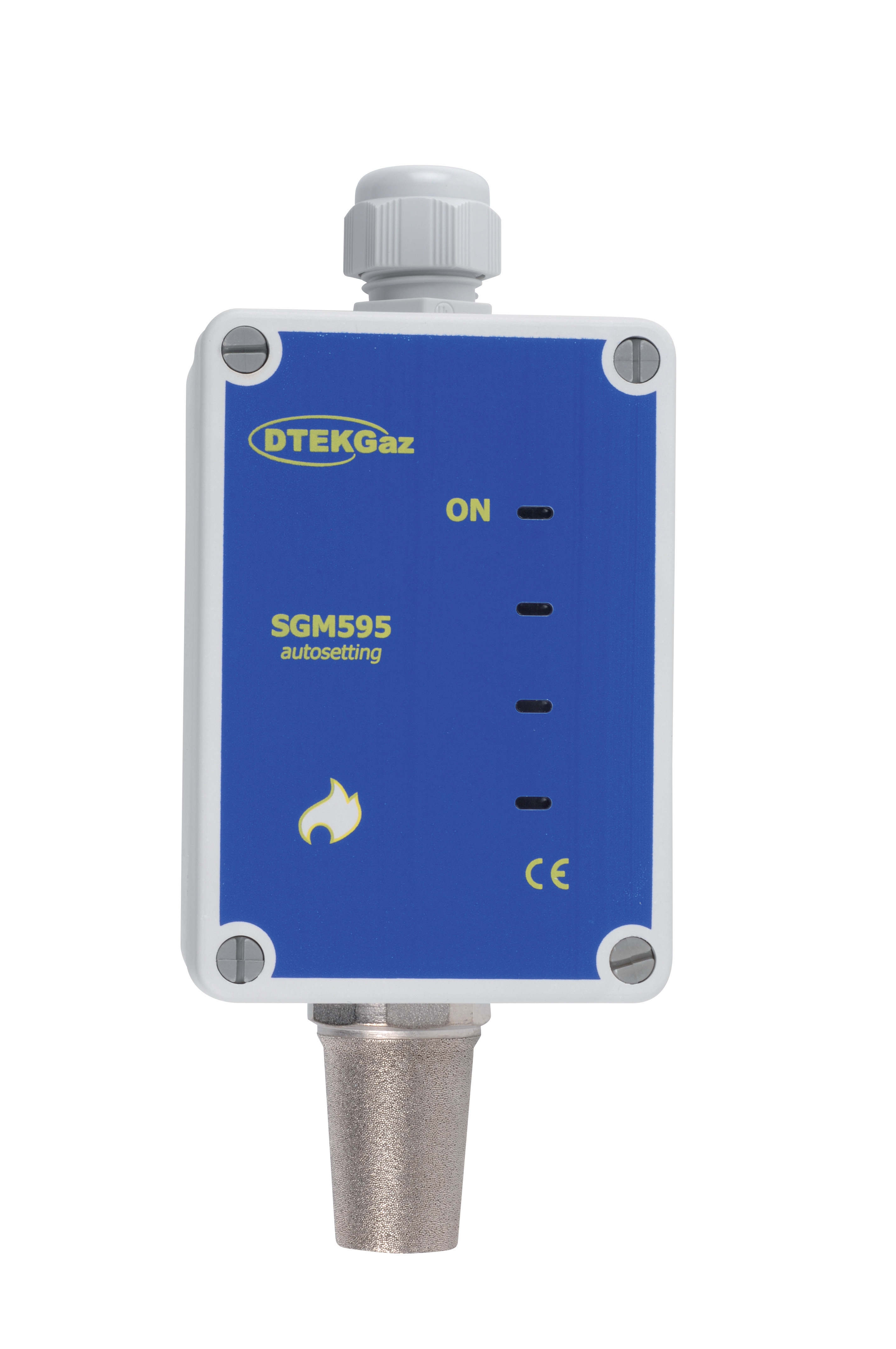
For methane-dominant environments (landfill gas operations, wastewater treatment plants), the DTekGaz Butane probe IP55 operates as a detection sensor rated IP55, enabling field testing of methane and hydrogen detection circuits. This sensor's catalytic detection principle responds to a broad range of flammable gases, making it suitable for mixed-gas environments common in Southeast Asian petrochemical facilities.
Measurement & Detection Procedures: Standardized Field Protocols
Successful self-certification testing requires documented procedures that your technical team executes consistently. This section details the practical steps that transform equipment and gases into actionable compliance verification.
Pre-Test Verification Checklist
Before conducting Measurement & Detection tests, confirm:
1. Environmental Conditions: Temperature and humidity directly affect sensor response. In Southeast Asia's tropical climate (often 85-95% RH above 28°C), test detectors in their installed locations rather than bringing them indoors. Temperature swings between climate-controlled offices and humid production areas create condensation that corrupts sensor readings.
2. Detector History Review: Cross-reference the detector's installation date, last certification, and any recorded malfunctions. If a detector has failed baseline testing twice within 12 months, replacement rather than recertification becomes the cost-effective option—sensor degradation typically accelerates after initial failure events.
3. Gas Bottle Status Verification: Check ammonia bottle pressure gauges and expiration dates. A bottle below 8 bar may not generate sufficient gas flow for reliable sensor response—this creates false negatives that compromise certification validity.
Baseline Response Testing
The DTekGaz Probe tester conducts baseline response by exposing the detector to known concentrations of calibration gas. Typical procedure:
- Expose detector to 50% LEL (Lower Explosive Limit) gas concentration—the detector should trigger within 30-60 seconds
- Increase exposure to 100% LEL—detectors must activate alarm relays
- Reduce concentration below alarm threshold—detectors must silence alarms within 30 seconds
Document actual response times rather than simply recording pass/fail. In Southeast Asian facilities with older detector networks (common in Malaysia and Indonesia where equipment typically operates 15+ years), trending response times reveals degradation patterns that inform replacement scheduling before unexpected failures.
Sensor Cleaning and Maintenance Integration
Tropical environments generate dust accumulation that impairs sensor performance. During Measurement & Detection testing sessions, incorporate:
- Compressed air cleaning (using industrial air systems at 6 bar, 0.1 mm orifice) to remove dust from sensor housing
- Moisture drying using heat guns set to 40-50°C (higher temperatures damage sensors)
- Chemical cleaning with specified solvents for specific detector types—never use generic cleaners that leave residue
This integrated approach extends detector service life 2-3 years beyond standard replacement intervals, reducing procurement costs while maintaining compliance.
Procurement Strategy: Building Resilient Detection Networks
Effective Measurement & Detection procurement for Southeast Asian facilities requires strategic thinking beyond individual component selection.
Regional Supply Chain Resilience
With 35+ years distributing industrial equipment across Asia-Pacific, 3G Electric recognizes supply chain volatility in this region. Ammonia detection systems serve critical functions in refrigeration and chemical processing—extended stockouts create unacceptable operational risk.
Recommended procurement approach:
- Quarterly Ordering: Rather than annual bulk purchasing, establish quarterly procurement cycles with your distributor. This spreads costs across budget cycles while maintaining fresh inventory—calibration gases stored 18-24 months lose effectiveness regardless of expiration dates.
- Dual-Source Strategy: Identify secondary suppliers for critical items like ammonia test bottles. If your primary source experiences delays, alternative supply prevents compliance gaps during scheduled maintenance windows.
- Regional Hub Strategy: For facilities across multiple Southeast Asian countries, consolidate Measurement & Detection equipment procurement through a regional distributor maintaining inventory in Singapore or Malaysia. This reduces individual facility storage requirements while enabling rapid deployment across your network.
Southeast Asia's climate (typically 25-35°C with 70-95% humidity) creates unique storage challenges:
- Store calibration gases in air-conditioned facilities at 18-25°C and 40-60% RH
- Use desiccant packs in storage areas to prevent moisture absorption
- Inspect aluminum bottles monthly for corrosion—salt air near coastal facilities (common in Thailand, Singapore, Vietnam) accelerates degradation
- Implement quarterly pressure testing of stored bottles to confirm seal integrity
Measurement & Detection equipment provides value only through proper operation. Budget 40-60 hours annually for:
- Initial certification training (one technician per 20 detectors in your facility)
- Annual refresher training covering standard updates and lessons learned from failed tests
- Cross-training backup technicians to eliminate single points of failure in your testing capability
This investment eliminates external testing service costs while building internal expertise that improves overall facility safety culture.
Compliance Documentation and Regulatory Alignment
Measurement & Detection self-certification creates an audit trail essential for regulatory compliance across Southeast Asia. Different countries maintain varying oversight:
- Singapore: DOSH (Department of Occupational Safety and Health) requires annual certification records for hazardous gas detection systems. The DTekGaz Probe tester IR output simplifies documentation compliance.
- Malaysia: DOSH Malaysia emphasizes manufacturer calibration certificates, but in-house testing records supplement official certifications.
- Thailand: Factory Inspection Department requires functional testing logs for systems protecting workers from toxic or flammable gases.
- Indonesia: Ministry of Manpower mandates detection system verification but provides flexibility in testing methodology.
Implement centralized documentation systems capturing:
- Test date and time
- Operator identification
- Detector model and serial number
- Gas type, concentration, and bottle lot number
- Response times and alarm thresholds
- Pass/fail determination
- Next scheduled test date
Digital records (spreadsheets or dedicated safety software) enable trend analysis—facilities using DTekGaz Probe tester IR printing can automatically generate compliance reports suitable for regulatory submissions.
Implementation Roadmap: Phased Approach for Southeast Asian Facilities
Rolling out Measurement & Detection self-certification across multi-facility operations requires phased implementation:
Phase 1 (Months 1-2): Assessment and Planning
- Inventory all gas detectors across your facility network
- Identify detector types and hazard classification (ammonia, methane, hydrogen, etc.)
- Audit existing testing procedures and compliance documentation
- Determine local regulatory requirements by country
- Order DTekGaz Probe tester and establish testing workspace
- Procure initial calibration gas supply (DTekGaz Ammonia test bottle or equivalent based on your detector portfolio)
- Establish temperature/humidity-controlled storage meeting manufacturer specifications
- Develop standardized testing procedures aligned with EN and IEC standards
- Train primary technicians through 40-hour certification program
- Conduct baseline testing of 10-15 detectors to validate procedures
- Establish documentation systems and regulatory compliance templates
- Identify equipment issues or process improvements before full rollout
- Execute complete detector certification program across all facilities
- Establish quarterly maintenance cycles and documentation reviews
- Monitor response time trends to inform replacement scheduling
- Conduct annual procedure audits to address regulatory changes or operational lessons learned
Conclusion
Measurement & Detection in gas safety certification transforms from a compliance obligation into competitive advantage when implemented through structured self-testing programs. For procurement engineers across Southeast Asia, this requires understanding regional climate impacts on sensor performance, developing supply chain resilience through strategic distributor partnerships, and building internal technical capabilities that eliminate external testing dependencies.
3G Electric's 35+ years supporting industrial operations throughout Asia-Pacific positions us to provide not just equipment but regional expertise—understanding that ammonia detection in Malaysia's humid port facilities requires different storage protocols than methane detection in Thailand's inland chemical plants.
Start with foundational equipment: the DTekGaz Probe tester for reliable detector validation, calibration gases matched to your specific hazards, and documented procedures aligned with applicable international standards. The initial investment—typically $4,000-6,000 for equipment and training—returns value within 6-12 months through eliminated external testing costs while strengthening your facility's safety compliance posture.
Contact 3G Electric to discuss how Measurement & Detection procurement strategies can optimize your facility's gas safety certification program across Southeast Asia.