Electrical & Pneumatic Measurement Tools: A Procurement Guide for Industrial Detection Systems Globally
Industrial procurement engineers face a critical challenge: selecting measurement and detection tools that integrate across multiple diagnostic domains—electrical testing, pneumatic system management, and temperature monitoring. This guide addresses the specialized intersection of these three measurement categories, exploring how modern procurement teams evaluate electrical safety tools, portable pneumatic inflators, and precision thermometers as a coordinated detection ecosystem. Rather than treating each instrument type in isolation, we examine how these tools work together in real-world industrial environments across global operations, enabling faster fault diagnosis and reducing equipment downtime through comprehensive, multi-parameter assessment.
Understanding the Integrated Measurement & Detection Landscape
Measurement and detection systems in modern industrial facilities operate across three primary technical domains: electrical safety detection, pneumatic system diagnostics, and thermal analysis. Each domain addresses specific failure modes and system vulnerabilities. Electrical detection tools identify voltage hazards and equipment faults before they cause injury or equipment damage. Pneumatic measurement instruments—particularly portable inflators with integrated pressure displays—enable technicians to maintain expansion tanks, air suspension systems, and pressurized components with real-time feedback. Temperature measurement instruments detect thermal anomalies that indicate bearing wear, system inefficiency, or imminent component failure.
The procurement challenge lies in understanding how these three domains intersect in practical maintenance workflows. A maintenance technician troubleshooting a hydraulic system failure may need to verify electrical supply integrity, measure system pressure accurately, and assess fluid temperature simultaneously. Selecting tools that address all three parameters—rather than purchasing isolated instruments—reduces inventory complexity, accelerates training cycles, and improves diagnostic confidence. For global operations, this integrated approach becomes even more critical, as it allows standardized toolkits to be deployed across multiple facilities regardless of regional variation in equipment types or maintenance protocols.
The evolution toward portable, battery-powered instruments has transformed industrial measurement from a stationary laboratory function into a mobile, field-deployed capability. Modern procurement engineers must evaluate not only measurement accuracy and range, but also battery performance, operating temperature limits, ruggedness, and ergonomic design—factors that directly impact technician productivity and measurement reliability in harsh industrial environments.
Electrical Testing and Pneumatic Diagnostics: Technical Specifications and Real-World Tools
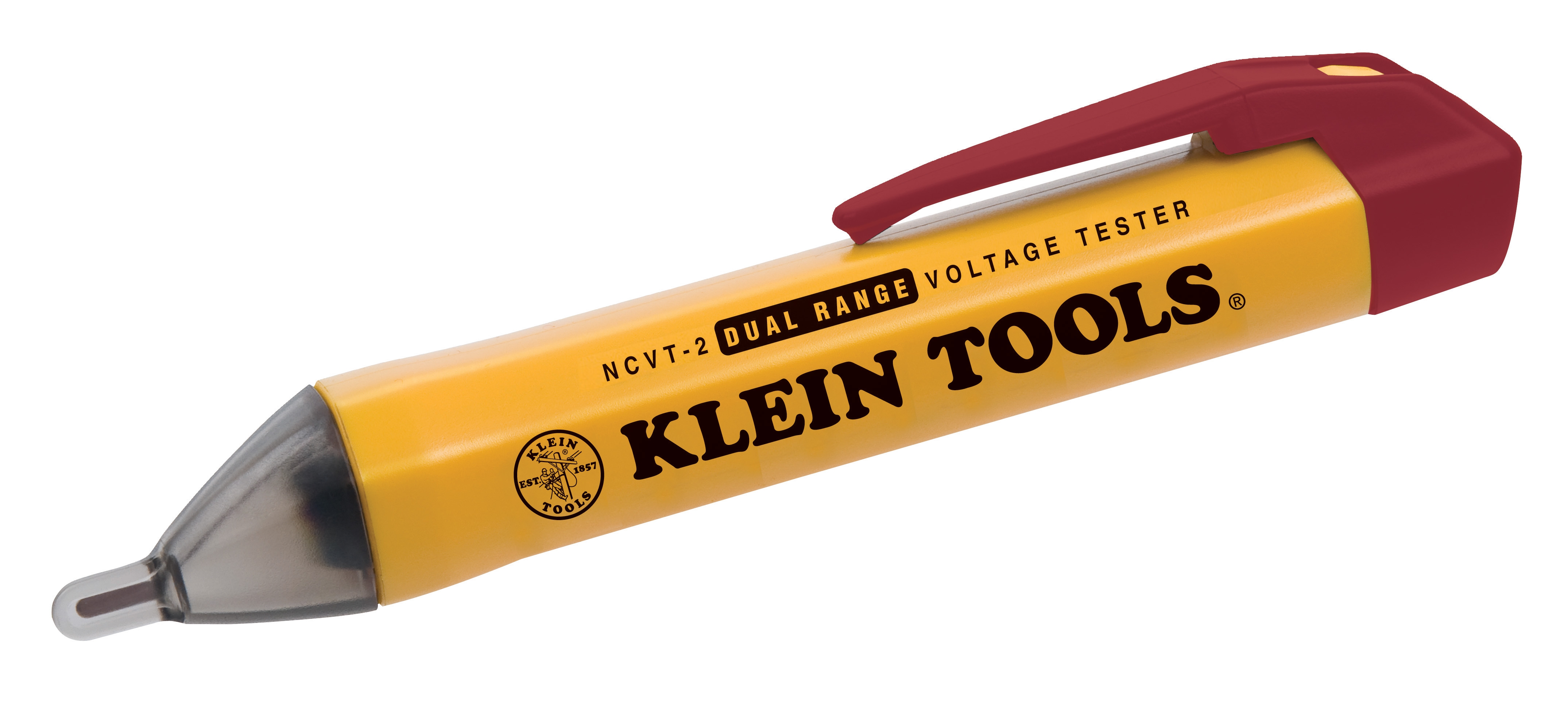
Electrical detection begins with non-contact voltage sensing, the foundational safety practice that prevents accidental contact with live circuits. The CBM Non-contact Voltage Detector represents modern dual-range design, capable of detecting voltage presence within a 6 mm detection range, enabling technicians to verify circuit status before touching any conductors. This tool is essential in industrial environments where circuits may be improperly labeled or where multiple voltage sources exist in close proximity. The dual-range feature allows detection across both standard household voltages and industrial three-phase systems, making it universally applicable across diverse facility types.
For more detailed electrical analysis, the CBM Automatic Multimeter MM420 provides comprehensive measurement capability. With maximum AC/DC current measurement of 10 A on the high range and 400 mA on the low range, combined with a 9V battery and 400 mA/250 V fuse protection, this instrument enables technicians to perform circuit diagnostics, continuity testing, and resistance measurement in a single portable device. The automatic ranging feature reduces operator error and accelerates measurement cycles—critical advantages when multiple circuits require rapid assessment.
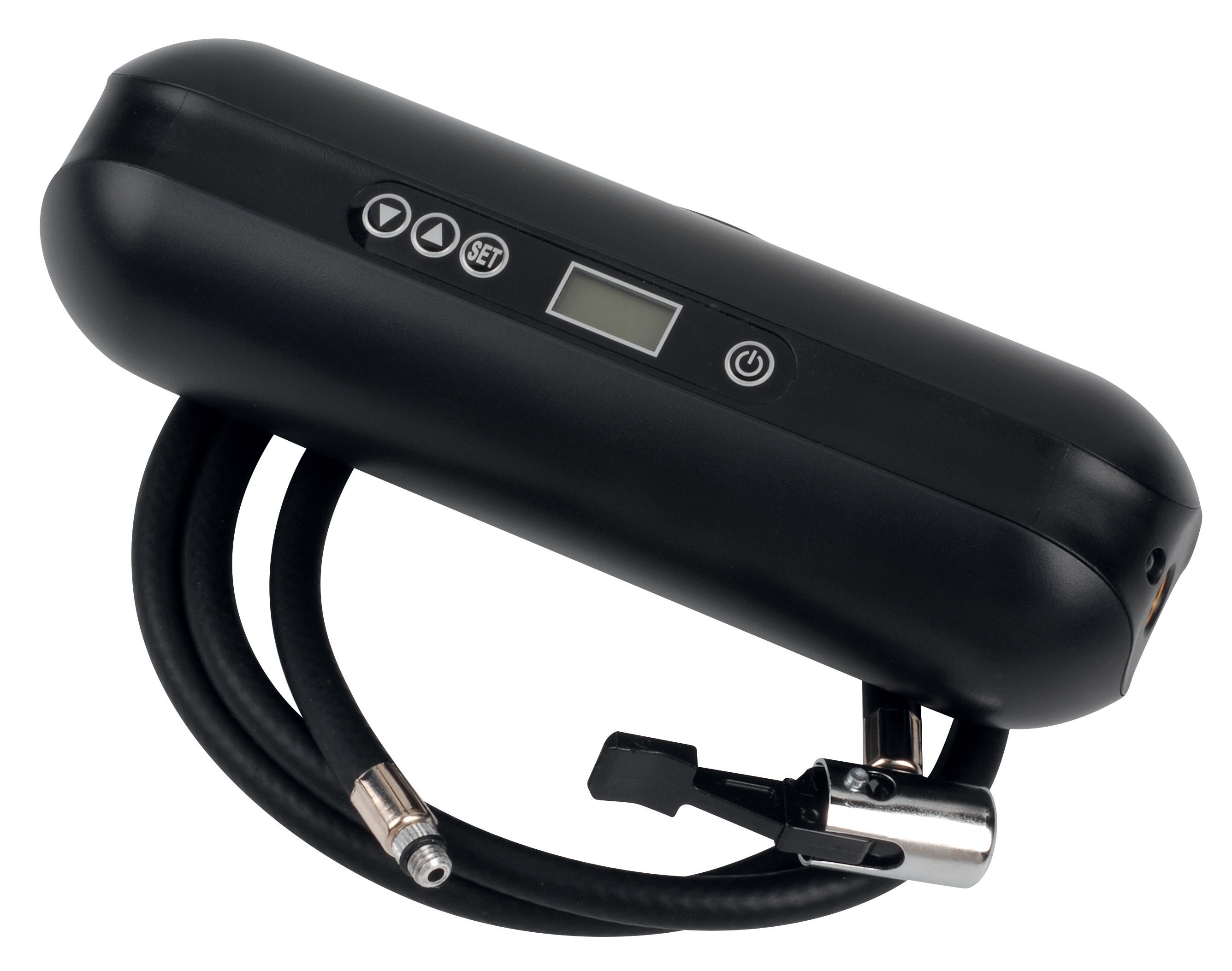
On the pneumatic side, pressure measurement and system inflation represent equally important diagnostic functions. The CBM Expansion Tank Inflator with 2000 mAH Battery addresses a specific but universal industrial need: maintaining proper pressure in expansion tanks across heating systems, hydraulic accumulators, and air suspension equipment. With maximum pressure capability of 10.3 bar (150 PSI) and digital pressure display, technicians can inflate to specification without overcharging—a common cause of equipment failure. The wide operating temperature range of -20 to +60°C ensures functionality across seasonal extremes and in unheated industrial spaces. Pressure units display in PSI, BAR, KPA, and KG/CM² (kilogram-force per square centimeter), accommodating technicians trained in different regional measurement systems and global facilities using diverse equipment specifications.
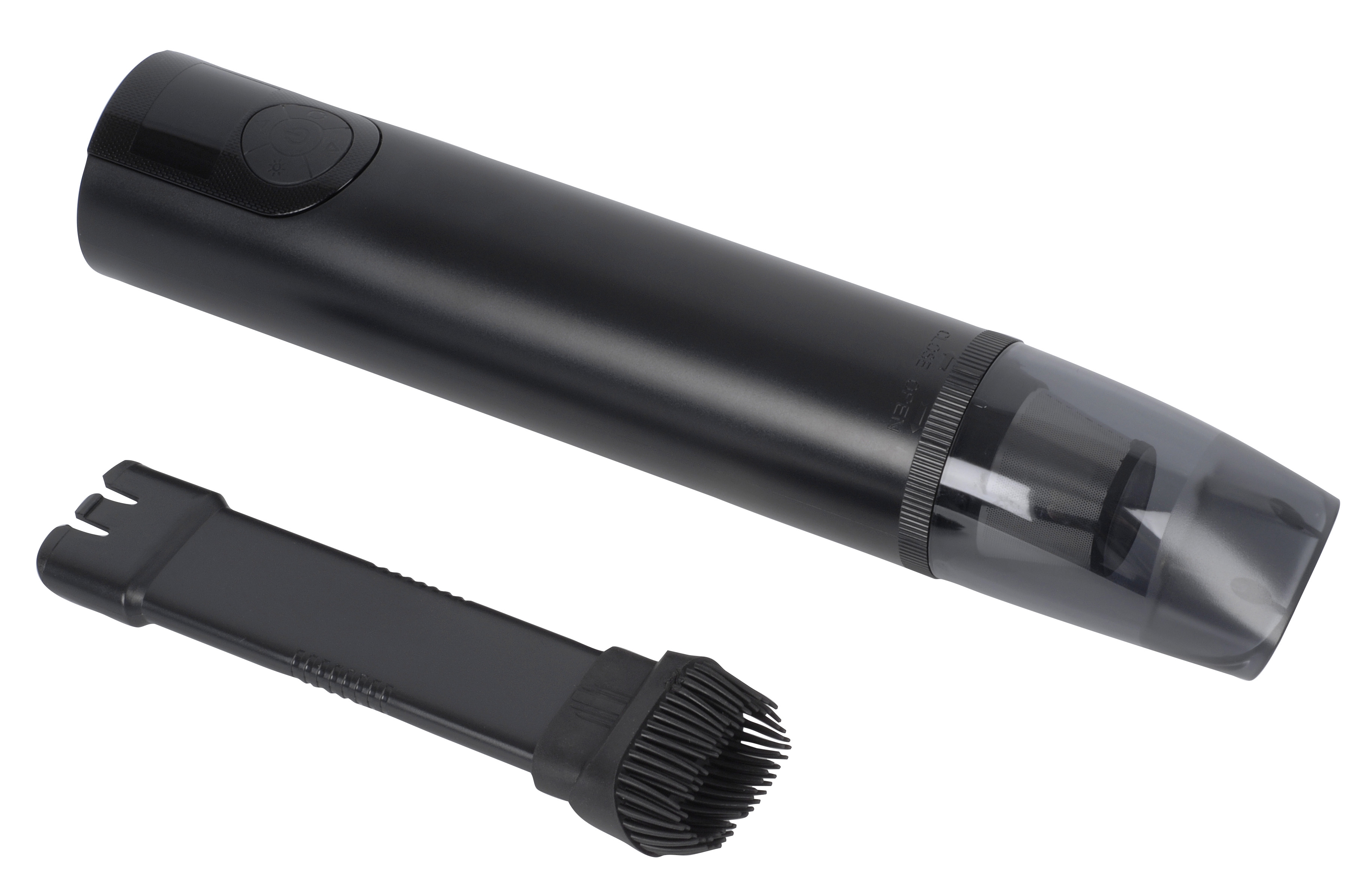
For more demanding multi-functional applications, the CBM Multifunction Inflator with 2500 mAH Battery extends capability beyond expansion tank work. Operating at up to 120 PSI with 45W motor power, this 2500 mAH battery-powered tool combines inflation and vacuum functions in a single device. The 35-minute maximum continuous runtime enables completion of most pneumatic tasks without mid-task charging. Available in both brushed (620g) and brushless (590g) motor configurations, the brushless variant offers extended bearing life and improved electromagnetic interference suppression—advantages in facilities with sensitive electronics nearby. Operating temperature range of -10 to +45°C suits most climates, though the expansion tank inflator's extended cold-weather capability makes it preferable for seasonal or outdoor applications.
Temperature Measurement Integration into Industrial Diagnostics
Temperature measurement serves as a critical early-warning system for mechanical degradation, system inefficiency, and imminent failure. The CBM Axial Thermometer D65 -40/+40°C with Thermowell provides direct insertion temperature measurement across a -40 to +40°C range—sufficient for most HVAC, heating, and cooling system diagnostics. The 63 mm dial case ensures readability in industrial environments where small instruments may be overlooked, while the axial design (probe extending from the bottom of the case) allows installation in tight spaces where radial mounting would prove impossible. The NPT connection accommodates both North American and many international facilities. Brass stem material resists corrosion in water systems, while the thermowell provides mechanical protection, allowing safe removal during operation and reducing shutdown time during measurement.
This temperature measurement capability directly integrates with pneumatic and electrical diagnostics. A technician expanding a pressure tank can simultaneously measure the fluid temperature, identifying whether temperature rise correlates with pressure gain—an indication of proper adiabatic heating. Electrical load analysis can be cross-referenced with transformer or motor temperature to confirm whether electrical stress is translating to thermal stress as expected. This multi-parameter approach significantly improves diagnostic confidence and reduces the risk of misdiagnosis that leads to unnecessary component replacement.
Real-World Application Scenarios: Integrated Measurement in Action
Scenario 1: Hydraulic System Troubleshooting in a Manufacturing Facility
A production line experiences intermittent pressure loss in a hydraulic actuator. The maintenance team deploys integrated diagnostics: first, the non-contact voltage detector confirms that the proportional valve solenoid is receiving electrical power; second, the multimeter measures actual solenoid coil resistance to rule out internal winding failure; third, the expansion tank inflator verifies that the system accumulator contains proper pre-charge pressure; and finally, the axial thermometer confirms that system fluid temperature is within normal operating range. By eliminating each potential failure mode systematically, the team identifies the true cause—a micro-leak in the proportional valve spool—within one diagnostic cycle, rather than replacing components speculatively.
Scenario 2: HVAC System Commissioning Across Multiple Global Facilities
A facility management company deploying standardized HVAC systems across twelve international locations uses integrated measurement tools to ensure consistent performance. Each facility receives identical toolkits: non-contact voltage detectors for electrical verification, multimeters for control circuit diagnostics, expansion tank inflators for maintaining proper pre-charge in heating system accumulators, and axial thermometers for water temperature confirmation. Technicians follow a standardized commissioning checklist that measures all four parameters, ensuring that pressure, temperature, and electrical function are verified identically across all locations. This approach reduces the likelihood of missed configuration errors and allows central engineering teams to compare diagnostic data across facilities in different time zones and climates.
Selection Criteria and Procurement Best Practices
Define your measurement domains before selecting tools. Identify whether your maintenance operations require electrical verification (non-contact detection), electrical diagnostics (multimeter), pneumatic system management (inflation and pressure display), and temperature monitoring (thermometer). Procurement engineers who address all relevant domains upfront avoid the inefficiency of purchasing additional tools mid-year when unmeasured parameters prove critical to diagnostics.
Evaluate battery performance against facility geography. If operations span climates from -20°C to +50°C, select instruments with the widest operating temperature ranges. Battery capacity (measured in mAH) should match the typical duration of maintenance cycles—expansion tank inflators with 2000 mAH provide adequate runtime for most tank maintenance, while multifunction inflators with 2500 mAH suit facilities requiring more complex pneumatic work.
Prioritize measurement ranges that exceed your maximum expected values. Select pressure gauges and digital displays with maximum ratings 50% above your system's nominal pressure. This practice reduces measurement uncertainty at full scale and provides diagnostic margin if pressure unexpectedly rises due to system malfunction. For temperature measurement, ensure the thermometer range exceeds both your coldest expected conditions and your highest operating temperature by 10°C on each end.
Standardize measurement units across your global operation. Select pneumatic inflators that display pressure in multiple units (BAR, PSI, KPA, KG/CM²), allowing technicians trained in different regional standards to work efficiently without unit conversion errors. This becomes especially important in multinational facilities or when managing equipment sourced from different continents.
Invest in protective infrastructure. Battery-powered instruments require charging capability distributed throughout your facility. Ensure that charging ports (USB, cigarette lighter adapters) are available at strategic maintenance locations to prevent runtime emergencies during critical diagnostics.
Closing Perspective: Integrated Measurement as Competitive Advantage
Industrial procurement engineers who approach measurement and detection as an integrated ecosystem—rather than as isolated functional requirements—gain significant competitive advantages. Faster diagnostics reduce mean time to repair (MTTR), lower energy costs through earlier detection of inefficiencies, and improve safety by catching electrical hazards before they cause injury. In global operations, standardized measurement toolkits enable consistency across facilities in different regions, supporting remote diagnostics and reducing the need to physically replace components based on incomplete information.
The tools discussed in this guide represent the foundation of modern industrial diagnostics. Whether your operations span manufacturing, HVAC, hydraulics, or process control, the combination of electrical detection, pneumatic management, and temperature measurement provides the multi-parameter visibility that enables confident, rapid fault diagnosis.
Ready to standardize your measurement and detection capabilities globally? Browse 3G Electric's complete measurement and detection product range, or explore our electrical testing instruments. For custom toolkit configuration tailored to your specific industrial applications and geographic requirements, contact our procurement specialists at 3G Electric. We serve industrial customers across the globe with distributor expertise since 1990, and we're ready to help you build the measurement systems your operations demand.