Measurement & Detection Tools for Industrial Commissioning: A Practical Selection Guide for Global Facilities
Industrial commissioning demands precision, reliability, and the right toolkit. Whether you're bringing a new HVAC system online, validating pressure systems, or troubleshooting electrical faults, measurement and detection equipment forms the backbone of safe, efficient operations. For procurement and purchase engineers across global facilities, selecting the appropriate instruments isn't merely about checking boxes—it's about understanding what each tool measures, how it performs under real-world conditions, and when to deploy it. This guide walks through essential measurement and detection categories, specific product recommendations, and practical selection criteria that will help your team make informed purchasing decisions.
Understanding the Core Measurement and Detection Landscape
Measurement and detection encompasses several distinct yet interconnected disciplines: pressure monitoring, electrical safety verification, temperature measurement, and fluid system diagnostics. In industrial environments—whether manufacturing plants, building services, or infrastructure facilities—these measurements run continuously to ensure system integrity, operator safety, and regulatory compliance.
Pressure measurement stands as a foundational requirement. Systems operating under pressure—from HVAC boilers to pneumatic lines—demand accurate, real-time pressure monitoring. Analogmechanical gauges remain industry standards because they require no power source, offer immediate visual feedback, and function reliably in harsh environments. The glycerin-filled design prevents needle flutter and corrosion, extending gauge lifespan in demanding applications.
Electrical measurement and detection has evolved significantly. Modern facilities require both active testing (using multimeters for voltage, current, and resistance) and passive detection (non-contact voltage detection for safety verification without circuit disruption). These tools prevent accidental contact with live circuits while enabling rapid troubleshooting.
Temperature measurement varies by application. Immersion thermometers work well for direct fluid measurement, while thermocouples provide rapid response and compatibility with infrared detection systems. Each technology serves specific scenarios—understanding which application demands which instrument prevents costly measurement errors.
Auxiliary measurement tools round out the toolkit. Expansion tank inflation, for instance, requires precision pressure control to avoid over-pressurization and system damage. Battery-powered inflators with digital displays represent a significant advancement over manual tools, enabling technicians to achieve exact specifications consistently.
Essential Measurement and Detection Products for Your Facility
Building a comprehensive measurement toolkit requires selecting instruments that address your specific operational needs. Here are the critical categories and recommended products:
Pressure Gauges for System Validation
The CBM Glycerin Stainless Steel Pressure Gauge (D50, 0-4 bar, G1/4) delivers reliable low-pressure monitoring for HVAC systems, boilers, and general pneumatic applications. The glycerin dampening eliminates needle oscillation caused by pulsating pressure, enabling precise readings in systems with fluctuating loads. Stainless steel construction ensures longevity in humid or corrosive environments—critical for facilities in regions with tropical or marine climates. The 50mm dial face provides clear readability without requiring close inspection, reducing operator error during routine monitoring rounds.
Non-Contact Voltage Detection
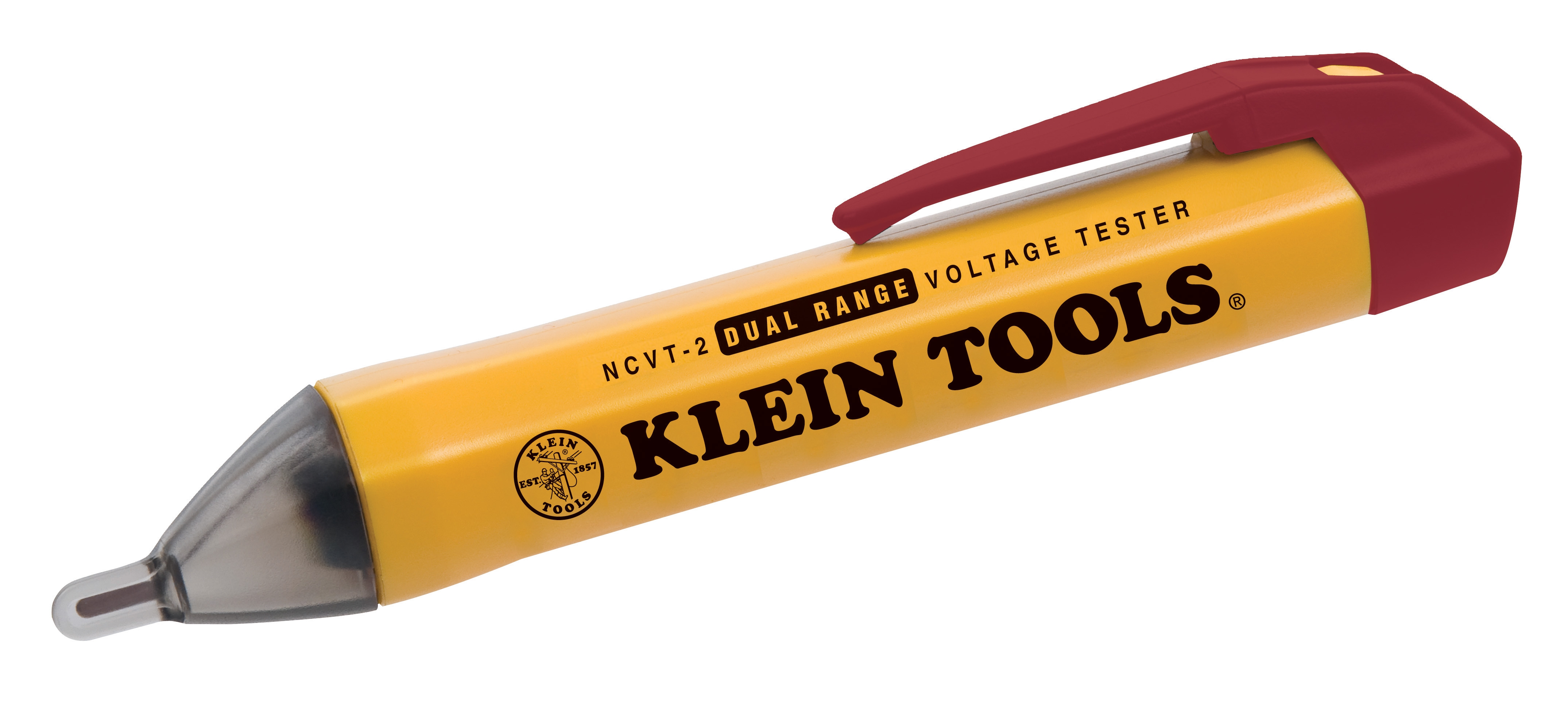
The CBM Non-Contact Voltage Detector represents essential safety equipment for electrical commissioning and troubleshooting. This dual-range tool enables technicians to verify circuit status without breaking connections—critical when testing live equipment or validating de-energized circuits before maintenance work. The non-contact design prevents arc flash risk and eliminates accidental short-circuit hazards. Used correctly, this detector becomes your first line of verification before connecting any measurement instrument to electrical systems.
Multimetering and Electrical Analysis
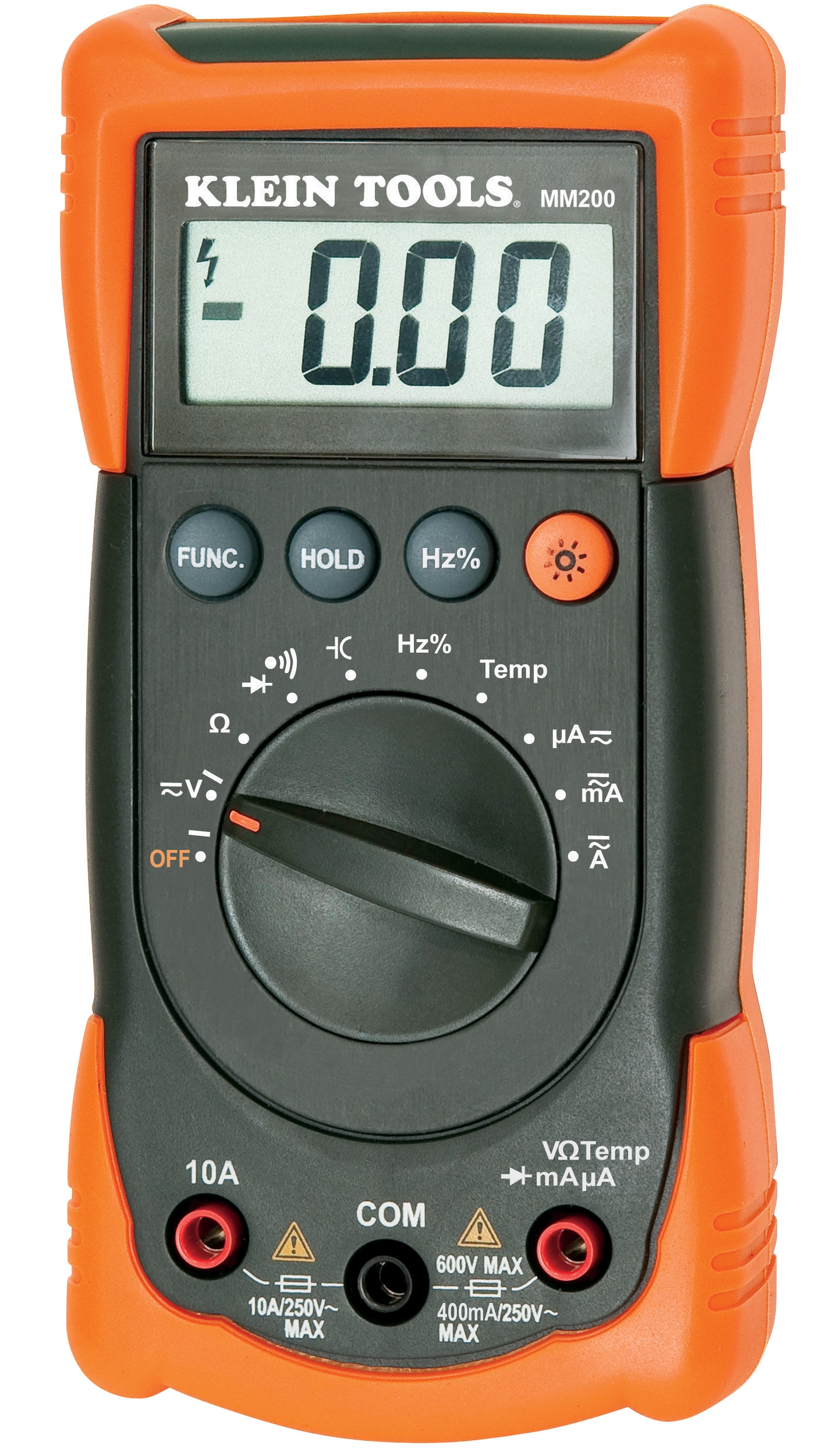
The CBM Automatic Multimeter MM420 provides comprehensive electrical measurement—voltage, current, resistance, and continuity—in a single instrument. Automatic range selection reduces user error, essential when technicians work under time pressure during commissioning windows. The meter's ability to measure both AC and DC current accommodates diverse industrial electrical systems, from facility power distribution to motor control circuits.
Temperature Measurement Solutions
The CBM Type K Thermocouple for High-Temperature Infrared Thermometers extends your temperature measurement capability to rapid non-contact assessment. Type K thermocouples function across the widest industrial temperature range (-200°C to +1372°C), making them universally applicable. The accessory nature of this product means it integrates seamlessly with existing infrared thermometer infrastructure, expanding measurement capability without wholesale equipment replacement.
Expansion Tank Commissioning
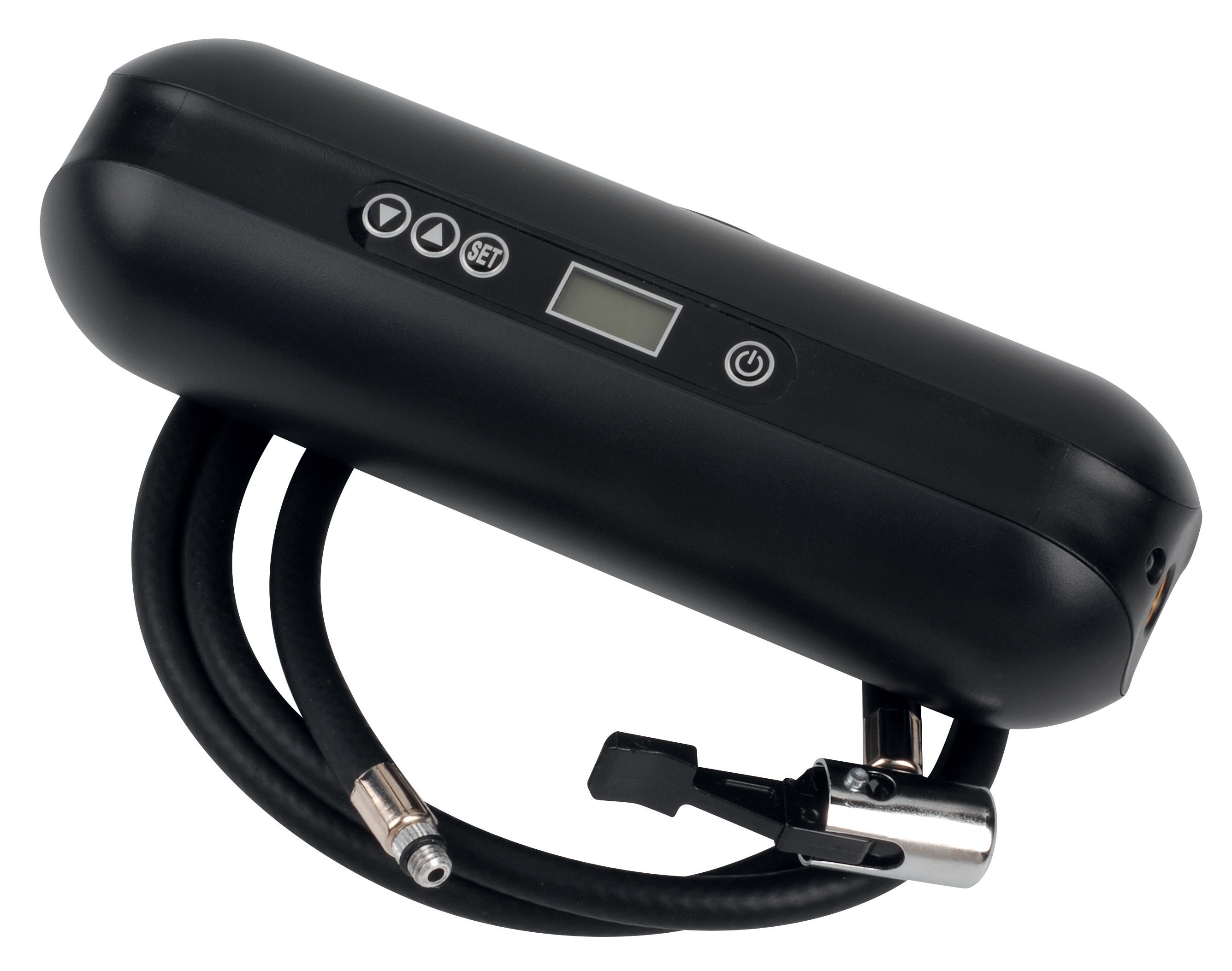
The CBM Expansion Tank Inflator (2000 mAH Battery) simplifies one of HVAC's most critical yet often poorly executed tasks. Expansion tank pre-charge pressure directly impacts system performance and component lifespan. This battery-powered inflator features digital pressure display and automatic shutoff, eliminating the guesswork of manual hand pumps. USB-rechargeable battery design suits both field technicians and permanent installation teams. The 1-meter hose and quick-connect capability reduce setup time during commissioning.
Real-World Application Scenarios
HVAC System Commissioning
A new hydronic heating system requires four critical measurements: boiler pressure validation, expansion tank pre-charge verification, system fill pressure confirmation, and temperature measurement at key points. The technician begins with the non-contact voltage detector to verify pump de-energization before opening any connections. Next, the expansion tank inflator confirms proper pre-charge, typically 0.5 bar below minimum system operating pressure. The glycerin-filled pressure gauge then validates fill pressure during system commissioning. Finally, temperature measurement at supply and return lines confirms heat delivery—comparing actual temperatures against design calculations to identify potential issues like air entrapment or pump cavitation.
Electrical Circuit Validation
During motor commissioning, the non-contact voltage detector first confirms circuit de-energization. The automatic multimeter then measures phase voltages, verifies symmetry, and confirms proper grounding. This sequence prevents dangerous surprises when energizing equipment for the first time.
Pneumatic System Diagnostics
A compressed air line serving multiple work stations drops pressure under load, indicating a leak. The pressure gauge confirms pressure loss while isolating sections of the line. Continued measurement during operation identifies which segment loses pressure most rapidly, guiding technicians to the source.
Selection Criteria and Best Practices
Matching Instrument Range to Application
Undersizing or oversizing measurement range reduces accuracy and reliability. A 0-4 bar gauge used to measure 3.5 bar system pressure provides far better accuracy than a 0-10 bar gauge on the same system. Select pressure gauges where your typical operating point falls in the middle 50% of the dial range. For electrical measurement, verify that multimeter current ranges accommodate both control circuit milliamp measurements and main circuit amp-level testing.
Environmental Durability
Stainless steel construction isn't optional in humid, corrosive, or marine environments. Glycerin-filled gauges survive vibration-prone installations. Battery-powered tools require verification that charging infrastructure (USB ports or vehicle cigarette lighter plugs) matches your facility's available power sources. Temperature extremes require instruments rated for your climate—tropical facilities face different challenges than alpine installations.
Regulatory and Standards Compliance
Pressure measurement often requires certified accuracy (typically ±1.6% of full scale). Electrical measurement must comply with IEC 61010 safety standards, particularly Category III or IV ratings depending on your facility's electrical distribution. Documentation of measurement calibration proves regulatory compliance during audits.
Procurement teams across global facilities benefit from standardizing on measurement and detection products. Consistency simplifies training, reduces spare parts inventory, and enables technicians to move between locations while using familiar equipment. 3G Electric's comprehensive measurement and detection collection provides the breadth of options needed to equip facilities with appropriate instruments across multiple measurement disciplines.
Building Your Facility's Measurement Strategy
Effective measurement and detection doesn't happen accidentally. Procurement engineers should:
- Audit your facility's systems to identify measurement requirements (pressure, temperature, electrical validation)
- Determine accuracy requirements based on system sensitivity—HVAC systems demand higher precision than facility air lines
- Consider environmental factors: humidity, temperature extremes, vibration, and corrosive atmospheres
- Plan for consumables: pressure gauge damping fluid, multimeter batteries, thermocouple tips
- Establish calibration schedules to maintain measurement accuracy over time
- Document measurement points and acceptable ranges for technician reference
Whether commissioning new systems or maintaining existing infrastructure across global operations, the right measurement and detection instruments form your foundation for safe, efficient, compliant industrial operations. The products recommended here represent proven solutions deployed in demanding industrial environments worldwide. Contact 3G Electric today to discuss your facility's specific measurement needs, explore our full measurement and detection product portfolio, or request technical guidance on instrument selection for your application. Our team brings decades of experience helping procurement engineers specify the right tools for success.