Understanding Controls & Safety in Modern Ignition Systems
Controls & Safety components form the critical foundation of burner system reliability, particularly in Singapore's demanding industrial and commercial HVAC environments. The choice between relay-based architectures and integrated ignition modules directly affects system performance, installation complexity, and long-term operational costs.
With over 35 years of experience distributing industrial equipment, 3G Electric has observed a clear shift in how Singapore HVAC contractors approach ignition system selection. Modern burner applications increasingly demand systems that simultaneously deliver reliable flame detection, responsive ignition control, and comprehensive safety monitoring—all while maintaining compliance with international standards including EN 746-2, EN 676, and SIL 3 performance levels.
The fundamental decision contractors face involves selecting between modular relay systems that provide granular component control and integrated modules that consolidate multiple functions into single devices. Each approach offers distinct advantages depending on burner capacity, fuel type, existing infrastructure, and maintenance capabilities.
Relay-Based Ignition Control Architecture
Relay-based systems utilize individual safety control relays paired with discrete flame detection and pressure monitoring components. This architecture has proven particularly effective for medium to high-power burner applications where flexibility and troubleshooting precision are operational priorities.
Control Relay Selection and Performance
The Kromschroder BCU 570WC1F1U0K1-E burner control relay exemplifies modern relay-based safety architecture. This unit supports direct ignition alongside intermittent and continuous pilot ignition modes, accommodating diverse fuel-burning strategies common in Singapore's industrial sector. The relay's compliance with EN 746-2 and EN 676 standards ensures compatibility with local regulatory frameworks.
For HVAC contractors, relay-based systems offer critical operational advantages:
- Component-level diagnostics: Failed relays can be isolated and replaced without affecting pilot light systems or pressure monitoring circuits
- Scalability: Multiple relays can be combined for dual-fuel burner applications or high-capacity systems requiring sequential ignition stages
- Maintenance accessibility: Individual relay replacement reduces downtime compared to replacing integrated modules
- Cost-effective upgrades: Existing installations can incorporate enhanced safety monitoring by adding pressure switches or upgraded relays without full system replacement
The Siemens LFL 1.622 safety control unit extends relay-based architecture with integrated UV and ionization flame monitoring capabilities. This hybrid approach bridges traditional relay design with modern flame detection technology, particularly valuable for contractors managing mixed fuel-type installations (gas, oil, dual-fuel burners).
Pressure Monitoring Integration
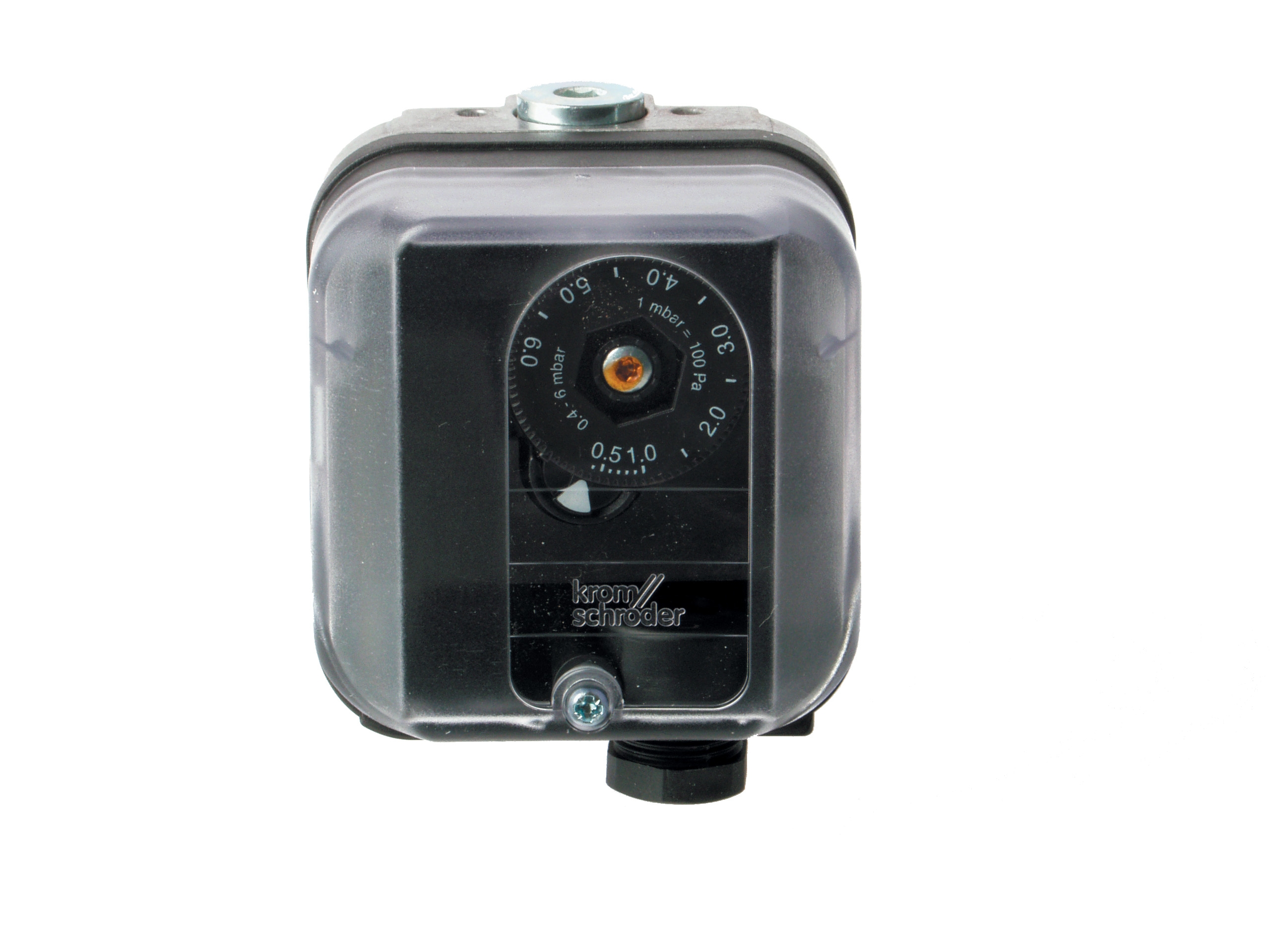
Pressure switches serve as critical safety gatekeepers in relay-based systems. The Kromschroder DG 50U/6 pressure switch, rated SIL 3 and Performance Level e, addresses Singapore's stringent industrial safety requirements. This component validates burner operating pressure before allowing ignition and continuously monitors pressure during operation.
For contractors implementing relay-based systems, pressure switch selection requires careful attention to:
- SIL rating alignment: DG 50U/6's SIL 3 certification matches most industrial burner safety requirements
- Certification coverage: FM, UL, AGA, and GOST-TR certifications ensure acceptance across diverse facility standards
- Pressure range accuracy: Precise calibration prevents nuisance shutdowns while maintaining safety margins
- Response time: Pressure monitoring must respond faster than ignition delays to prevent unsafe ignition sequences
Integrated Ignition Module Architecture
Integrated ignition modules consolidate flame detection, pressure monitoring, and ignition control into single devices, reducing wiring complexity and physical footprint. This approach appeals to Singapore contractors managing space-constrained installations or seeking simplified maintenance procedures.
Flame Control Module Functionality
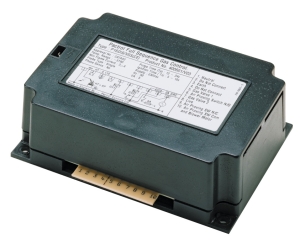
The Pactrol Housing P 16 DI flame control module demonstrates integrated architecture capabilities. Operating at 230V supply with 12 kV output voltage and 10MJ output energy, this unit handles ignition spark generation and flame detection simultaneously. The module's design specifically targets ignition system applications where electrode spark timing and flame sensor response require precise coordination.
Integrated modules provide distinct advantages for specific applications:
- Simplified wiring: Consolidated ignition and detection circuits reduce installation time and potential connection errors
- Coordinated response timing: Built-in flame detection ensures spark generation and flame verification operate in synchronized sequences
- Compact installation: Space-constrained equipment rooms or rooftop units benefit from reduced external component count
- Factory-tested operation: Integrated modules arrive pre-programmed with matched ignition-detection parameters
However, contractors must acknowledge integrated module limitations: component failure typically requires complete unit replacement, spare parts availability may be limited, and modifications to ignition sequences demand manufacturer involvement.
Gas Control Block Integration
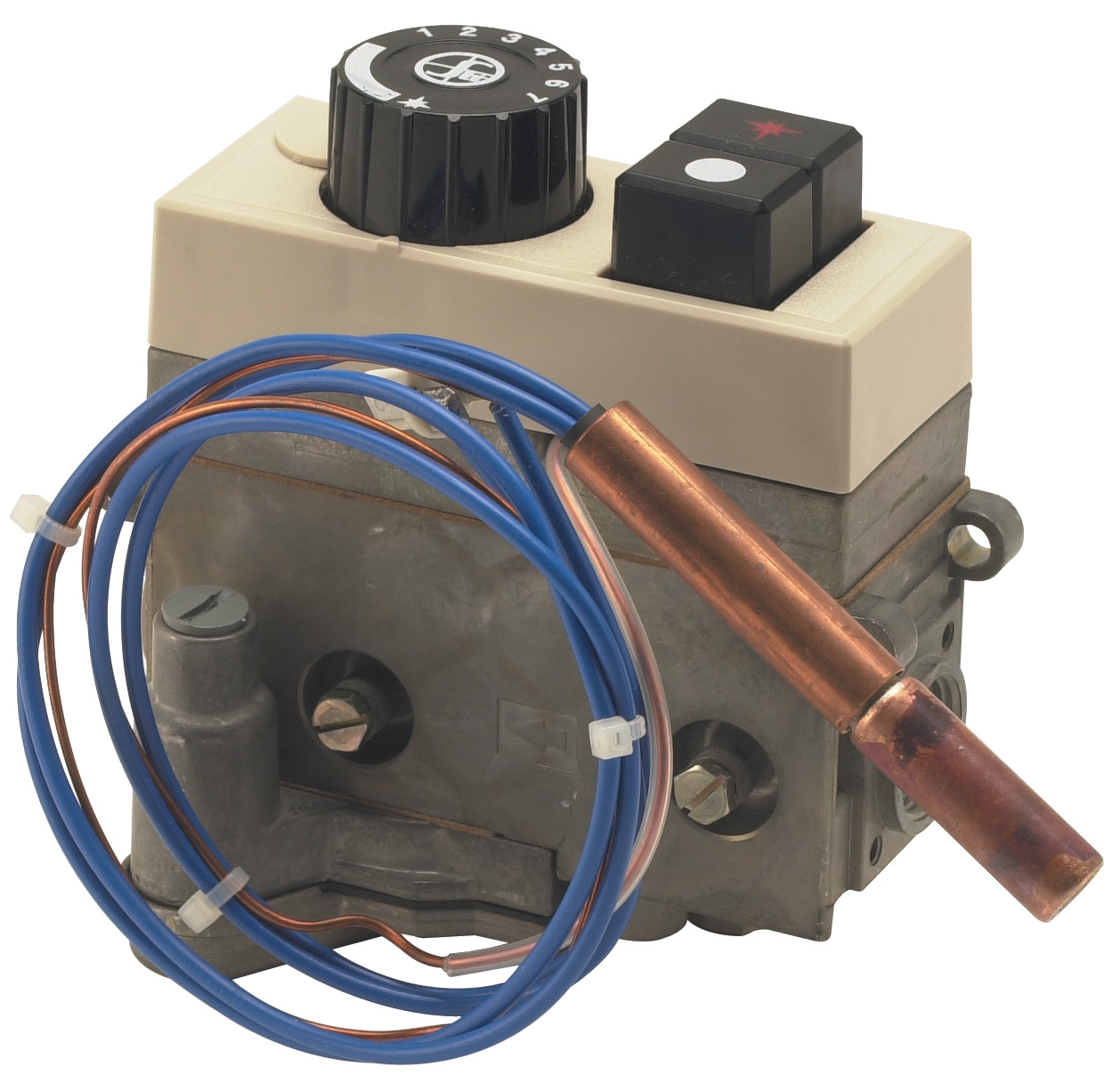
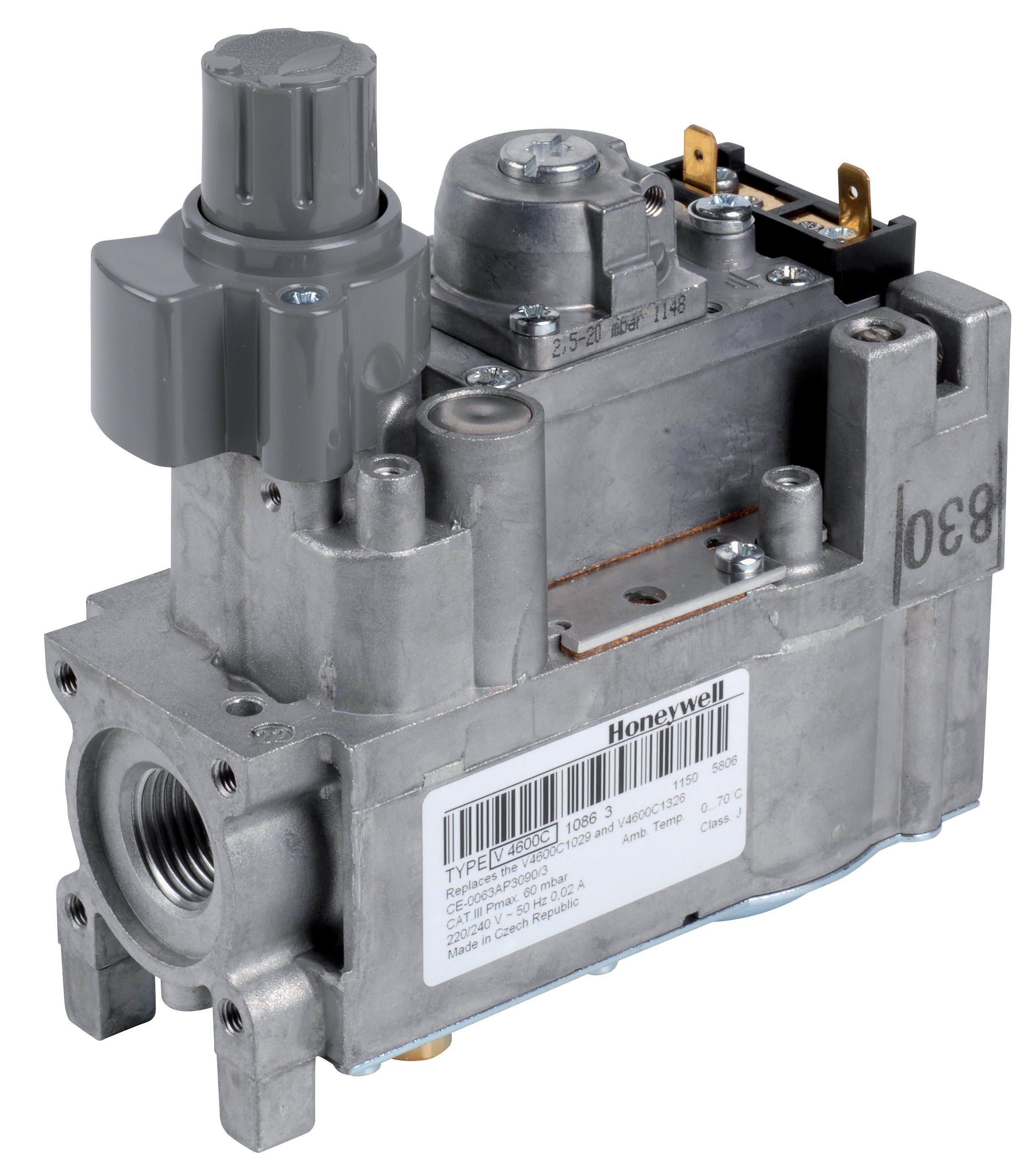
The Honeywell VK 4105 C gas control block represents the integration approach extended to pressure regulation. This electric modulating pressure regulator features M8 x 1 pilot connection and M5 pressure feedback threading, enabling precise fuel delivery control across -5 to 140°F operating ranges—critical for Singapore's tropical climate where cooling system inlet pressures can fluctuate significantly.
When integrated with ignition modules, gas control blocks create closed-loop fuel delivery systems where flame feedback directly influences pressure regulation. This architecture proves particularly effective for modulating burners requiring proportional fuel control based on load demand.
Performance Comparison: Reliability and Maintenance Implications
System Uptime and Troubleshooting
Relay-based systems typically demonstrate higher uptime in tropical environments where moisture and temperature fluctuations stress electronic components. Individual relay replacement takes 15-30 minutes, whereas integrated module replacement may require 2-4 hours including re-commissioning procedures.
Singapore's humid climate accelerates corrosion in electronic control systems. Relay-based architecture allows contractors to replace corroded relays while maintaining functional pressure switches and flame sensors. Integrated modules must be fully replaced if any internal component fails, generating higher replacement costs despite potentially lower initial pricing.
Diagnostics and Field Repair Capability
Relay systems enable technicians to verify individual component function using standard electrical test equipment. A pressure switch malfunction can be isolated with a multimeter and pressure gauge, allowing targeted replacement. Integrated modules require manufacturer diagnostic tools or complete replacement based on fault codes.
For Singapore HVAC contractors with diverse service areas and limited diagnostic equipment access, relay-based systems reduce dependency on specialized testing tools and OEM support.
Spare Parts Availability
3G Electric's 35+ years distributing industrial equipment in the Asia-Pacific region confirms that relay components (particularly Kromschroder and Siemens units) maintain consistent availability in Singapore. These components are manufactured in high volumes for European industrial markets and readily imported through regional distributors.
Integrated modules, particularly specialized flame control housings, may have longer lead times and limited local stock, creating potential service delays in critical applications.
Certification and Standards Compliance Strategy
Singapore Regulatory Framework
Controls & Safety components must satisfy multiple overlapping standards:
- EN 746-2: Safety of gas appliances—safety controls
- EN 676: Safety of gas appliances—controls and safety devices for burners
- SIL 3 / Performance Level e: Functional safety requirements for industrial burner systems
- PSB certification: Product Safety Mark requirements for equipment sold in Singapore
Both relay-based and integrated systems can achieve these certifications, but documentation requirements differ. Relay systems require compatibility matrices demonstrating that individual components interact safely. Integrated modules arrive with pre-validated certification documentation but offer less flexibility for customization.
Compliance Documentation for Contractors
When specifying Controls & Safety components for Singapore installations, contractors must provide equipment documentation confirming:
- Specific EN standard compliance versions (2010 amendments vs. current revisions)
- SIL/Performance Level ratings matching system requirements
- Certification body credentials (Notified Body numbers for CE marking)
- Pressure rating and temperature compensation specifications
The Kromschroder DG 50U/6 and Kromschroder BCU 570WC1F1U0K1-E both include comprehensive technical documentation supporting PSB and international certification claims, essential for transparent compliance in Singapore's regulatory environment.
Selection Framework for Singapore HVAC Contractors
Application-Specific Recommendations
Choose relay-based systems when:
- Burner capacity exceeds 500 kW (medium to high power)
- Multiple fuel types (dual-fuel or fuel-switching applications) are required
- Local maintenance teams have limited access to specialized diagnostic equipment
- System modifications or capacity expansions are anticipated
- Existing installations require safety upgrades without complete system replacement
- Burner capacity ranges from 100-300 kW (compact commercial applications)
- Space constraints eliminate external component mounting options
- Equipment manufacturers specify integrated architectures
- Standardized flame detection response is critical for equipment reliability
- Installation timelines demand rapid commissioning with minimal on-site configuration
Cost-Benefit Analysis for Lifecycle Operations
Initial component costs favor integrated modules (typically 20-30% less than equivalent relay systems), but lifecycle costs often favor relay-based approaches:
- 5-year ownership: Relay systems 10-15% higher initial cost but 5-8% lower maintenance expenses
- 10-year ownership: Relay systems achieve cost parity through reduced emergency replacements
- 15-year ownership: Relay systems deliver 15-20% total cost advantage through component modularity
Singapore's humid tropical climate accelerates component degradation, favoring architectures allowing targeted component replacement over integrated unit replacement.
Implementation Best Practices
Installation Verification Procedures
Regardless of system architecture selected, implement these verification steps:
1. Pressure switch calibration: Verify DG 50U/6 or equivalent switches against facility pressure standards before commissioning
2. Flame detection response: Test ignition system response with controlled fuel supply to confirm detection speed meets specifications
3. Relay switching verification: For relay-based systems, confirm individual relay contacts switch cleanly without contact bounce affecting ignition timing
4. Documentation completion: Ensure all certification documents, pressure calibration records, and flame detection test results are archived for future service reference
Maintenance Planning Integration
Develop separate maintenance schedules for relay vs. integrated systems:
Relay systems: Schedule annual relay contact inspection, biennial pressure switch recalibration, and quarterly visual inspection for corrosion in tropical humidity.
Integrated modules: Follow manufacturer schedules (typically 2-year intervals), maintain spare modules for critical applications, and establish rapid replacement procedures.
Conclusion
Controls & Safety system selection fundamentally shapes burner reliability, maintenance costs, and operational safety in Singapore's industrial HVAC sector. Relay-based architectures offer superior flexibility, maintainability, and long-term cost performance for complex or high-capacity installations. Integrated modules deliver simplicity and rapid deployment for standardized commercial applications.
Neither architecture is universally superior—optimal selection depends on specific application requirements, facility maintenance capabilities, and long-term operational objectives. By understanding the distinct advantages and limitations of each approach, Singapore HVAC contractors can design systems that maximize reliability while minimizing total lifecycle costs.
3G Electric's 35+ years of industrial equipment distribution experience supports contractors throughout the selection, installation, and maintenance lifecycle, ensuring that Controls & Safety components deliver sustained performance across Singapore's demanding tropical industrial environment.