Understanding Controls & Safety Component Architecture
Controls & Safety systems in industrial burners consist of interconnected components that work together to ensure safe ignition, flame monitoring, and emergency shutdown. As a procurement engineer, understanding how these components interact is essential for making informed purchasing decisions and avoiding costly system failures.
The core architecture includes gas regulation blocks (which control fuel flow and pressure), flame detection devices (thermopiles or ionization sensors), and control relays (which manage the logic between detection and valve actuation). Each component must be specified with matching voltage ratings, response times, and connection standards.
With over 35 years of experience distributing industrial equipment across Southeast Asia, 3G Electric has observed that most procurement errors stem from mismatched component specifications rather than poor individual component quality. For instance, selecting a 24V control relay to operate a 230V solenoid valve creates dangerous delays in flame failure response.
Specifying Gas Blocks: Flow Rate, Pressure, and Connection Standards
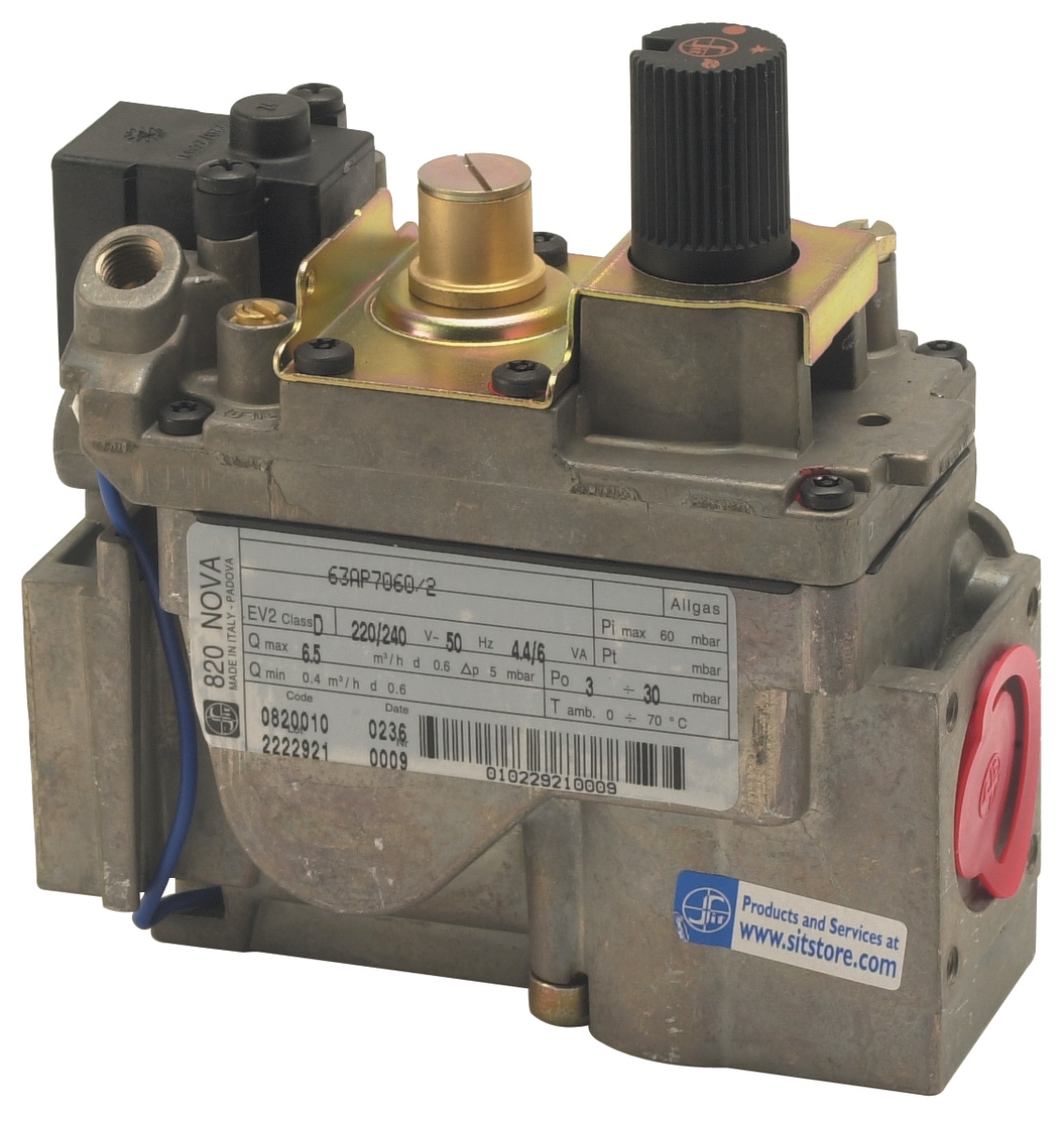
Gas blocks are the foundation of any Controls & Safety system. They regulate fuel flow, supervise flame presence, and provide the primary safety function. Your procurement specification must address three critical dimensions: flow capacity, pressure range, and connection compatibility.
Flow Rate Selection: Gas blocks must match your burner's fuel consumption, typically measured in cubic meters per hour (m³/h) or kilograms per hour (kg/h). Undersizing creates insufficient fuel delivery and incomplete combustion; oversizing reduces control precision. Document your burner's design fuel consumption from the equipment nameplate, then select a gas block rated 15-20% above that capacity to allow for pressure regulation headroom.
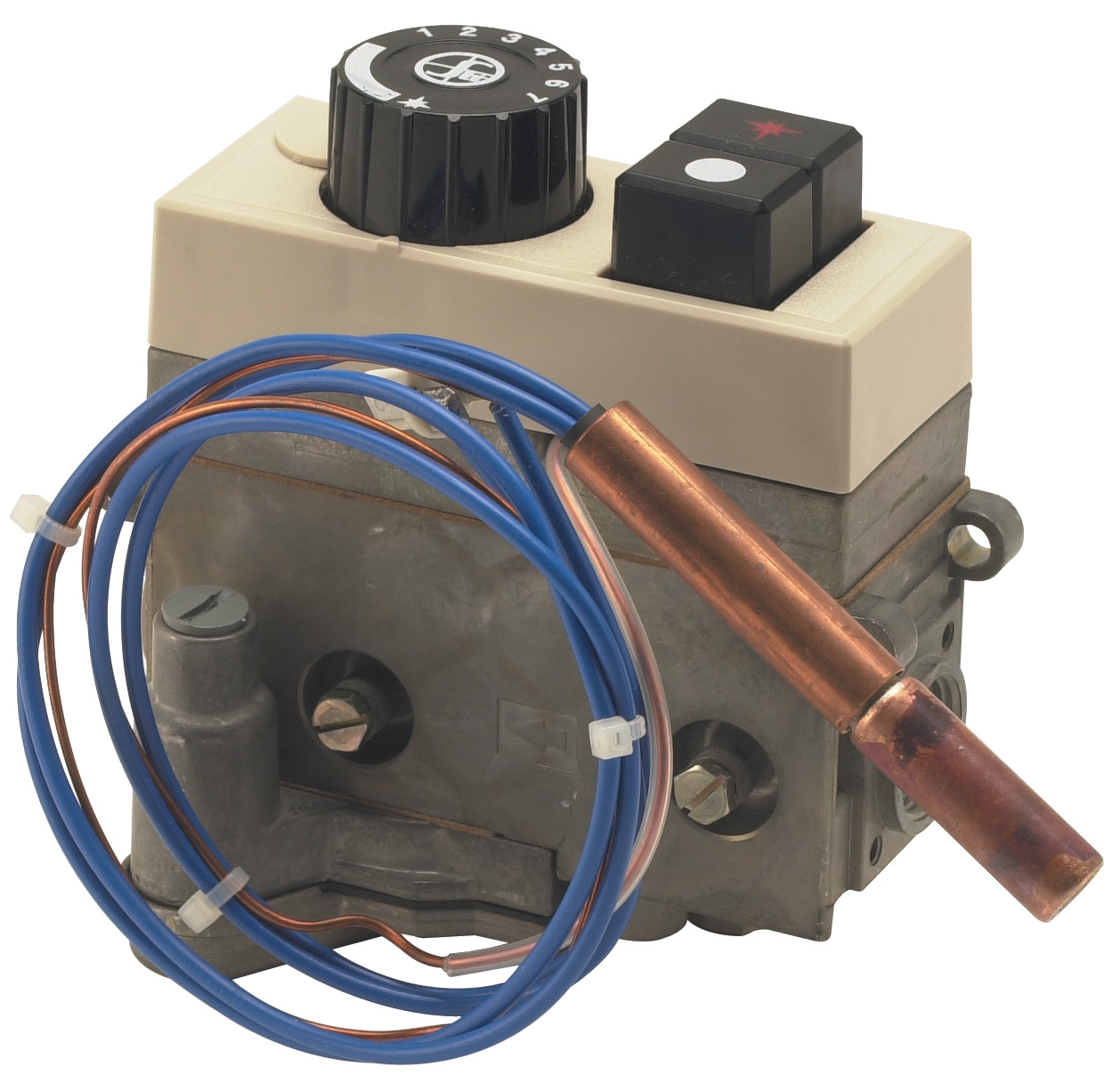
The Sit Minisit gas block is engineered for smaller installations like stoves, boilers, and catering equipment with pilot-based ignition. It provides thermoelectric flame supervision with an ignition time under 10 seconds, making it suitable for intermittent duty applications common in Singapore food service and small commercial heating.
For larger industrial applications requiring automatic gas regulation, the Sit Sigma gas block incorporates dual solenoid valves with differentiated power consumption (4.3 W and 2.0 W), allowing staged fuel delivery. This design reduces pressure shock and provides more precise combustion control in heating and industrial burner systems.
Pressure Range and Regulation: Gas blocks must maintain consistent outlet pressure despite inlet pressure fluctuations and fuel consumption changes. Specify gas blocks with pressure regulation ranges matching your gas supply and burner requirements—typically 5-15 kPa for natural gas. Request the regulator's cracking pressure (minimum pressure to open) and lock-off pressure (maximum at zero flow) from your supplier.
Connection Standards: Singapore industrial sites use ISO 228 (metric) threads, with common sizes including G 3/4, Rp 1/2, and M10x1. Always verify that pilot outlet, main inlet, and pressure tap connections match your existing piping and instrumentation. Mismatched thread standards require expensive adaptors that compromise safety integrity and should be avoided at the procurement stage.
Request dimensional drawings and inlet/outlet thread specifications from your 3G Electric account manager before purchase to ensure physical installation feasibility.
Selecting Control Relays: Response Time, Monitoring Type, and Lockout Strategy
Control relays are the "brain" of your Controls & Safety system, receiving signals from flame detection sensors and commanding solenoid valves to shut off fuel during unsafe conditions. Your relay selection directly impacts how quickly your system responds to flame loss—a critical safety parameter.
Flame Monitoring Technologies: Two primary detection methods exist:
- Ionization monitoring detects the electrical conductivity of flame ions, suitable for gas burners. The Brahma Relay CM 11F uses ionization flame monitoring for atmospheric gas burners in intermittent operation, providing automatic lockout with manual reset—ideal when technician verification is required before restart.
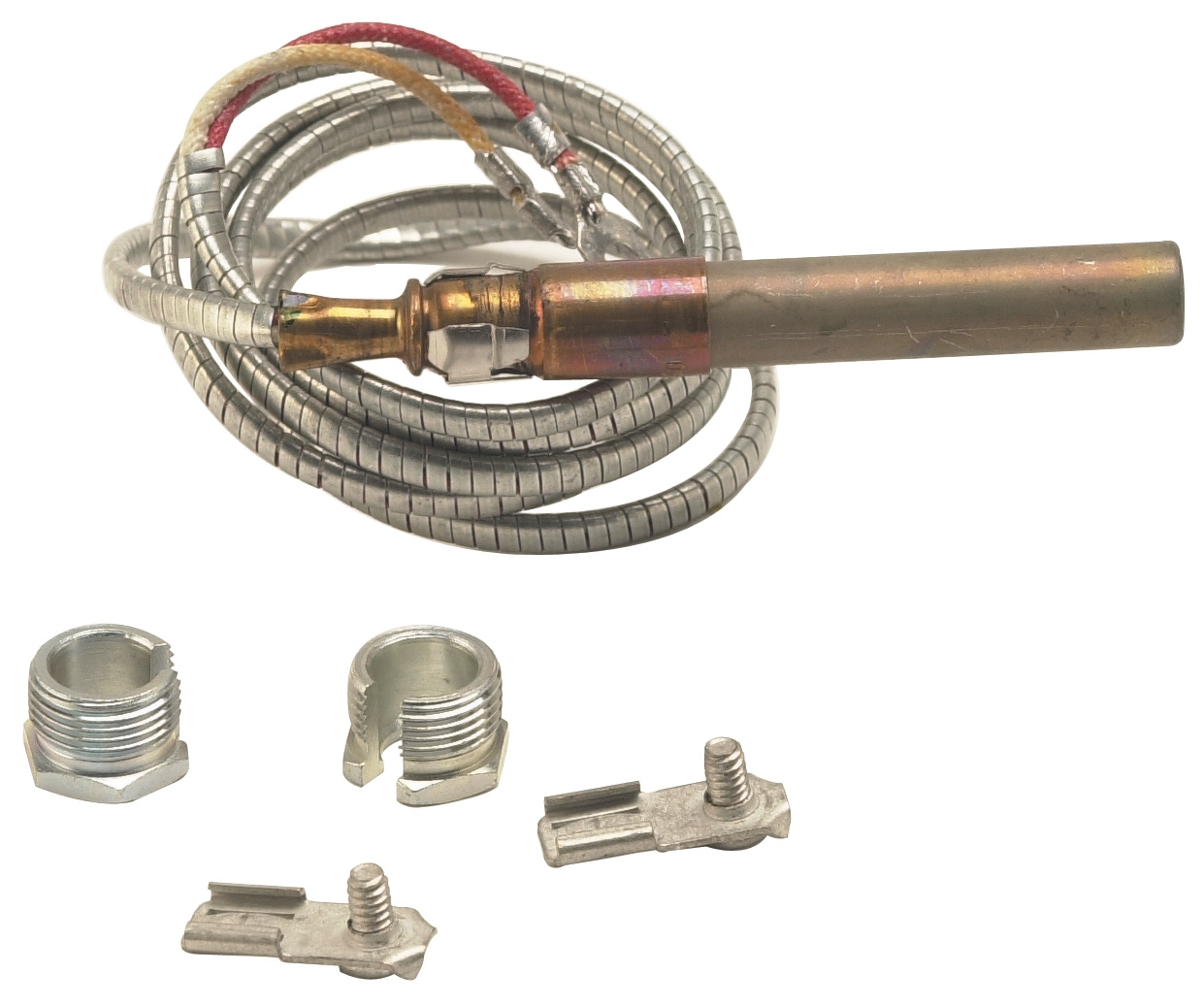
- Thermoelectric monitoring uses thermopiles to convert heat into millivolt signals. The Honeywell Thermopile Q313 A 1188 U, measuring 889 mm, generates pilot flame signals for millivolt safety circuits. This approach suits dual-fuel burners or systems requiring soft-ignition logic.
For oil-fired burners, consider the Satronic DKO 976-N mod.05 relay, designed for oil burners up to 30 kg/h with IP 40 protection and up to 4 automatic restart cycles during flame loss. This relay's multi-cycle capability provides operational flexibility while maintaining safety lockout.
Response Time and Certification: Specify relays certified for your burner type and fuel. Request flame-out detection time (typically 1-3 seconds) and relay cycle time data. Singapore's Building and Construction Authority (BCA) requires compliance with PS 638 for gas installations; ensure your relay meets this standard. Document relay response time during commissioning—delays exceeding 5 seconds indicate sensor contamination or relay degradation requiring immediate attention.
Lockout and Restart Logic: Evaluate whether your application requires manual or automatic restart after flame loss. Manual restart (Brahma CM 11F model) forces technician intervention, reducing risk of repeated ignition failure causing fuel accumulation. Automatic restart (Satronic DKO 976-N with 4 cycles) suits continuous duty where brief flame interruptions occur, but limits restart attempts to prevent dangerous over-pressurization.
Procurement Documentation and Compliance Requirements
As a procurement engineer in Singapore, you must manage specifications through formal documentation that ensures regulatory compliance, vendor accountability, and system traceability.
Technical Specification Package: Create a procurement specification document containing:
- System operating pressure range (inlet and outlet)
- Fuel type and consumption rate (m³/h or kg/h)
- Flame monitoring method (ionization, thermoelectric, or ultraviolet)
- Solenoid valve voltage and response time requirements
- Thread sizes and connection standards (ISO 228 metric preferred)
- Certification requirements (PS 638 for gas, ASME for pressure equipment)
- Environmental conditions (ambient temperature, humidity, vibration exposure)
- Supplier technical support availability for Singapore installations
- 1× Sit Sigma gas block, main burner fuel control
- 1× Satronic DKO 976-N relay, burner control logic
- 1× Honeywell Thermopile, pilot flame detection
This traceability enables rapid root-cause analysis if field issues occur and proves compliance during regulatory audits.
Warranty and Support Terms: Specify that all components carry minimum 24-month warranty covering manufacturing defects. Request that 3G Electric provide technical drawings, wiring diagrams, and commissioning checklists with delivery. Confirm spare parts availability in Singapore within 48 hours—critical for minimizing downtime in production facilities.
Installation and Commissioning Verification: Require that supplier (or your commissioning partner) provide written commissioning reports including:
- Functional test results (gas flow, pressure regulation, flame detection response)
- Electrical continuity and insulation resistance measurements
- Solenoid valve closure time under load
- System response time to flame loss simulation
- Photographic documentation of installation and connections
Based on 35+ years of experience, 3G Electric recommends retaining these commissioning records for the system's operational life. They serve as legal proof of safe installation and enable technicians to troubleshoot future issues by comparing baseline performance to current readings.
Practical Cost Optimization Without Compromising Safety
Procurement engineers often face pressure to minimize capital expenditure. However, Controls & Safety systems demand a lifecycle cost approach rather than simple lowest-bid selection.
Standardization Strategy: Standardize on one or two relay and gas block models across your facility to reduce spare parts inventory and technician training requirements. This reduces total cost of ownership by 15-25% even if individual component cost is slightly higher. For example, standardizing on Satronic DKO 976-N relays across all oil burners simplifies procurement, training, and spares management.
Volume Purchasing: Aggregate Controls & Safety component purchases across multiple projects or facilities to negotiate favorable pricing with your 3G Electric account manager. Document your annual volume requirements (even rough estimates) to unlock volume discounts and prioritized support.
Extended Warranty Consideration: Evaluate extended warranty options for critical components. A 5-year extended warranty on a $800 control relay costs approximately $150 but eliminates replacement risk during system uptime criticality windows. This is often cost-effective for production facilities where one-day downtime exceeds $10,000.
Right-Sized Selection: Avoid over-specification. Selecting a premium-grade relay rated for 50 kg/h oil burners when your actual requirement is 20 kg/h wastes procurement budget. Use your technical specification document to communicate exactly what capabilities you need, allowing 3G Electric to recommend appropriately-matched components.
Compliance and Safety Certifications for Singapore
Singapore's regulatory environment requires strict adherence to gas installation standards and electrical safety codes. Your procurement must account for these requirements explicitly.
PS 638 Gas Installation Code: All gas control components for piped gas systems must comply with Singapore Standard PS 638. This includes pressure rating, temperature limits, and flame safety response times. Request compliance certification from 3G Electric at purchase time—components meeting this standard are clearly documented in product specification sheets.
Electrical Safety: Components with solenoid valves or electrical sensors must comply with IEC 60730 (electrical safety of household and building appliances). Verify that supplied relays and thermopiles carry CE or equivalent certification marking your procurement file.
Pressure Equipment: Gas blocks functioning as pressure regulators must comply with the Pressure Equipment Safety requirements if operating above 1 bar. Request the Pressure Equipment Directive (PED) certification category from your 3G Electric supplier before finalizing purchase.
Documenting compliance at the procurement stage prevents costly installation delays and regulatory rejection. Include certification requirements explicitly in your purchase order to 3G Electric.
Key Takeaways for Procurement Engineers
Successful Controls & Safety procurement requires balancing technical precision, regulatory compliance, and cost optimization. Specify components based on actual system requirements using dimensional drawings and pressure/flow data. Ensure all components carry appropriate certifications for Singapore industrial applications. Build supplier relationships with distributors like 3G Electric who understand local compliance requirements and provide comprehensive technical support. Finally, view Controls & Safety procurement as long-term asset management—specify for reliability and maintainability, not simply lowest initial cost.