Controls & Safety: Choosing Between Gas Blocks and Relay-Based Systems
Controls & Safety in HVAC systems depends fundamentally on selecting the right control architecture. HVAC contractors in Singapore face a critical decision: should you specify integrated gas blocks with embedded safety functions, or modular relay-based control systems? This distinction impacts installation complexity, maintenance requirements, and long-term reliability in Singapore's tropical environment.
With 35+ years of experience distributing industrial controls, 3G Electric has observed a clear trend: contractors choosing the wrong control topology for their application often face premature failures, regulatory compliance issues, and expensive callbacks. The difference between a gas block like the Sit Minisit 710 and a relay system like the Brahma Relay CM 11F extends beyond price—it fundamentally changes how your HVAC systems operate, diagnose problems, and maintain compliance with Singapore's Building and Construction Authority (BCA) standards.
Integrated Gas Blocks vs. Modular Relay Systems: Technical Comparison
Gas Block Systems: Compact Integration for Space-Constrained Applications
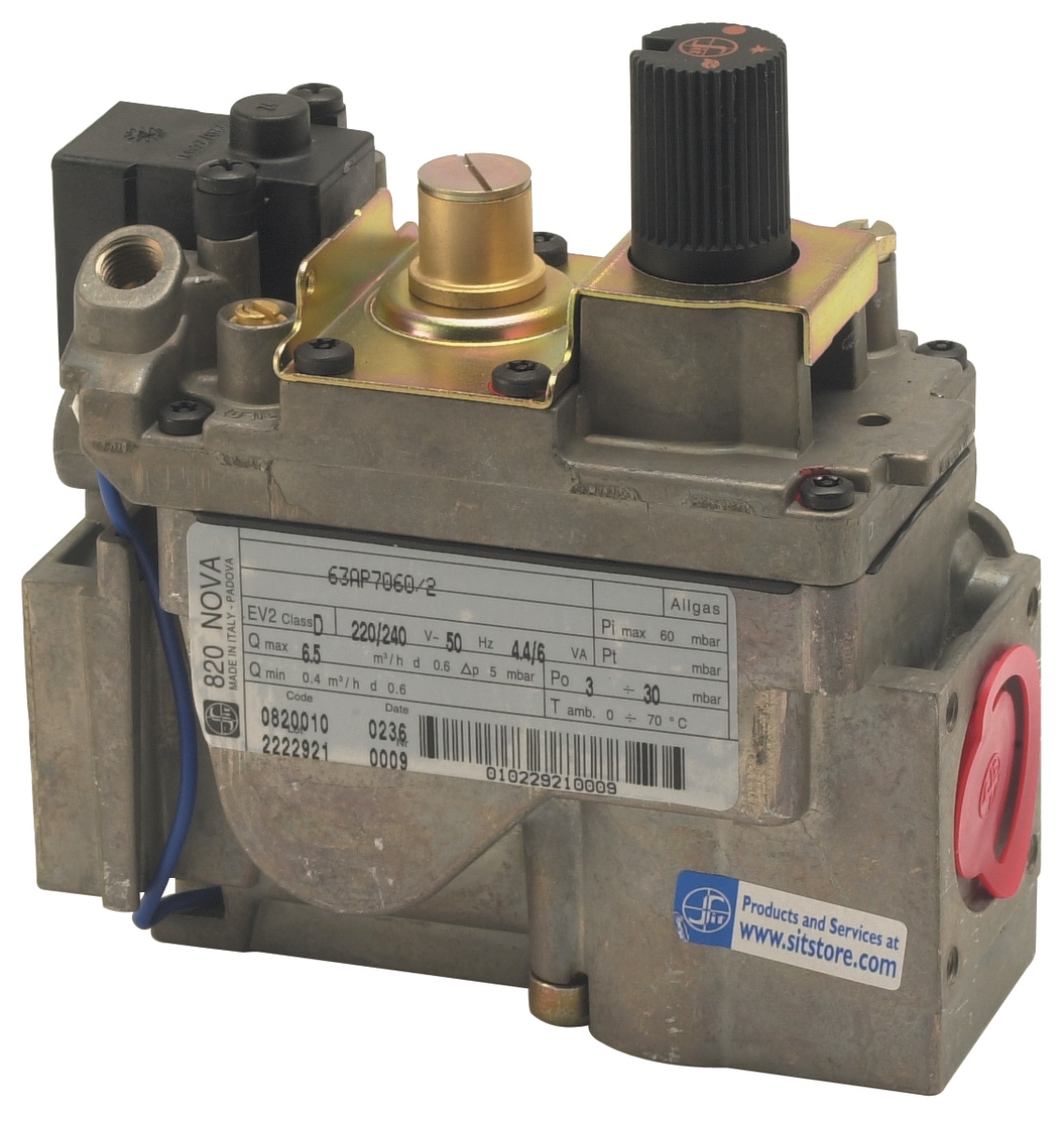
Integrated gas blocks consolidate multiple control functions into a single component: pilot pressure regulation, flame supervision, and solenoid valve actuation. The Sit Sigma 0840020 exemplifies this approach, combining two solenoid valves (4.3 W and 2.0 W consumption) with G 3/4 ISO 228 connections in one compact unit designed for automatic gas regulation in heating applications.
Advantages for Singapore contractors:
- Space efficiency: Critical in compact rooftop installations common in Singapore commercial buildings
- Reduced wiring complexity: Fewer external connections mean simpler onsite commissioning and reduced installation time
- Integrated safety: Pilot flame supervision built into the block itself—no separate ionization circuit to troubleshoot
- Lower component count: Fewer potential failure points in humid tropical conditions
- Faster replacement: Drop-in unit swap requires minimal system redesign
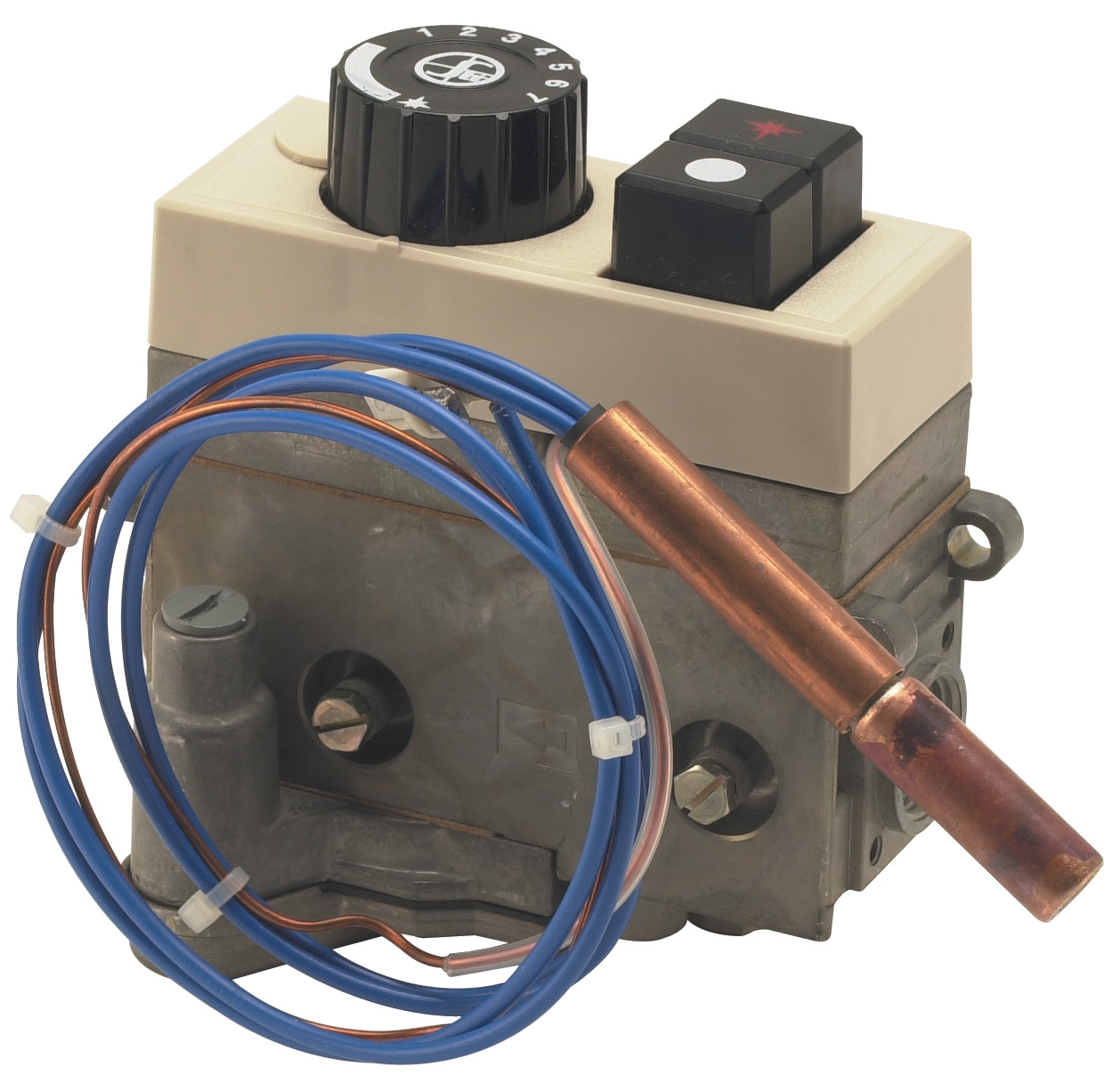
The Sit Minisit 0710193 adds thermoelectric flame supervision with <10 second ignition confirmation, making it ideal for intermittent-duty commercial kitchen equipment and catering systems—common HVAC-adjacent applications in Singapore's hospitality sector. Its M10x1 pilot outlet and Rp 1/2 connections follow ISO standards that Singapore contractors already understand.
Disadvantages:
- Higher initial cost: Integrated functionality commands premium pricing
- Limited diagnostics: If one function fails, the entire block often requires replacement
- Inventory complexity: You must stock multiple block SKUs for different applications, rather than a universal relay
Relay-Based Systems: Modular Flexibility for Complex Control Logic
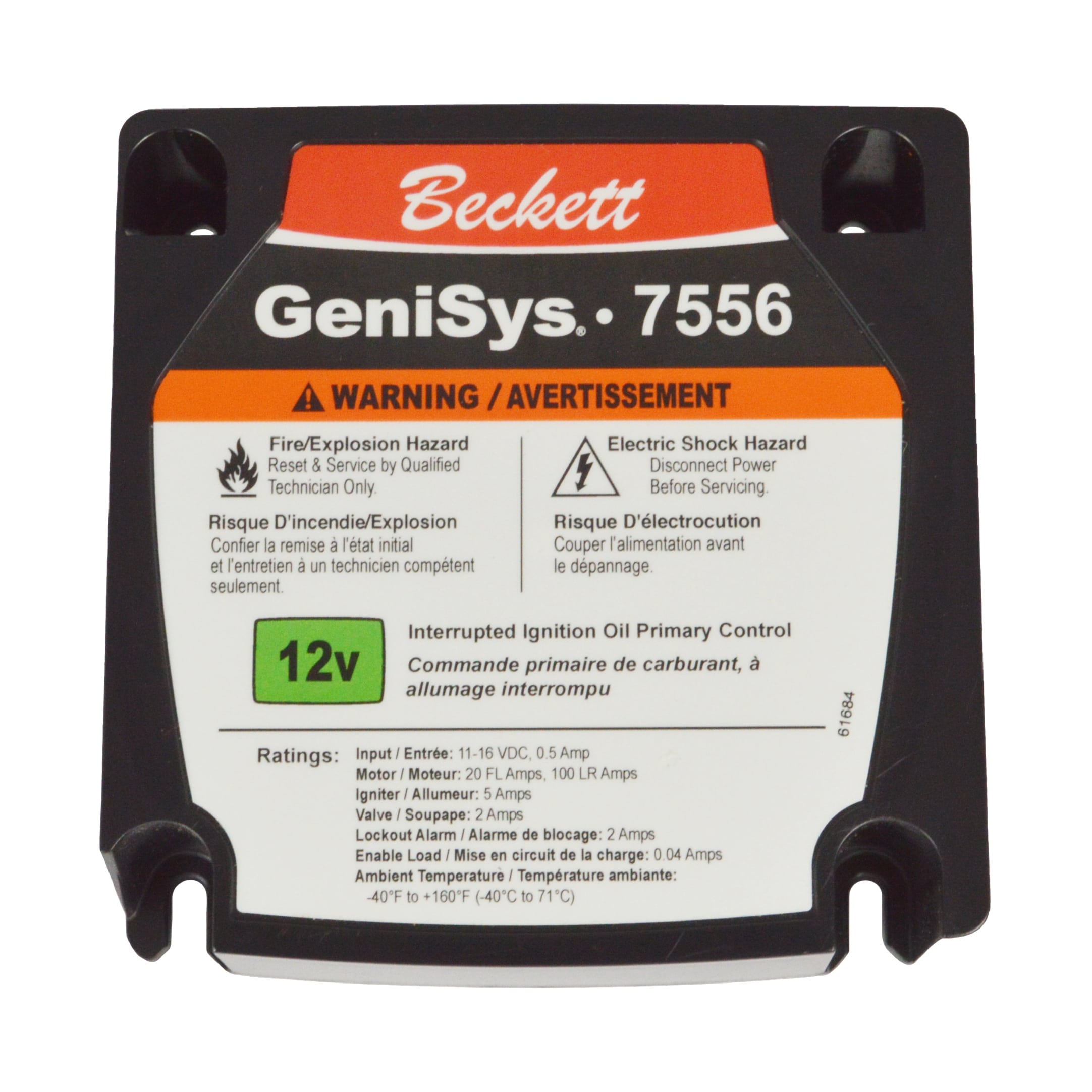
Relay systems distribute control functions across separate components. The Brahma Relay CM 11F handles ionization flame monitoring and provides non-volatile lockout with manual reset—critical features for atmospheric burners in intermittent operation. The Satronic DKO 976-N mod.05 extends this approach to oil burners up to 30 kg/h, offering IP 40 protection and up to 4 restart cycles during flame loss.
Advantages for Singapore contractors:
- Modularity: Replace only the failed relay, not the entire control assembly
- Customizable logic: Stack relays to build complex safety sequences matching specific equipment designs
- Diagnostics: Each relay function can be tested independently, simplifying troubleshooting
- Standardization: Universal relay platforms reduce inventory SKU proliferation
- Scalability: Add safety functions without replacing the entire control system
- Wiring intensity: Each relay adds multiple connection points—a significant concern in tropical environments where moisture intrusion accelerates corrosion
- Panel space: Relay racks consume more burner control panel real estate than integrated gas blocks
- Commissioning time: More complex wiring requires longer onsite validation and testing
- Supply chain complexity: Tracking multiple relay types and part numbers increases procurement overhead
Thermopile Technology: The Foundation of Millivolt Safety Systems
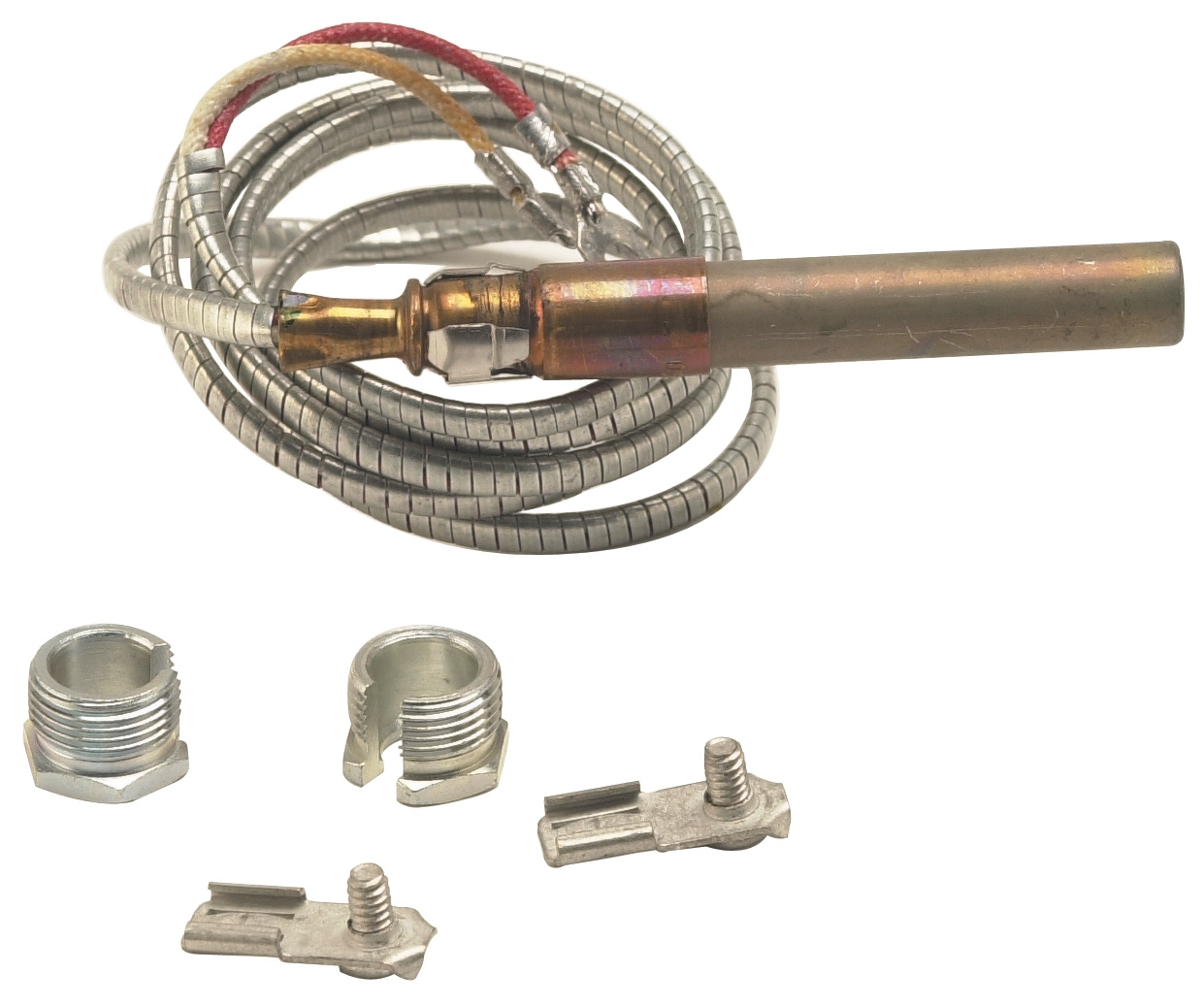
Both gas block and relay architectures rely on flame detection. The Honeywell Thermopile Q 313 A 1188 U converts pilot flame heat directly into electrical power for safety circuits—no external power supply required. This 889 mm thermopile generates millivolt signals used by both integrated gas blocks (like the Sit Minisit) and relay systems (like the Brahma CM 11F) for flame verification.
Why Thermopile Selection Matters in Singapore
Thermopile performance degrades rapidly in high-humidity environments. Singapore's 80-95% relative humidity accelerates oxidation of thermopile junctions. When selecting thermopile-based systems, specify units with sealed junction covers and ensure routine cleaning schedules (typically every 6-12 months) to maintain flame detection sensitivity.
The Honeywell Q 313 A 1188 U's extended 889 mm length suits larger pilot flame geometries in commercial applications, providing better signal stability across varied flame shapes—a practical advantage when retrofitting legacy equipment that may have inconsistent pilot flame characteristics.
Selection Matrix: Matching Control Architecture to Singapore HVAC Applications
Choose Integrated Gas Blocks When:
- Space is constrained (rooftop units, wall-mounted boilers)
- Installation speed matters (retrofit projects with tight schedules)
- Technician experience varies (standardized drop-in replacement reduces commissioning errors)
- Application is straightforward (single-stage burners, standard on-off operation)
- Long-term reliability is critical (fewer connection points = lower failure risk in humidity)
Choose Relay-Based Systems When:
- Complex burner sequencing is required (staged heating, modulation control)
- Multiple safety interlocks exist (boiler pressure, temperature, air flow switches)
- Equipment must accommodate future modifications (tenant improvements, system upgrades)
- Diagnostics and testing are frequent (building management requires detailed system health reporting)
- Component obsolescence is a concern (relays are universally available; proprietary gas blocks may be discontinued)
Installation and Maintenance Best Practices for Singapore's Climate
Humidity Management
Whether you select gas blocks or relays, humidity protection is non-negotiable. Specify control enclosures with:
- IP 54 minimum rating (per Singapore's construction standards)
- Desiccant cartridges with visible saturation indicators
- Drain plugs at the enclosure base to prevent water pooling
For gas block installations, ensure the block itself is mounted above the main burner flame to avoid condensation drip-back during shutdown periods.
Commissioning Procedures
With the Honeywell Thermopile, verify millivolt output before installing the main control relay or gas block. Typical output ranges from 15-25 mV when exposed to pilot flame. If readings fall below 12 mV, the thermopile requires cleaning or replacement—this check takes 5 minutes and prevents callbacks weeks after installation.
For relay-based systems, test each relay's flame detection sensitivity individually. The Brahma CM 11F and Satronic DKO 976-N both feature manual reset capabilities; ensure your technicians understand the reset procedure before handing the system to building operations staff.
Preventive Maintenance Schedules
Monthly: Visual inspection of thermopile condition; verify thermoelectric signal generation
Quarterly: Test relay flame detection response time; confirm solenoid valve operation Semi-annually: Clean thermopile junctions; replace desiccant cartridges; inspect all electrical connections for corrosion Annually: Full system functional test; pressure and flow validationCost-of-Ownership Analysis: Gas Blocks vs. Relays Over Five Years
Using 3G Electric's experience across 35+ years of Southeast Asian operations, typical five-year ownership costs for a standard commercial HVAC system:
Integrated Gas Block Approach:
- Initial hardware: SGD 800-1200
- Installation labor: SGD 400-600
- Annual maintenance: SGD 150-200
- One mid-life replacement (Year 3): SGD 900
- Five-year total: SGD 4,200-5,400
- Initial hardware: SGD 600-900
- Installation labor: SGD 800-1,200
- Annual maintenance: SGD 200-300
- Relay replacement (Year 2, 4): SGD 400 each
- Five-year total: SGD 4,400-5,900
The difference is marginal—the decision should prioritize application fit, not raw cost. However, gas blocks show better economics in simple, high-reliability applications. Relays prove superior when complex logic, frequent modifications, or extensive diagnostics are required.
Regulatory Alignment: Singapore BCA and SS 638 Compliance
Singapore's Building and Construction Authority requires all burner control systems to meet SS 638 standards for safety. Both gas block and relay architectures can achieve compliance, but the verification path differs:
- Gas blocks: Certification typically pre-loaded by manufacturer; contractor responsibility is correct installation per datasheet
- Relays: Contractor must verify safety loop logic matches SS 638 requirements; more opportunity for specification errors
When specifying either approach, document the control architecture and safety logic in your commissioning report. Singapore's annual building compliance audits now frequently request this documentation. 3G Electric provides technical datasheets for all referenced products to support your compliance files.
Making Your Selection: Key Questions for Your Next Project
1. How complex is the burner operation? (Simple on-off → gas block; multi-stage modulation → relay system)
2. What is the installation timeline? (Rush projects favor gas blocks; planned retrofits favor relays)
3. How frequent will technician visits be? (High-frequency monitoring → relays; set-and-forget → gas blocks)
4. Will this equipment be modified within five years? (Possible changes → relays; fixed-use only → gas blocks)
5. What is your spare parts inventory capacity? (Limited SKU budget → relays; standardized platforms → gas blocks)
Use these criteria to align your Controls & Safety specification with your operational reality—not marketing claims or vendor preferences.