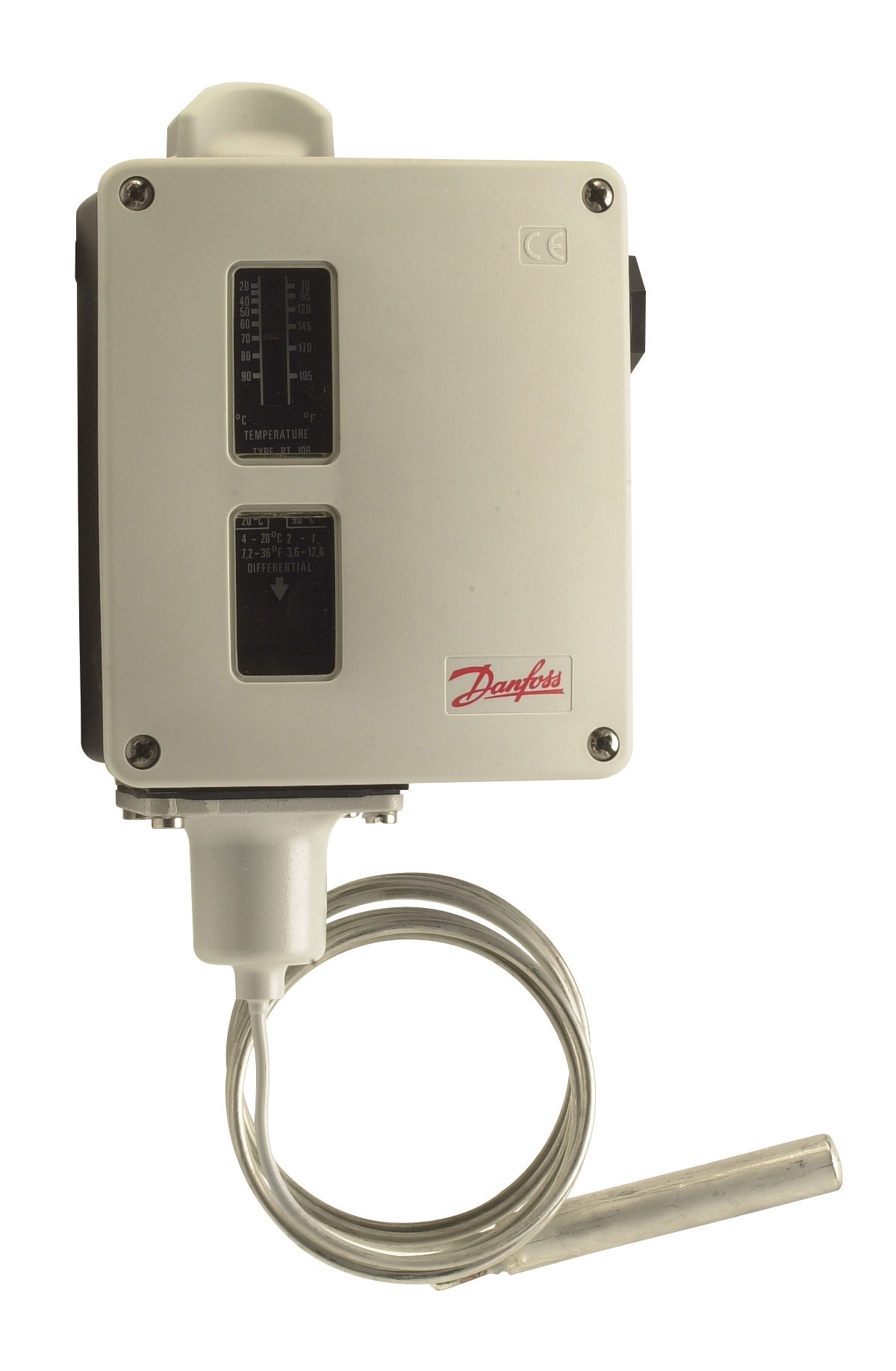
Understanding Controls & Safety Specification Requirements for Singapore Industrial Operations
When procuring Controls & Safety systems for industrial combustion equipment in Singapore, specification accuracy directly impacts operational reliability, regulatory compliance, and total cost of ownership. Over 35 years of industrial equipment distribution experience has shown that specification failures—whether undersized pressure switches or incompatible relay logic—create cascading problems: system downtime, failed inspections, expensive retrofits, and safety liabilities.
ControlS & Safety specification differs fundamentally from general electrical component procurement. These systems operate at the intersection of mechanical pressure dynamics, electrical control architecture, and safety-critical response requirements. Singapore's adoption of IEC standards, combined with local workplace safety regulations, creates a demanding specification environment. Procurement engineers must balance multiple variables: Safety Integrity Level (SIL) ratings, pressure operating ranges, response time thresholds, pilot ignition compatibility, and thermal limits.
This article addresses the practical specification workflows that procurement teams should follow, the critical performance parameters that determine component compatibility, and how to evaluate competing products against real-world operational demands.
Critical Performance Parameters in Controls & Safety Component Selection
Pressure Rating and Operating Range Specification
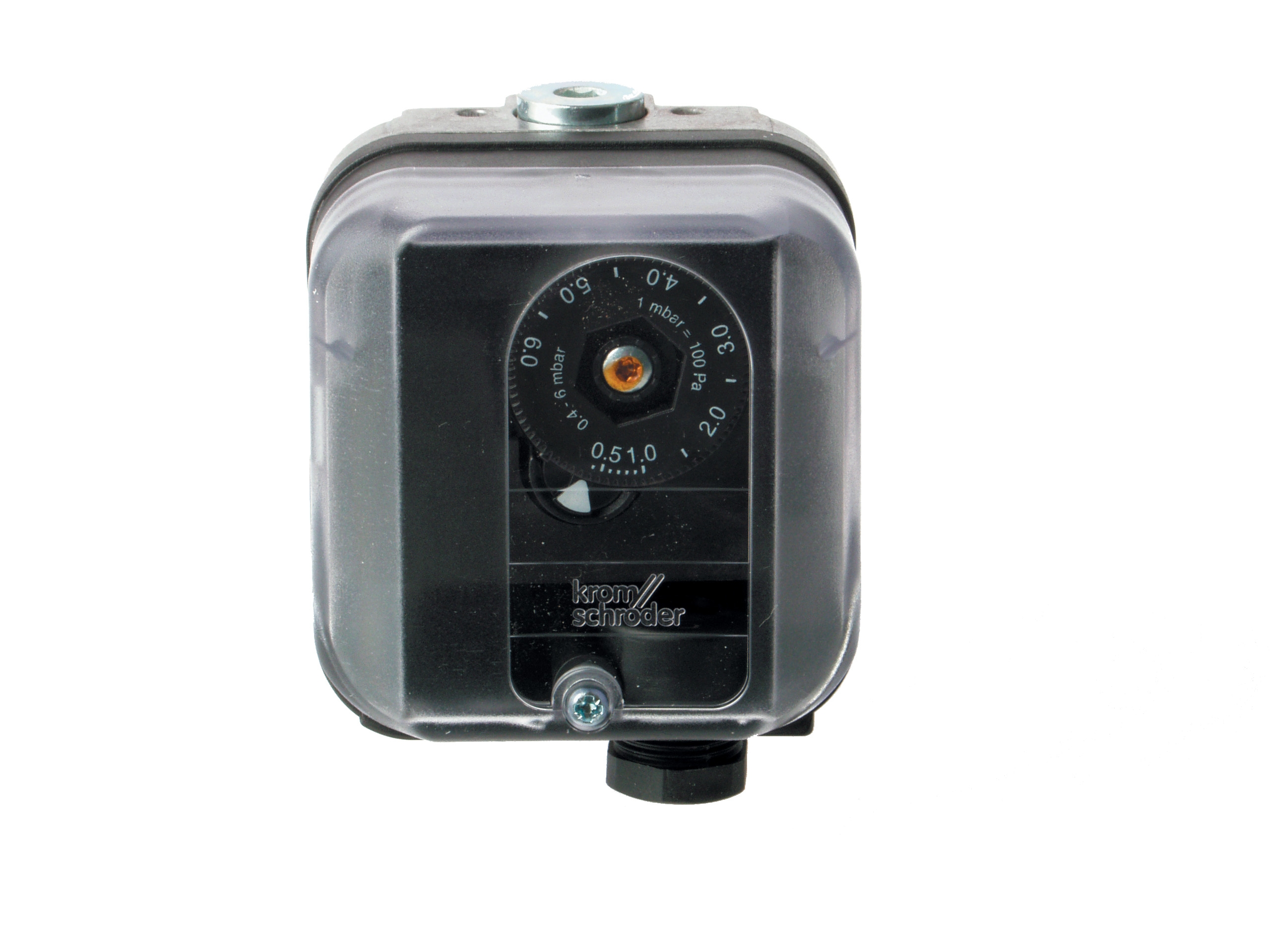
Pressure switches form the foundation of Controls & Safety systems, yet incorrect pressure specification remains a leading source of procurement errors. The Kromschroder DG 50U/6 pressure switch exemplifies modern specification complexity: it operates across defined pressure bands with SIL 3 capability and Performance Level e certification, meeting EN 1854, FM, UL, AGA, and GOST-TR standards.
When specifying pressure components, procurement engineers must define:
- Operating pressure range: The actual working pressure of your gas supply or combustion air system. This is NOT the maximum rated pressure—it is the typical steady-state pressure during normal burner operation.
- Setpoint accuracy: How precisely the switch must respond at the threshold pressure. Industrial applications typically require ±10% accuracy; precision combustion control requires ±5% or better.
- Pressure differential (hysteresis): The pressure drop required to reset the switch after activation. Incorrect hysteresis causes nuisance trips or failure to reset, both critical failures.
- Response time: Measured in milliseconds, this parameter determines how quickly the switch detects pressure abnormalities and triggers safety interlocks. Singapore's industrial safety standards emphasize rapid response to pressure loss conditions.
A common specification mistake: selecting a pressure switch rated for 10 bar maximum when your application operates at 4 bar nominal. While technically compatible, the switch operates in a compressed portion of its response curve, reducing accuracy and reproducibility. Proper specification uses switches operating in the middle 40-60% of their rated range.
Safety Integrity Level (SIL) Rating Alignment
SIL ratings (1-4, from lowest to highest integrity) define the probability that a safety function will operate correctly when demanded. Singapore's Workplace Safety and Health (WSH) Act and adoption of IEC 61508/61511 standards require that Controls & Safety components meet documented SIL requirements.
The DG 50U/6 carries SIL 3 certification, appropriate for systems where failure could cause serious injury or equipment damage. However, SIL 3 specification alone is insufficient. Your procurement specification must define:
- Dangerous Failure Rate (DFR): The likelihood per hour that the component will fail dangerously (fail to activate when required). SIL 3 demands DFR below 10⁻⁸ per hour—extremely stringent.
- Proof Test Intervals: How frequently the component must be tested to verify continued SIL compliance. Typical industrial practice: 12-24 month intervals for SIL 3 components.
- Architectural constraints: Whether your system uses single-channel or redundant architecture. SIL 3 applications typically mandate redundant architecture (two independent pressure switches monitoring the same parameter).
Procurement teams should require suppliers to provide SIL Certification Dossiers and Functional Safety Documentation, not merely cite SIL ratings in product literature. This documentation proves the component meets specific failure rate and proof test requirements.
Relay Logic and Control Architecture Compatibility
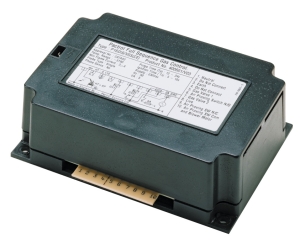
Burner control relays orchestrate the sequence of ignition, flame monitoring, and shutdown logic. The Kromschroder BCU 570WC1F1U0K1-E relay supports direct ignition and intermittent/continuous pilot ignition modes under EN 746-2 and EN 676 compliance—but this compatibility must align with your specific burner's control philosophy.
Specification must address:
- Ignition mode compatibility: Does your burner require direct ignition (spark ignites main fuel directly) or pilot-based ignition (small flame ignites main fuel)? Mixing incompatible relays and burners produces failed ignition sequences or unsafe operation.
- Flame detection input type: Does the relay accept UV flame sensing, ionization sensing, or both? The Siemens LFL 1.622 offers UV and ionization flame monitoring—specification must confirm your burner's flame sensor type matches relay input requirements.
- Air damper control: Industrial burners often include motorized air dampers controlling combustion air supply. Relay specification must include damper control capability and sequencing logic (damper opens before ignition, closes on flame loss).
- Redundancy architecture: SIL 3 burner systems typically require dual independent flame detection channels. Relay specification must confirm support for dual-channel flame sensing with cross-monitoring logic.
Practical Specification Workflow for Singapore Industrial Procurement
Step 1: Define the Safety Function and SIL Target
Before selecting any component, establish: What safety function is required? Examples include "pressure loss detection in gas supply," "flame loss detection during burner operation," or "thermal overload protection." Then assign a target SIL level based on consequence analysis. Singapore's WSH Act requires formal risk assessment; this determines SIL target.
Step 2: Map Operational Constraints
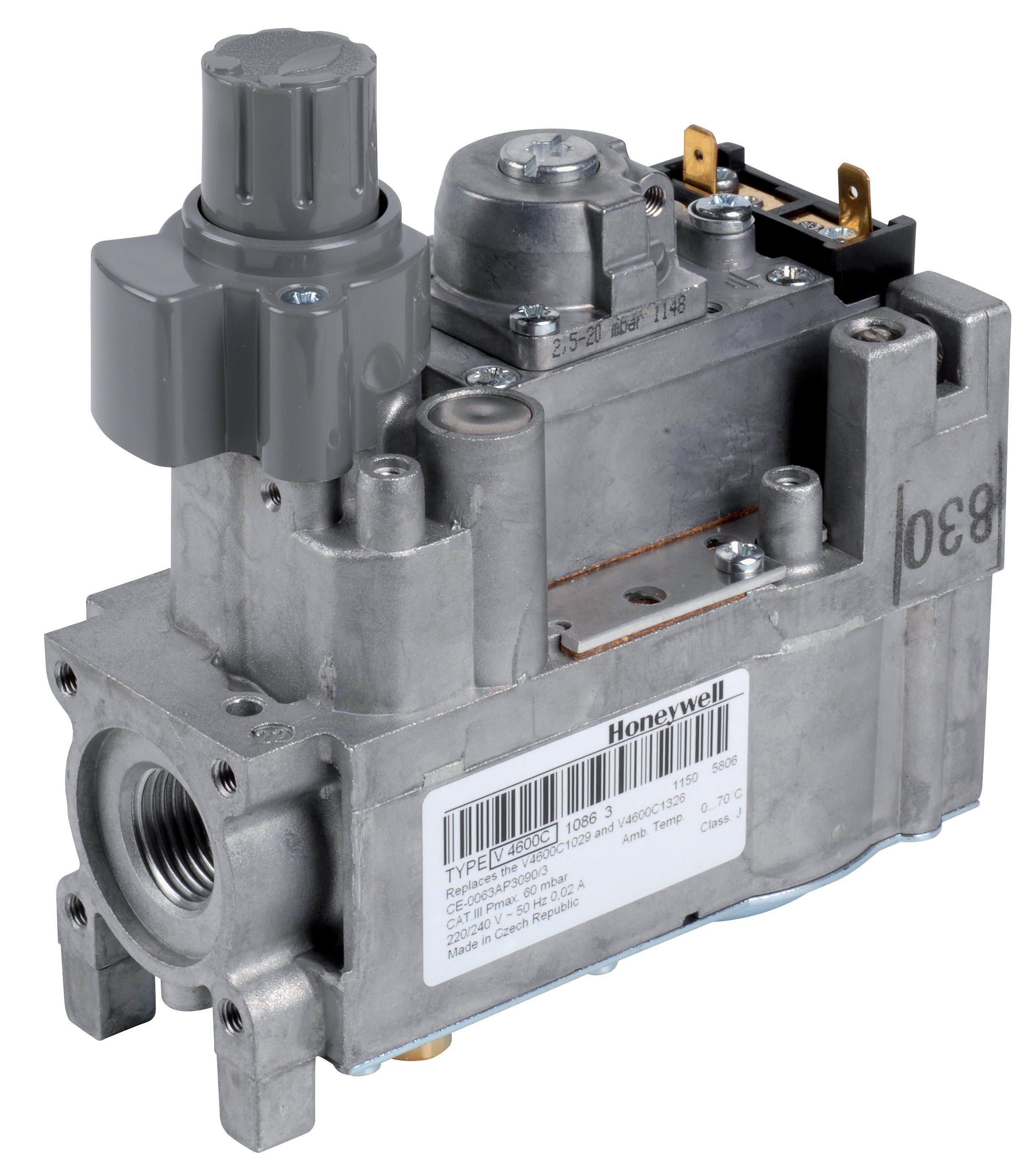
Document the actual operating environment: gas pressure (bar or kPa), temperature range, humidity, vibration levels, and electrical supply voltage. The Honeywell VK 4105 C 1041 U gas block operates -5 to 140°F; if your application operates in a hot room adjacent to equipment (common in Singapore industrial facilities), verify this temperature range accommodates your worst-case thermal environment.
Step 3: Cross-Reference Standards Compliance
Singapore adopts IEC standards (IEC 61511 for functional safety in process industries, IEC 60730 for electrical controls). However, gas safety applications also require compliance with EN 746-2 (safety of burners) and EN 676 (safety control devices). Your procurement specification must require that selected components hold certifications for all applicable standards—not just IEC.
The BCU 570WC1F1U0K1-E explicitly states EN 746-2 and EN 676 compliance; this is critical for gas burner applications. Components lacking these certifications cannot be legally installed in many industrial applications in Singapore.
Step 4: Validate Component Interoperability
Controls & Safety systems are integrated assemblies: pressure switches feed signals to relays, relays control solenoid valves, flame detectors provide feedback to relays. Procurement must verify signal compatibility at every interface. Voltage levels (typically 24V DC control circuits in modern industrial burners), signal types (normally open vs. normally closed contacts), and response timing must align.
For example: A pressure switch with 500ms response time feeding into a relay with 100ms electrical response time will have a system response time of ~600ms—adequate for most applications but potentially too slow for sensitive pressure loss detection. Specification must calculate end-to-end system response time and verify it meets safety requirements.
Step 5: Request Technical Documentation and Support
When procuring from 3G Electric, request complete technical packages: product datasheets, SIL/CE certification documentation, functional safety dossiers, and application notes specific to your burner model. This documentation protects your engineering team and provides evidence of due diligence for regulatory inspections.
Regulatory and Practical Considerations for Singapore Operations
Singapore's Ministry of Manpower (MOM) enforces rigorous compliance for pressure equipment and combustion safety systems. The Equipment & Protective Systems (Classification of Hazardous Areas) Regulations transpose ATEX (European hazardous area) classifications. Many Singapore industrial facilities operate in classified areas (explosive atmospheres due to oil mist, chemical vapors, etc.)—specification must verify that Controls & Safety components hold appropriate ATEX certification if your facility falls under these regulations.
Additionally, Singapore's adoption of Pressure Equipment Safety Regulations (similar to PED—Pressure Equipment Directive) means pressure switches and gas control blocks must carry CE marking or equivalent certification proving they meet design and manufacture standards.
From a procurement efficiency perspective, 3G Electric's 35+ years in industrial equipment distribution means our inventory includes components selected for global markets including Singapore, with complete certification documentation and local technical support. This reduces specification-to-delivery timeline and minimizes the risk of procuring components with incomplete or questionable certification status.
Conclusion: Specification as Risk Management
Controls & Safety specification is fundamentally about risk management. Incorrect specifications lead to safety failures, regulatory non-compliance, and operational downtime. The most cost-effective procurement approach involves investing time in rigorous specification upfront—defining SIL targets, pressure operating ranges, compatibility requirements, and certification needs—rather than attempting rapid procurement of incompletely specified components.
By following systematic specification workflows and requiring complete technical documentation from suppliers, procurement engineers protect their organizations while ensuring industrial burner systems operate safely and reliably across Singapore's demanding industrial environments.