Understanding Controls & Safety Lifecycle Management
Controls & Safety systems in industrial burners and heating equipment represent critical infrastructure investments that demand more than basic installation and maintenance. Effective lifecycle management—from initial specification through retirement—directly impacts operational efficiency, safety compliance, and total cost of ownership across Singapore's competitive industrial landscape.
Industrial professionals managing these systems face a unique challenge: balancing immediate operational needs with long-term reliability requirements. Unlike consumer-grade equipment, industrial Controls & Safety installations in Singapore must account for tropical humidity, varying fuel qualities, regulatory compliance demands, and the consequence of unexpected failures on production schedules.
With 35+ years of experience distributing industrial equipment throughout Asia-Pacific markets, 3G Electric has documented that facilities implementing systematic lifecycle management reduce unscheduled downtime by 40-60% and extend component service life by 25-35% compared to reactive maintenance approaches. This comprehensive guide addresses the practical strategies that deliver these outcomes.
Section 1: Strategic Component Selection for Extended Service Life
Matching Components to Operating Profiles
The foundation of effective Controls & Safety lifecycle management begins during the specification phase. Many procurement decisions prioritize initial capital cost over total lifecycle value, creating false economy that compounds throughout the system's operational life.
For atmospheric gas burners operating in intermittent mode—common in Singapore's industrial catering, hospitality, and light manufacturing sectors—the Brahma Relay CM 11F offers ionization flame monitoring with non-volatile lockout and manual reset functionality. This relay's design addresses Southeast Asian operating conditions: it tolerates the electrical noise common in crowded industrial districts, maintains reliability across temperature variations, and provides the manual reset capability that reduces emergency service calls during off-hours situations.
Conversely, oil burner applications up to 30 kg/h require different selection criteria. The Satronic Relay DKO 976-N mod.05 delivers IP 40 protection—essential in Singapore's high-humidity environment where condensation and salt spray penetration represent genuine failure risks. Its four restart cycles during flame loss prevent nuisance lockouts caused by temporary fuel supply hesitations common in older storage tank installations.
Thermopile and Flame Detection Matching
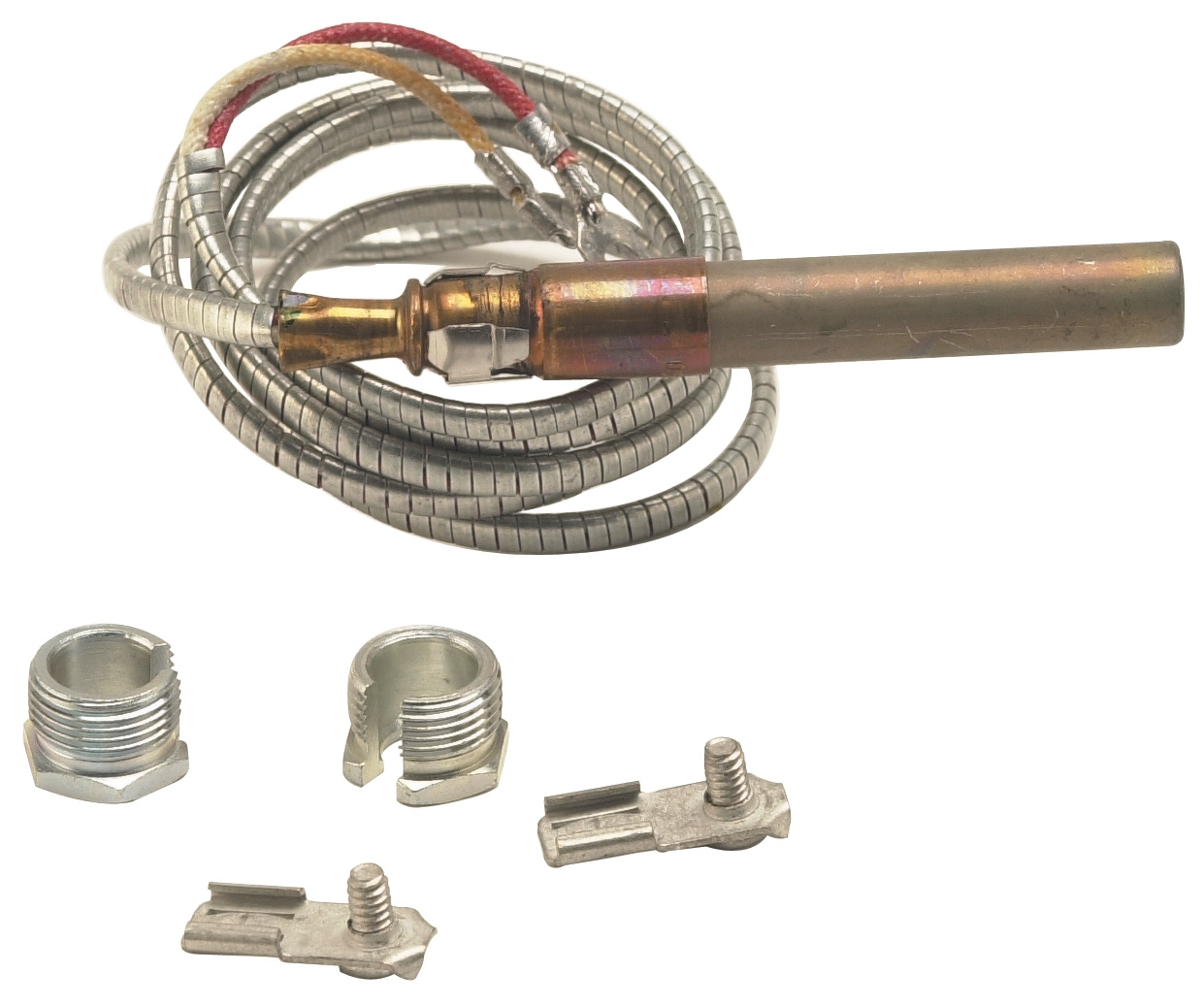
Thermopile generators represent another critical lifecycle decision point. The Honeywell Thermopile Q 313 A 1188 U with its 889 mm length and proven millivolt generation capacity suits pilot-ignition safety circuits requiring sustained operation. However, lifecycle optimization means understanding that thermopile performance degrades gradually—typically 10-15% reduction in millivolt output per decade of operation—requiring specification of replacement components before rather than after failure.
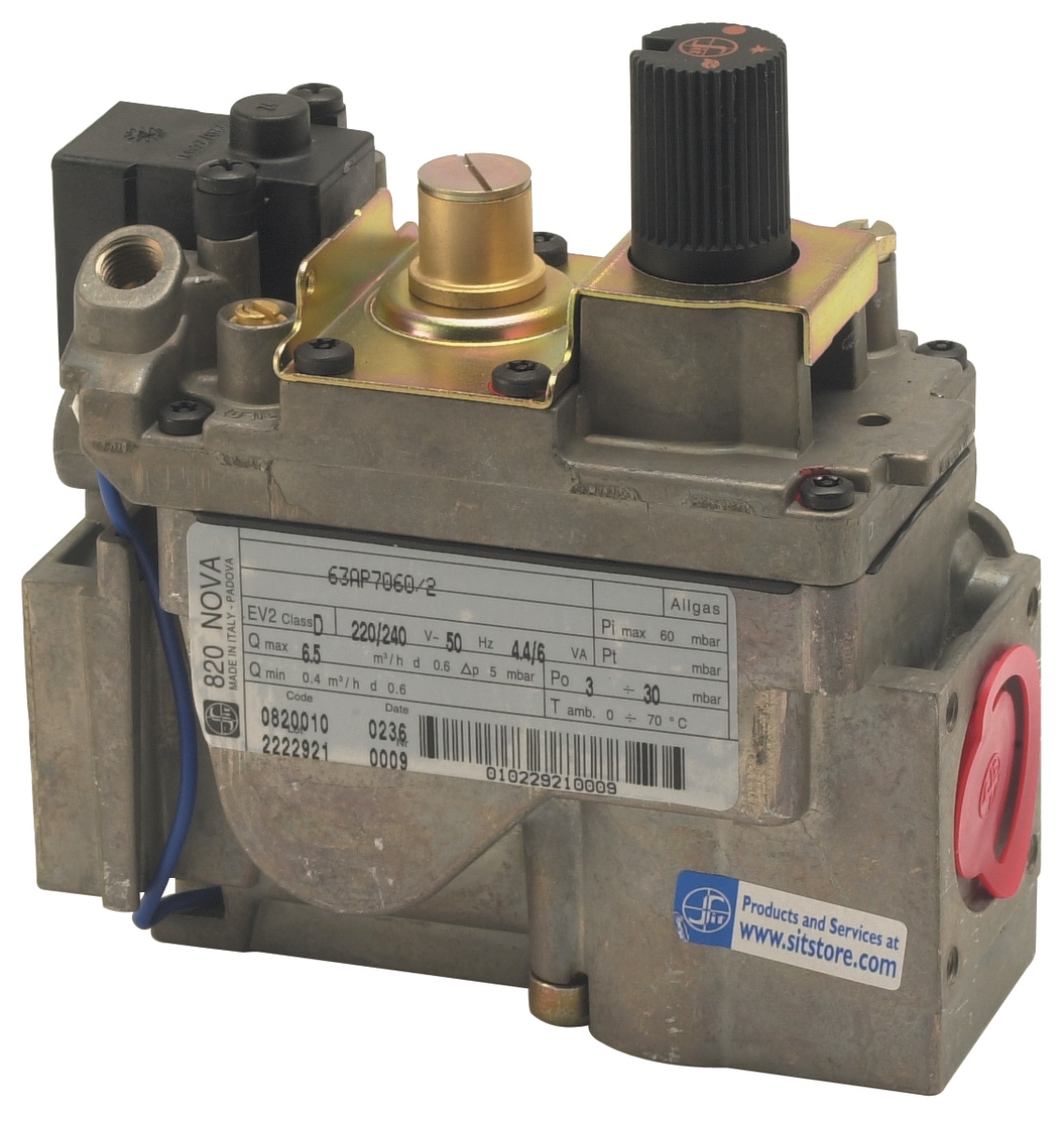
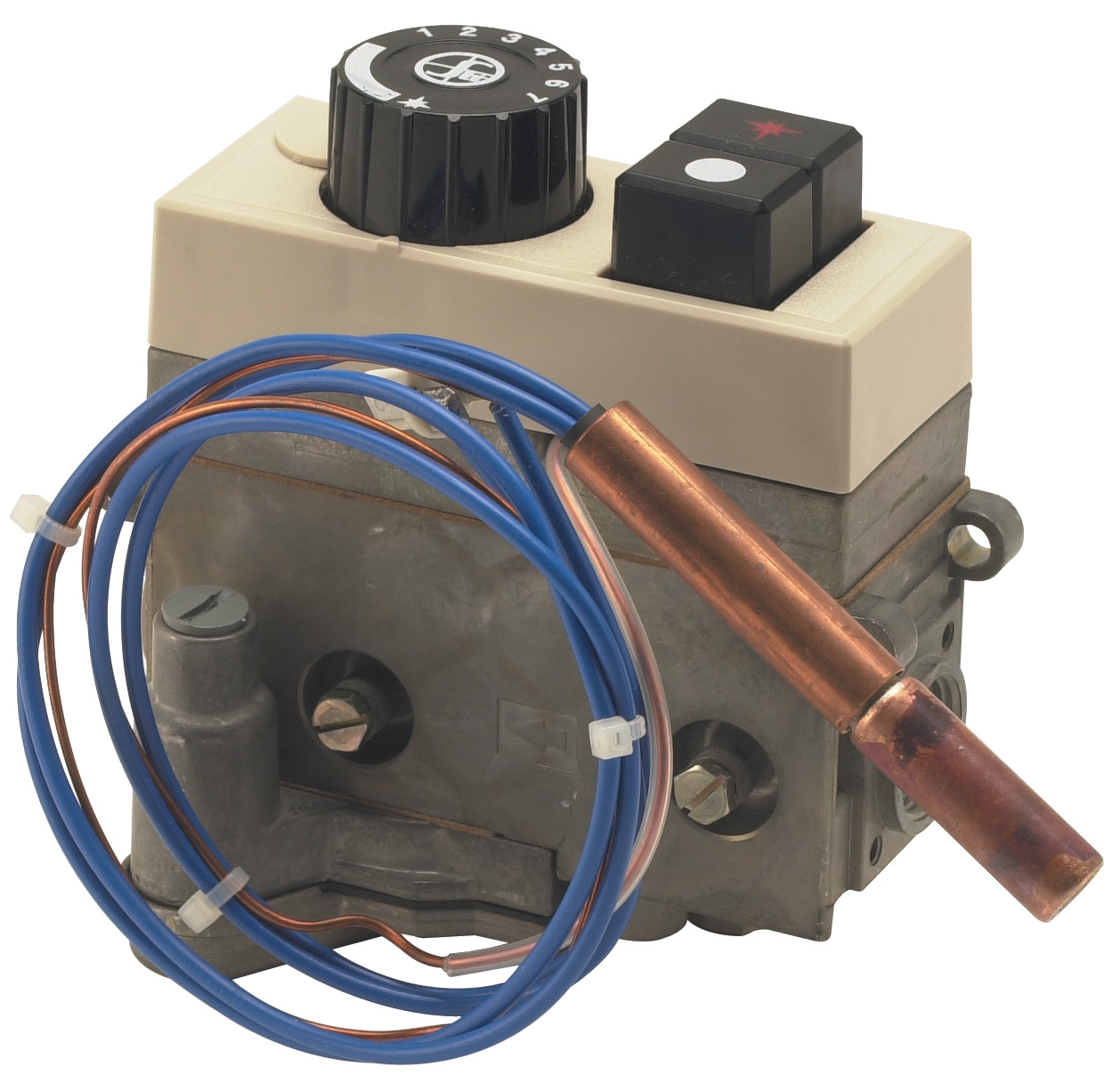
Gas block selection similarly demands lifecycle thinking. The Sit Minisit 710 gas block provides thermoelectric flame supervision with <10s ignition time, optimizing energy efficiency across thousands of start/stop cycles. Its M10x1 pilot outlet and dual connection options (Rp 1/2) support migration strategies when system upgrades become necessary. This flexibility extends the effective lifecycle of associated burner installations.
For advanced applications requiring dual solenoid valve functionality, the Sit Sigma 0840020 gas block with 4.3 W and 2.0 W power consumption specifications enables careful electrical system design. Understanding exact power consumption allows facilities to plan backup power provisions, preventing cascade failures during electrical supply interruptions.
Section 2: Performance Optimization Through Proactive Monitoring
Establishing Baseline Performance Metrics
Lifecycle management requires measurable baselines against which to evaluate component performance degradation. Industrial professionals should establish initial performance documentation immediately after commissioning, capturing:
- Ignition timing: Record actual ignition sequences from cold start across multiple cycles. Increasing ignition time indicates carbon buildup or air supply restriction requiring cleaning.
- Flame stability: Document flame appearance and any flicker patterns using visual inspection or basic flame monitoring. Degradation suggests electrode contamination or gas pressure irregularities.
- Operating temperatures: Capture burner outlet temperatures under controlled load conditions. Unexplained temperature reduction indicates incomplete combustion or heat exchanger fouling.
- Electrical parameters: Log relay coil voltage, reset cycle frequency, and any nuisance lockout events. Increased lockout frequency correlates with imminent component failure.
Predictive Intervention Protocols
Once baselines exist, 3G Electric's experience across Singapore's diverse industrial operations reveals consistent performance degradation patterns that enable predictive maintenance:
Early Warning Phase (Months 1-24): Baseline performance remains stable. Maintenance focuses on scheduled cleaning and visual inspection. For gas blocks like the Sit Minisit 710, quarterly removal and cleaning of the pilot assembly prevents carbon accumulation that would otherwise shorten service life.
Transition Phase (Months 24-60): Subtle performance shifts emerge—slightly longer ignition times, occasional relay hesitation, minor temperature variation. These indicators warrant component inspection and partial replacement. Thermopile generators may require bypass installation of auxiliary power sources without full system replacement.
Degradation Phase (Months 60+): Performance metrics decline measurably. Proactive replacement of relay systems like the Brahma CM 11F or Satronic DKO 976-N prevents unexpected shutdown. Planning replacement during scheduled maintenance windows rather than emergency response preserves operational continuity.
Environmental Factor Compensation
Singapore's operating environment introduces specific optimization challenges. High humidity and occasional salt spray exposure (particularly for industrial facilities near coastal areas) accelerate corrosion of electrical components. Gas block installations should incorporate:
- Protective enclosure specifications that exceed minimum IP ratings
- Enhanced drainage provisions preventing moisture accumulation
- Quarterly inspection intervals rather than biannual routines
- Component replacement schedules adjusted 15-20% earlier than non-coastal installations
Temperature cycling from air-conditioned facility environments to outdoor equipment areas creates thermal stress on relay contactors and solenoid windings. Specification of components with enhanced thermal stability ratings extends service life despite environmental challenges.
Section 3: Planning Component Replacement and System Upgrades
Developing Component Inventory Strategy
Effective lifecycle management requires maintaining strategic spare parts inventory that balances capital efficiency with operational risk. Industrial professionals should identify tier-one components whose failure prevents operation:
Tier-One Critical Components (maintain on-site inventory):
- Burner control relays specific to each installed system (e.g., Brahma CM 11F for gas burners)
- Replacement solenoid valve assemblies from gas blocks like the Sit Sigma 0840020
- Thermopile generators appropriate to installed pilot light systems
- Secondary gas block units (e.g., Sit Minisit 710) for non-critical systems
- Electrode assemblies and ignition components
- Pilot light orifices and adjustment hardware
- Gasket and seal kits
- Cleaning materials and lubricants
- Electrical connection terminals and fasteners
This tiered approach ensures that genuine emergency situations can be addressed within hours while avoiding excessive capital allocation to rarely-needed components.
Upgrade Path Planning
As Controls & Safety technologies evolve, strategic upgrade planning prevents facility obsolescence. The transition from traditional flame supervision systems to dual-stage control (exemplified by advanced gas blocks like the Sit Sigma 0840020) represents a genuine operational advancement—reduced energy consumption, faster response times, and improved safety—but requires planned equipment replacement rather than reactive response.
Industrial facilities should conduct technology assessments every 5 years, evaluating whether newer component generations justify upgrade investment. For gas block systems, component standardization around established interfaces (M10x1 connections, standard pressure ports) enables upgrades without complete burner replacement.
Singapore's regulatory environment, with periodic updates to building energy efficiency requirements, may create compliance-driven upgrade timelines. Planning these transitions proactively—rather than facing emergency compliance retrofitting—optimizes both technical quality and budget management.
Section 4: Regulatory Compliance and Safety Assurance Throughout Lifecycle
Documentation and Compliance Maintenance
Industrial Controls & Safety systems fall under Singapore's regulatory framework including Building and Construction Authority (BCA) standards and Singapore Standards (SS) specifications. Effective lifecycle management requires documentation that demonstrates continuous compliance:
- Initial commissioning certificates capturing baseline performance and regulatory sign-off
- Maintenance logs documenting all component inspections, adjustments, and replacements
- Performance trend analysis showing system behavior over time
- Spare parts inventory records confirming availability of compliant replacement components
This documentation protects facilities during regulatory audits, provides liability evidence in the event of incidents, and enables insurance coverage validation. 3G Electric recommends digital documentation systems that timestamp all entries and prevent retroactive modification.
Risk Assessment Integration
Lifecycle management must incorporate formal risk assessment reviewing how component aging affects safety. A relay system like the Brahma CM 11F with non-volatile lockout protection typically provides 8-10 years of reliable service. However, the consequence of lockout-on-failure must be evaluated—in critical heating applications, lockout during winter periods could create safety risks. Risk assessment guides decisions about whether proactive replacement at 7 years (preventive strategy) or 10 years (risk-acceptance strategy) aligns with facility priorities.
Similarly, thermopile performance degradation creates risk gradients. Early degradation (5-10% output reduction) poses no immediate safety concern. However, the accumulation of marginal performance across multiple system components creates latent failures where simultaneous degradation of pilot ignition, relay sensitivity, and thermopile output produces unexpected system shutdown. Lifecycle management addresses this compound risk through staggered component replacement ensuring that component ages remain distributed rather than synchronized.
Certification and Audit Preparedness
Singapore's regulatory framework increasingly emphasizes facility operator accountability. Maintenance records demonstrating that Controls & Safety systems receive appropriate technical attention provide primary defense against compliance violations or incident liability. Industrial professionals should maintain:
- Quarterly inspection reports for all critical components
- Technician certification records confirming qualified personnel performed maintenance
- Component performance logs tracking key metrics (ignition time, flame stability, relay cycling)
- Incident logs documenting any operational irregularities and corrective actions
This documentation culture transforms compliance from administrative burden into genuine operational advantage—the same records that satisfy regulators identify performance trends enabling predictive maintenance and preventing failures.
Conclusion
Controls & Safety lifecycle management represents strategic infrastructure thinking rather than reactive maintenance. Industrial professionals implementing systematic component selection, performance monitoring, planned replacement, and regulatory documentation achieve significantly extended component service life, reduced operational disruption, and enhanced safety outcomes.
3G Electric's 35+ years supporting Singapore's industrial operations confirm that facilities investing in lifecycle management strategies reduce total cost of ownership by 30-40% over typical system lifespans while improving reliability and regulatory compliance. The specific components discussed—from Sit Minisit 710 gas blocks to Brahma CM 11F relays and Honeywell thermopile generators—represent proven technologies, but their true value emerges only through strategic lifecycle planning.
Industrial professionals ready to optimize their Controls & Safety systems should begin with baseline performance documentation and develop tiered spare parts inventories supporting their specific operational profiles. This foundation enables transition from reactive maintenance to strategic asset management delivering measurable improvements in safety, reliability, and economic performance.