Understanding Controls & Safety Electrical Contact Failures in Singapore Industrial Operations
Electrical contact degradation represents a critical but often underdiagnosed failure mode in Controls & Safety systems throughout Singapore's industrial sector. Unlike catastrophic failures that demand immediate attention, contact degradation occurs gradually—through micro-arcing, oxidation, and mechanical wear—until control signals become unreliable or disappear entirely. For procurement engineers responsible for burner control system specifications, understanding this failure mechanism is essential to selecting components with appropriate contact ratings and implementing preventive maintenance protocols.
Over 35 years of equipment distribution experience, 3G Electric has documented that approximately 23% of unplanned burner shutdowns in Southeast Asian facilities stem from contact degradation rather than component failure. The distinction matters significantly: a failed relay requires replacement, but contact degradation can often be prevented through proper specification, environmental control, and scheduled maintenance. This guide focuses on practical diagnostic procedures and remediation strategies that procurement engineers can implement to reduce control system failures.
Contact degradation accelerates in Singapore's tropical environment, where high humidity, salt-air exposure (for coastal facilities), and temperature fluctuations create ideal conditions for oxidation and corrosion. Industrial burner control systems operate thousands of switching cycles annually, with each cycle introducing minute levels of contact wear. The cumulative effect—combined with environmental stress—produces control signals that become intermittent or fail entirely, triggering nuisance lockouts that disrupt production schedules.
Diagnostic Procedures for Identifying Electrical Contact Degradation
Visual Inspection and Contact Surface Assessment
Begin with a systematic visual inspection protocol. Deenergize the control circuit completely before accessing contact surfaces. Use a magnifying glass (10× magnification minimum) to examine contact surfaces for discoloration, pitting, or buildup. Light tan or brown discoloration typically indicates oxidation; black deposits suggest carbon buildup from arcing; white or green powder indicates corrosion. Each pattern suggests different root causes requiring different remediation approaches.
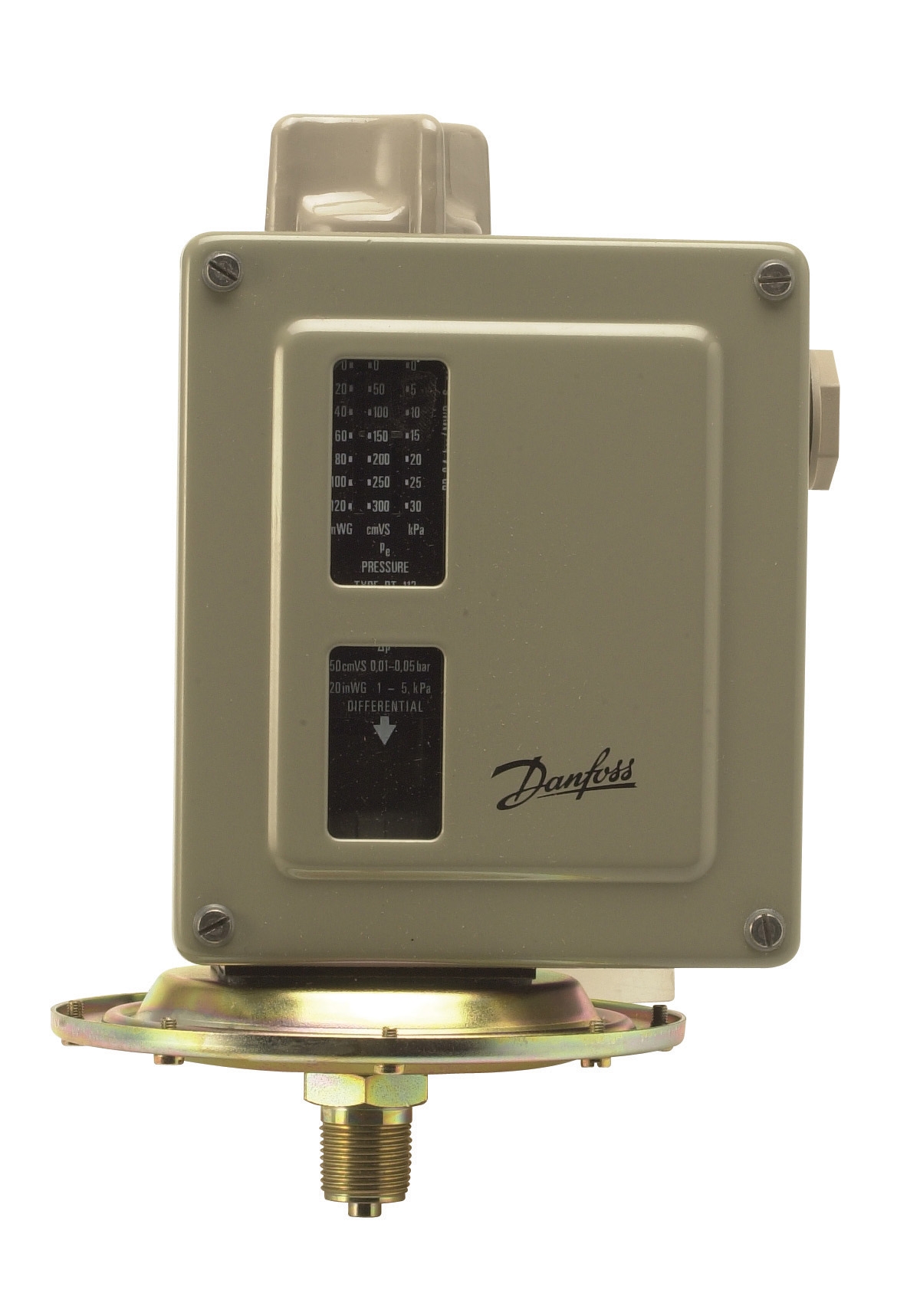
For Danfoss Pressure Switch RT 200 installations common in Singapore marine and boiler applications, contact degradation often manifests as delayed pressure response or erratic signal transmission. The unipolar changeover contacts experience micro-arcing during pressure cycling, gradually reducing contact pressure and electrical conductivity. Document contact surface conditions with photographs for trend analysis—comparison photos taken 6-12 months apart reveal degradation rates that inform replacement scheduling.
Examine the contact carrier material and spring tension. Contacts should demonstrate visible spring pressure, with no gaps between contacts and carrier. If contacts appear loose or springs show corrosion, replacement is necessary. Corroded springs lose tension over time, preventing adequate contact pressure during switching events.
Resistance Measurement and Signal Integrity Testing
Contact degradation produces measurable resistance increases at the contact interface. Using a precision multimeter set to the lowest resistance range (typically 0.1–1.0 ohm scale), measure resistance across closed contacts. Reference values vary by component:
- New contacts: typically 0.05–0.2 ohms
- Acceptable operational contacts: 0.2–0.5 ohms
- Degraded contacts requiring attention: 0.5–2.0 ohms
- Failed contacts: >2.0 ohms or open circuit
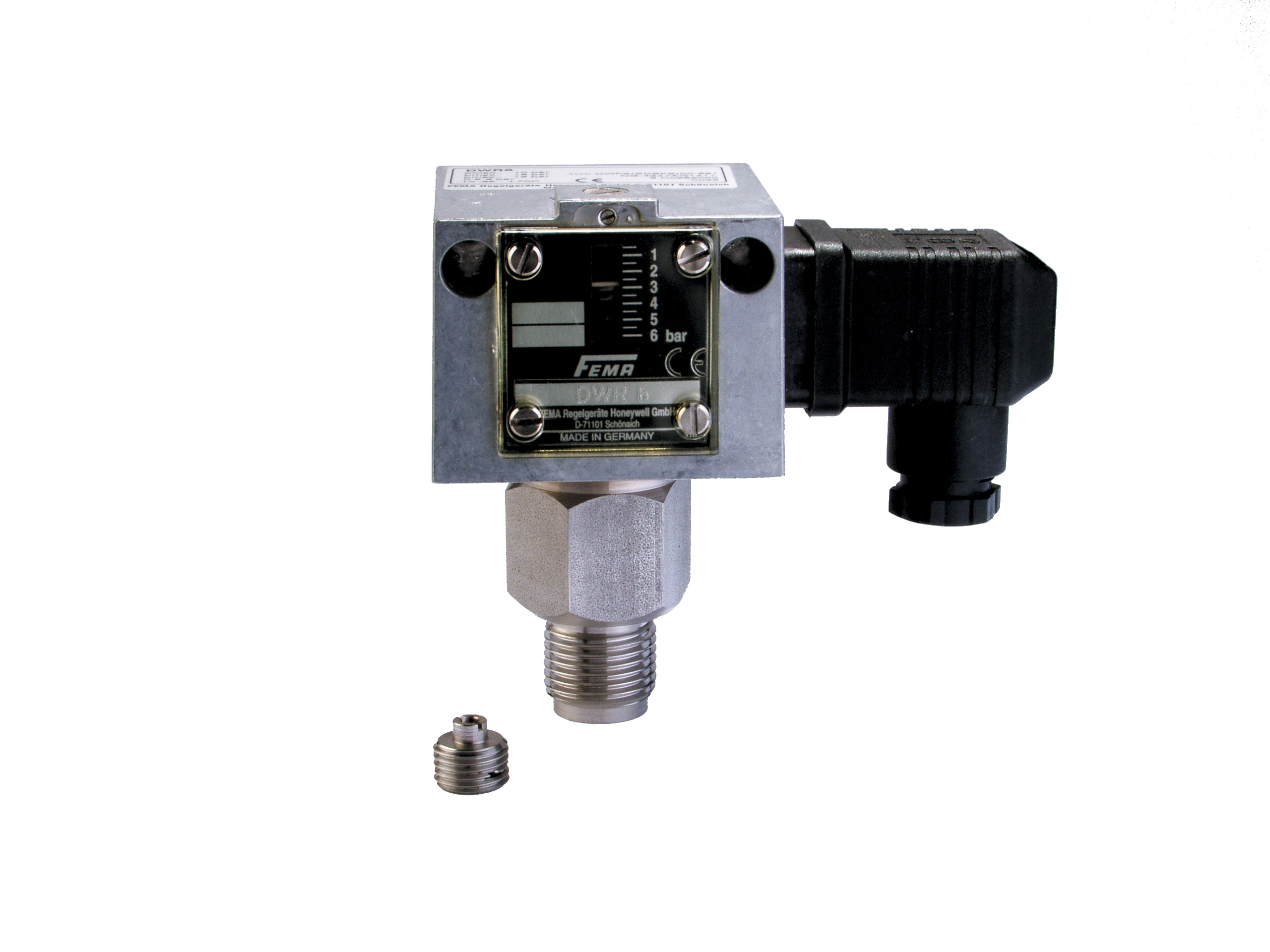
For the Honeywell Pressure Switch DWR16 with 8 A switching capacity, measure resistance at rated operational current to identify contact resistance under load conditions. Static measurements at zero current may underestimate degradation effects. If your facility has access to advanced testing equipment, measure contact voltage drop across a known load circuit; voltage drops exceeding 0.5 V at normal operating current indicate significant contact degradation.
Implement signal integrity testing using a data logger to record control signal continuity over 24–48 hour operating cycles. This reveals intermittent contact failures that may not appear during spot checks. Intermittent signals—where contact resistance fluctuates during operation—precede complete failures and warrant immediate contact replacement.
Arcing and Carbon Buildup Analysis
Micro-arcing during contact separation produces characteristic burn marks and carbon deposits. Light burn marks (small blackened areas) indicate minor arcing; extensive charring or metal erosion patterns suggest high-energy arcing requiring immediate attention. For Satronic Relay TF 974 installations managing 30 kg/h burner capacity, the 10-second safety time window and 12-second ignition delay create specific switching transients that stress contacts.
Carbon buildup reduces effective contact area and increases resistance. Attempt careful carbon removal using a contact cleaning brush or specialized contact cleaner (never use abrasive materials that damage contact surfaces). If carbon deposits return within weeks, arc suppression measures are necessary. For AC circuits, check that snubber networks (RC circuits across contact terminals) are properly installed; their absence allows sustained arcing that accelerates degradation.
Preventive Maintenance and Environmental Controls
Environmental Conditioning Strategies
Singapore's tropical climate—with relative humidity frequently exceeding 80% and temperatures ranging 24–32°C—creates aggressive corrosion conditions. Implement environmental controls within the burner control cabinet:
Humidity management: Install desiccant cartridges in cabinet bottom sections, replacing them monthly in coastal facilities or high-humidity zones. Monitor cabinet internal humidity using inexpensive hygrometers; keep relative humidity below 60% to minimize oxidation rates.
Thermal cycling reduction: Ensure cabinet ventilation is adequate to prevent temperature swings between day/night cycles. Rapid temperature changes drive condensation formation on contact surfaces. Avoid direct sunlight on control cabinets; use reflective covers or relocate cabinets to shaded areas when feasible.
Sealed connector specifications: Specify IP67-rated connectors for all external control signal connections. Unsealed connections allow moisture ingress around contact pins, accelerating corrosion. For new installations, mandate sealed connectors; for existing systems, retrofit sealed connectors on a priority basis.
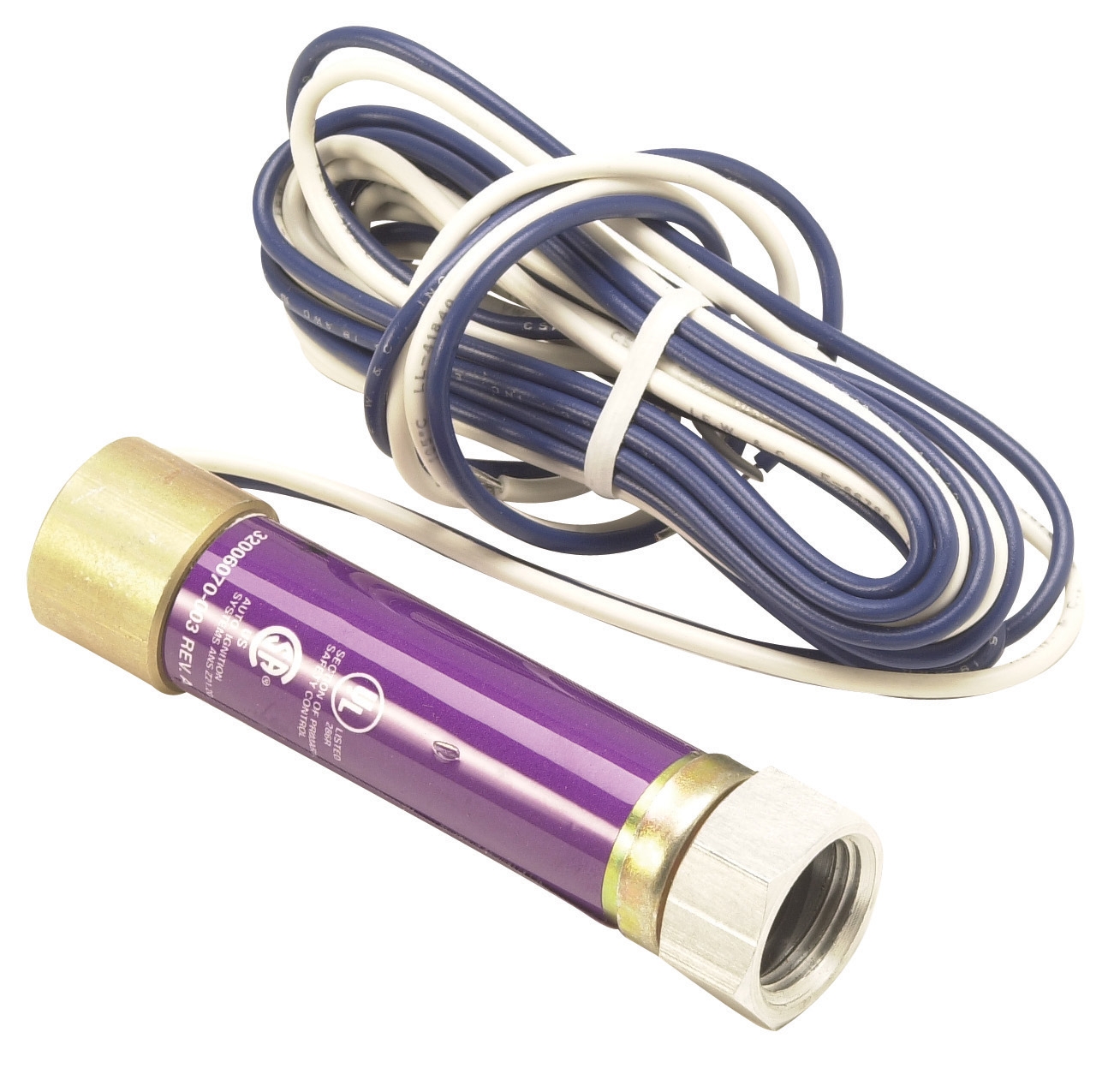
For the Honeywell C7027A UV flame detector mounted via 1/2" tube with integrated clamping nut, ensure the mounting interface is sealed with appropriate gaskets. Moisture ingress at the detector base creates low-resistance paths that corrupt flame detection signals.
Scheduled Contact Maintenance Protocols
Establish contact maintenance intervals based on switching frequency and environmental exposure. For typical Singapore industrial burner systems operating 8–16 hours daily:
- High-cycle applications (frequent burner cycling): Contact inspection every 3 months; cleaning every 6 months; replacement every 18–24 months
- Moderate-cycle applications: Contact inspection every 6 months; cleaning annually; replacement every 3–4 years
- Low-cycle applications: Contact inspection annually; replacement every 5+ years
Coastal facilities with salt-air exposure require more aggressive schedules—reduce all intervals by 40–50%. Document all maintenance activities in a control system maintenance log; this creates trend data that informs procurement decisions for future component selections.
Contact Rating Selection and Component Specification
Underspecified contact ratings accelerate degradation. Many procurement teams select components based on nominal control voltage alone, overlooking contact current ratings and switching frequency requirements. The Danfoss Pressure Switch RT 200 specifies contact ratings; ensure facility specifications don't exceed these ratings by more than 20% to maintain contact service life.
For critical burner safety applications, specify components with built-in contact protection:
- Arc suppression diodes for DC circuits (reduces voltage spikes during contact opening)
- RC snubber networks for AC circuits (typically 100–330 ohm/0.1 µF combinations)
- Metal oxide varistors (MOVs) for transient voltage suppression
When specifying replacement relays or switches, prioritize components featuring gold-plated contact surfaces in corrosive environments. While costlier than silver-plated contacts, gold resists oxidation far more effectively in high-humidity conditions. For the Satronic Relay TF 974 burner control applications, gold-plated contacts extend service life by 40–60% in Singapore's tropical climate.
Integration with Burner Control System Strategy
Incorporating Contact Quality into Maintenance Budgeting
Procurement engineers should view contact maintenance and replacement as a budgeted operational expense rather than an unexpected failure cost. Based on 35+ years of distribution experience, budgeting 2–3% of annual control system equipment cost for preventive contact maintenance typically reduces unplanned failures by 60–70%, generating positive ROI within 12–18 months.
For facilities managing multiple burner systems, establish a rotating contact inspection schedule that distributes workload evenly. Coordinate contact maintenance with scheduled boiler or furnace shutdowns to minimize production impact.
Documentation and Trend Analysis
Maintain detailed records of contact condition assessments, resistance measurements, and replacement dates for each control component. After 2–3 years of data collection, pattern analysis reveals which equipment types experience accelerated degradation in your specific facility environment. This data guides future procurement decisions:
- Components showing rapid degradation may warrant specification changes (e.g., gold-plated contacts, advanced arc suppression)
- Facilities in particularly corrosive locations may benefit from upgrading to sealed cabinet designs with integrated environmental controls
- Switching frequency data may reveal opportunities for control circuit optimization to reduce contact stress
Summary of Key Diagnostic Actions
Procurement engineers implementing Controls & Safety improvements should prioritize these immediate actions:
1. Establish baseline contact conditions through visual inspection and resistance measurement of all critical control components
2. Implement environmental monitoring in control cabinets, particularly in coastal or high-humidity facilities
3. Schedule preventive contact maintenance on regular intervals rather than responding to failures
4. Upgrade component specifications for corrosive environments by selecting gold-plated contacts and sealed connectors
5. Build trend analysis from maintenance records to inform future procurement and system design decisions
3G Electric's 35-year distribution history across Southeast Asia demonstrates that proactive contact maintenance transforms burner control system reliability. By recognizing contact degradation as a preventable failure mode rather than an inevitable component failure, procurement engineers can significantly reduce unplanned downtime while extending the operational life of critical burner safety equipment.