Understanding Controls & Safety Across Southeast Asian Markets
Controls & Safety systems in Southeast Asia operate within a complex regulatory landscape that varies significantly by country. Unlike Western markets with unified standards, HVAC contractors working across Singapore, Malaysia, Thailand, Vietnam, and Indonesia must navigate different pressure equipment directives, electrical codes, and safety certifications.
3G Electric has served the industrial equipment distribution market for over 35 years, helping contractors understand these nuanced regional requirements. The challenge isn't just selecting the right solenoid valves or relay systems—it's understanding how each component meets varying national safety standards while maintaining system reliability in tropical climates with high humidity and temperature fluctuations.
Your Controls & Safety strategy should account for: national pressure equipment regulations, local electrical installation codes, environmental certifications required by your end-users, and the availability of spare parts and technical support in your region. Each of these factors directly impacts your installation timeline, ongoing maintenance costs, and liability exposure.
Regulatory Framework Comparison: What Each Market Requires
Singapore's Strict Approach
Singapore operates under the Pressure Equipment and Boilers (PEB) Regulation, closely aligned with European standards. HVAC contractors here typically work with equipment certified to PED (Pressure Equipment Directive) standards, with third-party inspections mandatory for most installations. The Housing and Development Board (HDB) and Building and Construction Authority (BCA) require detailed documentation of all control components.
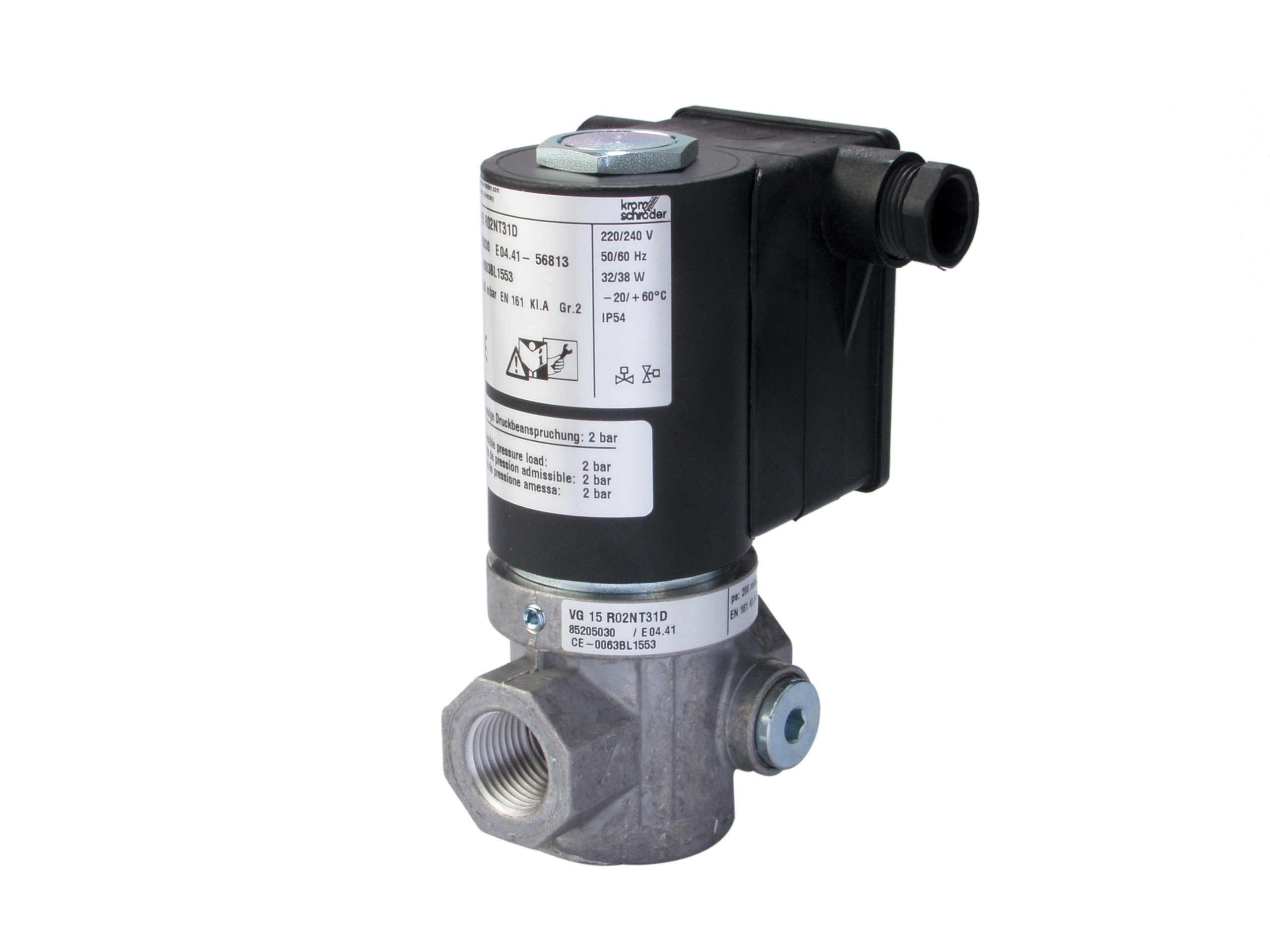
The Kromschroder Fast gas solenoid valve VAS 225R/NW exemplifies equipment suitable for Singapore's stringent requirements. Its blue LED indicator provides visual confirmation of solenoid activation—essential for commissioning documentation and inspections. The integrated flow adjustment eliminates separate regulators, reducing potential failure points and simplifying compliance verification.
For relay systems in Singapore installations, the Satronic Relay TF 836.3 meets IP 44 protection standards and delivers the rapid safety response (10 seconds) required by BCA guidelines. Its 2-5 second postignition time ensures burners don't overshoot operating parameters—critical in Singapore's densely packed urban environments where equipment operates near occupied spaces.
Malaysia's Performance-Based Standards
Malaysia follows the Safety and Health at Work Act (OSHA 1994) with performance-based regulations rather than prescriptive codes. This flexibility allows equipment selection based on functional outcomes, but requires detailed risk assessments and commissioning records demonstrating safety compliance.
The Pactrol CSS01 12 housing control module works well in Malaysian market conditions. Its integrated timed relay, flame relay, and spark generator functions provide all necessary safety monitoring in a single housing—reducing installation complexity and potential failure points that regulators scrutinize during inspections. The atmospheric and small forced-air burner capability (up to 60 kW) matches typical Malaysian commercial HVAC installations.
Thailand and Vietnam: Emerging Standards with Practical Flexibility
Thailand and Vietnam follow less prescriptive safety frameworks, with standards often determined at the provincial or municipal level. This creates opportunities for contractors to specify equipment based on international certifications, but also requires stronger documentation of your decision-making process.
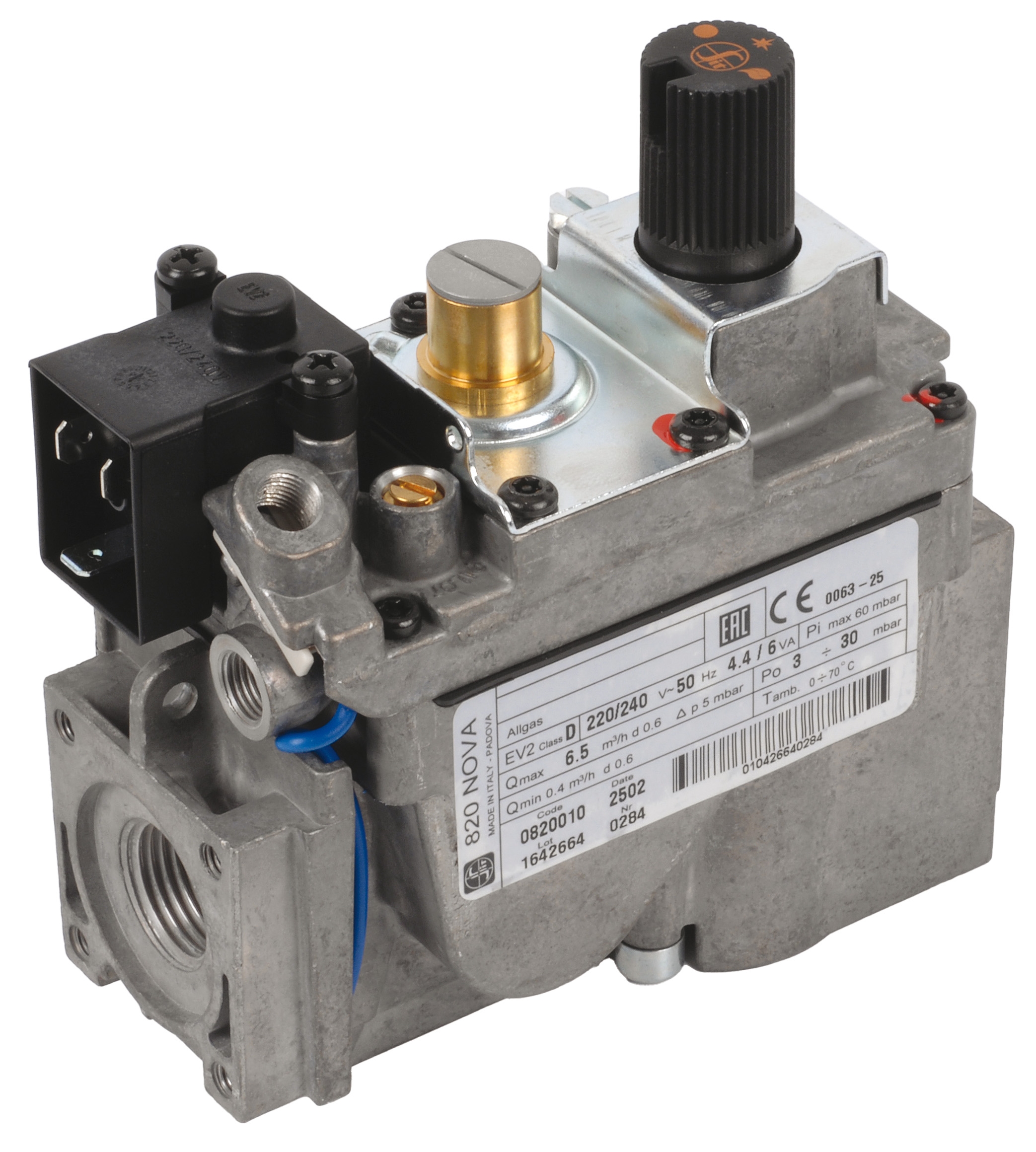
The SIT Gas block Nova 0820010 is particularly valuable in these markets due to its straightforward 24 VAC operation and Class D I/II certification. No exotic power supply requirements simplify installation across facilities with varying electrical standards. The maximum flow rates of 5.3-6.5 m³/h cover 80% of typical Southeast Asian commercial HVAC applications without oversizing concerns.
In Thailand and Vietnam, your Controls & Safety strategy should emphasize:
- Documentation of international certifications (ISO, CE, or equivalent)
- Clear maintenance access for local technicians who may lack specialized training
- Redundant safety functions to compensate for less rigorous inspection protocols
- Spare parts availability through reliable distributors like 3G Electric
Indonesia's Local Authority Variance
Indonesia's regulatory environment varies by province, with Jakarta following stricter standards than secondary cities. Industrial Safety (P3K) regulations apply to burner systems, but enforcement and interpretation depend heavily on local building officials and insurance requirements.
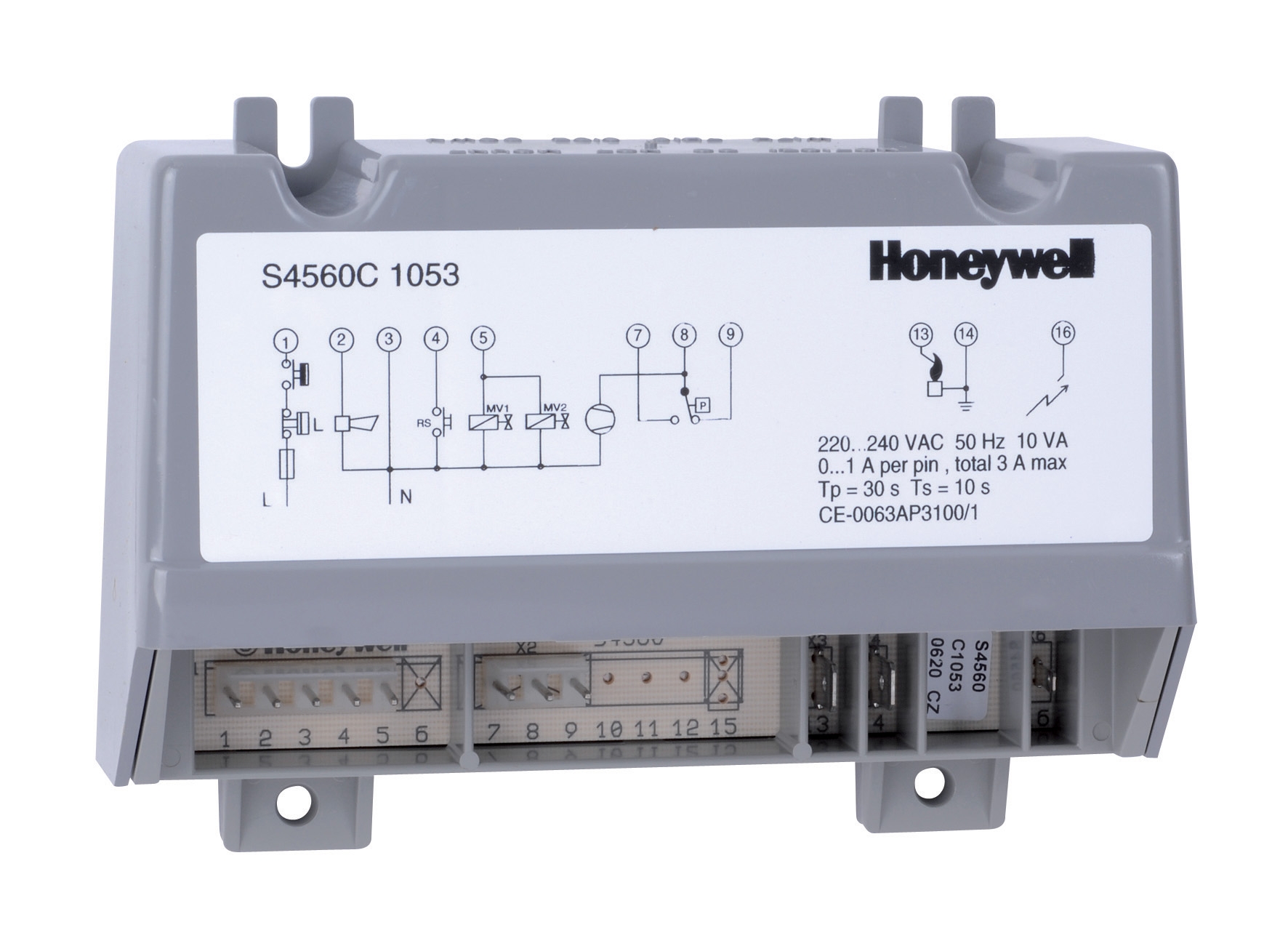
For Indonesian installations, the Honeywell Housing S4560 C 1053 U offers flexibility with adjustable waiting and prepurge times (0-24 seconds each). This adaptability lets you optimize performance for local equipment while meeting whatever safety timeline your inspector requires. The 220-240V, 50 Hz operation matches Indonesia's electrical standard perfectly.
Comparative Equipment Selection: Matching Controls & Safety Components to Regional Requirements
Solenoid Valve Specifications by Market
Regional differences dramatically affect solenoid valve selection:
High-pressure requirements: Singapore and Malaysia often specify lower maximum pressures (500 mbar upstream) to reduce risk during maintenance. The Kromschroder VAS 225R/NW's 500 mbar rating suits these markets, though Indonesian facilities occasionally need higher ratings.
Response speed: Tropical humidity in Vietnam and Thailand can corrode electrical contacts. Solenoid valves requiring faster response times (like the Kromschroder's sealed design) provide better long-term reliability in coastal areas where salt spray is a concern.
Flow adjustment integration: Markets with fewer technical personnel favor integrated flow adjustment. Single components mean fewer installation points where errors can occur and reduce training requirements for local maintenance staff.
Relay and Control Module Selection Strategy
Control relays face different demands across Southeast Asia:
IP protection ratings: Malaysia's monsoon season (May-September) and Thailand's tropical storms require higher IP ratings. The Satronic TF 836.3's IP 44 protection handles these conditions better than lower-rated alternatives, justifying the modest cost premium.
Postignition timing flexibility: Indonesia's varied inspector standards make adjustable postignition times essential. The Honeywell S4560's 2-5 second postignition adjustment (versus fixed timing) lets you satisfy different officials without equipment changes.
Integrated versus modular design: Singapore contractors favor integrated systems (like the Pactrol CSS01) that combine timed relay, flame relay, and spark functions. Malaysia and Thailand contractors often specify modular systems for easier troubleshooting and field repairs. Your choice depends on your service network's technical depth.
Cost-Benefit Across Regional Markets
Regional compliance costs vary dramatically:
| Market | Equipment Cost | Certification/Testing | Spare Parts | Total First-Year Cost |
|--------|--------|--------|--------|--------|
| Singapore | Higher | ~15-20% of system | Widely available | 35-40% premium |
| Malaysia | Moderate | ~10-15% of system | Good availability | 20-25% premium |
| Thailand | Moderate | ~5-10% of system | Variable | 15-20% premium |
| Vietnam | Lower | ~5-10% of system | Limited initially | 10-15% premium |
| Indonesia | Lower | ~5-15% by location | Growing networks | 12-20% variable |
Don't optimize solely on first-cost. Singapore's higher equipment investments typically result in fewer service callbacks and lower insurance costs. Malaysia's mid-range approach balances compliance rigor with economic efficiency. Thailand and Vietnam require stronger spare parts relationships to offset equipment cost savings. Indonesia demands comprehensive documentation to compensate for regulatory unpredictability.
Practical Implementation: Commissioning Controls & Safety Systems Across Southeast Asia
Pre-Installation Documentation Requirements
Before you even unpack equipment, create region-specific commissioning folders containing:
For Singapore: Detailed P&IDs showing all control interlocks, burner control sequences, and safety shutdown pathways. Include photographs of equipment nameplates and certification markings. Obtain building authority pre-approval before installation.
For Malaysia: Risk assessment documentation explaining your component selections, maintenance intervals, and contingency procedures if equipment fails. Include local supplier contact information and spare parts availability confirmation.
For Thailand/Vietnam: International certification copies, installation manuals in English, and simplified maintenance diagrams for local technicians who may not read detailed technical specs.
For Indonesia: Clear organizational documentation showing decision logic—why you selected specific components, how they meet relevant standards, and what happens during failure scenarios. Local officials respond to transparent decision-making processes.
Installation Procedures Accounting for Climate Challenges
Southeast Asian climates create installation challenges Western contractors rarely encounter:
Humidity management: Install equipment in enclosures with continuous or periodic dehumidification, especially in coastal areas. The Satronic TF 836.3's IP 44 rating helps, but doesn't eliminate moisture infiltration over months of tropical operation. Use silica gel indicators and plan regular enclosure inspections.
Thermal stress: Equipment near boiler rooms experiences 50+ degree Celsius temperature swings between day and night operation. Verify that all components—solenoid valves, relays, control modules—have operating ranges covering your expected extremes. The SIT Gas block Nova's 24 VAC operation generates less heat buildup than higher-voltage alternatives, extending component life in warm climates.
Vibration and corrosion: Industrial facilities in developing Southeast Asian markets often have less robust mechanical foundations than Singapore installations. Ensure all solenoid valves and control modules are securely mounted with vibration isolation. Use stainless steel mounting hardware in coastal areas.
Wiring practices: 3G Electric recommends separate conduit runs for control circuits and power circuits to prevent electromagnetic interference—particularly important in facilities with aging electrical infrastructure. Use larger gauge wire than minimum specs to reduce voltage drop across humid, corroded connections.
Commissioning Checklists by Equipment Type
Solenoid valve commissioning (using Kromschroder VAS 225R/NW as example):
- Verify upstream gas pressure is within 0-500 mbar specification
- Confirm blue LED illuminates when solenoid energizes
- Test manual shutoff override operates freely
- Measure flow rate through integrated adjustment screw at minimum and maximum settings
- Document all readings in commissioning folder with date and technician signature
- Photograph LED status in both on and off positions
- Verify 24 VAC supply voltage is within 20.4-28.8V range (±10% tolerance)
- Test flame detection circuit by simulating flame signal; confirm relay response within 2-5 seconds
- Test safety shutdown by interrupting flame signal; confirm complete shutdown within 10 seconds
- Check postignition timing against design specification (document actual versus specification)
- Test manual reset function operates only when flame signal is absent
- Perform three complete ignition cycles, recording timing for each
- Verify 220-240V supply for atmospheric and forced-air burners
- Test electronic spark generator produces visible spark at test electrode
- Confirm timed relay holds solenoid valve open for full preheat period
- Test flame relay response to flame detection—verify immediate on/delayed off operation
- Perform emergency shutdown test via burner thermostat interruption
- Document all four control functions (ignition timing, valve control, flame detection, shutdown response) in commissioning log
Troubleshooting Common Controls & Safety Issues in Southeast Asian Conditions
Humidity-Related Failures
Problem: Solenoid valve fails to energize intermittently; LED indicator flickers. Southeast Asia-specific cause: Moisture in control wiring causing intermittent electrical continuity loss. Solution: Inspect all terminal blocks and connectors for white corrosion film. Clean with electronic contact cleaner and apply non-conductive silicone conformal coating. Reduce commissioning humidity risk by installing enclosure dehumidification and sealing all cable entry points with polyurethane sealant, not just silicone.
Pressure Variation Issues
Problem: Solenoid valve flow rate varies significantly between morning and evening operations. Southeast Asia-specific cause: Thermal expansion of gas in supply piping; pressure regulators calibrated for Western climates may not account for 20-degree Celsius daily variations. Solution: Install pressure gauge at solenoid valve inlet and log readings across 24-hour operating cycle. If variation exceeds ±10%, install an additional downstream regulator to maintain steady pilot pressure independent of supply line temperature changes. The Kromschroder's integrated flow adjustment helps mitigate this, but isn't a complete solution.
Relay Response Delays
Problem: Burner ignition extends beyond design specification; safety system occasionally fails to respond to flame loss within 10 seconds. Southeast Asia-specific cause: Electrical supply voltage fluctuations common in developing markets cause relay coil response variations. Solution: Measure actual voltage during both on and off-peak hours. If supply voltage varies more than ±10%, install an uninterruptible power supply (UPS) providing stable 24 VAC to relay circuits. This typically costs less than field-replacing the relay and eliminates voltage-related nuances in future troubleshooting.
Key Takeaways for Southeast Asian HVAC Contractors
Controls & Safety system selection isn't just about picking compatible components—it's about understanding your specific regional regulatory context, climate challenges, and available support networks. 3G Electric's 35+ years of experience serving industrial equipment markets shows that successful Southeast Asian installations balance:
- Specification rigor appropriate to your market's regulatory framework
- Equipment robustness matching tropical climate conditions
- Documentation completeness satisfying local inspection standards
- Service accessibility ensuring spare parts and technical support when needed
Singapore contractors should invest in fully integrated, certified systems with complete documentation. Malaysia contractors benefit from performance-based approaches with thorough risk assessment. Thailand and Vietnam contractors need flexibility and clear international certifications. Indonesian contractors must emphasize transparent decision-making and strong spare parts relationships.
The products referenced throughout this guide—Kromschroder VAS 225R/NW, Pactrol CSS01 12, Honeywell S4560 C 1053 U, SIT Gas block Nova 0820010, and Satronic TF 836.3—all represent proven solutions available through 3G Electric's global distribution network. Evaluate each against your specific regional requirements rather than selecting based solely on price or familiarity with Western markets.