Controls & Safety: Diagnostic Capability and Troubleshooting Efficiency Comparison
For plant managers operating in Singapore's competitive industrial environment, equipment downtime directly impacts profitability. When Controls & Safety systems fail, the speed of diagnosis determines the severity of production losses. This article examines how different control and safety components—thermostats, flame detectors, amplifiers, and integrated control modules—deliver diagnostic visibility that translates to faster repairs and reduced operational interruptions.
With over 35 years of distributing industrial equipment across Southeast Asia, 3G Electric has observed that plants investing in components with transparent diagnostic features achieve significantly lower mean time to repair (MTTR). We'll compare how the Danfoss RT 124 thermostat, Honeywell Cell C 7044 A 1006 flame detector, Honeywell Amplifier R 7861 A 1026, and Pactrol CSS01 12 control module differ in their ability to communicate faults, support field testing, and integrate into predictive maintenance workflows.
Diagnostic Architecture: Analog Feedback vs. Integrated Signal Processing
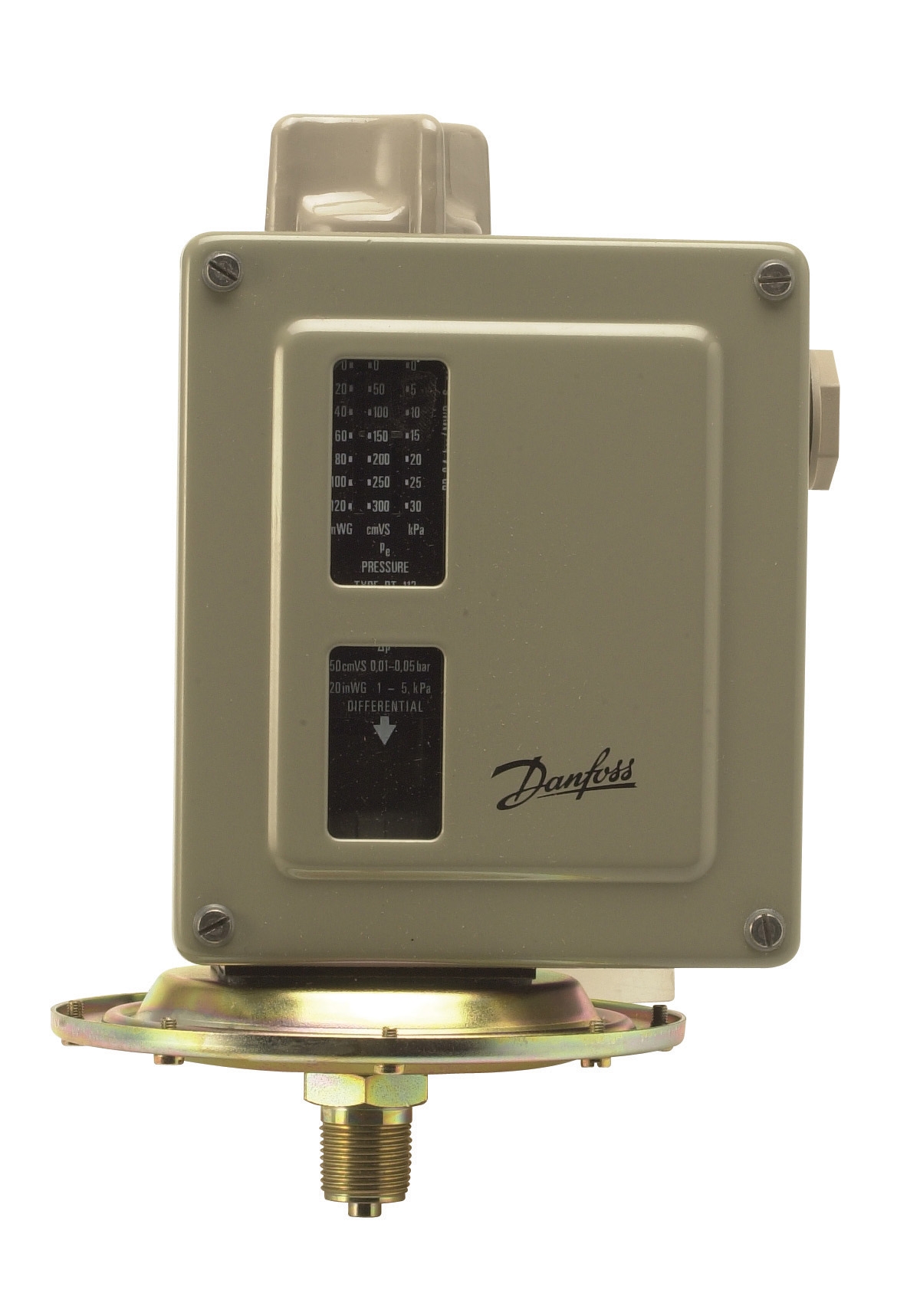
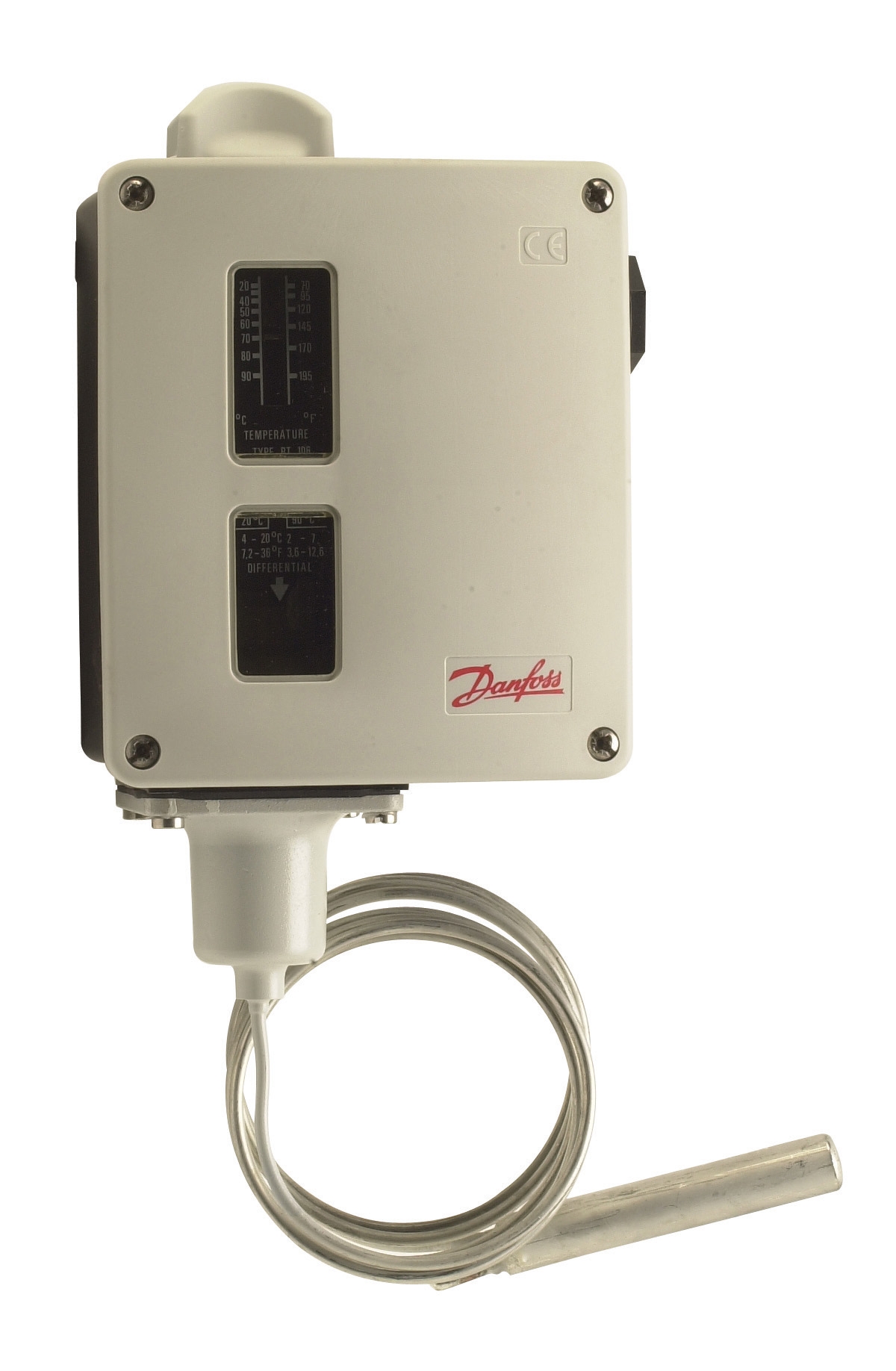
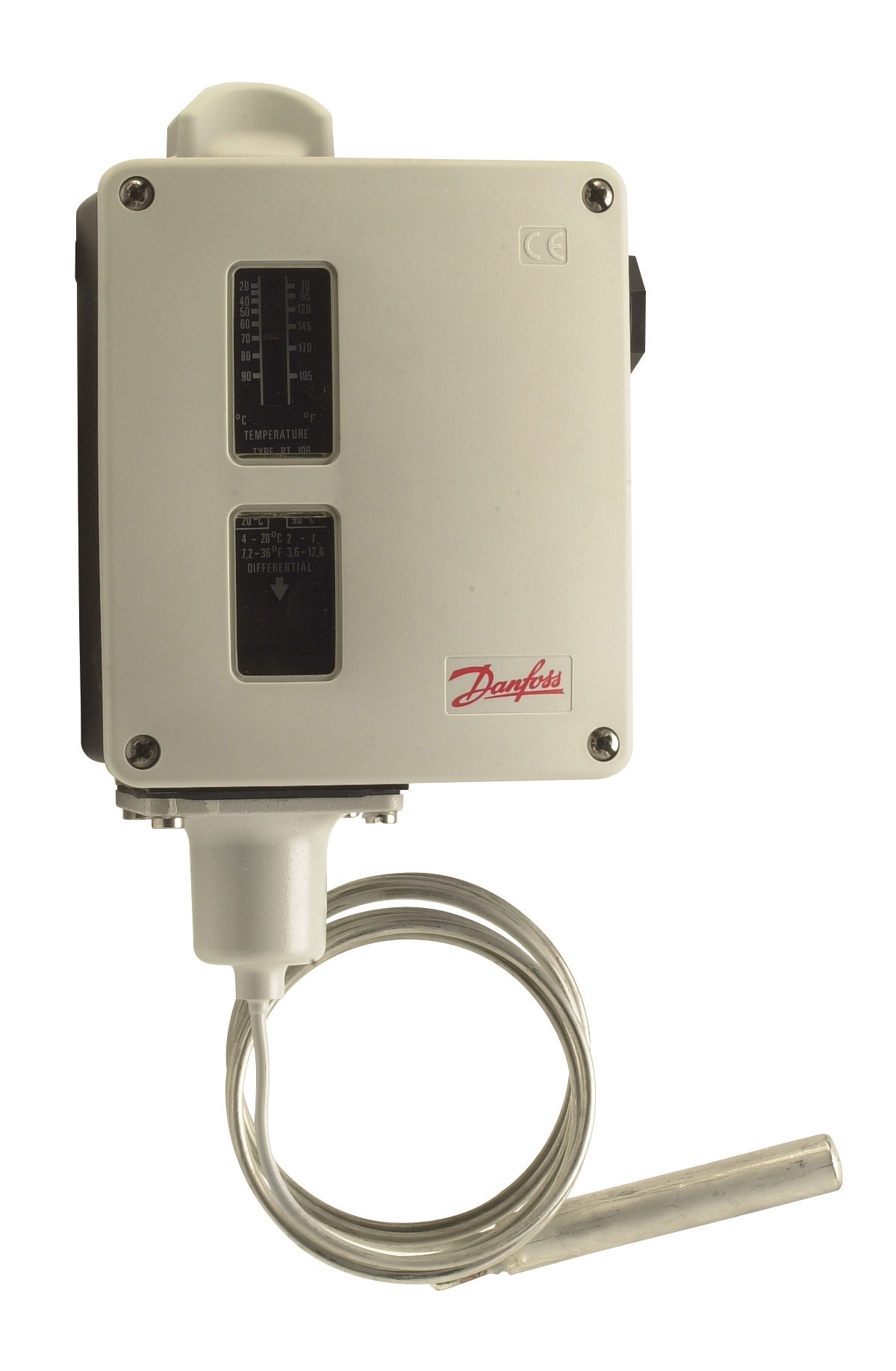
Traditional thermostat controls like the Danfoss RT 107 and Danfoss RT 124 operate on mechanical or analog principles. The RT 124 bulb-actuated design with adjustable differential and neutral zone option provides intuitive field diagnostics—a technician can visually confirm setpoint calibration and observe contact closure directly. However, this simplicity offers limited remote visibility. Temperature deviation requires manual verification at the device location, making it difficult to track historical performance or identify slow drift before failure occurs.
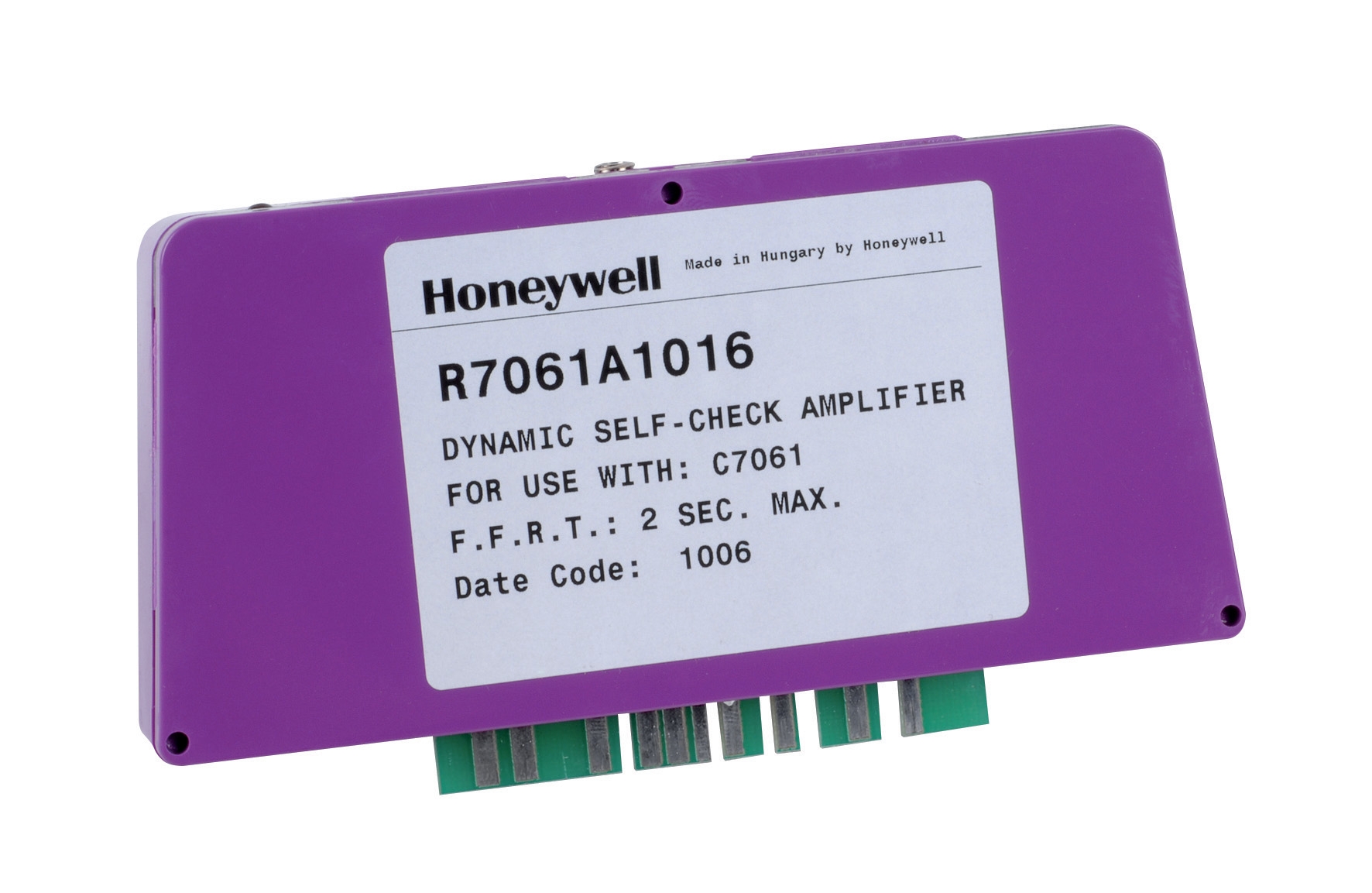
In contrast, the Honeywell Cell C 7044 A 1006 ultraviolet flame detector integrated with the Honeywell Amplifier R 7861 A 1026 creates a signal chain where diagnostic capability is built into the amplifier. The amplifier continuously monitors flame detection strength, allowing you to assess detector health without physical access to the burner flame sensor. The R7861A 1026 operates across -40°C to 60°C and tolerates 0.5 g continuous vibration—specifications that matter for Singapore's humid tropical environment—while simultaneously providing measurable signal output that reveals performance degradation before complete failure.
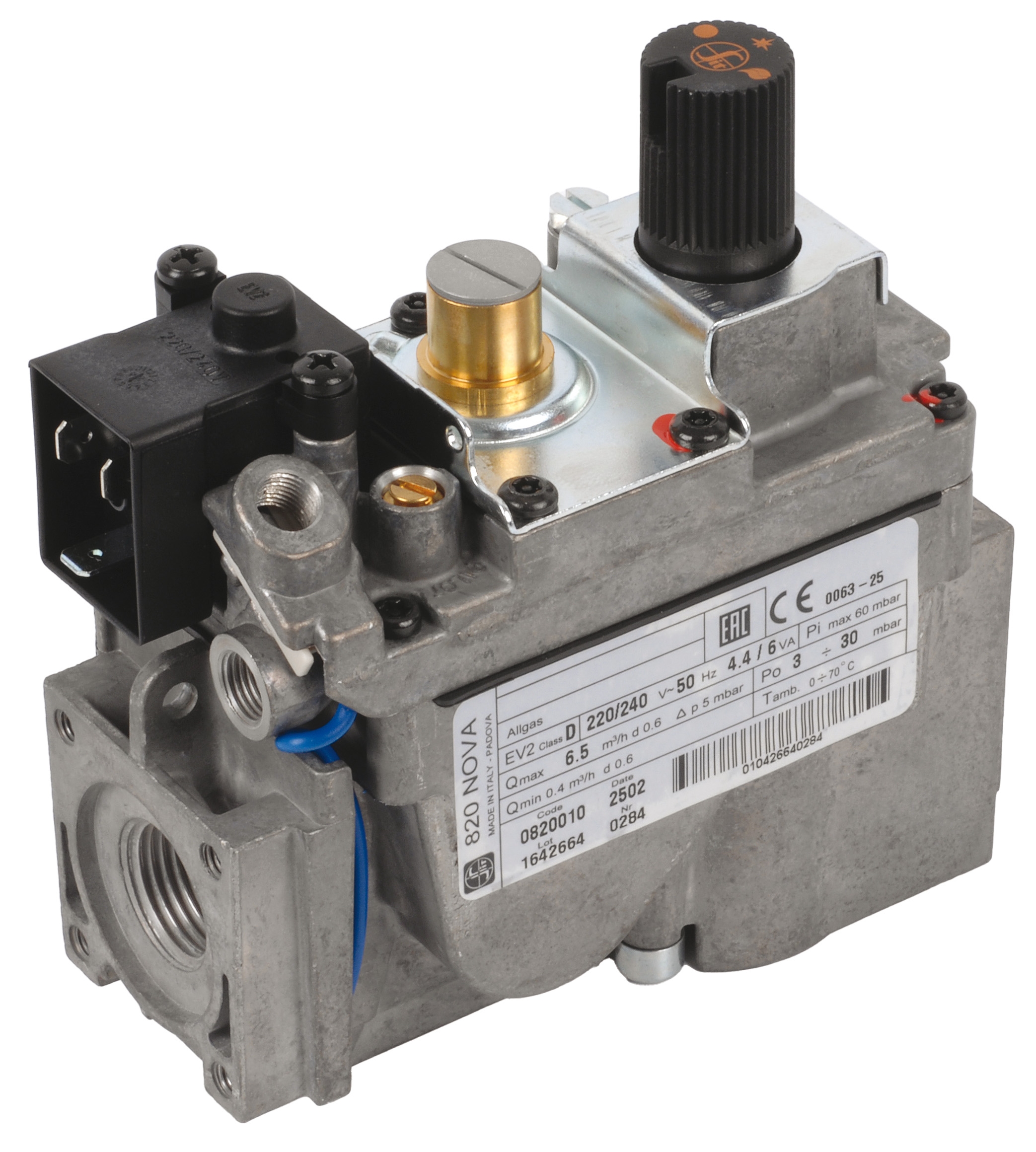
The Pactrol CSS01 12 control module bridges these approaches, integrating timed relay, flame relay, and spark generator functions into a single housing. This consolidation improves diagnostic efficiency because fault isolation occurs at the module level rather than requiring technicians to trace signal paths across separate components. When ignition fails, you immediately know whether the problem lies in timing, flame sensing, or spark generation—critical for burner systems rated up to 60 kW where safety shutdowns cannot afford ambiguity.
Field Testing Protocols and Technician Accessibility
Plant managers must evaluate how easily their technicians can test Controls & Safety components without specialized equipment or extended system shutdowns. The Danfoss thermostat designs (RT 107 and RT 124) score well here—differential adjustment and contact verification require only a multimeter and basic HVAC knowledge. Technicians can validate proper operation in minutes, and the universal single-pole changeover contact simplifies integration across multiple system types. This accessibility reduces dependency on specialist contractors, lowering per-visit costs in Singapore's labor-intensive service environment.
Flame detection diagnostics demand more sophistication. The Honeywell Cell C 7044 A 1006 ultraviolet detector cannot be functionally tested without active flame; substituting a UV light source risks incorrect commissioning if the light spectrum doesn't precisely match the detector's sensitivity window. The accompanying Honeywell Amplifier R 7861 A 1026 compensates by allowing voltage-level measurements that indicate detector health. A healthy UV cell will produce measurable signal variation in response to burner operation. Degraded cells exhibit weak or unstable signals, alerting technicians to imminent failure. This measurable signal path is essential for predictive maintenance strategies that prevent unplanned outages.
The Pactrol CSS01 12 control module simplifies field testing by centralizing relay and spark functions. Instead of testing flame relay, ignition timing, and spark generation at separate points, technicians confirm module operation through unified test sequences. Timed relay performance, flame sensing response, and spark generator firing can all be verified during controlled system startup. This consolidated testing approach reduces the number of access points technicians must check, speeding up commissioning and fault isolation after maintenance work.
Integration with Remote Monitoring and Predictive Maintenance Workflows
Modern industrial operations increasingly rely on centralized monitoring and predictive analytics. Plant managers in Singapore seek Controls & Safety systems that feed into Building Management Systems (BMS) or Industrial IoT platforms. The Danfoss thermostat components operate best in traditional analog or discrete signal architectures; they generate on/off contact states that integrate easily into legacy systems but provide minimal data for predictive analysis. Historical performance requires external logging systems, adding cost and complexity.
The Honeywell flame detection combination—Cell C 7044 A 1006 detector with Amplifier R 7861 A 1026—offers better integration potential. The amplifier's 0-10 VDC or 4-20 mA output signal can connect directly to BMS platforms. By logging amplifier output over weeks or months, you detect slow degradation in UV detector sensitivity before the flame signal drops below functional thresholds. This predictive capability allows you to schedule detector replacement during planned maintenance windows rather than responding to emergency failures. In Singapore's high-humidity environment, UV cell contamination and optical window clouding are predictable failure modes; continuous signal trending identifies them weeks in advance.
The Pactrol CSS01 12 control module excels in integration because it consolidates multiple functions into measurable outputs. Rather than monitoring separate flame relay closure, spark generator frequency, and timed relay sequencing at different system nodes, a single module connection delivers comprehensive ignition system diagnostics. This simplification reduces wiring complexity, improves signal integrity (fewer connection points means fewer sources of intermittent faults), and provides a logical point for condition monitoring. Plants using the Pactrol module can implement status monitoring with fewer sensor inputs, reducing overall system cost while improving diagnostic clarity.
Maintenance Documentation and Spare Parts Availability
A component's diagnostic value extends to how well its performance parameters are documented and how readily spare parts are available in your region. The Danfoss thermostat line benefits from extensive documentation and decades of field history; replacement bulbs, contact assemblies, and adjustment components are readily stocked by 3G Electric and available for next-day delivery across Singapore. This availability means maintenance delays are rare, even if documentation is minimal.
Flame detection diagnostics depend heavily on manufacturer documentation. The Honeywell Cell C 7044 A 1006 and Honeywell Amplifier R 7861 A 1026 come with detailed commissioning guides that specify expected signal levels at various burner firing rates. Having this reference data available on-site allows your technicians to compare actual measurements against manufacturer specifications, quickly confirming whether low signal indicates detector degradation or amplifier malfunction. Honeywell's Singapore distribution network ensures both detector and amplifier components are available for rapid replacement; plants should maintain one spare Cell C 7044 unit and one spare R7861A amplifier in inventory to address unexpected failures.
The Pactrol CSS01 12 module represents integrated design, meaning complete module replacement is often more practical than component-level repair. Troubleshooting documentation must clearly identify which internal function is failing (relay, spark generation, or timing circuit). Pactrol's commissioning literature includes diagnostic flowcharts that guide technicians through systematic testing, reducing guesswork. Maintaining one spare CSS01 12 module on-site provides insurance against failure of this critical integration point; given its multiple functions, a failed module can halt ignition on atmospheric and forced-air burners up to 60 kW, justifying the spare parts investment.
Practical Selection Criteria for Singapore Plant Managers
Choosing Controls & Safety components requires balancing diagnostic transparency against initial cost and system complexity. For facilities prioritizing quick maintenance response with in-house technician capability, the Danfoss thermostat options (RT 107 and RT 124) deliver proven reliability and easy field testing at minimal cost. They integrate well into existing systems and require minimal training.
Plants operating multiple burners or implementing centralized monitoring should prioritize the Honeywell Cell C 7044 A 1006 flame detector paired with the Honeywell Amplifier R 7861 A 1026. This combination provides measurable diagnostics that enable predictive maintenance, reducing total cost of ownership by preventing unexpected failures. The 1 inch tube size of the Cell C 7044 suits most industrial burner configurations common in Singapore.
For new installations or system modernization, the Pactrol CSS01 12 control module simplifies engineering and troubleshooting. Its integration of timed relay, flame relay, and spark generation eliminates cross-component compatibility issues and provides a single point of diagnostic focus. For burners rated up to 60 kW, this module reliably handles the ignition sequence while delivering transparent performance status.
Conclusion
Diagnostic capability directly influences how quickly your plant responds to Controls & Safety failures. Thermostats like the Danfoss RT 124 offer simplicity and accessibility; flame detection systems like the Honeywell Cell C 7044 A 1006 with Honeywell Amplifier R 7861 A 1026 enable predictive maintenance; and integrated modules like the Pactrol CSS01 12 reduce troubleshooting complexity. 3G Electric's 35+ years of industrial distribution experience shows that plants selecting components based on diagnostic transparency achieve measurably lower downtime and maintenance costs. Evaluate your facility's monitoring capabilities, technician skill levels, and tolerance for unplanned outages when making these critical component selections.