Understanding Controls & Safety Redundancy in Southeast Asian Industrial Operations
Controls & Safety systems in industrial burner applications operate in a paradox: they must be simple enough for reliable operation, yet robust enough to prevent catastrophic failures. In Southeast Asia's tropical climate, with high humidity, temperature fluctuations, and varying power quality, redundancy isn't a luxury—it's a necessity.
With over 35 years of experience as a distributor to Southeast Asian industrial facilities, 3G Electric has observed that system failures rarely stem from single component defects. Instead, they result from poor architectural decisions, inadequate fault tolerance, and insufficient backup mechanisms. A single-point-of-failure in your flame detection circuit, for instance, can force a complete system shutdown, costing thousands in lost production.
Redundancy in Controls & Safety systems serves three critical functions: it maintains operational safety during component degradation, prevents unplanned downtime during maintenance windows, and creates measurable audit trails for regulatory compliance. This guide explores practical approaches to implementing fault-tolerant architectures using industry-standard components.
Architectural Patterns for Fault-Tolerant Burner Control Systems
Single-Channel vs. Dual-Channel Design Philosophy
The most fundamental decision in Controls & Safety system design is whether to implement single-channel or dual-channel architecture. Single-channel systems use one control module and one set of safety sensors. Dual-channel systems parallel these components, creating true redundancy.
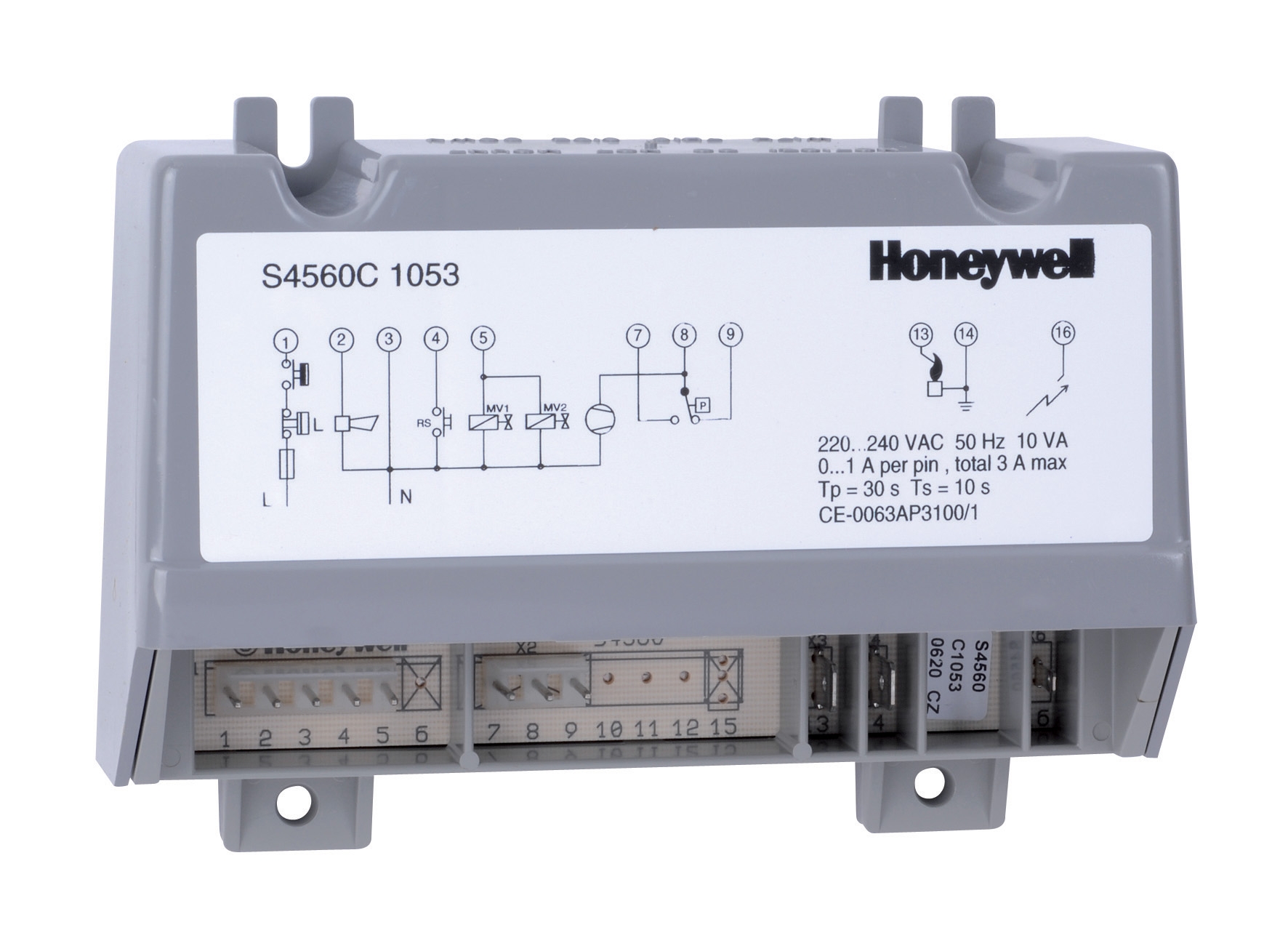
Single-channel design works well for smaller atmospheric burners (under 30 kW) with predictable operation patterns. However, in industrial settings where unplanned shutdowns cost ₹15,000–₹50,000 per hour, dual-channel architecture becomes economically justified. The Honeywell Housing S4560 C 1053 U operates as a single-channel device rated for up to 100 kW burner capacity. For critical applications, two S4560 modules can operate in parallel, with cross-logic verification triggering safe shutdown if discrepancies appear between channels.
Dual-channel systems require monitoring logic that compares outputs. If Channel A calls for burner ignition and Channel B disagrees, the system must either:
- Default to safe shutdown (fail-safe mode)
- Trigger maintenance alert and allow supervised operation
- Demand immediate technician intervention
The choice depends on your facility's risk tolerance and maintenance capabilities.
Relay-Based Voting Logic for Critical Applications
Where electronic voting becomes unreliable (dusty environments, EMI-prone facilities), mechanical relay voting provides proven redundancy. The Satronic Relay TF 836.3 features IP 44 protection suitable for harsh Southeast Asian conditions. Its 2–5 second postignition time allows cross-verification between dual flame detection circuits.
Implement relay voting by:
1. Run parallel flame detection inputs to separate relay coils
2. Wire relay contacts in series for the burner ignition permit signal
3. Configure a third relay as a monitoring device—if both primary relays energize within 100 ms, the monitor relay energizes (indicating agreement)
4. If disagreement persists for 3 seconds, trigger automated shutdown
This approach requires no programmable logic and works reliably in facilities with unreliable electrical infrastructure.
Component-Level Redundancy Strategy
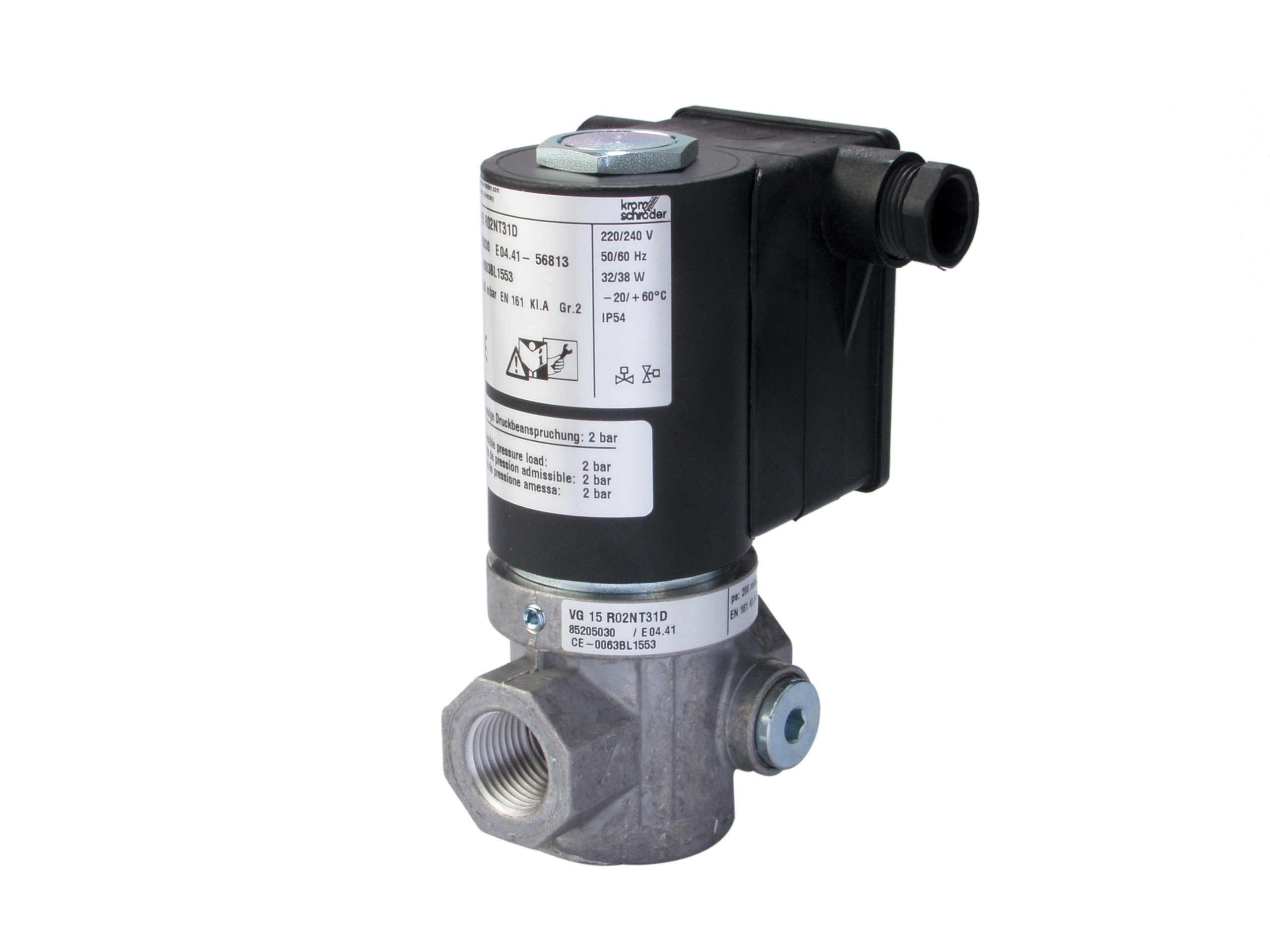
Solenoid Valve Redundancy: The Kromschroder Fast gas solenoid valve VAS 225R/NW serves as the primary gas shutoff device. In critical applications, install two VAS 225R valves in series. Configure the system so either valve can shut off gas flow independently. This ensures that a stuck-open valve doesn't prevent system shutdown.
However, solenoid valve redundancy introduces complexity: you must monitor both valves independently and accept that one valve can fail in the safe (de-energized) state. Size upstream piping to tolerate partial flow reduction if one valve becomes partially blocked.
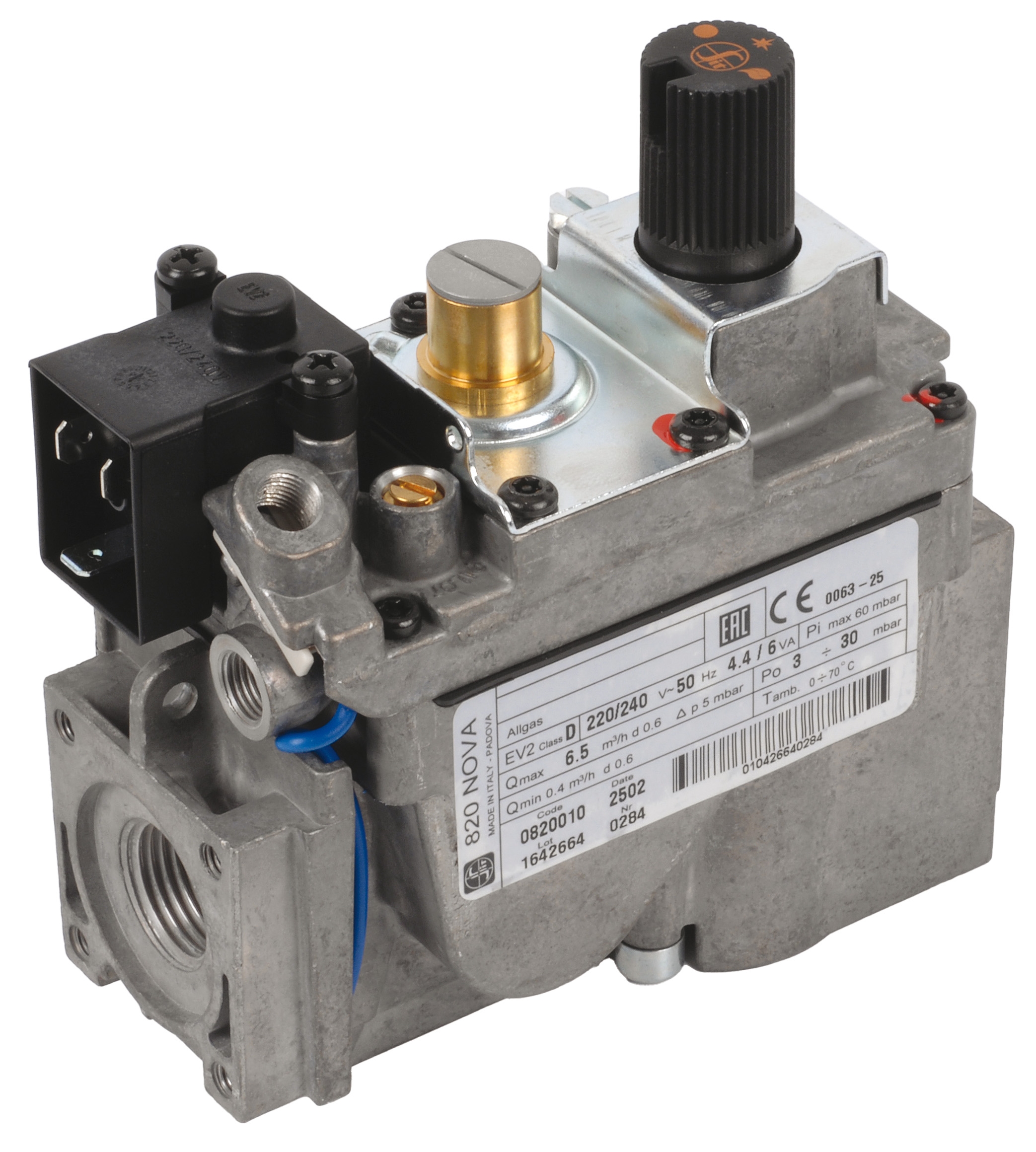
Gas Block Redundancy: The SIT Gas block Nova 0820010 integrates pressure regulation, safety shutoff, and flow control in one compact unit. True redundancy here requires two complete gas blocks mounted in series, each with independent pressure switches and integral safety shutoffs. At ₹8,000–₹12,000 per unit, this represents significant capital investment, justified only for burners where downtime costs exceed ₹100,000/hour.
More practical for most Southeast Asian facilities: maintain a spare gas block in inventory and implement rapid change-out procedures. Document the 15–20 minute replacement time in your maintenance schedule.
Control Module Redundancy: The Pactrol CSS01 12 housing control module controls ignition sequencing and flame monitoring for burners up to 60 kW. A redundant CSS01 can operate in standby mode, cross-checking the primary module's decisions. Configure both modules to monitor the same flame signal. If primary module fails to detect flame within expected time window, secondary module initiates shutdown sequence.
This requires careful wiring: both modules receive identical inputs (thermostats, pressure switches), but only the primary module energizes solenoids under normal operation. The secondary module remains dormant, checking logic only.
Practical Commissioning of Redundant Control Systems
Testing Fault Detection and Response
Redundant systems must be thoroughly tested during commissioning. Follow this sequence:
Phase 1: Individual Component Testing (Day 1)
- Verify each solenoid valve opens and closes on command
- Confirm each relay energizes and de-energizes correctly
- Test each flame detector's response to pilot flame and ignition signal
- Measure gas block pressure regulation accuracy (within ±5% of setpoint)
- Deliberately introduce faults and observe system response
- Disconnect one solenoid valve signal and verify secondary valve closes
- Introduce a fault signal on one flame detector and confirm system initiates controlled shutdown
- Trigger redundant relay logic and measure response time (should be <2 seconds)
- Operate under full load with both control channels active
- Every 15 minutes, introduce a simulated fault and verify detection
- Document response times, valve closure sequences, and audit trail logs
- Confirm that no single component failure prevents safe shutdown
Maintenance Windows and Preventive Replacement
Redundant systems enable maintenance without shutting down production. Implement this procedure:
1. Notify Operations: 24-hour advance notice of planned maintenance
2. Isolate Secondary Channel: Close isolation ball valves on redundant solenoid, disconnect secondary flame detector
3. Verify Primary Operation: Confirm primary channel controls burner normally for 30 minutes
4. Perform Maintenance: Replace relays, solenoid coils, or detector elements on secondary channel
5. Test Replacement Components: Run Phase 1 tests before reconnecting
6. Restore Redundancy: Reconnect secondary channel and run Phase 2 tests
7. Document Work: Log component serial numbers, replacement dates, and test results
This approach prevents the common mistake of "maintaining" a redundant system while the primary channel fails undetected.
Environmental Resilience for Tropical Southeast Asian Conditions
Humidity and Condensation Management
Southeast Asian humidity (70–95% year-round) creates two critical challenges: electrical corrosion and flame detector fouling.
For electrical components, specify IP 54 or higher enclosures. The Satronic Relay TF 836.3 with IP 44 rating requires supplemental protection in high-humidity zones. Mount it inside climate-controlled cabinets with desiccant packs replaced quarterly.
Flame detectors (UV or infrared) suffer from lens fouling in humid environments. Implement these mitigation strategies:
- Install detectors at 45-degree angles to reduce horizontal dust accumulation
- Use stainless steel detector bodies instead of painted steel
- Implement quarterly cleaning schedules with soft brushes and lint-free cloths
- Consider redundant detectors positioned differently (horizontal vs. vertical mounting) to create diversity—if one detector fails due to fouling, the other likely remains functional
Power Supply Stability and UPS Considerations
Southeast Asian power grids frequently experience voltage sags (dropping to 180 V for seconds) and surges. Control modules require stable 220–240 V supply.
Implement these protections:
1. Hard-wired UPS: For critical facilities, install a 2 kVA uninterruptible power supply dedicated to burner controls. This maintains 220 V supply during voltage sags, preventing nuisance shutdowns.
2. Phase Monitoring Relays: Install a three-phase monitor that disconnects the system if any phase voltage drops below 180 V. This prevents partial energization of solenoid valves.
3. Surge Suppressors: Mount surge suppressors on all 220 V AC inputs, sized for 10 kA clamping current
4. Isolation Transformers: For facilities with extensive motor loads, a 10 kVA isolation transformer isolates burner controls from motor-induced voltage disturbances
These investments (₹35,000–₹75,000 total) pay for themselves in one prevented emergency shutdown.
Regulatory Compliance and Audit Documentation
Southeast Asian countries increasingly require documented Controls & Safety system specifications. Build your redundancy strategy around regulatory requirements:
Singapore IDA (International Danfoss Association) Requirements: Burners over 50 kW require dual flame detection. Your redundant design satisfies this automatically—document it clearly.
Malaysia, Thailand, Indonesia: While specific burner control regulations vary, all jurisdictions expect documented risk assessments. Create a one-page "System Redundancy Matrix" showing:
- Each critical component (solenoid, detector, relay, module)
- Its failure mode (stuck open/closed, electrical failure, signal loss)
- How redundancy detects and responds to each failure
- Maximum allowed downtime if that component fails
Maintain this document in your facility's technical library. Update it annually after maintenance reviews.
Cost-Benefit Analysis: When Redundancy Makes Economic Sense
Redundancy incurs capital costs but prevents downtime costs. Calculate your breakeven point:
Redundant System Costs (for typical 30 kW burner):
- Dual control modules: ₹18,000–₹24,000
- Dual solenoid valves: ₹12,000–₹16,000
- Redundant flame detectors: ₹8,000–₹12,000
- Cross-logic relays and wiring: ₹6,000–₹10,000
- Total: ₹44,000–₹62,000
- Lost production (typical industrial): ₹20,000–₹80,000
- Emergency repair labor: ₹5,000–₹15,000
- Component replacement: ₹8,000–₹25,000
- Total per incident: ₹33,000–₹120,000
If your facility operates 8,000 hours annually and experiences one unplanned shutdown every 18 months due to control failures, redundancy pays for itself in 18–24 months. For 24/7 continuous process industries, payback occurs within 12 months.
Calculate your specific breakeven using: Redundancy Cost ÷ (Downtime Cost per Incident × Expected Incidents per Year) = Payback Period in Years