Understanding Burners & Combustion Efficiency Fundamentals
Burners & Combustion systems represent one of the largest energy expenditures in industrial operations worldwide. For procurement engineers responsible for equipment selection and lifecycle cost management, understanding combustion efficiency directly impacts bottom-line profitability. Combustion efficiency—the percentage of fuel energy converted to useful heat—typically ranges from 75% to 95% depending on burner type, maintenance protocols, and operational parameters.
The combustion process fundamentally involves three elements: fuel, oxygen, and ignition temperature. However, achieving optimal efficiency requires precise control of fuel-air ratios, maintaining proper flame characteristics, and minimizing heat losses through exhaust systems. 3G Electric's 35+ years of experience in industrial equipment distribution has demonstrated that procurement decisions based solely on initial equipment cost frequently result in 20-40% higher operational expenses over equipment lifecycle when efficiency factors are overlooked.
Key performance indicators for combustion efficiency include flue gas temperature, oxygen content in exhaust, carbon dioxide levels, and unburned fuel detection. These metrics vary significantly based on burner classification—oil burners, gas burners, and dual-fuel systems each present distinct efficiency profiles and maintenance requirements that directly influence total cost of ownership.
Selecting Appropriate Burner Technology for Operational Requirements
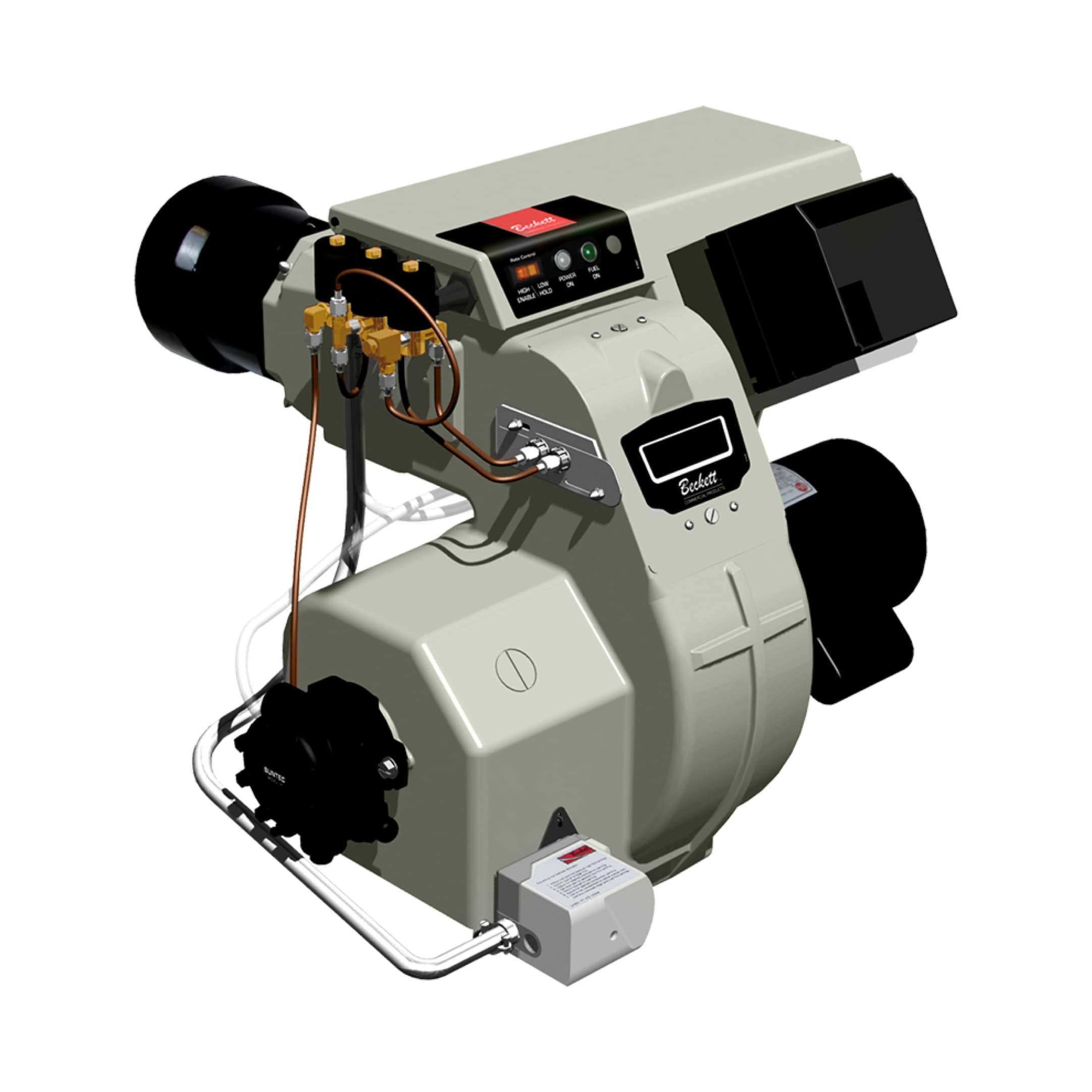
Procurement engineers must evaluate burner selection against specific operational parameters: fuel type availability, facility infrastructure, load variability, and climate conditions. Oil burner systems, exemplified by Beckett CF3500 Oil Burner rated 17-35 GPH, deliver consistent combustion performance in applications where natural gas infrastructure is unavailable or unreliable. These systems provide turnkey solutions with integrated atomization, ignition, and flame detection capabilities.
The Beckett CF3500 demonstrates modern oil burner architecture: direct spark ignition eliminates pilot light energy waste, achieving 85-88% combustion efficiency under standard operating conditions. The 17-35 GPH (gallons per hour) rating accommodates medium-scale commercial heating and industrial process applications, with flexible voltage options (120V/240V) enabling installation in diverse facility electrical configurations. For procurement teams, this flexibility reduces auxiliary equipment requirements and installation complexity.
Gas burner systems present alternative efficiency advantages, particularly in facilities with stable natural gas supply. Gas combustion typically achieves 90-93% efficiency due to cleaner fuel characteristics and reduced excess air requirements. However, gas system performance depends critically on proper solenoid valve selection and maintenance.
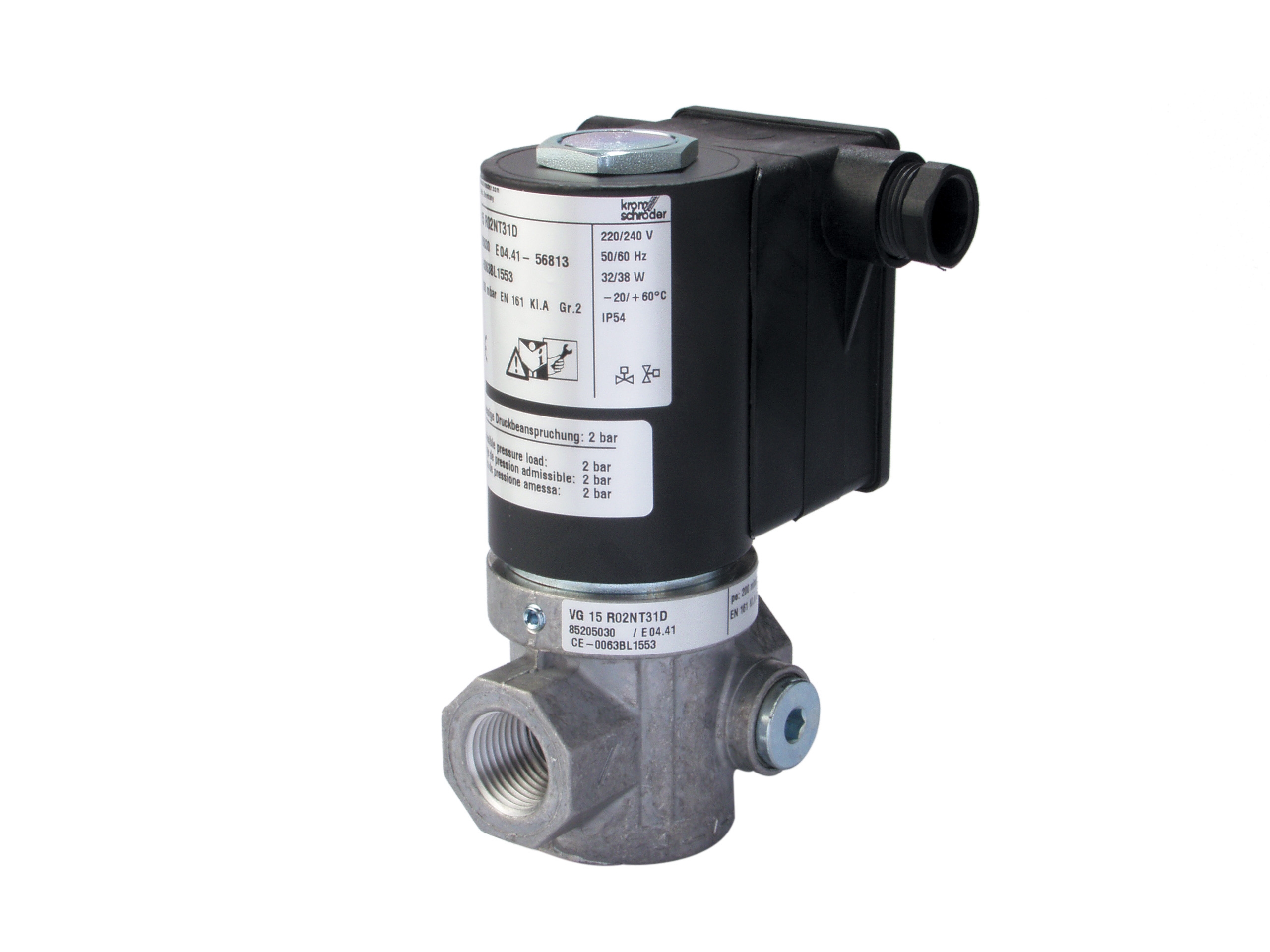
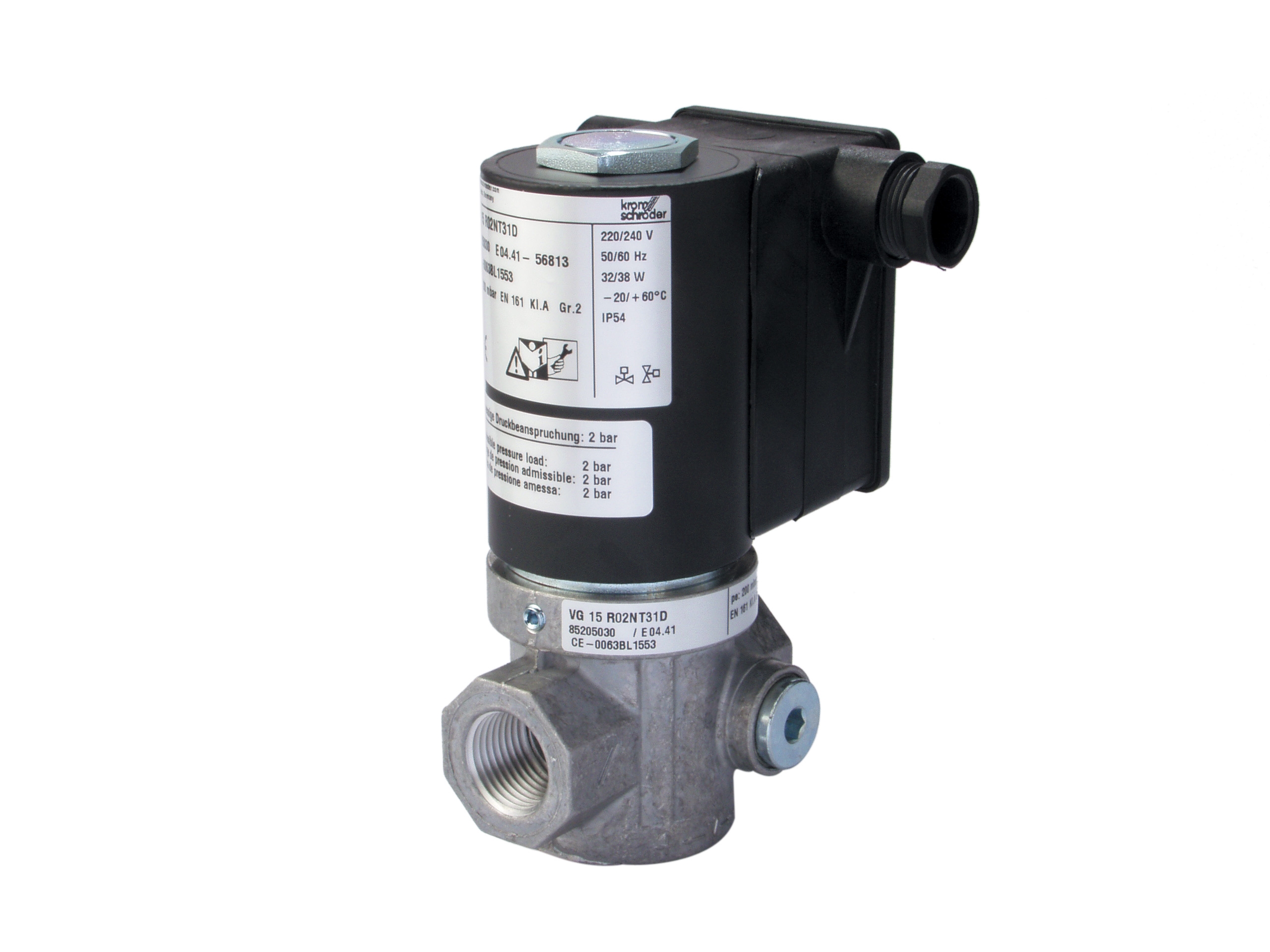
Solenoid valve selection directly impacts combustion control precision and system reliability. Fast-acting gas solenoid valves—such as CBM Fast gas solenoid valve VAS 110R/NW and CBM Fast EV VAS 365R/NW—enable rapid fuel shutoff and precise flame modulation, supporting efficiency optimization at varying load conditions. Response times typically range from 40-120 milliseconds, critical for preventing flame rollout and unburned fuel discharge.
Slow-acting solenoid valves like CBM Slow gas solenoid VAS 125R/LW and CBM Slow gas solenoid valve VAS 340R/LW serve specific applications requiring gradual fuel supply modulation or pilot stage operation, reducing valve chatter and extending component lifespan in low-fire conditions. Procurement teams should cross-reference valve response characteristics with burner control system specifications to ensure compatible operation.
Calculating True Combustion Efficiency and Operational Costs
Procurement engineers require practical methodologies for evaluating burner system costs beyond simple acquisition price. Combustion efficiency calculations incorporate three primary measurement parameters: flue gas temperature differential, combustion air conditions, and fuel analysis.
The simplified efficiency calculation follows:
Combustion Efficiency (%) = (Heat Output ÷ Fuel Energy Input) × 100
Practically, this requires measuring stack temperature (exhaust gas temperature at burner outlet) and ambient air temperature. A 50°F temperature differential between flue gas and ambient air indicates approximately 2-3% efficiency loss, translating directly to fuel waste. Annual efficiency losses compound significantly: a 100,000 BTU/hour burner operating 8,000 hours yearly at 88% efficiency versus 92% efficiency represents 36,800,000 BTU energy waste—equivalent to 250-330 gallons of additional fuel annually, depending on fuel type.
Procurement cost models should incorporate:
- Fuel consumption variance: Efficiency differences between competing systems, multiplied by annual operating hours and current fuel pricing
- Maintenance frequency requirements: Oil burners typically require quarterly maintenance; gas systems require annual inspections; total cost impacts maintenance labor, replacement parts, and system downtime
- Equipment lifespan: Oil burner nozzles (critical combustion components) require replacement every 500-1,500 operating hours; solenoid valves typically provide 5-10 year lifespan depending on duty cycle
- Control system integration complexity: Modern burner controls with integrated flame detection and modulation capacity cost 15-25% more initially but provide 3-5% efficiency improvements and extended component lifespan
- Emission compliance: Regional environmental regulations increasingly mandate lower NOx and particulate emissions, favoring advanced burner designs with premium pricing but reduced regulatory risk
A typical 500 horsepower industrial boiler firing 17.5 GPH oil fuel at 88% efficiency versus 92% efficiency differential demonstrates annual fuel cost variance of $4,200-6,800, depending on regional petroleum pricing. Over a 15-year equipment lifespan, this efficiency differential accumulates to $63,000-102,000 in operational savings, substantially exceeding premium equipment cost differentials.
Implementing Combustion Optimization Strategies for Procurement Success
Successful burner system procurement requires integrated strategy combining equipment selection, performance monitoring, and preventive maintenance protocols. Procurement engineers should establish baseline performance benchmarks before equipment installation, enabling objective efficiency comparisons and troubleshooting validation.
Key implementation strategies include:
Fuel Quality Management: Contaminated fuel (water, particulates, microbial growth) reduces combustion efficiency by 5-8% and accelerates component degradation. Procurement specifications should mandate fuel delivery standards and on-site storage management. Oil systems require monthly fuel analysis; gas systems require annual gas quality testing, supporting efficiency maintenance.
Combustion Air Supply Control: Proper combustion air delivery—neither excess nor deficient—optimizes efficiency. Excess combustion air (above 3-5% oxygen in flue gas) carries away heat; deficient air creates incomplete combustion and emissions violations. Procurement teams should specify burner installations with combustion air supply verification testing prior to operational acceptance.
Control System Specifications: Modern burner controls with integrated oxygen trim systems automatically adjust fuel-air ratios, maintaining optimal efficiency across varying load conditions. This technology adds $3,000-7,000 to equipment cost but typically recovers through 2-3% efficiency improvements within 18-24 months. For procurement teams evaluating 10+ burner installations, integrated control systems provide measurable organizational fuel cost reductions.
Preventive Maintenance Scheduling: Combustion efficiency degradation accelerates without systematic maintenance. Oil burner atomizing nozzles deteriorate progressively; replacing worn nozzles restores 2-4% efficiency loss. Gas solenoid valves accumulate deposits reducing response precision; annual cleaning and testing maintain combustion control reliability. Procurement-specified maintenance contracts typically cost $1,200-2,400 annually per burner but prevent costly emergency repairs and efficiency penalties.
Performance Monitoring Integration: Specifying burner systems with integrated data logging and remote monitoring enables predictive maintenance and early efficiency loss detection. Flue gas analysis equipment ($2,000-5,000) provides objective efficiency documentation supporting procurement justification and regulatory compliance verification.
3G Electric's extensive industrial equipment experience demonstrates that strategic burner system procurement—considering total cost of ownership, efficiency optimization, and maintenance integration—delivers 15-25% lifecycle cost reductions compared to acquisition-price-focused procurement approaches. Procurement engineers implementing comprehensive combustion system evaluation methodologies establish organizational competitive advantages through reduced operational expenses and improved facility reliability.
Summary
Burners & Combustion system selection requires multifaceted evaluation extending beyond initial equipment cost. Procurement engineers leveraging efficiency calculations, solenoid valve integration specifications, and preventive maintenance planning achieve substantial operational cost reductions while maintaining system reliability. Equipment selection from established manufacturers—supporting comprehensive technical specifications, performance validation, and long-term component availability—ensures sustained combustion efficiency throughout extended equipment lifecycles.