Understanding Burners & Combustion Commissioning Requirements
Burners & combustion systems represent critical infrastructure in Singapore's industrial sector, from food processing facilities to pharmaceutical manufacturing and district heating networks. Proper commissioning determines whether your installation will operate safely, efficiently, and compliantly for years to come. Unlike simple equipment startup, commissioning a burner & combustion system involves multiple stakeholder coordinations—mechanical contractors, electrical technicians, control specialists, and safety auditors must work in sequence.
With over 35 years of experience as an industrial equipment distributor, 3G Electric has supported hundreds of commissioning projects across Singapore's diverse industrial landscape. The stakes are high: improper commissioning can result in incomplete combustion, excessive emissions, safety hazards, equipment damage, and regulatory non-compliance. This guide walks you through the critical phases of burner & combustion commissioning, from pre-installation verification through full operational handover.
Pre-Commissioning Verification and Documentation
Before striking the first ignition, comprehensive verification prevents costly delays and safety issues during the commissioning process itself.
System Documentation Review
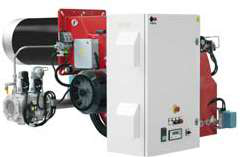
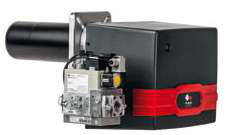
Begin by collecting and verifying all design documentation: P&ID diagrams, equipment datasheets, control schematics, and fuel specifications. For your burner installation, confirm that fuel delivery pressures match equipment ratings. For instance, if you're commissioning a FBR GAS XP 60/2 CE TC EVO two-stage gas burner, verify that your gas supply regulation system can maintain stable pressure across the low-fire (Stage 1) and high-fire (Stage 2) operating ranges. Document the expected thermal output (116–630 kW) and confirm your facility's heat demand aligns with the burner's capacity.
Mechanical Installation Inspection
Conduct visual and dimensional inspection of the burner installation:
- Burner mounting: Verify rigid attachment to combustion chamber with proper alignment to furnace geometry
- Fuel piping integrity: Inspect all joints, fittings, and valves for leaks using soap solution testing (never flame testing)
- Air inlet clearance: Ensure unobstructed airflow around the burner air box with minimum clearances specified in equipment documentation
- Combustion chamber condition: Check for cracks, blockages, or foreign objects that could disrupt flame propagation
- Flue gas ducting: Verify proper slope, support, and connection to ensure safe exhaust evacuation
For dual-fuel applications like the FBR KN 1300/M TL EL heavy oil burner, additionally inspect heavy oil heating systems, strainers, and preheating equipment to ensure fuel reaches the burner within specification temperature and cleanliness ranges.
Control System Component Verification
Before introducing fuel, verify all control and safety components are installed and functioning:
- Flame detection system: Test ultraviolet or ionization flame sensors in representative lighting conditions to confirm signal strength
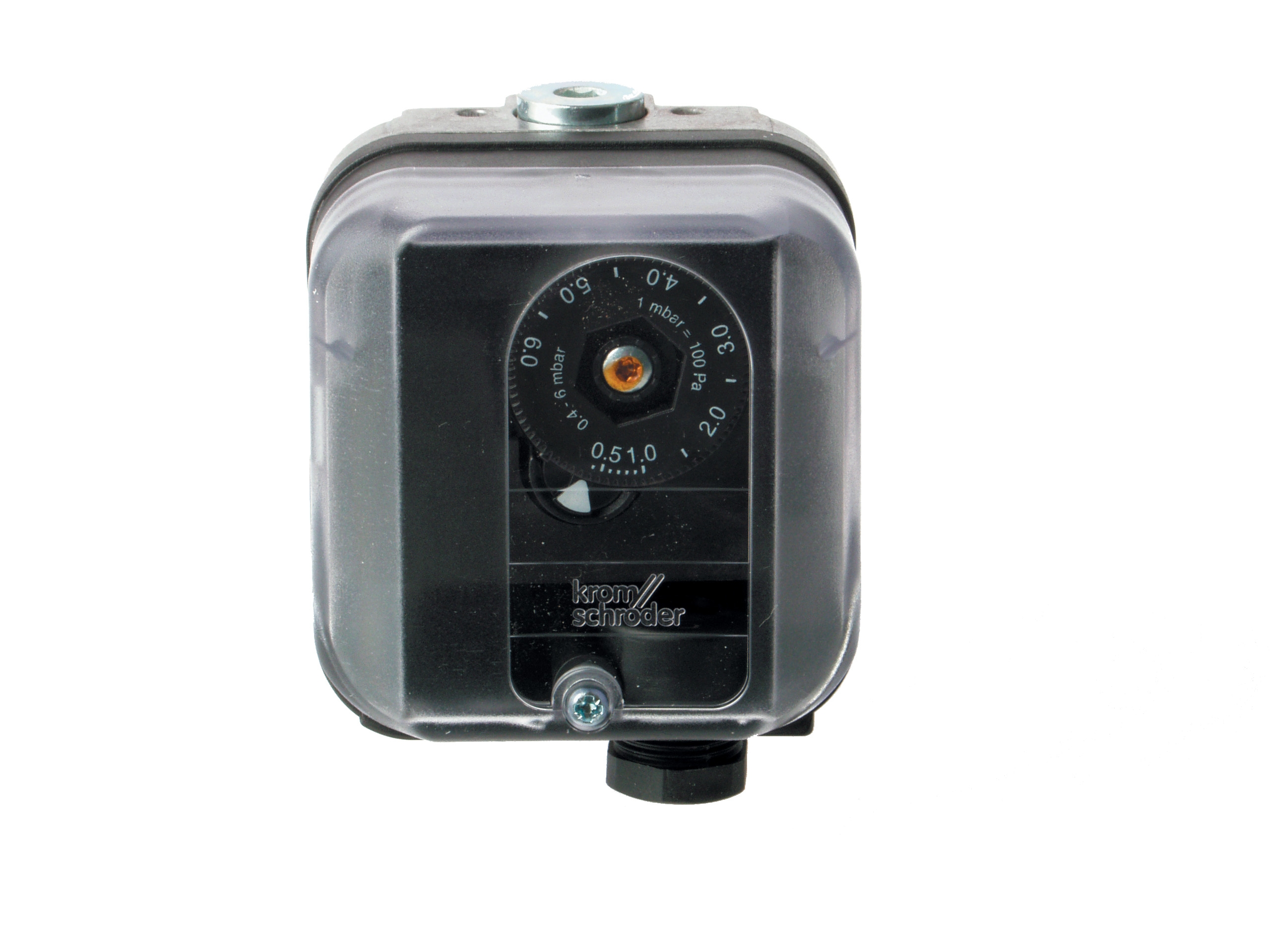
- Pressure switches: Using Kromschroder DG 50U/6 pressure switches, calibrate and verify response at design setpoints—perform mechanical override testing to confirm switch action
- Safety relay modules: Test the Kromschroder BCU 570WC1F1U0K1-E burner control relay and Siemens LFL 1.622 safety control unit through complete safety circuit sequences without fuel present
- Solenoid valves: Confirm electrical operation and manual override function
- Control dampers and modulation actuators: Exercise full stroke range and verify stable positioning at setpoints
Systematic Commissioning Sequence and Testing
Commissioning must follow a logical sequence that progressively adds risk: first control verification without fuel, then cold start-up, then operating point verification, and finally full-load performance validation.
Phase 1: Cold Start-Up and Ignition Verification
With all safety interlocks confirmed functional:
1. Enable the burner control system and initiate start-up sequence
2. Observe the ignition cycle: The control relay should activate the ignition electrode and pilot fuel valve (if applicable). Monitor for:
- Time to pilot flame establishment (typically 3–5 seconds)
- Flame signal strength reaching control relay setpoint
- Confirmation signal holding throughout ignition dwell period
3. For burners with direct ignition (using the BCU 570WC1F1U0K1-E relay's direct ignition capability), the main fuel valve should open only after confirmed flame signal
4. Record ignition parameters: Times, pressures, flame signal strength, and any deviations from expected behavior
Phase 2: Low-Fire Operating Point Establishment
Once ignition is confirmed stable:
1. Stabilize at low-fire (Stage 1) for burners with modulation capability
2. Measure and verify fuel pressures at both the regulator outlet and burner inlet
3. Analyze flue gas composition using portable combustion analyzer:
- Oxygen content: Target range typically 3–5% (verify against equipment specification)
- Carbon monoxide: Should be <100 ppm; higher values indicate incomplete combustion requiring air/fuel adjustment
- Combustion efficiency: Calculate from measured parameters; document baseline for future reference
4. Inspect flame visually: Color (blue for gas, orange-yellow for oil) and shape should match design expectations
5. Measure burner operating pressures including combustion air pressure, fuel pressure at burner inlet, and furnace pressure (if applicable)
Phase 3: High-Fire Operating Point and Modulation Testing
Progress to full load operation:
1. Increase load gradually while monitoring flue gas parameters continuously
2. For two-stage burners like the FBR GAS XP 60/2: Confirm clean transition from Stage 1 to Stage 2 with proper overlap and no flame extinction
3. For modulating burners like the FBR KN 1300/M TL EL: Verify smooth damper positioning across full control range; test response to load changes
4. Re-verify flue gas composition at high fire:
- Oxygen, CO, and efficiency should remain within acceptable bands
- If adjustment needed, modify air damper position incrementally and allow 2–3 minutes stabilization before re-sampling
5. Document all operating pressures at high fire for future reference
6. Test safety shutdowns: While at high fire, trigger safety interlocks (flame loss simulation, high-temperature cutout, high-pressure limit) and confirm immediate burner shutdown
Safety Validation and Regulatory Compliance
Singapore's industrial safety regulations, including the Workplace Safety and Health Act and Singapore Standards (SS) for burner installations, require documented proof of safe commissioning.
Safety Interlock Testing
Perform deliberate safety tests with the burner at operating temperature:
1. Simulate flame loss: Block or remove the flame detector input to the safety relay and confirm burner fuel shutoff within safety-specified time (typically 4–6 seconds)
2. Test overpressure shutdowns: If your system includes high-pressure protection, gradually increase pressure to setpoint and confirm valve closure
3. Verify air flow interlocks: Block inlet airflow slightly to trigger low-pressure switches; confirm proper response
4. Test manual emergency stop: Activate emergency shutdown circuit and verify all fuel solenoids close immediately
5. Document all responses: Record time-to-shutdown for each safety function; values must meet EN 746-2 and EN 676 standards (the Kromschroder BCU 570WC1F1U0K1-E is compliant with these standards)
Emissions and Efficiency Documentation
Singapore's environmental regulations require demonstration of acceptable emissions performance:
- Measure and record nitrogen oxides (NOx), sulfur dioxide (SO₂), and particulate matter according to applicable standards
- Calculate and document combustion efficiency from fuel consumption and flue gas analysis
- Prepare commissioning report with all measured parameters, including time-stamped photographs of burner operation and analytical equipment readings
Before declaring commissioning complete:
1. Conduct hands-on training for facility operators on:
- Normal start-up sequence and expected behavior
- Load modulation and control interface operation
- Recognition of alarm conditions and shutdown responses
- Daily visual inspection procedures
2. Provide comprehensive documentation:
- Commissioned equipment nameplate data and serial numbers
- As-built control schematics reflecting actual installation
- Commissioning test report with all measured parameters and photographs
- Maintenance manual with spare parts list
- Emergency contact information for technical support
Post-Commissioning Performance Optimization
Commissioning doesn't end at handover; the first weeks of operation reveal real-world performance that may require fine-tuning.
Observation Period Monitoring
During the first 50–100 operating hours:
- Weekly flue gas analysis: Confirm that combustion parameters remain stable across varying load conditions
- Pressure trend monitoring: Record fuel and combustion air pressures to establish baseline for future comparison
- Flame signal strength tracking: Verify that the flame detector signal remains consistent, indicating stable combustion
- Safety system validation: Periodically simulate flame loss to confirm consistent safety response
Any deviations from commissioning baseline values warrant investigation. For example, rising oxygen content suggests air/fuel ratio drift; rising CO suggests blockages in the air path or fuel nozzle issues.
Documentation for Future Reference
Maintain a commissioning record file including:
- Complete dated test results from each commissioning phase
- Photographs of the burner flame under normal conditions
- Flue gas analysis printouts showing oxygen, CO, and efficiency
- All pressure and temperature readings
- Safety interlock test results and response times
- Names and contact information for commissioning personnel
This documentation becomes invaluable for future maintenance teams diagnosing performance issues or supporting regulatory audits.
Leveraging 3G Electric's Commissioning Support
With 35 years of industrial equipment distribution experience across Singapore, 3G Electric supplies the critical control and safety components that enable successful burner & combustion commissioning. Our inventory includes the Kromschroder BCU 570WC1F1U0K1-E control relay, pressure switches, Siemens flame detection relays, and complete burner families from FBR and other leading manufacturers. Beyond product supply, our technical team can advise on commissioning procedures, troubleshoot startup challenges, and source replacement components if issues arise during the commissioning process.
Proper commissioning of your burner & combustion system establishes safe, efficient operation and creates documentation that supports compliance, maintenance, and future troubleshooting. Following this systematic approach—verification, cold start, operating point testing, safety validation, and performance documentation—ensures your installation operates reliably and safely throughout its service life.