Understanding Burner Ignition Systems and Pilot Control Modes
Burners & Combustion systems rely on precise ignition sequencing to achieve safe, efficient operation. Unlike simple on-off devices, modern industrial burners employ sophisticated ignition architectures that balance rapid flame establishment with rigorous safety verification. For HVAC contractors in Singapore, understanding these ignition modes—direct ignition, intermittent pilot, and continuous pilot—is essential for proper equipment selection, commissioning, and troubleshooting.
Direct ignition systems eliminate the traditional pilot flame entirely. Instead, the main burner fuel supply ignites immediately when called upon, with flame verification occurring within milliseconds. This approach minimizes unburned fuel accumulation and reduces energy waste during standby periods. However, it demands highly reliable ignition electrode performance and precise timing control. The Kromschroder Relay BCU 570WC1F1U0K1-E exemplifies this capability, supporting direct ignition mode while maintaining EN 746-2 and EN 676 compliance. HVAC contractors should note that direct ignition systems are sensitive to electrode gap, spark quality, and fuel atomization—factors that directly impact first-attempt ignition success rates.
Intermittent pilot systems maintain a small pilot flame only during the operating cycle. The pilot ignites once at cycle start, burns continuously while the main burner fires, and extinguishes when the system cycles off. This hybrid approach offers cost-effective flame monitoring (the pilot itself serves as a reference flame) while reducing fuel consumption compared to continuous pilot operation. Continuous pilot systems, conversely, maintain a standing pilot flame even during off-cycle periods, providing instant main burner ignition but at the expense of continuous gas consumption and maintenance requirements. Singapore's tropical climate—with high ambient temperatures—can complicate pilot flame stability, making intermittent pilot systems increasingly attractive for facilities managing energy costs.
Ignition Sequence Logic and Safe Startup Procedures
A properly sequenced ignition cycle follows a rigid timing protocol that 3G Electric has seen optimized across 35+ years of industrial equipment distribution. The typical sequence begins with a purge phase: the air damper opens fully, and the fan runs at high speed for 10–30 seconds to clear any residual fuel vapors from the combustion chamber. This purge cycle is non-negotiable under EN 1854 and international safety standards; skipping or shortening it creates explosion hazards in confined boiler rooms.
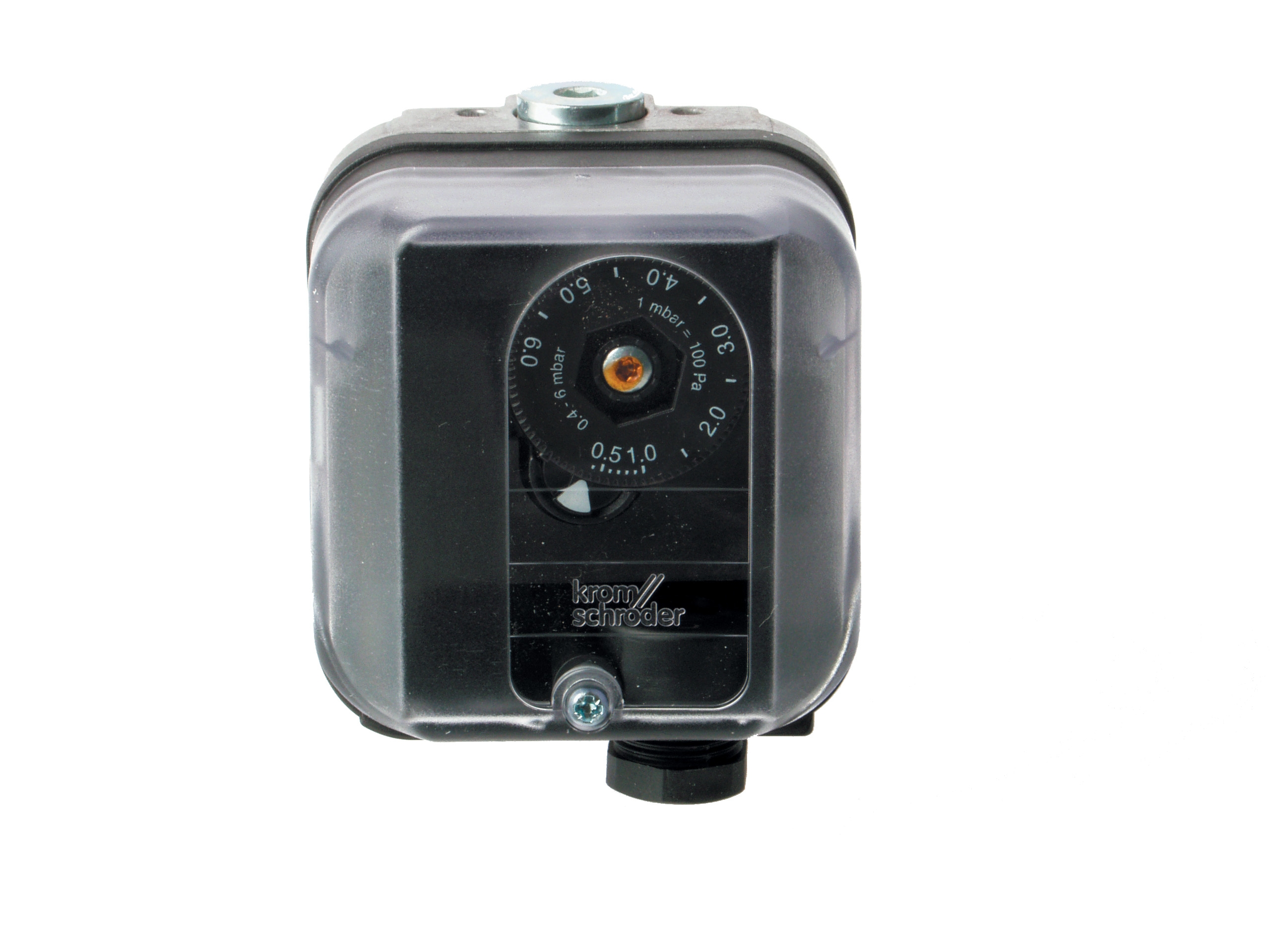
Following purge, the ignition relay energizes the spark electrode (in direct ignition systems) or the pilot solenoid valve (in pilot-based systems). The ignition relay monitors for flame detection within a defined window—typically 2–4 seconds. Safety relays like the Siemens Relay LFL 1.622 and pressure switches such as the Kromschroder Pressure switch DG 50U/6 work in concert during this phase: the relay initiates ignition while the pressure switch confirms that air supply pressure has stabilized within acceptable ranges before fuel delivery begins.
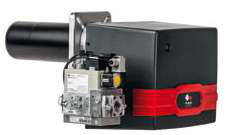
Once flame is detected (either by UV sensing or ionization current measurement), the ignition electrode deactivates, and the main fuel solenoid opens. For modulating burners like the FBR GAS XP 60/2 CE TC EVO, the air damper and fuel control valve begin ramping toward their respective operating setpoints based on combustion feedback and load demand. This ramp-up typically requires 30–60 seconds to stabilize, during which the flame monitoring system continuously verifies flame presence.
HVAC contractors must appreciate that ignition failures often trace to:
- Spark electrode degradation: Electrodes erode over time, increasing gap resistance and spark energy loss. Annual inspection and replacement are preventive maintenance essentials.
- Fuel supply pressure fluctuations: If the pressure switch does not confirm adequate supply pressure before the fuel solenoid opens, ignition will fail. The DG 50U/6 pressure switch with SIL 3 rating provides the high-confidence verification required in safety-critical sequences.
- Combustion air contamination: Dust, oil vapor, or moisture in the air stream degradates electrodes and sensing elements. Air filter maintenance is non-negotiable.
- Timing misalignment: Ignition relays must be calibrated so that spark or pilot ignition precedes fuel solenoid opening by 0.5–1.0 seconds, ensuring ignitable atmosphere at spark electrode location.
Flame Detection Integration and Safety Relay Coordination
Flame monitoring forms the sensory backbone of combustion safety. Two primary detection methods exist: ultraviolet (UV) sensing and ionization sensing. UV sensors detect the broadband ultraviolet radiation emitted by any flame, making them fuel-agnostic and suitable for gas, oil, or dual-fuel burners. Ionization sensing measures the minute electrical conductivity established between flame electrodes when combustion products carry ions, offering robust performance in stable conditions but requiring careful electrode maintenance.
The Siemens LFL 1.622 safety control unit integrates both UV and ionization flame monitoring pathways, automatically selecting the most reliable sensor output. This dual-path architecture is particularly valuable in Singapore's humid coastal environments, where moisture ingress can degrade ionization electrode performance. The relay cross-checks sensor signals against expected flame behavior: a flame that ignites sluggishly, drops out during operation, or requires multiple ignition attempts triggers a lockout, preventing unburned fuel accumulation in the combustion chamber.
Safety relay coordination with burner controls requires precision timing. The ignition relay must:
1. Execute the purge cycle and confirm air pressure readiness via the pressure switch
2. Energize the ignition electrode and monitor for flame detection
3. Trigger main fuel solenoid opening only after flame is confirmed
4. Continuously supervise flame presence during operation
5. Shut down fuel supply within 2 seconds of flame loss, engaging a post-purge cycle to clear unburned fuel
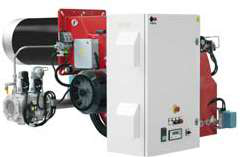
For dual-fuel burners such as the FBR KN 1300/M TL EL, which can operate on heavy oil or gas, the ignition sequence must adjust fuel nozzle selection, air/fuel ratio calibration, and flame detection sensitivity based on the selected fuel. HVAC contractors performing commissioning must verify that the burner control unit correctly sequences fuel changeoff—ensuring complete combustion of any residual fuel before switching to the alternate fuel.
Practical Commissioning and Troubleshooting for Singapore Applications
When commissioning a new burner or replacing safety relays, HVAC contractors in Singapore should follow this proven protocol:
Pre-ignition verification: Confirm that the combustion chamber is clean and free of carbon deposits or oil residue. Energize the control circuit and manually actuate the air damper solenoid; verify that the damper opens fully and the pressure switch contacts close when air pressure exceeds the setpoint. This eliminates 80% of no-light-off failures before ignition is even attempted.
Ignition testing: With the burner in standby, call for ignition (manually via the control panel or using the automatic timer). Observe the ignition sequence: purge phase should run for the full duration without interruption. Then the spark should appear at the electrode (visible as a blue arc in a darkened room). Within 2–3 seconds of spark initiation, a flame should establish at the nozzle—a small orange/yellow flame for pilot systems or a robust blue flame for direct ignition. If no flame appears after 4 seconds, the ignition relay should lock out and reset.
Flame supervision during operation: Once the main burner lights, the flame should be steady and fill approximately 60–80% of the furnace viewing area. Fluttering or extinguished flames indicate air/fuel ratio imbalance, combustion air blockage, or fuel pressure instability. Use the burner control unit's diagnostic display (if available) to view real-time flame detection signal strength. Most modern relays display ionization current or UV sensor output, allowing technicians to confirm adequate flame signal margin.
Post-shutdown verification: When the burner shuts down, the fuel solenoid should close immediately, and the post-purge cycle should run for 10–30 seconds to expel any unburned gas. Listen for the damper closing solenoid click, confirming that the damper has returned to the sealed position.
Troubleshooting ignition failures in tropical Singapore requires attention to humidity and temperature extremes. High moisture can cause intermittent electrode resistance faults; if a burner lights reliably in the morning but fails by afternoon (after temperature and humidity rise), suspect moisture condensation on electrode surfaces. Remediation includes:
- Installing a small desiccant cartridge in the ignition transformer enclosure
- Ensuring combustion air intake is positioned away from humidity sources (roof-mounted intakes are preferable to ground-level intakes in humid environments)
- Performing monthly electrode inspection and light abrasive cleaning
With 35+ years of experience distributing industrial equipment across Southeast Asia, 3G Electric has observed that premature ignition relay failures—particularly in SGP climates—often stem from inadequate purge cycles or air supply contamination, not from inherent design defects. Investing in proper air filtration and maintaining commissioning discipline pays dividends in reliability.
Compliance and Best Practices for Singapore Operations
Singapore's building regulations require that burner control systems comply with EN 746-2 (automatic burner control systems), EN 676 (safety controls), and EN 1854 (gas burner safety requirements). HVAC contractors must verify that any burner control relay or pressure switch used is certified to these standards. The Kromschroder DG 50U/6, with its FM, UL, AGA, and GOST-TR certifications, exceeds Singapore requirements and provides confidence in international-grade safety performance.
Best practices for HVAC contractors installing or maintaining burners in Singapore include:
- Annual professional commissioning: Engage a qualified technician to verify ignition sequence, flame detection signal quality, and air/fuel ratios. Annual testing is cost-effective insurance against catastrophic failures.
- Electrode maintenance schedule: Replace ignition electrodes every 2–3 years or at the first sign of carbon buildup or erosion.
- Fuel quality verification: Contaminated fuel (water, sediment, or sludge) degrades ignition reliability. Sample fuel before fill and maintain filter elements at prescribed intervals.
- Documentation and traceability: Keep commissioning reports and maintenance logs. Singapore regulations increasingly demand auditable compliance records, particularly for facilities in fire-sensitive areas (hospitals, schools, commercial buildings).
Burners & Combustion control systems are only as reliable as their weakest link. By mastering ignition sequencing, flame detection integration, and proper commissioning procedures, HVAC contractors can deliver systems that operate safely and efficiently for decades—even in Singapore's demanding tropical climate.