Understanding ATEX Certification in Maintenance & Service Operations
ATEX (Atmosphères Explosibles) certification represents a critical compliance requirement for equipment operating in hazardous environments throughout Southeast Asia. For maintenance teams working with ATEX-rated equipment like the Interpump PUMP W2035 L ATEX, understanding the certification framework directly impacts safety protocols and equipment longevity.
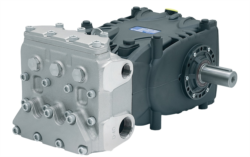
The W2035 L ATEX pump delivers 35 L/min at 200 bar with 13.23 kW power output, specifically engineered for explosive atmospheres. ATEX compliance means the pump has been manufactured with intrinsic safety features—temperature limitations, spark-free materials, and pressure relief mechanisms—that prevent ignition sources in Category 2 and 3 hazardous zones.
During routine Maintenance & Service procedures, your team must verify that all original ATEX components remain intact and unmodified. Any non-certified aftermarket replacements compromise the entire system's compliance status. With 3G Electric's 35+ years of experience distributing industrial equipment, we've observed that maintenance failures often stem from unauthorized modifications rather than component degradation. Keep comprehensive records of every service intervention, including part numbers, serial codes, and inspection dates. This documentation proves compliance to regulatory authorities and protects your facility from penalties.
Diagnostic Procedures for High-Pressure Pump Systems in Hazardous Zones
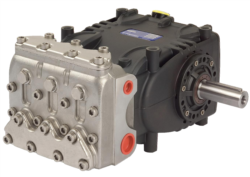
Troubleshooting high-pressure pump performance requires a systematic approach that balances performance diagnostics with safety constraints. The Pratissoli KF30 and Pratissoli SN7045 L represent advanced industrial pumps delivering 106 L/min and 45 L/min respectively, capable of sustaining 200+ bar pressures. In hazardous environments, these systems demand specialized diagnostic protocols.
Initial Assessment Phase:
- Measure inlet pressure at the pump suction line using calibrated gauges. ATEX-certified pressure measurement devices are mandatory—never use standard industrial gauges in hazardous zones
- Record baseline pressure readings and compare against manufacturer specifications for your specific pump model
- Inspect visible pump housing for corrosion, crystalline deposits, or thermal discoloration indicating internal pressure anomalies
- Check motor amperage draw using ATEX-compliant multimeters; excessive current consumption signals bearing friction or internal cavitation
Measure actual flow output using calibrated volumetric collection or inline flow meters rated for hazardous environments. The KF30 should deliver 106 L/min ±3% at rated speed. Significant deviations suggest internal leakage, worn impellers, or pressure relief valve drift. Document flow measurements at three different pressure settings (50%, 75%, and 100% of maximum rated pressure) to identify non-linear degradation patterns that indicate advancing internal wear.
Pressure Stability Testing:
Monitor pressure fluctuations over a 5-minute operating cycle. Oscillations exceeding ±5 bar suggest cavitation, inlet restriction, or relief valve instability. In hazardous zones, pressure spikes create thermal stresses that may exceed ATEX temperature limits. Use temperature-monitoring equipment to verify the pump surface never exceeds the certified maximum (typically 135°C for Category 2 equipment). If surface temperatures consistently approach limits, reduce operating pressure by 10% and schedule immediate component replacement.
Mechanical Coupling Assessment:
The Interpump GEARBOX RS500 transmission accessory requires specific inspection protocols. Verify coupling alignment using laser alignment tools at ±0.05mm tolerance. Misalignment introduces vibration that can generate spark-prone metallic debris in explosive atmospheres. Check gearbox oil level and condition—dark, burnt-smell oil indicates overheating and requires full gearbox replacement to maintain ATEX status.
Flame Detection Module Maintenance & Service for Combustion Systems
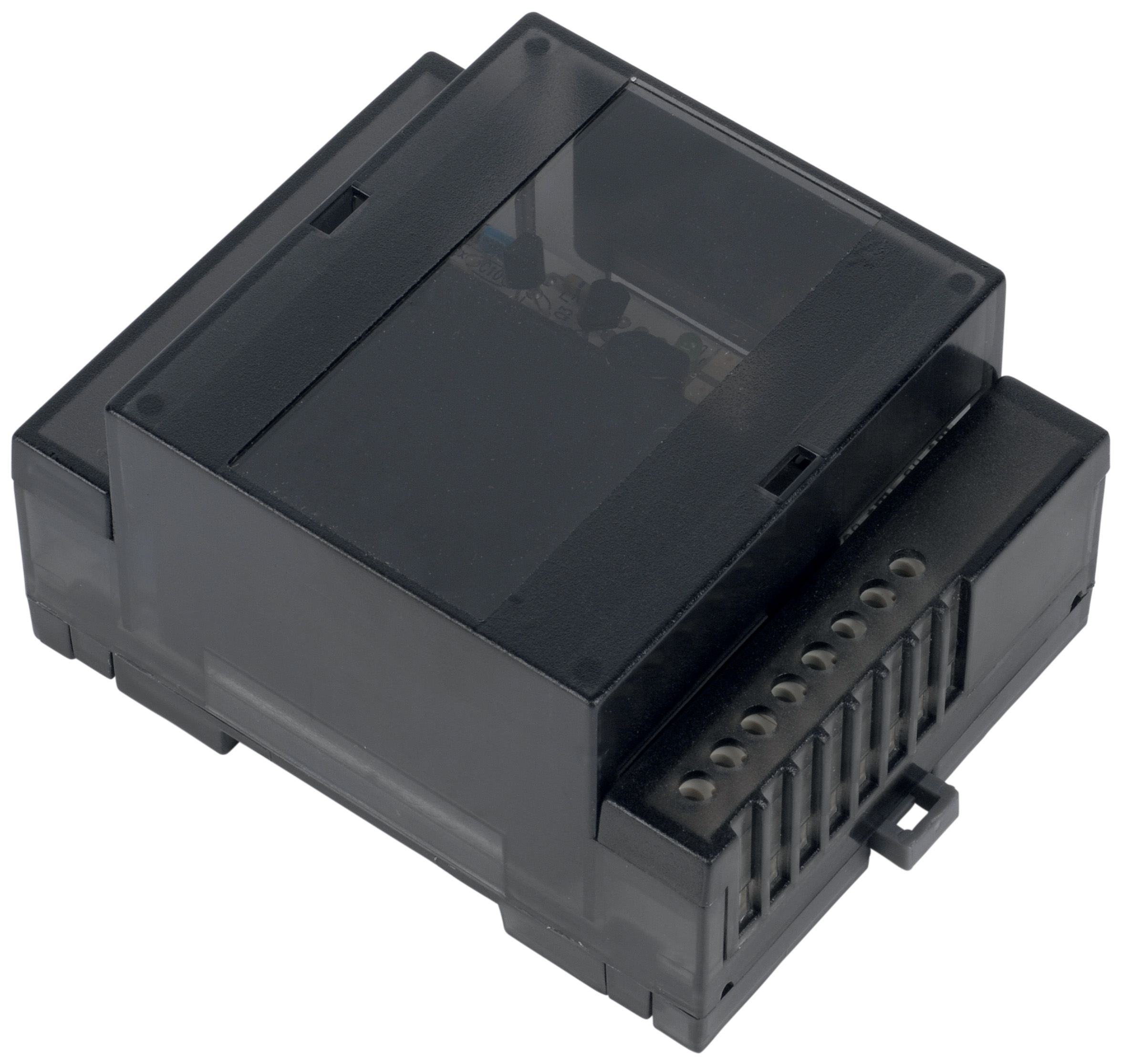
The Combutech Flame relay CF1 serves as the critical safety sensor in burner and combustion systems operating in hazardous Southeast Asia industrial facilities. This 1 A @ 250 VAC / 1 A @ 30 VDC module can monitor up to 10 UV detectors simultaneously, making it central to system reliability.
Module Inspection Protocol:
- Verify the polycarbonate UL94-V0 housing shows no cracks, discoloration, or physical damage that compromises IP40 protection rating
- Use a calibrated ohmmeter to check relay coil resistance (typically 800-1200 ohms depending on coil specifications); resistance outside this range indicates coil degradation
- Test relay switching functionality using a certified flame simulation source or UV calibration lamp rated for CF1 testing
- Inspect all terminal connections for oxidation or corrosion; apply dielectric grease to connector pins in humid Southeast Asia climates
When maintaining systems with multiple detectors on a single CF1 relay, test each detector independently using the relay's test circuit. Faulty detectors downstream will cause the relay to fail nuisance shutdowns, creating false alarms that escalate plant downtime. Document each detector's response time and sensitivity. If any detector responds slower than 2 seconds to flame stimulus, replace it immediately—delayed detection in hazardous zones creates unacceptable safety risk.
Electrical Integration Verification:
The CF1 relay processes 250 VAC main circuit voltage and 30 VDC control signals. Test isolation between these circuits using a calibrated megohmmeter (minimum 500V setting) to ensure no leakage develops. Humidity and salt-laden air common in Southeast Asian coastal facilities accelerate insulation degradation. If isolation resistance drops below 10 MΩ, schedule relay replacement before failure occurs.
Calibration and Response Time Testing:
Conduct flame relay response testing every 6 months using certified calibration equipment. The CF1 must detect flame stimulus and energize the relay within 3 seconds maximum. Use the relay's built-in test function or a portable flame simulator operating at 1.3 × the detector's minimum sensitivity threshold. Document all test results with timestamp, technician signature, and regulatory compliance notation. These records prove your facility maintained equipment within certified operational parameters.
Preventive Maintenance Scheduling and Documentation Systems
Hazardous environment equipment demands rigorous preventive Maintenance & Service schedules backed by detailed documentation. 3G Electric's experience across Southeast Asia industrial operations demonstrates that equipment failures accelerate significantly when maintenance intervals exceed manufacturer recommendations by more than 10%.
Establish a tiered maintenance calendar:
- Weekly: Visual inspection of pump housing, pressure gauge verification, flame relay test button responsiveness check
- Monthly: Flow rate measurement, pressure stability testing under load, electrical connector inspection, flame detector UV lamp cleaning
- Quarterly: Complete pump disassembly inspection (seals, bearings, impellers), coupling alignment verification, flame relay coil resistance testing
- Annually: Third-party ATEX compliance certification audit, complete relay recalibration, pump hydrotest at 1.5× maximum operating pressure
Maintain a dedicated maintenance database tracking every service event with timestamps, technician credentials, component serial numbers, and measured parameters. Include before-and-after photographs of critical components. This documentation proves regulatory compliance and establishes equipment life expectancy patterns. When the Interpump W2035 or Pratissoli pumps require replacement, historical maintenance records justify warranty claims and guide procurement decisions.
Spare parts inventory management:
Maintain critical replacement components on-site: seal kits for the W2035 pump, bearing assemblies for the KF30, relay coils for the CF1 module, and coupling components for the RS500 gearbox. Hazardous zone equipment cannot tolerate extended downtime during component sourcing across Southeast Asia's distributed supply chains. Stock items should have verified ATEX certification documentation accompanying them in storage.
The intersection of equipment Maintenance & Service with regulatory compliance in hazardous environments demands precision, documentation discipline, and deep technical knowledge. By implementing these diagnostic procedures and preventive protocols, your maintenance team ensures both operational reliability and safety compliance throughout your Southeast Asia industrial facility.