
Understanding Measurement & Detection Integration Across Plant Systems
Measurement & Detection systems are no longer isolated tools for individual equipment—they are the nervous system of modern plant operations. As a plant manager, you oversee interconnected networks: HVAC systems maintaining critical environmental conditions, pressure systems ensuring equipment safety, and temperature networks controlling process integrity. Each requires accurate, real-time data. The challenge is not finding sensors; it's integrating them into a coherent strategy that reduces downtime, optimizes energy use, and prevents catastrophic failures.
After 35 years as a global industrial equipment distributor, 3G Electric has observed that plants struggling with reliability typically lack integrated measurement frameworks. They have scattered sensors with no coordination—one team monitoring temperature, another watching pressure, a third managing airflow. This fragmentation creates blind spots. When equipment fails, investigations reveal that warning signs existed in multiple systems hours or days earlier, but no single operator saw the complete picture.
Southeast Asia's tropical and subtropical climates intensify this challenge. High humidity, temperature fluctuations, and seasonal pressure changes stress HVAC systems while creating conditions where thermal and moisture-related failures compound. Plants that succeed in this region implement unified Measurement & Detection strategies that capture data from HVAC, pressure, and temperature networks simultaneously.
Core Measurement & Detection Components for Plant Operations
Pressure Measurement as Your Safety Foundation
Pressure monitoring is non-negotiable. Whether monitoring HVAC expansion tanks, pneumatic systems, or hydraulic circuits, accurate pressure data prevents leaks, ruptures, and energy loss. The Preciman stainless steel vertical pressure gauge offers ±1.6% accuracy across low-pressure ranges (0/+40 mbar), making it ideal for HVAC expansion tank monitoring in Southeast Asia's variable climate. Its G1/4 connection fits standard industrial piping, and the 63mm dial provides clear visibility on the shop floor—essential when your operations team needs immediate confirmation that system pressure is normal.
Beyond analog gauges, digital transmitters provide remote monitoring. The Dwyer differential pressure transmitter 616KD-13V-TC measures low differential pressures (0–1 IN W.C) critical to HVAC balance assessment. At 21 mA maximum power consumption, it runs efficiently on standard industrial power budgets. Use this transmitter to detect filter blockages, ductwork leaks, or compressor efficiency loss—all conditions that worsen rapidly in humid climates where moisture accelerates blockage formation.
Temperature Detection: The Early Warning System
Temperature measurement catches problems before they cascade. The Dwyer PT100 OHM RTD temperature probe delivers ±0.6% accuracy from -35.5 to +115.5°C, covering the full range of Southeast Asian climate variations. Its flexible copper capillary allows installation in tight spaces: along ductwork to detect stratification, at compressor discharge to catch thermal stress, or in process zones where localized overheating signals equipment degradation.
Plant managers should install RTD probes at three strategic points: system inlet (to establish baseline conditions), critical zones (where equipment operates under stress), and outlet (to measure system effectiveness). This three-point strategy reveals efficiency loss. If inlet temperature is 25°C and outlet is only 30°C when it should be 35°C, your HVAC system is underperforming—possibly due to refrigerant loss, compressor wear, or filter restrictions. Catching this pattern monthly prevents the catastrophic failure that occurs when the system finally gives up mid-summer.
Flow and Airflow Assessment
You cannot manage what you do not measure. The Dwyer metal average flow probe MAFS-16 integrates static and total pressure measurement across a 16 cm probe length, giving you reliable airflow data in HVAC distribution systems. Install this probe in main distribution ducts to establish baseline flow patterns, then compare monthly readings. A 15% flow reduction over three months indicates developing problems—bearing wear in fans, ductwork deformation, or compressor efficiency loss.
Flow measurement also drives energy optimization. Many Southeast Asian plants operate HVAC systems at fixed settings, unaware that seasonal adjustments could reduce electricity consumption 10–20%. By measuring actual flow against design specifications, you identify where modulation or damper adjustment saves energy without sacrificing environmental control.
Practical Implementation: From Selection to Daily Operations
Step 1: Map Your Critical Measurement Points
Before purchasing any equipment, walk your facility and identify where measurement matters most. Prioritize:
- HVAC expansion tanks – Install pressure gauges to monitor charge status and detect refrigerant loss early
- Compressor discharge lines – Temperature probes reveal efficiency loss and thermal stress
- Distribution ductwork – Flow probes measure actual delivery against design specifications
- Thermal process zones – Temperature measurement detects localized overheating that threatens product quality
- Return air plenums – Pressure differential measurement indicates filter condition and system balance
For most Southeast Asian facilities, 8–12 strategic measurement points provide comprehensive visibility without overwhelming your monitoring capacity.
Step 2: Select Equipment for Tropical Reliability
Not all sensors perform equally in Southeast Asia's climate. Choose equipment rated for:
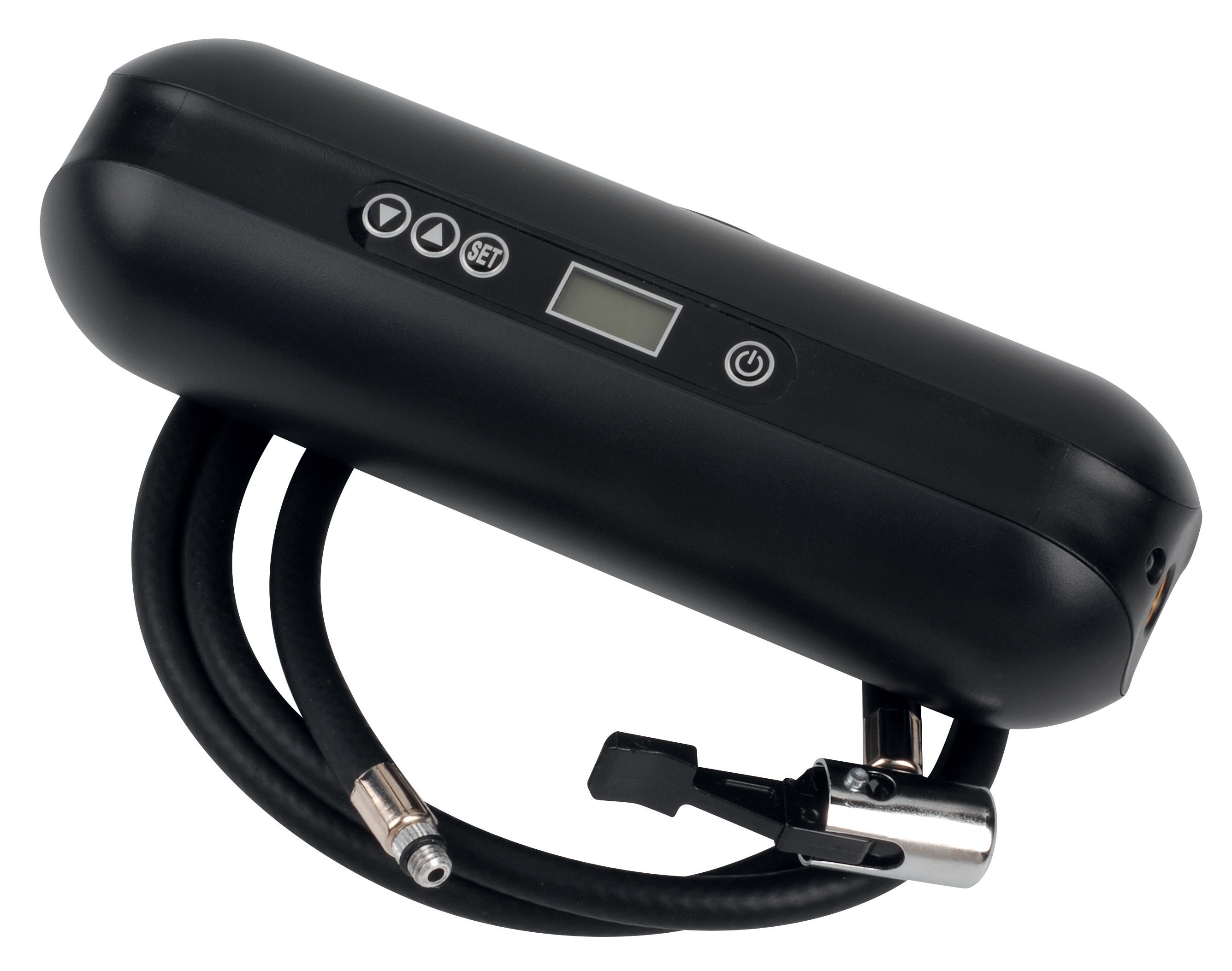
- -20 to +60°C operation minimum – The CBM expansion tank inflator battery operates across this full range, ensuring you can maintain HVAC systems during seasonal temperature swings
- Humidity resistance – Stainless steel components (like the Preciman gauge) resist corrosion from moisture and salt spray near coastal operations
- Barbed connections – The Dwyer transmitter's barbed process connections work with 3–5 mm tubing, standard in Southeast Asian facilities and easier to maintain than threaded fittings that corrode
Battery-powered equipment like the CBM inflator reduces infrastructure demands—valuable when adding sensors to existing systems where running new power lines is costly or disruptive.
Step 3: Establish Baseline Data and Trending
Once installed, measurement equipment is worthless without discipline around data collection. Implement a simple system:
- Weekly spot checks – Operators record gauge readings and transmitter outputs in a log (analog or spreadsheet)
- Monthly trend analysis – Plot pressure, temperature, and flow against design specifications and previous months
- Quarterly review – Compare seasonal trends to identify patterns (e.g., does pressure always rise in May? Does flow always drop by 10% in July?)
This discipline catches slow degradation. A compressor losing 2% efficiency per month is invisible on day one but catastrophic by month six. Trending reveals the problem in month two, when you still have options (maintenance, repair, or planned replacement) rather than facing emergency shutdown.
Step 4: Link Measurement to Maintenance Intervals
Measurement & Detection data should drive your maintenance calendar, not the other way around. When pressure trends show steady decline, schedule compressor service. When flow measurements drop 12%, inspect filters and ductwork. When temperature at the discharge line exceeds normal by 5°C, investigate refrigerant charge and valve operation.
This condition-based approach replaces time-based guessing. Many Southeast Asian plants maintain HVAC systems on fixed 12-month cycles, regardless of actual condition. Plants using Measurement & Detection data often shift to 14–18 month intervals for well-performing equipment while catching poorly performing systems at 6–8 months. This efficiency extends equipment life and reduces unexpected downtime.
Integrating Measurement Data for Unified Plant Intelligence
The ultimate value emerges when you stop viewing pressure, temperature, and flow as separate concerns and start seeing them as interconnected indicators of system health.
Consider a real scenario: In July, your HVAC system's return air pressure (measured by differential transmitter) increases 8%, and discharge temperature (measured by RTD probe) rises 3°C. Independently, each indicator is minor. Together, they signal filter blockage restricting return flow, forcing the compressor to work harder and run hotter. A plant manager using unified Measurement & Detection catches this in week one and replaces filters. A plant relying on annual maintenance catches it in month three—after the compressor has run hot for 8 weeks, accelerating bearing wear and potentially triggering thermal shutdown during peak cooling demand.
Digital transmitters feeding into building automation systems or simple data loggers enable this integration. You do not need expensive SCADA systems; even a cloud-connected spreadsheet where technicians log daily readings reveals patterns when you review the data monthly.
Procurement and Total Cost of Ownership
As a plant manager balancing capital and operating budgets, understand that Measurement & Detection equipment is not an expense—it is an investment in predictability. The Dwyer PT100 probe costs significantly less than emergency compressor replacement. The flow probe investment is recovered in 2–3 months of optimized HVAC operation through reduced electricity consumption.
3G Electric's 35 years serving global industrial operations has shown that plants spending 2–3% of annual maintenance budgets on measurement equipment save 15–20% in overall maintenance costs through early problem detection and condition-based scheduling.
When selecting suppliers, work with distributors who understand Southeast Asia's operational realities—the humidity, the temperature extremes, the need for equipment rated for these conditions, and the importance of reliable local support. Equipment purchased on price alone, without consideration for regional climate and support availability, becomes expensive when you need replacement sensors at 2 AM during a system failure.
Conclusion: Making Measurement & Detection Your Competitive Advantage
Plant managers in Southeast Asia operate in a region where HVAC systems run harder, pressure systems face greater stress, and thermal management demands precision. Integrated Measurement & Detection systems transform these challenges into advantages. By implementing unified monitoring across pressure, temperature, and flow networks, you gain early warning of degradation, enable condition-based maintenance, optimize energy consumption, and reduce catastrophic failures.
The path forward is straightforward: map your critical points, select robust equipment rated for tropical conditions, establish discipline around data collection, and link findings to maintenance decisions. Start with your most critical system—usually HVAC in Southeast Asia—and expand across your facility as you build confidence in the data and refine your processes.
Your competitors may still operate on fixed maintenance cycles and respond to failures. You will operate with predictive intelligence, extending equipment life, reducing downtime, and delivering consistent performance.