Understanding Spray Nozzle Function in Industry Applications
Spray nozzles are critical components in industrial combustion systems, directly affecting burner performance, fuel atomization quality, and overall system efficiency. Across manufacturing, HVAC, and energy sectors, nozzle malfunction represents one of the most common sources of inefficient combustion and unplanned downtime. With over 35 years of global equipment distribution experience, 3G Electric has identified that spray nozzle issues account for approximately 30-40% of fuel delivery system failures in industrial applications.
Proper nozzle function depends on maintaining correct spray angle, atomization quality, and fuel flow rate consistency. When these parameters drift, maintenance teams face cascading problems: incomplete combustion, flame instability, increased emissions, and reduced thermal efficiency. Understanding the relationship between nozzle specifications, system pressure, and fuel characteristics enables rapid diagnosis and targeted remediation.
Different industry applications demand specific nozzle configurations. Flat jet nozzles excel in applications requiring narrow spray patterns and precise fuel distribution, while modulating burner systems require coordinated nozzle performance with variable air intake. The challenge for maintenance teams involves identifying whether performance degradation originates from nozzle wear, system pressure anomalies, fuel contamination, or integration issues with associated components.
Diagnostic Procedures for Spray Nozzle Performance
Visual Inspection and Preliminary Assessment
Begin troubleshooting by conducting a comprehensive visual inspection of the nozzle assembly and surrounding fuel delivery components. Look for:
- Exterior deposits or carbon buildup around the nozzle tip, indicating incomplete combustion or fuel degradation
- Fuel leakage at connection points, suggesting improper sealing or thread damage
- Discoloration or corrosion on the nozzle body, revealing exposure to inappropriate fuels or prolonged storage conditions
- Clogging or partial obstruction of the spray opening, visible as uneven spray patterns or reduced fuel flow
For flat jet nozzles like the CBM Flat jet nozzle HP 1/4"M BSPT index 25 angle 15°, inspect the flat orifice geometry carefully under magnification. Any deformation of the precision-engineered spray opening fundamentally compromises atomization quality and cannot be field-repaired—replacement becomes necessary.
Perform a fuel sample analysis if available. Contaminated fuel containing water, particulate matter, or degraded hydrocarbons will rapidly clog or damage spray nozzles regardless of their condition. Fuel analysis provides objective evidence supporting either nozzle replacement or system flushing decisions.
Pressure and Flow Rate Verification
Spray nozzle performance is intrinsically linked to system pressure. Maintain accurate pressure readings at the nozzle inlet using calibrated gauges:
1. Record static pressure with the burner off and fuel supply isolated
2. Measure operating pressure during active combustion, noting any pressure fluctuations
3. Compare against manufacturer specifications for your specific nozzle model
4. Document flow rate if facilities permit, using timed collection methods
Pressure deviation of 10% or greater from design specifications typically results in compromised spray patterns. Low pressure produces coarse, inefficient atomization; excessive pressure may cause pressure-induced nozzle wear or damage to downstream components. For gas burner applications incorporating modulation capability, verify that the PID modulating system maintains stable pressure control across the operating range.
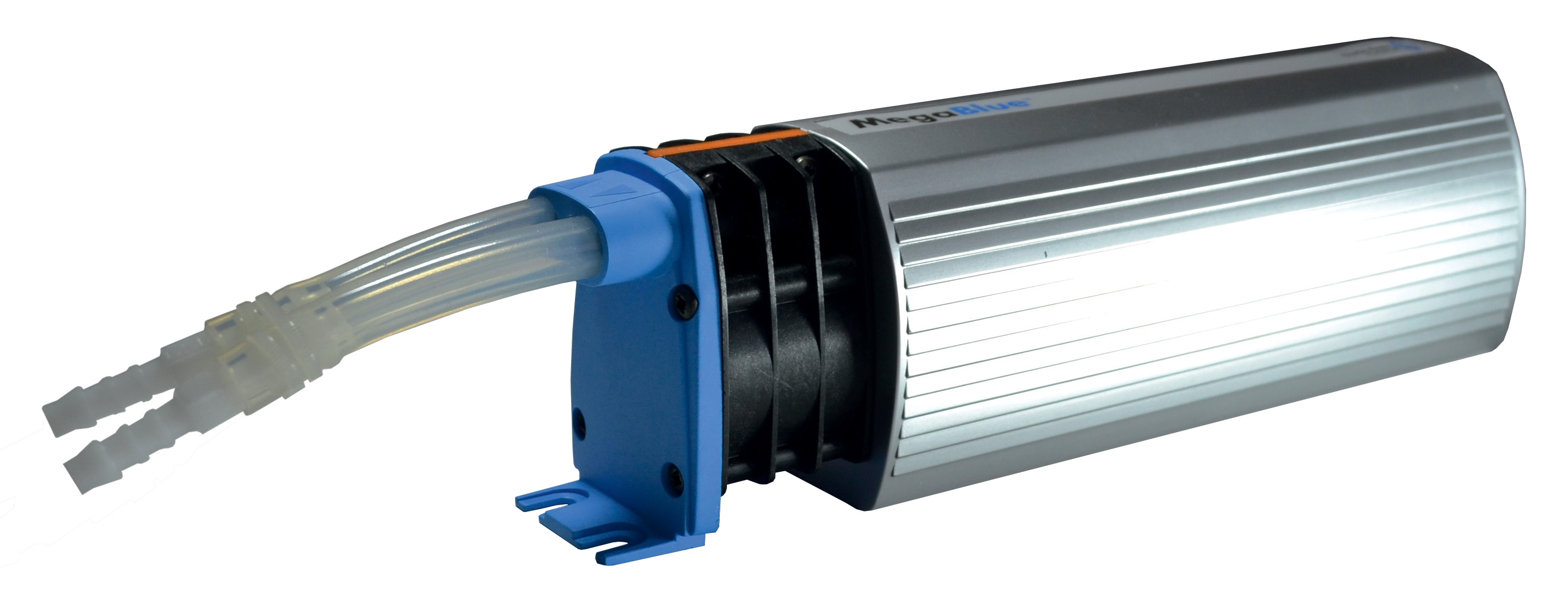
If pressure readings fall below specification, systematically check upstream components: fuel pump condition, filter restriction, fuel line integrity, and valve operation. The CBM Megablue reservoir alarm + shut-off X87-813 provides critical protection by monitoring tank level and shutting down systems before fuel starvation occurs, preventing pressure collapse that damages nozzles through cavitation.
Spray Pattern Analysis
Spray pattern observation reveals significant diagnostic information:
- Symmetrical, fine mist pattern: Indicates proper nozzle function
- Asymmetrical or deflected spray: Suggests partial clogging, internal erosion, or improper installation angle
- Coarse droplet pattern: Points to low pressure or nozzle wear
- Intermittent spray or sputtering: Indicates fuel supply instability or nozzle cavitation
- No spray or minimal flow: Suggests complete blockage or severe system pressure loss
For applications using different spray angle specifications—such as comparing the 25° angle nozzle against the index 055 angle 15° nozzle—verify that the installed nozzle matches burner design specifications. Incorrect angle nozzles produce poor flame geometry, uneven combustion, and hot spots that damage refractory or adjacent components.
Integration Testing and System-Level Troubleshooting
Coordinated Burner and Nozzle Assessment
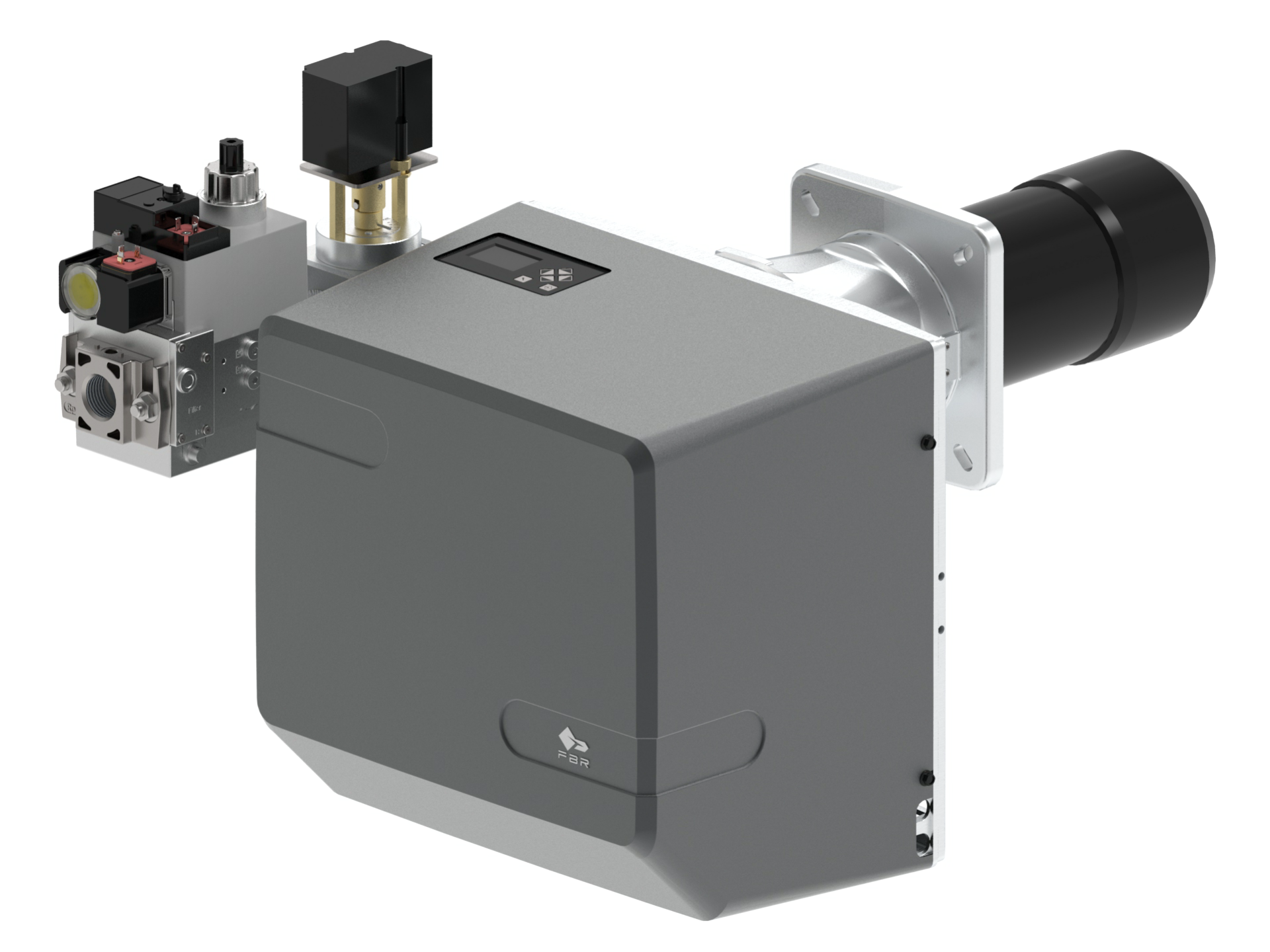
Nozzle problems frequently originate from incompatibility with other system components. Gas burners with modulation capability, such as the FBR BURNER GAS X5/MF TL EL VC LPG, require precisely coordinated nozzle operation with variable air intake and fuel pressure modulation.
When troubleshooting modulating burner systems:
1. Verify PID controller calibration: Confirm that the modulation kit probe correctly signals demand to the controller
2. Test fuel pressure response: Ensure pressure varies smoothly across the modulation range without hunting or oscillation
3. Observe flame behavior across modulation steps: Flame should remain stable and centered as demand signals change
4. Check air intake coordination: Fan pressurization must track fuel pressure changes to maintain proper air-fuel ratio
5. Monitor exhaust emissions: Smoke or visible emissions at any modulation level indicate combustion imbalance requiring nozzle or air inlet adjustment
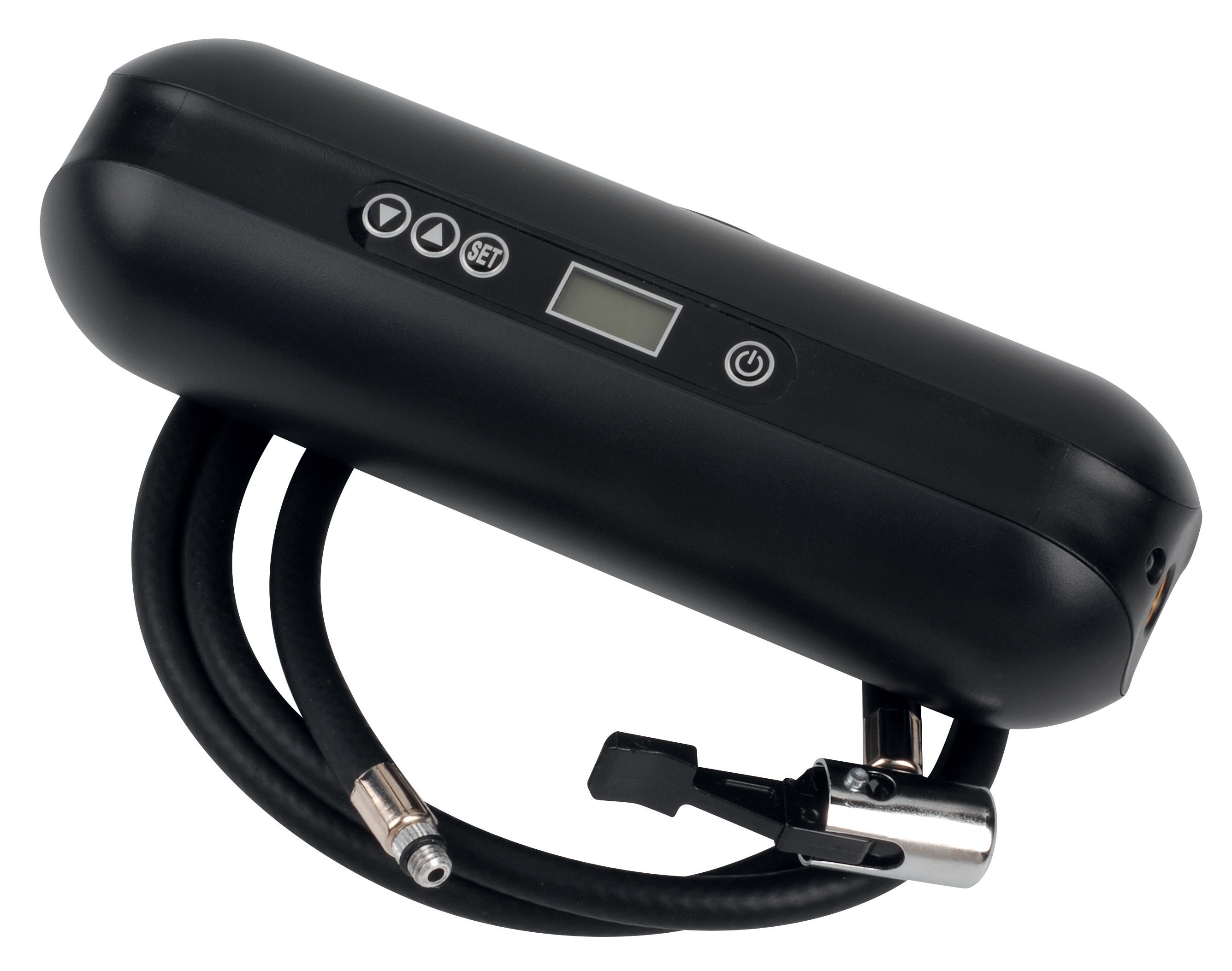
For systems incorporating expansion tanks, the CBM Expansion tank inflator battery 2000 mAH maintains proper pressurization essential to consistent nozzle operation. Low tank precharge pressure causes system pressure fluctuation that manifests as erratic spray pattern and unstable combustion.
Fuel Supply System Integration
Nozzle performance depends on the entire fuel delivery system functioning as an integrated unit. Systematically verify:
- Tank condition and cleanliness: Sediment or water in the tank continuously contaminates fuel, clogging nozzles within hours
- Filter status: Primary and secondary filters should be inspected monthly; restriction indicates imminent nozzle clogging
- Fuel line routing and support: Unsupported lines vibrate and develop pinhole leaks that introduce air into the fuel supply
- Return line function: For systems with return lines, verify they flow freely and maintain proper back pressure
- Solenoid valve response: Slow valve opening/closing distorts spray patterns and causes pressure spikes
Maintenance Protocols and Preventive Strategies
Scheduled Maintenance and Nozzle Replacement
Despite proper operation, spray nozzles gradually wear and require periodic replacement. Establish maintenance intervals based on:
- Fuel quality: Superior fuel quality permits longer nozzle life (2-3 years typical)
- System pressure: Higher operating pressures accelerate nozzle erosion
- Operating hours: Continuous operation systems may require annual replacement
- Industry application: Heavy-duty applications typically demand more frequent replacement
Maintenance teams should maintain spare nozzles of each specification in inventory, including both the 25° angle index 25 and 15° angle index 055 configurations for flexible troubleshooting capability. Quick nozzle replacement during emergency calls minimizes downtime while damaged units are analyzed off-site.
Documentation and Performance Tracking
Establish comprehensive maintenance logs recording:
- Nozzle replacement dates and part numbers
- Pressure readings at each maintenance interval
- Observed spray pattern changes
- Fuel analysis results
- System modifications or upgrades
- Downtime incidents and root causes
This historical data enables predictive maintenance: patterns of declining pressure or increasing replacement frequency signal underlying system problems requiring comprehensive remediation rather than repeated nozzle changes.
Fuel Management Best Practices
Fuel quality directly impacts nozzle life and performance. Implement fuel management protocols:
- Regular fuel testing: Annual analysis identifies water, particulates, and degradation products before nozzles suffer damage
- Tank maintenance: Annual tank cleaning removes sediment and prevents fuel degradation
- Fuel additives: Quality additives improve lubricity and prevent gum formation, extending nozzle life
- Proper storage: Keep fuel in sealed containers away from temperature extremes and direct sunlight
- Rotation discipline: Use oldest fuel first; avoid indefinite storage
Conclusion
Spray nozzle troubleshooting in industrial applications requires systematic diagnosis integrating visual inspection, pressure verification, pattern analysis, and system-level integration testing. Maintenance teams equipped with proper diagnostic procedures and comprehensive spare parts availability minimize combustion-related downtime and optimize equipment efficiency. Drawing on 35+ years of global industrial equipment distribution experience, 3G Electric provides the complete range of nozzles, burners, and monitoring systems necessary for reliable industrial combustion across diverse applications and operating conditions.
Proactive maintenance, accurate documentation, and timely component replacement ensure consistent nozzle performance, stable combustion, and maximum system reliability throughout extended service life.