Understanding Pumps & Compressors Maintenance Fundamentals
Pumps and compressors are among the most critical assets in industrial operations, yet many maintenance teams struggle with inconsistent upkeep procedures. At 3G Electric, we've supported global industrial operations for over 35 years, and we've learned that routine maintenance isn't just about fixing problems—it's about preventing them before they cost you production time and capital.
The foundation of any successful maintenance program is understanding your equipment's basic operating principles. Pumps move fluids by creating pressure differentials, while compressors increase air or gas density for storage or delivery. Both rely on precise mechanical alignment, proper lubrication, and clean operating environments. When maintenance teams understand why each component matters, they make smarter decisions about maintenance timing and procedures.
This guide focuses on the hands-on tasks your team can perform during routine maintenance windows without requiring specialized technicians or extended shutdowns. We'll cover daily inspection routines, weekly checks, and monthly procedures that form the backbone of reliable equipment operation.
Daily and Weekly Inspection Protocols
Visual Inspection Checklist
Start each shift with a five-minute visual inspection of your pumps and compressors. This simple habit catches emerging issues before they become failures:
- Fluid Leaks: Check around shaft seals, connection points, and pump housings. Even small drips indicate seal degradation that will worsen without attention.
- Unusual Vibration: Feel the equipment casing with your hand (when safe to do so). Increased vibration suggests bearing wear, misalignment, or internal damage.
- Temperature Changes: Use a non-contact infrared thermometer to check equipment surface temperatures. Compare readings to your baseline data—significant increases indicate friction or cooling system problems.
- Noise Characteristics: Listen for grinding, squealing, or rattling sounds that differ from normal operation. Document baseline sounds when equipment is new so you recognize changes.
- Electrical Connections: Inspect all motor terminals and cable connections for corrosion, loose wires, or discoloration that indicates overheating.
Weekly Lubrication Assessment
Proper lubrication is non-negotiable for pump and compressor longevity. Weekly checks prevent the majority of premature failures:
- Oil Level Verification: Check sight glasses or dipsticks on oil-lubricated units. Levels should fall within marked ranges. Low oil accelerates wear; excess oil causes overheating and seal failures.
- Oil Condition Observation: Note oil color and clarity. Dark, cloudy, or milky oil indicates contamination or moisture ingress—signs that filter changes are overdue.
- Grease Fittings: For grease-lubricated bearings, confirm fittings aren't clogged. One or two pumps of fresh grease during weekly rounds keeps bearings properly protected.
- Coolant System Inspection: On water-cooled compressors, verify coolant flow and check radiator fins for blockages. Restricted cooling directly causes equipment shutdown.
Monthly Maintenance and Advanced Checks
Filter and Strainer Maintenance
Contamination is the silent killer of pumps and compressors. Monthly filter changes prevent catastrophic internal damage:
- Air Filter Inspection: On compressors, examine intake filters for dust accumulation. Dirty filters reduce compression efficiency and force the motor to work harder. Replace when you observe visible dust cake buildup.
- Oil Filter Changes: Change oil filters on schedule—typically every 500-1000 operating hours depending on your equipment and environment. Always capture draining oil properly and inspect the old filter element for metal particles, which indicate bearing wear.
- Suction Strainers: On pump systems, monthly strainer inspection prevents cavitation and performance loss. Clean strainers when differential pressure gauges show 0.5 bar or more above baseline readings.
Pressure and Performance Validation
Monthly performance testing confirms your equipment operates within specifications:
- Baseline Pressure Logging: Record discharge pressure under standard load conditions. Compare to historical data—gradual pressure decline indicates internal wear or valve leakage. Sudden drops suggest seal failure or internal bypass.
- Amperage Monitoring: Check motor amperage during normal operation. Increasing amperage with constant load suggests bearing friction or mechanical resistance developing internally.
- Flow Rate Verification: For critical pumps, measure actual output flow against nameplate specifications. A 10% decline warrants investigation; 20%+ decline requires immediate service.
- Temperature Trending: Monthly temperature records reveal cooling system degradation. Temperature increases of 5-10°C over baseline indicate developing problems that preventive maintenance can address before failure.
Seal and Gasket Inspection
Seals are frequent failure points that monthly inspection can catch early:
- Visual Leak Detection: Look for wet spots on equipment casings and surrounding area. Even slow seeps will worsen without intervention.
- Seal Temperature Check: Shaft seals often run hot during normal operation. Excessive heat (above 60°C) indicates friction and imminent failure—plan replacement during next maintenance window.
- Gasket Integrity Assessment: Inspect all visible gaskets for hardening, cracking, or separation from mating surfaces. Document findings and schedule replacement if deterioration is evident.
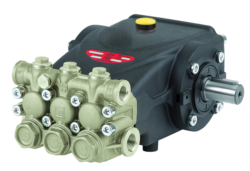
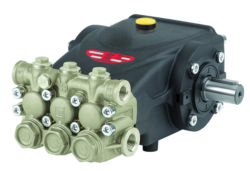
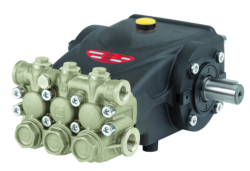
Equipment like the Interpump PUMP E3B2515I R and Interpump PUMP E3B2515 L from our global inventory require particular attention to seal maintenance given their high-pressure applications. These units benefit from regular seal inspections as part of your monthly routine.
Troubleshooting Common Field Issues
Cavitation Detection and Resolution
Cavitation occurs when pump inlet pressure drops below vapor pressure, creating vapor bubbles that collapse and damage internal surfaces. Your team can identify and address cavitation:
- Acoustic Signature: Cavitation produces distinctive crackling or popping sounds, like marbles in the pump. When you hear this, immediately check suction conditions.
- Systematic Investigation: Verify suction strainers are clean, inlet valves are fully open, and liquid level in the source tank is adequate. Suction side restrictions are the primary cause.
- Priming Procedures: Some applications benefit from priming pumps before startup. Consult your equipment manual for proper priming procedures to prevent cavitation during cold starts.
Vibration and Alignment Issues
Excessive vibration accelerates bearing wear and seal failure. Your team can assess and address alignment problems:
- Vibration Measurement: Use a handheld vibration meter to measure displacement in millimeters per second (mm/s). Values exceeding 7.1 mm/s indicate misalignment or bearing deterioration requiring attention.
- Visual Alignment Check: Many coupling misalignments are visible to the eye. Look for uneven gaps between coupling halves or lateral offset between motor and pump shafts.
- Soft Foot Detection: Place a straightedge across mounting feet. Gaps indicate soft foot conditions that cause vibration. Shim feet until the straightedge contacts all feet evenly.
Overheating Diagnosis
Temperature excursions reduce seal life and can cause vapor lock in pressure lines:
- Root Cause Analysis: Overheating usually stems from inadequate cooling (blocked radiators, low coolant flow), excessive load (discharge pressure above rating), or mechanical friction (bearing wear, seal drag).
- Immediate Actions: Reduce operational pressure if safely possible, clear cooling system blockages, and verify coolant circulation. If temperature doesn't respond, prepare equipment for service.
- Prevention: Your monthly monitoring program catches temperature trends before they cause overheating shutdowns.
Maintaining Specialized Pump Configurations
Advanced units like the Interpump PUMP E3B1515 DXVALV.DX + GEARBOX RS500H and Interpump PUMP E3C1021 DXV.DX*NO.C/J require attention to additional components:
Gearbox and Transmission Maintenance
Equipment with integrated gearboxes demands specialized lubrication care:
- Gear Oil Level Checks: Monthly verification of gear oil level in the sump is essential. Gearbox failures develop rapidly once oil starvation begins.
- Oil Analysis: Consider sending gear oil samples to a laboratory twice yearly for viscosity and wear metal analysis. This predictive approach identifies developing bearing problems before catastrophic failure.
- Noise and Vibration from Gearbox: Grinding sounds from the gearbox indicate gear tooth damage. Document frequency and severity—gradual increases in noise allow planned replacement; sudden changes suggest imminent failure.
Directional Control Valve Maintenance
Pumps equipped with directional valves (such as the E3B1515 DX configuration) require particular attention:
- Spool Movement Verification: During low-pressure operation, manually actuate directional controls and verify smooth spool movement. Sticking or grinding indicates internal contamination.
- Pilot Line Inspection: Trace pilot line connections and inspect for cracks or loose fittings. Pilot pressure loss prevents proper valve actuation.
- Flow Path Testing: Under controlled conditions, verify that each directional position delivers flow to correct outlet ports. Incorrect routing indicates internal valve damage.
Creating a Sustainable Maintenance Program
Documentation and Scheduling
Successful maintenance depends on consistent execution. Establish a documentation system your team actually uses:
- Daily Log Templates: Create simple checklists for daily visual inspections. One-page forms encourage completion and provide historical records.
- Monthly Service Schedule: Post monthly maintenance calendars in the maintenance shop. Assign responsibility for each task and track completion.
- Equipment History Files: Maintain detailed records for each pump and compressor including installation date, service intervals, parts replaced, and performance trends. This history guides predictive maintenance decisions.
Parts Inventory and Planning
With 35+ years of experience distributing industrial equipment globally, 3G Electric understands that maintenance effectiveness depends on parts availability:
- Critical Spare Parts Stock: Maintain inventory of frequently replaced items—seals, filters, bearing cartridges, and gaskets. Review your historical maintenance records to determine appropriate stock levels.
- Lead Time Planning: For specialized components like the Interpump PUMP E3C1515 L, establish relationships with suppliers to confirm delivery timeframes. Plan major overhauls accordingly.
- Quality Verification: Always use genuine replacement parts matching original equipment specifications. Inferior substitutes create reliability issues that exceed the cost savings.
Team Training and Knowledge Transfer
Your maintenance program only works when every team member executes procedures consistently:
- Cross-Training: Ensure multiple team members understand each piece of equipment. When one person leaves, knowledge shouldn't disappear with them.
- Documentation Review: Quarterly team meetings to review maintenance findings and adjust procedures based on field experience improve program effectiveness.
- Manufacturer Resources: Leverage equipment manuals and manufacturer support. Many suppliers provide maintenance training videos and technical guidance.
Conclusion
Pumps and compressors don't fail suddenly—they fail because maintenance problems accumulate undetected. By implementing the practical procedures outlined in this guide, your maintenance team shifts from reactive emergency repairs to proactive prevention.
Start with daily visual inspections and weekly lubrication checks. These low-effort activities catch 80% of developing problems early. Add monthly advanced checks as your team gains confidence. Within three months, you'll see measurable improvements in equipment reliability and significantly reduced emergency downtime.
3G Electric's 35+ years supporting global industrial operations has taught us that maintenance consistency matters more than sophisticated technology. Apply these proven techniques, and your pumps and compressors will deliver the reliable performance your operation demands.