Understanding Pumps & Compressors in Modern HVAC Systems
Pumps and compressors are the heart of refrigeration and hydronic HVAC systems, yet many contractors treat maintenance as an afterthought until failure occurs. With 35+ years of experience distributing industrial equipment globally, 3G Electric has observed that unplanned downtime accounts for approximately 30-40% of HVAC service costs. The difference between a system operating at design capacity for five years versus fifteen years often comes down to maintenance protocols and component selection.
In HVAC applications, you're operating pumps and compressors in demanding conditions: continuous cycling, varying load demands, contaminated fluids, and temperature fluctuations. Unlike stationary industrial equipment, HVAC systems move between heating and cooling modes, creating stress cycles that accumulate wear. Understanding how your equipment degrades—and why—is the foundation of extending lifespan and reducing callbacks.
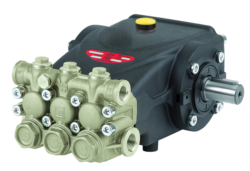
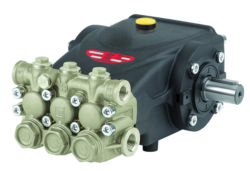
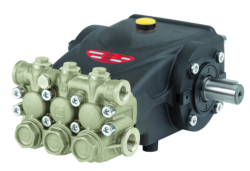
The Interpump product line, including models like the E3B2515I R and E3B2515 L, represents engineered solutions designed specifically for reliability-critical applications. These aren't generic components; they're precision instruments requiring proper diagnostics and maintenance protocols.
Diagnostic Techniques: Catching Problems Before Catastrophic Failure
Most HVAC contractors respond to symptoms—noise, vibration, reduced capacity—rather than diagnosing root causes. This reactive approach means you're replacing components rather than solving problems.
Vibration Analysis and Noise Signatures
Abnormal vibration is your first early warning system. Different failure modes produce distinct vibration patterns:
- High-frequency chirping typically indicates bearing wear or cavitation (fluid vaporization inside the pump). This is common when suction pressure drops below -0.5 bar absolute.
- Low-frequency rumbling suggests internal component wear, sludge accumulation, or impeller damage.
- Intermittent knock or clatter points to loose internal parts, worn valve seats, or failing motor bearings.
Invest in a basic vibration meter (available for $100-300). Establish baseline readings when systems are new, then monitor monthly. A vibration increase of 30-50% indicates you need internal inspection within 30-60 days.
Fluid Analysis Protocol
Hydraulic fluid condition determines pump lifespan more than any other factor. Oil breaks down through oxidation, contamination, and thermal stress. Implement quarterly fluid sampling:
- Test for viscosity breakdown (viscosity outside ±10% of specification indicates oxidation).
- Measure total acid number (TAN) to track corrosion potential. When TAN exceeds 2.0 mg KOH/g, fluid is degrading rapidly.
- Monitor particle count using ISO 4406 standards. HVAC systems should maintain ISO 18/16/13 or better. When particle count exceeds ISO 21/19/16, filter replacement is overdue and wear is accelerating.
- Check for water content. Emulsified water (above 500 ppm) causes corrosion and accelerates bearing failure.
These tests cost $50-150 per sample and catch problems months before catastrophic failure. 3G Electric partners with suppliers offering fluid analysis as a value-added service.
Pressure and Flow Trending
Track system pressures and flow rates on a spreadsheet. Document discharge pressure, suction pressure, and flow rate monthly. Gradual increases in discharge pressure (while flow remains constant) indicate:
- Internal leakage from worn components
- Partial valve blockage
- Impeller erosion
When discharge pressure increases 15% above baseline, internal wear has progressed to the point where component replacement is economical.
For systems using E3C1021 DX or E3C1515 L compressors, pressure trending is critical because refrigerant-based systems provide minimal warning before compressor seizure.
Maintenance Strategies: Planned vs. Emergency Interventions
Filter and Fluid Management
Hydraulic and refrigerant systems fail prematurely due to contamination, not design deficiency. Implement a strict filter replacement schedule:
- Change suction filters annually or when pressure differential exceeds 0.5 bar.
- Change return filters semi-annually or when differential exceeds 3.5 bar.
- Install offline filtration (portable carts) for systems over 10 kW, running 200+ hours annually. These remove particles without system shutdown and extend fluid life by 2-3 years.
For refrigerant systems, moisture contamination is catastrophic. Install desiccant dryers rated for system capacity and change cartridges annually. A $200-400 annual investment prevents $8,000-15,000 compressor failures.
Valve and Seal Inspection Schedule
Valves and seals account for 40% of pump/compressor failures in HVAC applications. Establish an inspection protocol:
- Annual inspection: Remove pump covers (with system depressurized) and visually inspect valve seats for scoring, pitting, or deposits.
- Replace seals every 2-3 years regardless of appearance. Seals degrade internally before external signs appear.
- Check suction and discharge lines for leaks, restrictions, or deterioration. Suction line restrictions cause cavitation, dramatically reducing bearing life.
Models like the E3B1515 DX with gearbox RS500H include integral valving. When inspecting these units, document valve response times—sluggish valve opening indicates sludge buildup or spring wear requiring replacement.
Bearing Health Monitoring
Bearings are the component that fails most quietly—until sudden seizure. Monitor bearing health through:
- Temperature trending: Bearings running 5-10°C above baseline indicate friction increase from wear or insufficient lubrication. When bearings exceed design temperature by 15°C, replacement is overdue.
- Bearing play inspection: During annual maintenance, grasp the pump shaft and test for axial (end-to-end) play. Excessive play (typically >1 mm depending on bearing size) indicates wear requiring rebuild.
- Noise isolation: Distinguish between pump noise and bearing noise by stopping the system and rotating the shaft manually. Grinding or catching sensations indicate bearing damage.
Component Selection for Extended Lifespan
Maintenance alone doesn't guarantee reliability—component selection at installation sets the ceiling for achievable lifespan.
Matching Component Ratings to System Duty
Many contractors select pumps based on displacement and maximum pressure rating without considering duty cycle. A pump rated for 210 bar maximum doesn't run reliably at 210 bar continuously. Real-world guidance:
- Continuous duty systems: Select pumps rated for 1.5-2x the actual operating pressure.
- Cyclic systems: For systems cycling between load and idle, select pumps rated for 1.25x operating pressure minimum.
- Variable displacement systems: These extend component life dramatically in systems with variable demand. Models like the E3B2515I R can modulate output, reducing thermal stress and bearing wear during partial-load operation.
Hydraulic fluid chemistry affects seal and bearing lifespan significantly. When specifying replacement pumps, confirm:
- Seal material matches existing system fluid (mineral oil, synthetics, HFC fluid, etc.). Incompatible seals fail within weeks.
- Bronze or steel components based on fluid type. Some synthetic fluids are incompatible with bronze wear plates.
- Corrosion inhibitor packages in the fluid. Using budget "hydraulic oil" instead of specified fluid can reduce bearing life by 50%.
For refrigerant-based systems, compressor material compatibility with refrigerant type (R-22, R-410A, R-32) is non-negotiable. Installing an R-410A compressor in an R-22 system causes catastrophic failure within hours.
Gearbox Selection Impact
Gearboxes, like the RS500H unit, reduce pump input speed, allowing smaller motors and reducing bearing stress. While gearboxes add initial cost ($1,500-3,500), they extend total system life 2-3 years on average through reduced vibration and bearing loads.
Practical Implementation for Contractors
Establish a Maintenance Log System
Create a simple spreadsheet for each customer system tracking:
- Monthly pressure and temperature readings
- Service dates and fluid samples
- Filter replacement schedule
- Vibration baseline and current readings
- Any unusual noises or performance changes
This 10-minute monthly task provides documentation that justifies maintenance costs to customers and creates defensible records if warranty disputes arise.
Training and Supplier Partnerships
3G Electric offers technical support and component guidance for contractors managing diverse equipment. When selecting replacement pumps or compressors, provide your supplier with:
- Current system operating pressures and flow rates
- Duty cycle (continuous vs. cyclic)
- Fluid type and system condition
- Historical performance data
This information allows precise specification matching, preventing premature failure in replacement installations.
Cost-Benefit Analysis of Preventive Maintenance
A typical HVAC service call costs $150-300 in labor. Preventive fluid sampling ($50-150) catches failures 4-6 weeks before catastrophic breakdown. Over a 10-customer service base, one prevented catastrophic failure saves $8,000-12,000 in emergency service and component replacement. The ROI on systematic maintenance is typically 300-400% annually.
With 35 years distributing industrial equipment, 3G Electric has documented that contractors implementing systematic maintenance reduce callbacks by 35-45% while improving customer satisfaction and equipment reliability. Starting these programs requires minimal investment and delivers measurable results within 6-12 months.