Understanding Pump Maintenance & Service in Tropical Industrial Environments
Industrial pump systems form the critical backbone of fluid handling operations across Singapore's manufacturing, chemical processing, and food production sectors. Unlike generic maintenance guidance, effective Maintenance & Service protocols must account for the unique challenges posed by Singapore's high-humidity, high-temperature tropical climate combined with 24/7 operational demands.
Pump failures typically represent the costliest unplanned downtime events for plant operations. When a high-pressure pump like the Pratissoli SN7045 L (45 L/min at 210 bar) fails unexpectedly, production losses can exceed maintenance costs within hours. Yet many plant managers operate on purely reactive maintenance models, replacing components only after failure occurs.
Drawing on 35 years of industrial equipment distribution across Southeast Asia, 3G Electric has observed that facilities implementing structured Maintenance & Service frameworks reduce unplanned downtime by 40-60% while extending pump service life by 3-5 years. This guide translates that operational intelligence into actionable strategies for Singapore plant managers managing mission-critical fluid systems.
Establishing Predictive Maintenance Baselines for High-Pressure Pump Systems
Baseline Data Collection and Monitoring Protocols
Effective Maintenance & Service begins with establishing measurable baselines for your specific pump installations. For equipment like the Pratissoli KF30 operating at 200 bar and 40 kW, baseline monitoring captures:
- Discharge pressure stability: Track pressure variations across shift cycles. Gradual pressure decline (2-5 bar per month) indicates internal wear; sudden drops signal seal failure.
- Fluid temperature profiles: High-pressure pumps generate heat through internal friction. Establish normal operating temperature ranges; sustained 10-15°C elevation above baseline indicates increasing internal resistance.
- Acoustic signatures: Normal pump operation produces consistent humming at specific frequencies. Changes in acoustic character—grinding, cavitation noise, or intermittent knocking—precede visible failure by 2-4 weeks.
- Vibration measurements: Use portable vibration meters (ISO 20816 standard) at pump motor coupling. Baseline vibration increases of 20-30% indicate bearing degradation before catastrophic failure.
For tropical Singapore environments, humidity-induced bearing corrosion requires particular attention. Document monthly vibration readings from month 1 through month 12 to establish seasonal patterns; you'll typically see 5-8% vibration increase during monsoon seasons due to moisture infiltration.
Installation of Condition Monitoring Systems
Plant managers overseeing multiple high-pressure pump installations should implement permanent condition monitoring for equipment exceeding SGD $25,000 in replacement value. For ATEX-compliant applications using equipment like the Interpump PUMP W2035 L ATEX (35 L/min, 13.23 kW), hazardous zone regulations actually require documented maintenance records that condition monitoring systems automatically generate.
Minimum monitoring setup includes:
- Pressure transducers on discharge and case drain lines (accuracy ±0.5% FS)
- Thermal sensors at pump outlet (±2°C accuracy)
- Vibration sensors at motor-pump coupling (frequency range 10 Hz - 10 kHz)
- Automated logging system with email alerts for threshold exceedances
Total installation cost for a complete system typically ranges SGD $8,000-15,000 but generates ROI within 18-24 months through prevented emergency repairs.
Component-Level Maintenance & Service Protocols
Seal and Bearing Maintenance Strategies
Pump seals represent the most common failure point in tropical climates. The primary mechanical seal (between pump shaft and rotating element) faces constant exposure to pressurized fluid and must handle temperature swings from 35°C ambient to 65-75°C during operation.
Implement these seal maintenance practices:
Quarterly visual inspections:
- External seal area: Check for oil weeping. Minor seepage (one drop per 10 minutes) is acceptable; faster leakage indicates seal replacement need.
- Shaft surface: Run your finger gently along exposed shaft—roughness indicates microtearing that damages seal faces.
- Case drain return: Verify return line flow; blockages increase pressure on seal faces.
- For pumps operating with aged or contaminated fluid, flush seal cavity with fresh compatible fluid under low pressure (20-30 bar).
- This removes particulate material that damages seal faces prematurely in tropical environments where dust infiltration increases.
Bearing maintenance focuses on lubrication interval optimization:
- Standard industrial pumps (1800-2000 rpm): Grease bearings every 6 months in standard environments; increase to quarterly in high-humidity tropical settings.
- High-speed pumps like the Pratissoli KF30 at extended duty cycles: Switch to oil-bath bearing lubrication if facility infrastructure allows; provides superior cooling and contaminant management.
Fluid Management and Contamination Control
Fluid quality directly determines pump component life. In Singapore's humid climate, water ingress represents the primary contamination risk. ISO 4406 cleanliness codes provide the standard measurement framework:
Target cleanliness levels:
- New fluid delivery: ISO 17/15/12 (industry standard for industrial pumps)
- Operational target: ISO 18/16/13 (acceptable for continuous operation)
- Action threshold: ISO 20/18/15 (initiate fluid change within 2 weeks)
- Failure threshold: ISO 22/20/17 (emergency fluid change and system flush required)
Implement these fluid management practices:
1. Monthly fluid sampling from operating systems using standardized sample bottles with filtration membranes. Send samples to certified laboratories (Singapore ISO 17025 accredited) for particle counting, water content analysis, and viscosity verification.
2. Quarterly drain-and-fill cycles for systems operating in tropical environments. The fluid thermal cycling (cool mornings, 70°C+ afternoons) accelerates oxidation and water absorption in standard mineral oils. Consider synthetic PAO-based pump fluids (20-30% higher cost but 2-3x service intervals).
3. Offline filtration systems for large fluid volumes (>500L). A portable 3-5 micron filter cart (SGD $3,000-6,000) can extend fluid life 30-50% by removing accumulated particulates without stopping production.
Maintenance & Service Response Strategies: Predictive Intervention Before Failure
Early Warning Sign Recognition and Scheduling
Plant managers must recognize early indicators that precede catastrophic pump failure, typically occurring 2-6 weeks before complete system shutdown. These signs warrant planned maintenance intervention:
Pressure-based indicators:
- Internal leakage showing as gradual pressure decline: 2-4 bar/week loss indicates internal pump wear progressing to seal failure within 4-6 weeks.
- Pressure ripple or fluctuation: Cavitation (pressure drops below fluid vapor pressure) manifests as oscillating pressure readings ±5-10 bar on discharge line; indicates imminent bearing or seal wear.
- Metallic discoloration in fluid samples: Iron and chromium particles indicate internal component wear; schedule seal/bearing inspection within 2 weeks.
- Water content exceeding 300 ppm: Signals seal degradation allowing moisture ingress; initiate seal replacement scheduling.
- Motor current consumption increase (5-10% above baseline): Suggests increased internal friction from bearing wear or fluid contamination; verify with oil analysis immediately.
- Temperature elevation with stable pressure: Indicates inefficient internal operation; common precursor to bearing failure.
Component Replacement Scheduling Strategy
For facilities operating critical pumps like the Interpump PUMP W2035 L ATEX, scheduled replacement at 80% expected service life is more cost-effective than reactive emergency service:
Typical component replacement intervals (tropical Singapore environment):
Primary mechanical seals: 24-36 months (vs. 36-48 months in temperate climates)
Bearings: 36-48 months or every 4,000-6,000 operating hours
Fluid sampling and analysis: Every 250-500 operating hours
Internal pump gaskets and o-rings: At each major overhaul (typically 3-5 year intervals)
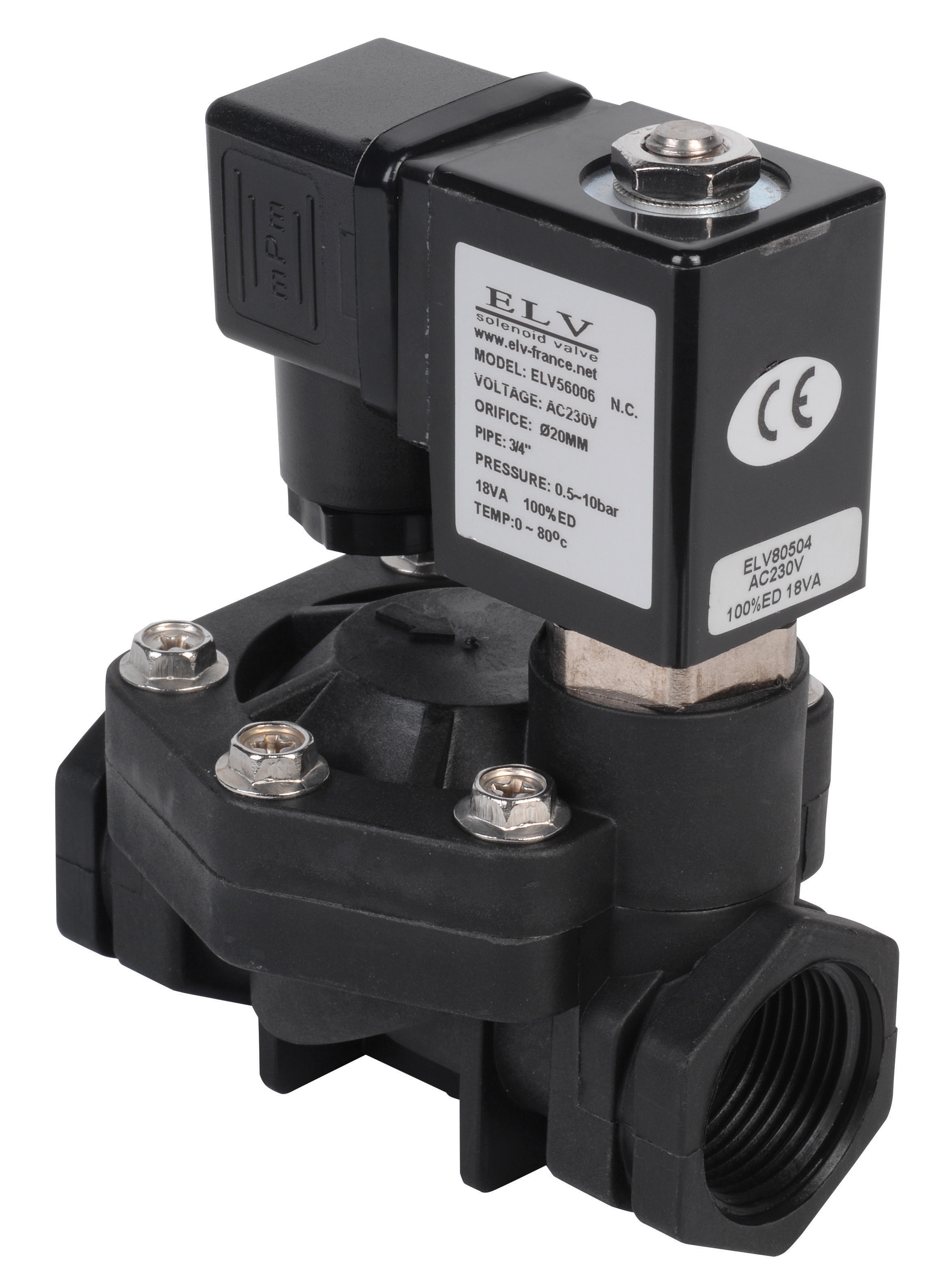
For complex systems incorporating solenoid valve components like the ELV Plastic Solenoid Valve D.3/4 NF 230V, establish separate valve maintenance cycles:
- Coil insulation testing (megohm resistance): Annually
- Plunger and spring inspection: Every 12 months or 8,000 operating hours
- Valve seating surfaces: Replace every 18-24 months in continuous duty applications
Documentation and Compliance Requirements for Singapore Operations
Plant managers must maintain comprehensive Maintenance & Service records for regulatory compliance (WSH Act, Energy Audit requirements) and insurance purposes:
Essential documentation:
1. Equipment installation certificates with baseline performance data
2. Monthly condition monitoring logs (pressure, temperature, vibration trends)
3. Maintenance work orders with component serial numbers, replacement dates, and technician credentials
4. Fluid analysis reports from accredited laboratories
5. Spare parts inventory tracking (critical for ATEX-compliant equipment requiring certified replacement components)
Digital maintenance management systems (CMMS software) typically cost SGD $1,500-3,000 annually but reduce paperwork burden and automatically generate compliance reports for HSE audits.
Optimizing Maintenance & Service Efficiency with Supplier Partnerships
With 35 years distributing industrial equipment across Singapore and Southeast Asia, 3G Electric recognizes that effective Maintenance & Service extends beyond internal plant capabilities. Strategic supplier partnerships provide access to:
- Genuine component sourcing: Pumps, solenoid valves, and gearbox assemblies like the Interpump GEARBOX RS500 require OEM-specification spare parts to maintain ATEX compliance and performance warranties.
- Technical consultation: Our equipment specialists assist in baseline establishment, condition monitoring system design, and troubleshooting for complex multi-component systems.
- Predictive maintenance planning: Leverage supplier data from thousands of installations to establish realistic service intervals specific to your equipment configurations and operational profiles.
Plant managers should establish quarterly review meetings with equipment suppliers to discuss trending maintenance data and optimize component replacement scheduling. This proactive approach converts maintenance from a necessary expense into a strategic operational advantage.