Understanding Preventive Maintenance & Service Frameworks
Preventive Maintenance & Service is not merely reactive troubleshooting—it's a strategic approach to equipment management that procurement engineers must embed into procurement decisions and vendor relationships. With 35+ years of experience distributing industrial equipment across Southeast Asia, 3G Electric has observed that organizations implementing structured preventive maintenance programs reduce unplanned downtime by 40-50% and extend equipment lifespans by 20-30%.
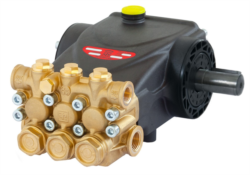
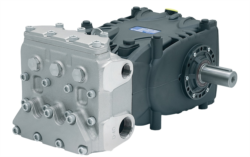
For procurement engineers in Singapore, understanding the distinction between time-based maintenance (TBM) and condition-based maintenance (CBM) is essential. Time-based approaches follow manufacturer recommendations or industry standards, while condition-based methods rely on real-time diagnostics. High-pressure pump systems like the Interpump E2C2111 L and Pratissoli KF30 benefit from hybrid approaches—combining scheduled intervals with continuous monitoring of pressure stability, temperature, and vibration signatures.
The criticality of your equipment determines maintenance strategy. Mission-critical systems operating at 210 bar (as in the E2C2111 L) demand more aggressive monitoring intervals than secondary systems. Procurement engineers should evaluate mean time between failures (MTBF) ratings during vendor selection, as this metric directly impacts maintenance scheduling frequency and spare parts investment.
Maintenance Interval Optimization and Spare Parts Planning
Establishing appropriate maintenance intervals requires balancing operational continuity with cost efficiency. For positive displacement pumps operating in continuous-duty applications, most manufacturers recommend inspection and potential seal replacement every 2,000-4,000 operating hours. However, Singapore's humid tropical climate accelerates corrosion and seal degradation, potentially reducing these intervals by 15-25%.
When specifying equipment like the Interpump W2035 L ATEX for hazardous environments, procurement engineers must factor ATEX compliance into maintenance schedules. These systems require more frequent certification reviews and seal integrity testing due to stricter safety requirements. Documentation of all maintenance activities becomes legally mandatory, not optional.
Developing a tiered spare parts strategy ensures critical components are available without excessive inventory costs. For high-pressure pump systems, essential spare parts should include:
- Mechanical seals (primary and backup sets for critical duty applications)
- Bearing assemblies with pre-sized shaft sleeves
- Inlet filter elements rated for your fluid viscosity and particle size requirements
- Coupling components matching your motor specifications
- Fluid samples for laboratory analysis (trending program)
Procurement engineers should negotiate spare parts availability with distributors as part of initial equipment procurement. 3G Electric maintains regional inventory of common components for equipment like the Interpump SSU2040 R ATEX, ensuring 24-48 hour delivery within Singapore for critical repairs. Establish agreements specifying:
- Minimum stock levels for critical components
- Lead times for non-standard items
- Pricing terms for emergency orders
- Technical support availability for diagnostics
Condition Monitoring and Diagnostic Techniques
Modern Maintenance & Service strategies leverage continuous condition monitoring to predict failures before they occur. For gear pumps like the SSU2040 R ATEX operating at 1,750 rpm, vibration analysis can detect bearing wear 2-4 weeks before catastrophic failure. Procurement engineers should evaluate equipment specifications for integrated monitoring provisions—many new systems include pressure transducers, temperature sensors, and vibration monitoring ports as standard.
Three essential diagnostic techniques warrant implementation:
Fluid Analysis and Trending: Monthly oil sampling establishes baseline conditions for particle count, moisture content, viscosity, and acid number (TAN). Singapore's humidity creates moisture ingress risks; trending identifies contamination trends before they damage pump internals. For systems like the Pratissoli KF30 operating at 106 L/min, contamination particles exceeding ISO 18/16/13 accelerate seal and bearing wear exponentially.
Pressure and Flow Monitoring: Installing calibrated pressure gauges at pump discharge and bearing drain ports establishes baseline performance. A 10-15 bar pressure rise across the same flow rate indicates developing restrictions—potentially inlet filter clogging or cavitation. Flow measurement at the same conditions reveals internal leakage; sudden increases suggest seal degradation requiring immediate service intervals.
Thermal Monitoring: Infrared thermography identifies localized heat generation in pump casings, motor windings, and bearing housings. For ATEX-compliant equipment like the W2035 L ATEX, temperature limits are regulated; exceeding 135°C on external surfaces violates compliance certification. Install surface temperature monitors on critical bearing locations.
Implement a simple condition scoring system (1-5 scale) for each monitored parameter. When accumulated scores exceed preset thresholds, schedule maintenance before failures cascade. This approach prevents the common error of delaying service intervals until multiple systems show distress.
Service Scheduling, Documentation, and Vendor Coordination
Effective Maintenance & Service requires systematic documentation and planning discipline. Procurement engineers must establish protocols ensuring service windows align with production schedules while maintaining adequate component availability. For continuous-process applications in Singapore's manufacturing sector, planned maintenance typically occurs during scheduled shutdowns rather than unplanned emergency repairs.
Develop a maintenance matrix specifying:
- Daily: Visual inspection for leaks, unusual noise, temperature assessment
- Weekly: Filter element pressure drop monitoring, system fluid level verification
- Monthly: Oil sampling, pressure transducer calibration verification, coupling bolt torque checks
- Quarterly: Comprehensive fluid analysis review, bearing vibration trending, seal condition assessment
- Annually: Full system pressure test, bearing replacement (if required), seal kit replacement for mission-critical systems
- Biennial: Complete remanufactured unit evaluation versus replacement economics
Coordinate with equipment suppliers during procurement to establish service agreements including:
- On-site preventive maintenance visits at specified intervals
- Technical hotline access for diagnostic guidance
- Spare parts consignment programs reducing carrying costs
- Training for your maintenance technicians on equipment-specific procedures
Maintain detailed service logs including:
- Date, duration, and specific work performed
- Technician identification and qualifications
- Components replaced with serial numbers and batch codes
- Test results (pressure, flow, vibration, temperature, fluid analysis)
- Observations regarding component condition and remaining service life
- Any deviations from standard procedures and justifications
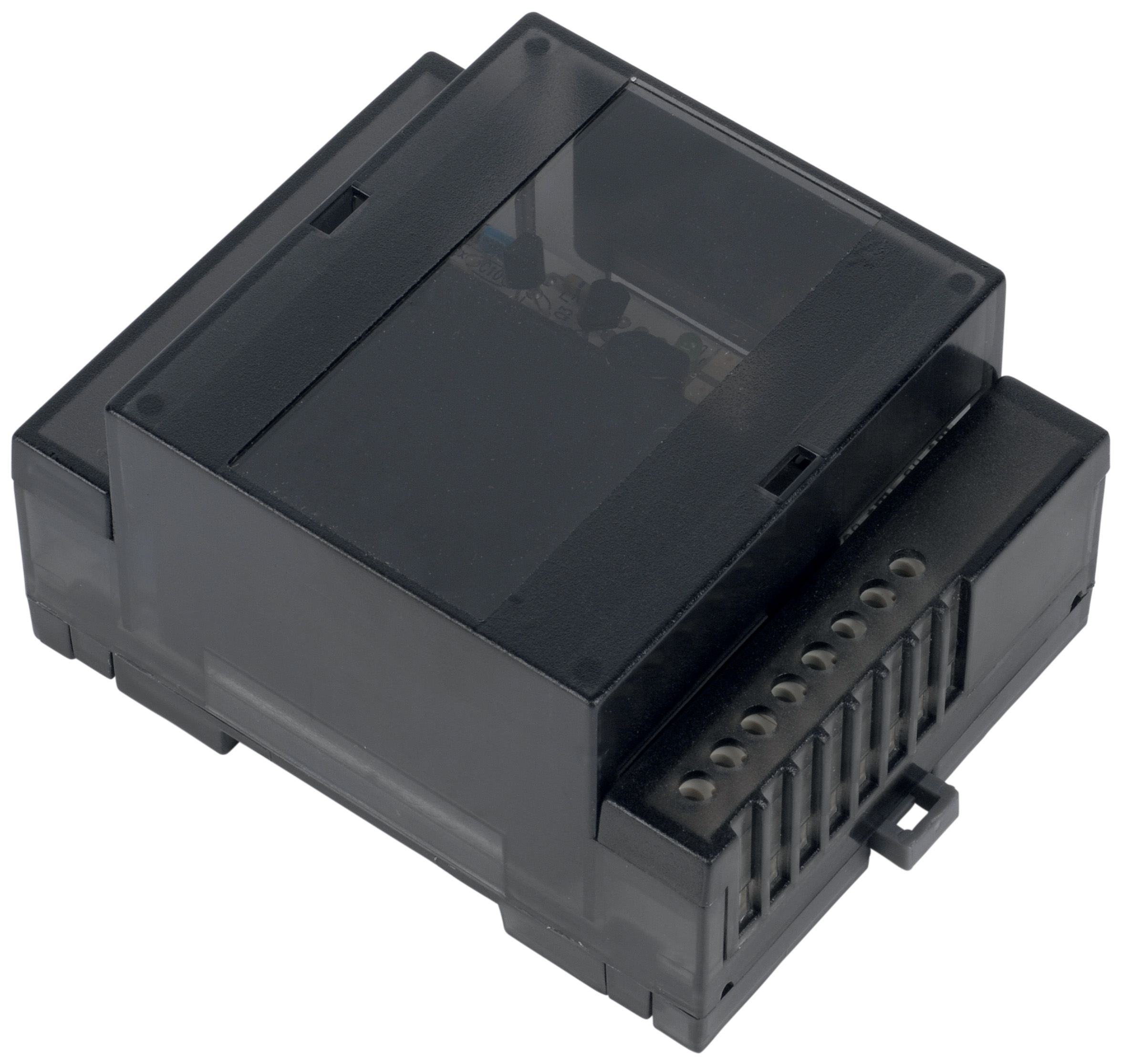
For ATEX equipment like the Combutech Flame Relay CF1, maintenance documentation becomes compliance evidence during regulatory audits. Missing records can result in operational permits being revoked.
Establish quarterly reviews of maintenance data, identifying trends indicating accelerated wear in specific equipment types or operational modes. If multiple E2C2111 L units show shortened seal life under particular conditions, your procurement team should evaluate equipment specification changes or operational parameter adjustments.
Finally, negotiate performance guarantees with your equipment supplier based on adherence to the maintenance schedule. If a well-maintained system fails prematurely, the distributor should assist with warranty claims or root-cause analysis. 3G Electric's experience across thousands of installations enables our team to identify systematic failures that might otherwise remain undiagnosed.