Introduction: Maintenance & Service Fundamentals for Hydraulic Systems
Hydraulic pump systems power critical operations across Southeast Asia's manufacturing, construction, and industrial sectors. When these systems fail, production stops and costs escalate rapidly. Drawing on 35+ years of experience distributing industrial equipment throughout the region, 3G Electric has seen how effective Maintenance & Service practices dramatically reduce equipment downtime and extend asset lifespan.
This guide focuses on practical troubleshooting and maintenance techniques that maintenance teams can implement immediately. Rather than theoretical concepts, you'll learn the diagnostic methods, testing procedures, and repair protocols that prevent catastrophic failures and keep your hydraulic systems running reliably in the demanding Southeast Asia climate.
Section 1: Diagnostic Fundamentals for Hydraulic Pump Failures
Understanding Common Failure Patterns
Hydraulic pumps fail in predictable ways. Pressure drops, flow reduction, noise, and temperature rise are all warning signals. Before any repair, your maintenance team must understand what these symptoms indicate.
Pressure Loss Diagnosis:
When system pressure drops below specifications, you're dealing with either internal leakage or external leakage. Internal leakage occurs when seals wear and fluid bypasses internally, reducing delivery pressure. External leakage means fluid escapes through connections, seals, or housing cracks.
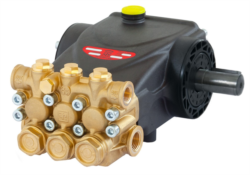
To diagnose: Isolate the pump and measure its outlet pressure under no-load conditions. If pressure is within specifications (typically 200–250 bar for industrial pumps like the Interpump PUMP E2C2111 L), the problem lies downstream in actuators or valves. If pressure remains low at the pump outlet, internal wear is occurring.
Flow Rate Reduction:
Reduced flow indicates slipping internal components or worn displacement mechanisms. For positive displacement pumps delivering 35 L/min (such as the Interpump W2035 L ATEX), any significant drop signals seal degradation or mechanical wear. Measure actual flow using a calibrated flow meter while recording pressure simultaneously. Compare results against manufacturer specifications.
Noise and Vibration Signals:
Cavitation noise—a popping or crackling sound—means the pump inlet pressure is too low, allowing fluid vaporization inside the pump. This causes immediate damage. Check inlet filters for blockage, hose restrictions, and fluid level. Grinding or metallic noise indicates bearing wear or component collision, requiring immediate shutdown and inspection.
Temperature as a Warning Indicator:
Hydraulic fluid temperature rise above 60°C indicates energy loss through friction or leakage. Temperatures above 70°C accelerate seal degradation and fluid oxidation. When you observe unusual temperature rise, measure system flow and pressure together—high pressure plus high flow plus temperature rise points to relief valve malfunction, not pump failure.
Pressure Testing Protocol
Establish a standard pressure testing procedure for your team:
1. Baseline Documentation: When equipment is new or freshly serviced, record full specifications—pump displacement, rated pressure, actual delivery pressure at full load, temperature, and flow rate. Keep these records permanently.
2. Regular Testing Schedule: Weekly pressure checks for critical systems, monthly for standard operations. Use the same test point and calibrated gauge each time to ensure consistency.
3. Load Testing: Never test pump pressure without load. A pump with no restriction produces zero meaningful pressure. Install a pressure gauge directly at the pump outlet with a controlled load applied (through a piloted relief valve set slightly above normal operating pressure).
4. Multi-Point Diagnosis: Test pressure at three points—pump outlet, main system line, and return line. This reveals pressure drops across components and identifies blockages or failing valves.
Section 2: Preventive Maintenance Protocols for High-Performance Hydraulic Pumps
Fluid Management: Your First Line of Defense
Hydraulic fluid is your system's lifeblood. Contaminated or degraded fluid destroys pumps faster than any other factor. Southeast Asia's humid climate accelerates fluid degradation and promotes water contamination.
Fluid Testing Schedule:
- Monthly: Visual inspection for color change, cloudiness (water presence), or unusual odor
- Quarterly: ISO particle count using calibrated portable counters. Maintain ISO 4406 cleanliness code of 17/15/12 or better
- Semi-annually: Water content testing using Karl Fischer method. Hydraulic systems should contain less than 500 ppm water
- Annually: Full laboratory analysis including viscosity, acid number, and oxidation stability
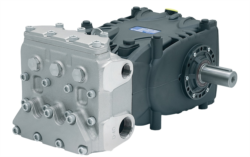
For systems like the Pratissoli KF30 delivering 106 L/min, install a 10-micron return filter and a 25-micron tank breather. Change return filters every 500 operating hours or when pressure differential reaches 3 bar. The breather filter prevents moisture ingress—critical in tropical environments where ambient humidity exceeds 80%.
Seal and Component Inspection
Worn seals are the primary cause of pump failure. Establish a seal inspection program:
1. External Leak Monitoring: Weekly visual inspection of all pump connections and housing. Use a dry paper towel under suspected areas. Even tiny seeps indicate seal degradation beginning.
2. Bearing Inspection: Listen for grinding sounds during normal operation. Bearing wear precedes seal failure. If detected, plan replacement during next scheduled maintenance window—don't wait for failure.
3. Coupling Alignment: Misalignment between motor and pump dramatically accelerates bearing wear. Check alignment annually using dial indicators. Misalignment greater than 0.05 mm at the coupling requires correction.
4. Shaft Run-out: Worn pump shafts cause internal component damage. Measure radial run-out with dial indicator. Values exceeding 0.1 mm indicate immediate replacement need.
Seasonal Maintenance for Southeast Asia Operations
Southeast Asia's tropical climate—high humidity, salt spray in coastal areas, temperature extremes—demands specific maintenance protocols:
Pre-Monsoon Preparation (May-June):
- Inspect all external electrical connections for corrosion
- Test pump intake system thoroughly; verify tank breather function
- Confirm all drain connections are clear and can handle increased moisture ingress
- Apply corrosion inhibitor to bare metal surfaces
- Drain and replace hydraulic fluid if visual inspection shows water contamination
- Clean external surfaces with degreaser to remove salt deposits
- Inspect rubber hoses for swelling or hardening from prolonged moisture exposure
- Test electrical solenoid coils for insulation resistance (should exceed 10 megohms)
- Focus on bearing and seal wear monitoring
- Perform comprehensive pressure and flow testing
- Schedule any major overhauls during this period when humidity is lowest
Section 3: Repair and Replacement Decision-Making
When to Rebuild vs. Replace
This decision impacts both cost and system reliability. Use these criteria:
Rebuild the pump if:
- Equipment age is less than 50% of design life
- Original manufacturer support and parts availability is confirmed
- Repair cost is less than 60% of replacement cost
- Downtime during rebuild fits your operational schedule
- Shaft and housing are undamaged (no scoring or cracks)
- Equipment has exceeded 70% of design life
- Shaft is scored or housing is cracked
- Required parts are unavailable or backordered
- Repair cost exceeds 60% of replacement cost
- System performance requirements have changed, requiring higher flow or pressure
Pump Selection for Replacement
When replacement is necessary, matching specifications precisely prevents system redesign. Work with your equipment supplier to confirm:
- Displacement: Measured in cc/revolution or L/min at rated rpm. The Interpump SSU2040 R ATEX delivers 40 L/min—ensure replacement matches this within 5%
- Maximum Operating Pressure: Rated at 200–250 bar for most industrial applications. Never choose a lower-rated pump
- Power Requirement: The Pratissoli KF30 requires 40 kW; motor sizing must accommodate this exactly
- Mounting Configuration: Flange size, shaft diameter, and rotation direction must match your existing installation
- Environmental Ratings: ATEX compliance like the Interpump W2035 L ATEX is mandatory in hazardous areas; don't compromise on safety certifications
Documentation and Knowledge Transfer
Maintenance success depends on continuity. Create these documents for every pump system:
1. Equipment Passport: Original specifications, installation date, modification history, and performance baseline
2. Maintenance Log: Every service performed, parts replaced, test results, and operator observations
3. Troubleshooting Decision Tree: Flowchart your diagnostic process so any team member follows the same protocol
4. Supplier Contact Information: Including 3G Electric's support team, original equipment manufacturers, and local service centers
Store all documentation in both physical and digital formats. Digital copies survive equipment replacement; physical copies are accessible during emergencies when systems are offline.
Section 4: Building a Sustainable Maintenance Culture
Team Training and Certification
Your maintenance team's competence directly impacts reliability. Establish training requirements:
- Basic Competency: All technicians must understand hydraulic principles, pressure safety, and fluid properties. Require 40 hours of formal training annually
- Advanced Troubleshooting: Senior technicians must be certified in pressure testing, vibration analysis, and component diagnostics. Invest in specialized training programs
- Safety Certification: High-pressure hydraulic systems are dangerous. All personnel must complete high-pressure safety training before touching active systems
Predictive Maintenance Technology
Go beyond reactive maintenance:
Vibration Analysis: Monitor bearing condition continuously using low-cost vibration sensors. Establish baseline vibration signatures during normal operation. Alert your team when vibration exceeds 15% of baseline—this gives weeks of advance warning before bearing failure.
Temperature Monitoring: Install permanent thermocouples on pump housing and return line. Log temperatures continuously. Trends matter more than absolute values—a gradual temperature rise indicates creeping wear; sudden spikes indicate acute problems.
Pressure Trending: Modern pressure transducers with data logging track system pressure over months. Analyze trends monthly. Gradual pressure loss indicates seal wear; sudden pressure spikes indicate blockages.
Engagement with Equipment Suppliers
3G Electric's 35+ years serving Southeast Asia means we understand local operational challenges. Leverage supplier expertise:
- Request technical data sheets and maintenance manuals in advance of installation
- Arrange site visits for system commissioning—let supplier engineers train your team on their specific equipment
- Establish spare parts agreements that guarantee availability of critical components like seals and bearings
- Schedule quarterly remote support calls to review your maintenance logs and optimize procedures
Regular supplier engagement costs less than a single unplanned failure and provides your team with continuous learning opportunities.
Conclusion: Building Resilience Through Discipline
Maintenance & Service excellence isn't complex—it requires discipline, documentation, and consistent protocols. The hydraulic pump systems your team manages are designed to operate reliably for 10+ years if properly maintained. Failures that seem sudden are almost always preceded by warning signs your maintenance program should have detected.
Start with pressure testing and fluid analysis. These two practices alone prevent 80% of serious failures. Add seasonal maintenance protocols adapted to Southeast Asia's climate, and you're protecting millions in equipment value. The investment in training, tools, and documentation pays for itself within months through reduced downtime and extended equipment lifespan.
Your maintenance team's expertise is the foundation of industrial reliability. With the frameworks and protocols outlined in this guide, you can transform reactive maintenance into predictive excellence and position your facility as a model of operational efficiency.