Preventive Maintenance & Service Guide for Industrial Heating Systems: Nozzles, Burners, and Safety Components
Effective maintenance & service of industrial heating equipment is the cornerstone of operational reliability and cost efficiency. As an experienced global distributor with 35+ years of experience, 3G Electric understands that preventive maintenance protocols can reduce unplanned downtime by up to 45% while extending equipment lifespan significantly. This comprehensive guide equips maintenance teams with actionable strategies for servicing critical heating system components—from fuel nozzles and gas burners to expansion tanks and reservoir safety systems—ensuring your industrial operations run smoothly across any geographic market.
Understanding Your Industrial Heating System Components
Industrial heating systems comprise multiple interdependent components, each requiring specialized maintenance & service attention. Unlike generic maintenance schedules, effective heating system care demands understanding the role each component plays in the overall combustion and safety ecosystem. Maintenance teams must recognize that a single compromised component—whether a fuel nozzle with altered spray patterns or a burner with calibration drift—can trigger cascading efficiency losses across your entire facility.
The primary components requiring routine maintenance & service include:
- Fuel injection nozzles: Determine combustion quality and efficiency
- Gas burner assemblies: Manage fuel-air mixing and flame stability
- Expansion tanks and inflation systems: Maintain system pressure stability
- Reservoir safety and alarm systems: Protect against overpressurization and contamination
Understanding these components' interconnected roles enables maintenance teams to develop holistic service protocols rather than treating equipment reactively. This approach, backed by ISO 14644 and ISO 9001 standards, defines the foundation for professional maintenance & service execution.
Fuel Nozzle Inspection and Maintenance & Service Procedures
Flat jet nozzles are precision instruments requiring exacting maintenance & service protocols. The CBM Flat jet nozzle HP 1/4"M BSPT index 25 angle 15° and CBM Flat jet nozzle HP 1/4"M BSPT index 055 angle 15° represent critical injection points where fuel atomization begins. Performance degradation of these components—whether through carbon accumulation, internal corrosion, or mechanical wear—directly impacts combustion efficiency and emissions compliance.
Monthly Inspection Checklist:
- Visual inspection for fuel leakage at nozzle body and connection points
- Verification of spray pattern uniformity using industrial imaging or combustion analyzers
- Measurement of nozzle pressure differential to detect internal blockages
- Assessment of ambient vibration levels around nozzle mounting brackets
Quarterly Maintenance & Service Protocol:
Every 90 days, execute these maintenance & service tasks: Remove the nozzle using appropriate torque specifications (typically 35-45 Nm for 1/4" BSPT connections). Inspect the internal orifice under magnification for carbon deposits or debris. Clean using only approved solvents—never mechanical methods that could damage precision orifices. Measure spray angle deviation; if angle variance exceeds ±2° from design specifications, schedule nozzle replacement. Document all measurements in your maintenance & service logbook, correlating findings with combustion analyzer data to establish performance baselines.
Critical insight: Fuel nozzle performance directly influences thermal efficiency. A degraded nozzle reducing spray uniformity by just 10% can decrease system efficiency by 3-5%, translating to substantial energy cost increases. Preventive maintenance & service of nozzles represents high-ROI investment.
Gas Burner Maintenance & Service: Modulation Systems and Component Care
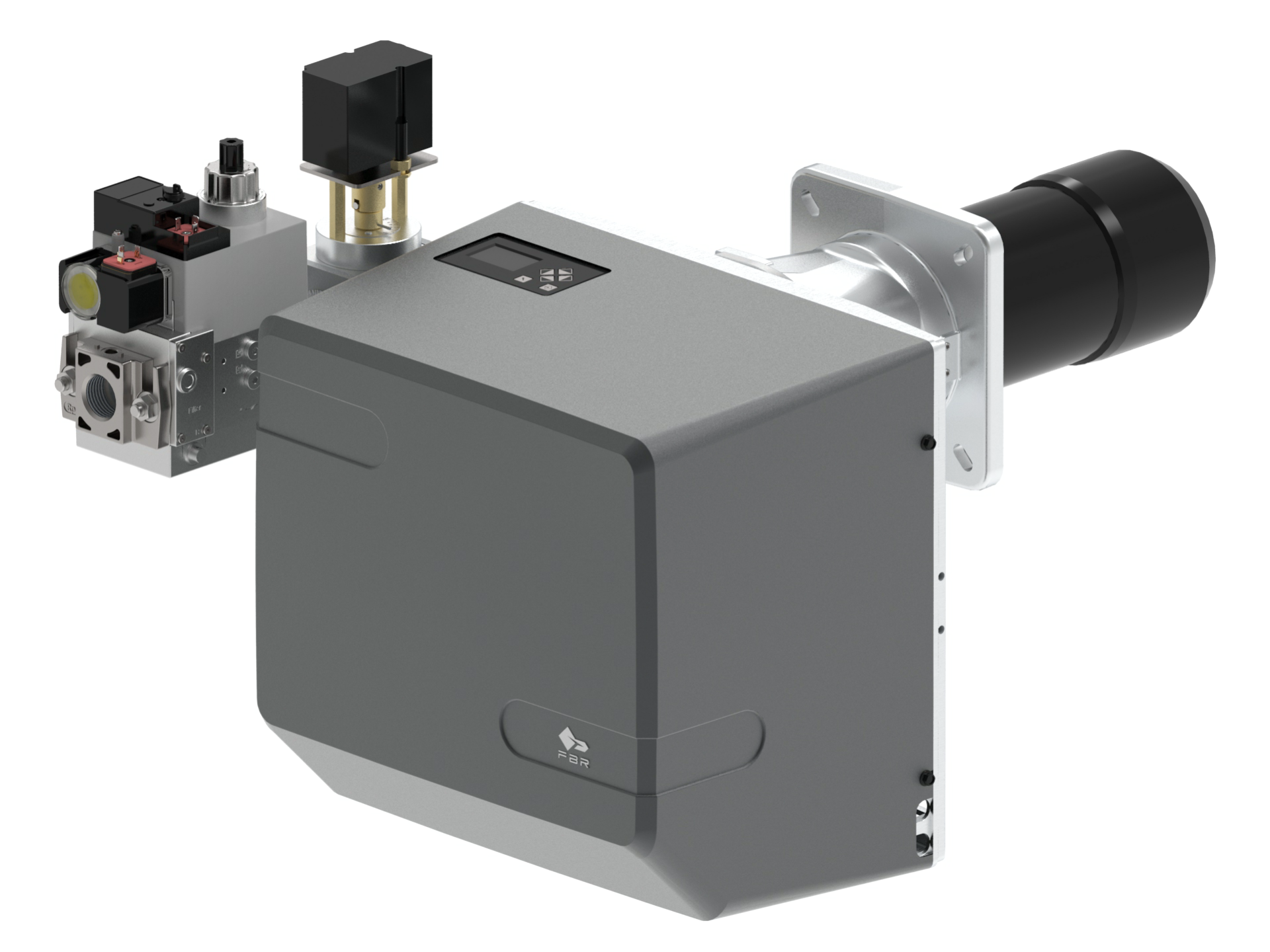
The FBR BURNER GAS X5/MF TL EL VC LPG represents modern modulating burner technology with PID-controlled combustion management. This advanced equipment demands sophisticated maintenance & service approaches that address both mechanical components and electronic control systems.
Pre-Season Maintenance & Service (Before Heating Cycles):
Conduct comprehensive maintenance & service before each operational season: Clean all air intake ports and combustion chamber. Remove and inspect the high-pressure fan assembly for debris accumulation and bearing wear. Verify electrode gap settings (typically 6-8mm) and inspect ceramic electrode insulators for cracks. Test flame detection circuits using burner manufacturer-approved diagnostic equipment. Calibrate modulation probe sensors to ensure accurate combustion control feedback. Verify all safety interlocks function correctly through manual activation testing.
Operational Monitoring and Maintenance & Service:
During heating seasons, implement continuous condition monitoring: Track flame stability parameters weekly. Monitor combustion gas analysis (O₂, CO, CO₂ percentages) monthly, comparing results against baseline data established during commissioning. For modulating burners, verify PID control loop response by observing load change behavior; sluggish modulation indicates probe contamination or electronic drift. Document modulation hunting (oscillation around target setpoint); if deviation exceeds ±5%, execute probe cleaning or electronic recalibration per manufacturer specifications.
Advanced Maintenance & Service Diagnostics:
Progressive maintenance teams employ acoustic monitoring to detect burner flame instability before visible degradation occurs. Ultrasonic sensors capturing combustion noise signatures provide early warning of air register misalignment, nozzle wear, or fuel supply pressure fluctuation. Many industrial facilities now integrate these data streams into predictive maintenance & service systems, using machine learning algorithms to forecast component failures 30-60 days in advance, enabling scheduled replacement during planned shutdowns rather than emergency repairs.
Expansion Tank and Pressure System Maintenance & Service
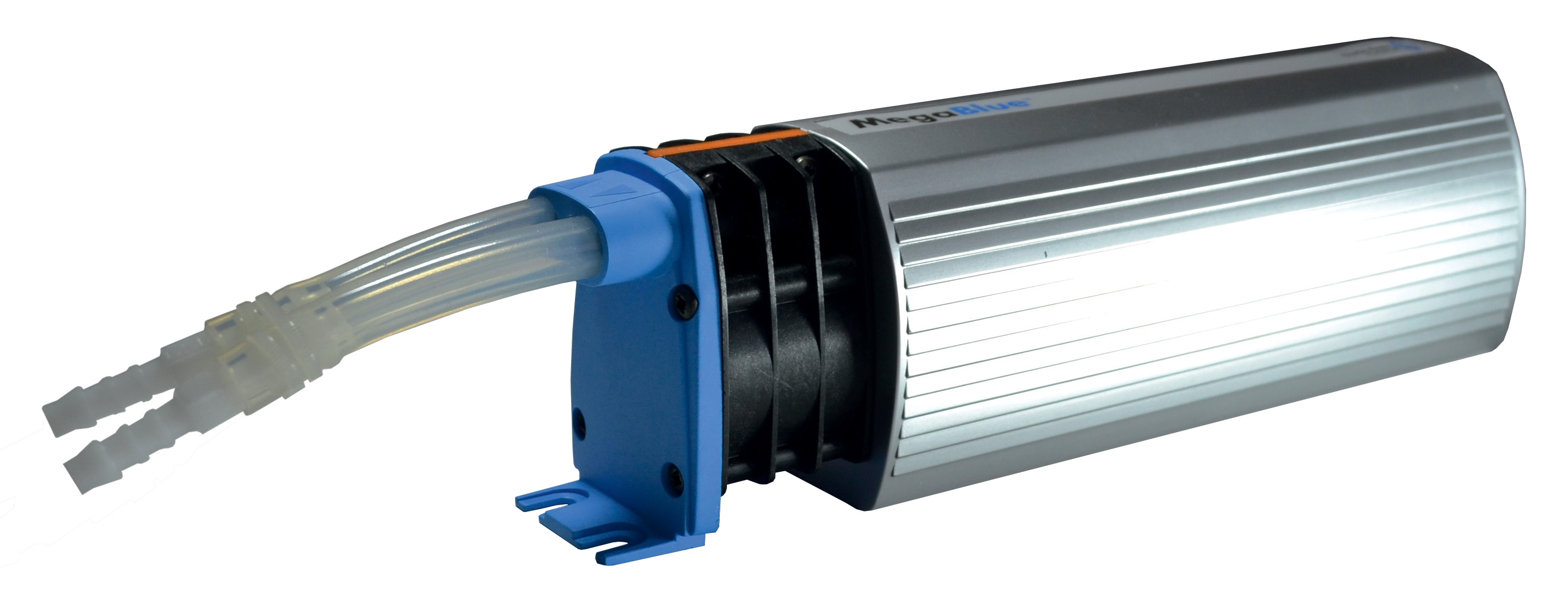
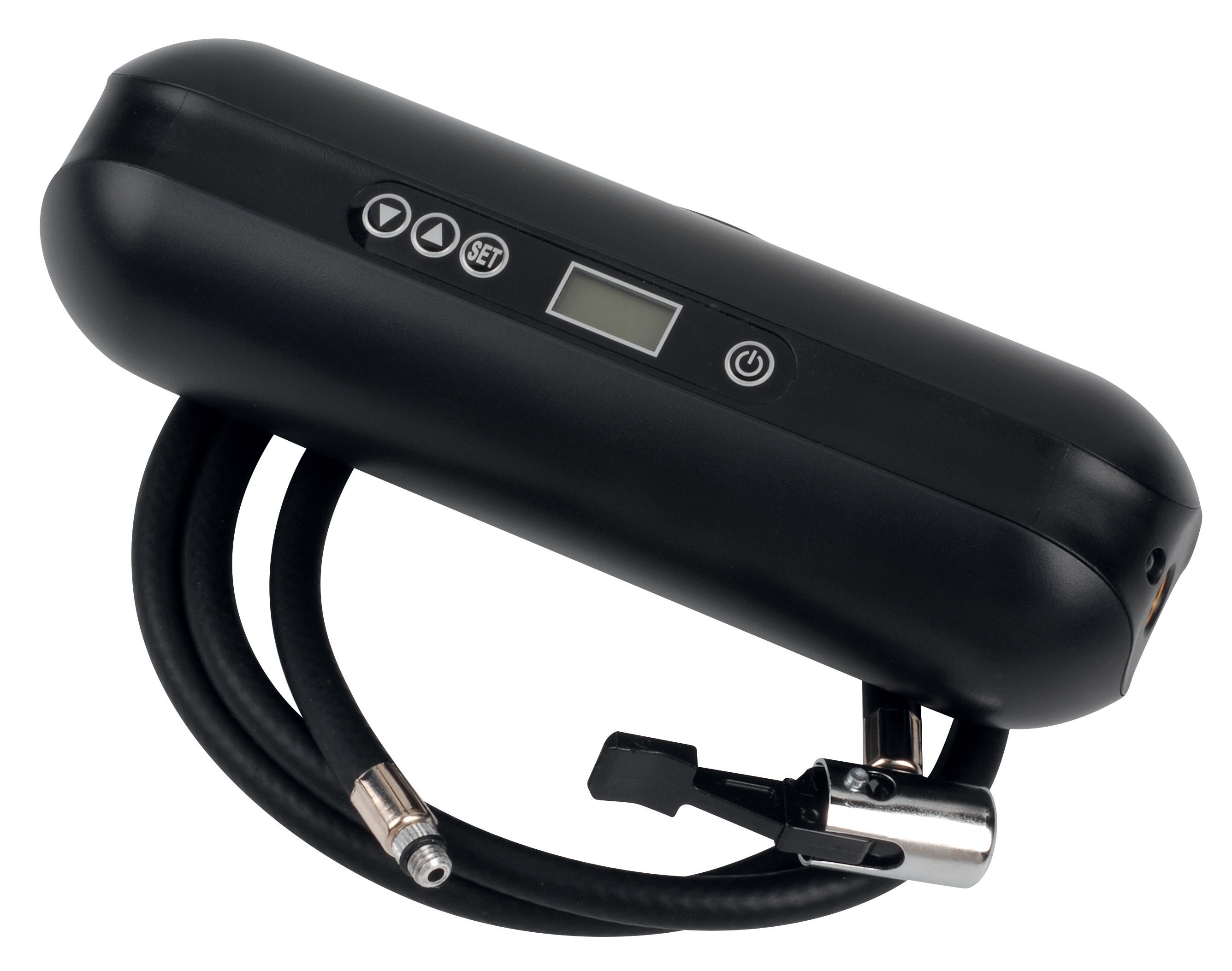
The CBM Expansion tank inflator battery 2000 mAH and CBM Megablue reservoir alarm + shut-off X87-813 form the pressure stabilization and safety backbone of heating systems. Maintenance & service of these components directly impacts system longevity and safety compliance.
Expansion Tank Maintenance & Service Protocol:
Expansion tanks maintain system pressure during thermal cycling, preventing overpressurization that can damage heat exchangers, piping, and boilers. Execute these maintenance & service procedures quarterly:
- Pressure verification: Measure pre-charge pressure (typically 0.5-1.5 bar for heating systems) using an accurate gauge calibrated to ±0.05 bar. If pressure has dropped >10% since last service, the tank bladder likely requires replacement.
- Inflation system inspection: Check the battery-powered inflator unit for corrosion and mechanical damage. Verify battery status; replace if voltage drops below 70% rated capacity.
- Thermal cycling simulation: For critical applications, perform maintenance & service load testing by heating the system to operating temperature and recording pressure rise. Pressure increase should correlate mathematically to fluid expansion; unexplained variance indicates internal tank leakage.
Reservoir Alarm and Safety System Maintenance & Service:
The Megablue reservoir alarm system provides critical overpressure protection and contamination detection. Monthly maintenance & service includes: Testing the audible alarm mechanism to ensure >80dB output. Verifying automatic shut-off valve functionality through manual activation. Inspecting fuel reservoir for water accumulation using moisture-detection paste. Cleaning intake vents to prevent moisture ingress. For facilities in high-humidity climates, increase inspection frequency to bi-weekly, as moisture contamination can accelerate internal corrosion and compromise fuel quality.
Professional maintenance & service teams document all pressure readings, alarm test results, and system response times in digital systems, creating audit trails essential for compliance with EN 676 (Safety of pressure equipment containing gas and liquid) and local regulatory requirements.
Developing a Maintenance & Service Schedule Aligned with Industry Standards
Effective maintenance & service cannot operate on fixed intervals alone. Condition-based maintenance combines scheduled inspections with performance monitoring, optimizing component replacement timing. This approach, endorsed by ISO 13373 (Condition monitoring and diagnostics), significantly outperforms calendar-based maintenance & service in high-reliability applications.
Recommended Maintenance & Service Intervals:
- Weekly: Visual inspection of burner operation, flame stability observation, fuel storage tank level check
- Monthly: Combustion analysis, nozzle condition assessment, alarm system functional testing
- Quarterly: Expansion tank pressure verification, fuel line inspection, electronic control system diagnostics
- Annually: Complete system disassembly and component replacement (nozzles, electrodes, fuel filters), third-party certification inspection
Implement digital maintenance & service tracking systems that correlate equipment runtime, thermal efficiency trends, and repair history. This data enables predictive analysis identifying components approaching failure thresholds, allowing proactive replacement before catastrophic breakdown occurs.
Maintenance & Service Documentation and Compliance
Comprehensive maintenance & service documentation serves dual purposes: operational intelligence and regulatory compliance. Maintain detailed records including:
- Equipment identification (serial numbers, installation dates, original specifications)
- Service dates and specific procedures executed
- Measurement data (pressures, temperatures, combustion analysis results)
- Component replacement records with part numbers and suppliers
- Identified anomalies and remedial actions taken
- Technician identification and qualifications
These records prove essential during insurance claims, regulatory audits, and warranty disputes. Progressive maintenance & service teams now integrate IoT sensors and cloud-based platforms to automate data collection, reducing manual documentation burden while improving accuracy and accessibility. This approach aligns with Industry 4.0 principles increasingly expected by major industrial operators and third-party certification bodies.
Key Takeaways: Maintenance & Service Excellence
- Preventive maintenance & service of heating system components reduces unplanned downtime by up to 45% and extends equipment lifespan by 30-50%
- Fuel nozzles require monthly visual inspection and quarterly performance validation; degraded nozzles reduce efficiency by 3-5%
- Gas burner modulation systems demand seasonal pre-service calibration and continuous operational monitoring of combustion parameters
- Expansion tank and safety system maintenance & service directly impact system pressure stability and safety compliance
- Condition-based maintenance combining scheduled inspections with performance monitoring outperforms fixed-interval maintenance & service
- Digital documentation of all maintenance & service activities provides operational intelligence and regulatory compliance evidence
Partner with 3G Electric for Professional Maintenance & Service Support
With 35+ years as an global industrial equipment distributor, 3G Electric provides more than products—we deliver maintenance & service expertise. Our technical specialists can evaluate your specific heating system configuration, recommend optimized maintenance & service intervals, and supply genuine replacement components when needed. Whether you operate in Singapore, Europe, Asia, or beyond, our network ensures consistent access to quality components and technical guidance aligned with your local regulatory requirements.
Contact 3G Electric today to discuss your facility's unique maintenance & service requirements and establish a comprehensive equipment care program that maximizes reliability, efficiency, and compliance.