
Understanding Measurement & Detection in Troubleshooting
Measurement & Detection systems form the diagnostic backbone of industrial operations. When equipment underperforms or fails, the right instruments tell you exactly what's happening inside your systems—before problems escalate into costly downtime.
With over 35 years of experience distributing industrial equipment, 3G Electric has seen countless situations where early detection prevented major failures. The difference between a quick fix and a production shutdown often comes down to having the right measurement tools on hand and knowing how to use them effectively.
In Singapore's demanding industrial environment—where humidity, temperature fluctuations, and high-pressure systems are common—reliable Measurement & Detection capabilities aren't optional. They're essential to keeping operations running smoothly.
Diagnosing HVAC System Problems with Pressure and Temperature Detection
Identifying Pressure Drop Issues
Pressure drop is one of the most common HVAC problems, and it's often invisible until system performance suffers. A differential pressure transmitter like the Dwyer 616KD-13V-TC gives you real-time pressure readings across critical points in your system.
Here's how to use it for troubleshooting:
Step 1: Establish baseline readings. When the system is operating normally, document the pressure differential across filters, coils, and ductwork. This becomes your reference point.
Step 2: Monitor changes over time. Rising pressure differentials indicate filter clogging or blockages. A 0–1 IN W.C measurement range covers most HVAC applications, making the 616KD-13V-TC ideal for detecting subtle changes before they affect efficiency.
Step 3: Pinpoint problem locations. Take measurements at multiple points—before and after filters, across heat exchangers, at damper locations. The barbed process connections support standard 3–5 mm tubing, making installation straightforward in tight spaces.
When pressure differential rises unexpectedly, you've found your problem area. This early detection prevents cascading failures: clogged filters force fans to work harder, reducing their lifespan and increasing energy costs.
Temperature Measurement for System Optimization
Temperature sensors do more than monitor comfort—they diagnose heat transfer problems, refrigerant issues, and control system failures. The Dwyer PT100 OHM RTD temperature probe provides ±0.6% accuracy, essential for detecting the small temperature variations that indicate problems.
Common troubleshooting scenarios:
- Coil fouling: Temperature differential across a heat exchanger should remain consistent. If it drops unexpectedly, the coil surface may be fouled. The probe's flexible copper capillary design allows easy installation in tight coil spaces.
- Refrigerant charge problems: Under-charged systems show wider temperature swings. Over-charged systems show minimal temperature change across the evaporator. The RTD's -35.5 to +115.5°C range captures these variations accurately.
- Control valve failure: If system temperature won't stabilize despite adjustments, a control valve may be stuck. Compare actual temperature readings to setpoints—discrepancies point directly to valve problems.
The flange-mounted design fits standard industrial installations, and the ±0.6% accuracy means you're detecting real problems, not measurement error.
Flow and Pressure Measurement for System Balancing
Using Flow Probes to Diagnose Distribution Problems
Uneven airflow distribution causes temperature differentials, comfort complaints, and inefficient operation. The Dwyer Metal average flow probe MAFS-16 measures static and total pressure across a 16 cm measurement section, giving you the data needed to balance your system.
Practical troubleshooting steps:
1. Verify actual versus design flow: Compare measured flow rates to system design specifications. Significant deviations indicate blockages, damper positions, or fan problems.
2. Identify ductwork problems: The probe's extended measurement length detects velocity pressure variations that reveal obstructions, leaks, or inadequate duct sizing.
3. Check fan performance: Reduced static pressure readings with normal fan speed suggest blade wear or bearing problems. The data helps determine whether cleaning or replacement is needed.
Flow measurement removes guesswork from balancing work. Instead of adjusting dampers by feel, you make decisions based on actual measured data.
Pressure Gauge Monitoring for Low-Pressure Systems
Not every measurement situation requires electronic transmitters. The Preciman stainless steel vertical pressure gauge D63 0/+40Mbar G1/4 provides direct visual feedback for low-pressure monitoring—essential for expansion tanks, condensate systems, and low-pressure steam applications.
When to use analog pressure gauges:
- Expansion tank pre-charge monitoring: Compare the gauge reading when the system is depressurized to the designed pre-charge pressure. Drops indicate air loss or bladder failure—problems you catch before they cause system damage.
- Visual trend monitoring: Technicians can spot unusual fluctuations at a glance. Rapid pressure oscillations suggest control valve hunting or pressure relief problems.
- Backup verification: Use analog gauges to verify electronic transmitter readings. Disagreements indicate transmitter failure or installation problems.
The stainless steel construction withstands Singapore's humid environment, and ±1.6% accuracy is sufficient for monitoring and diagnostics. G1/4 connections fit standard industrial applications.
Expansion Tank and System Pre-Charge Troubleshooting
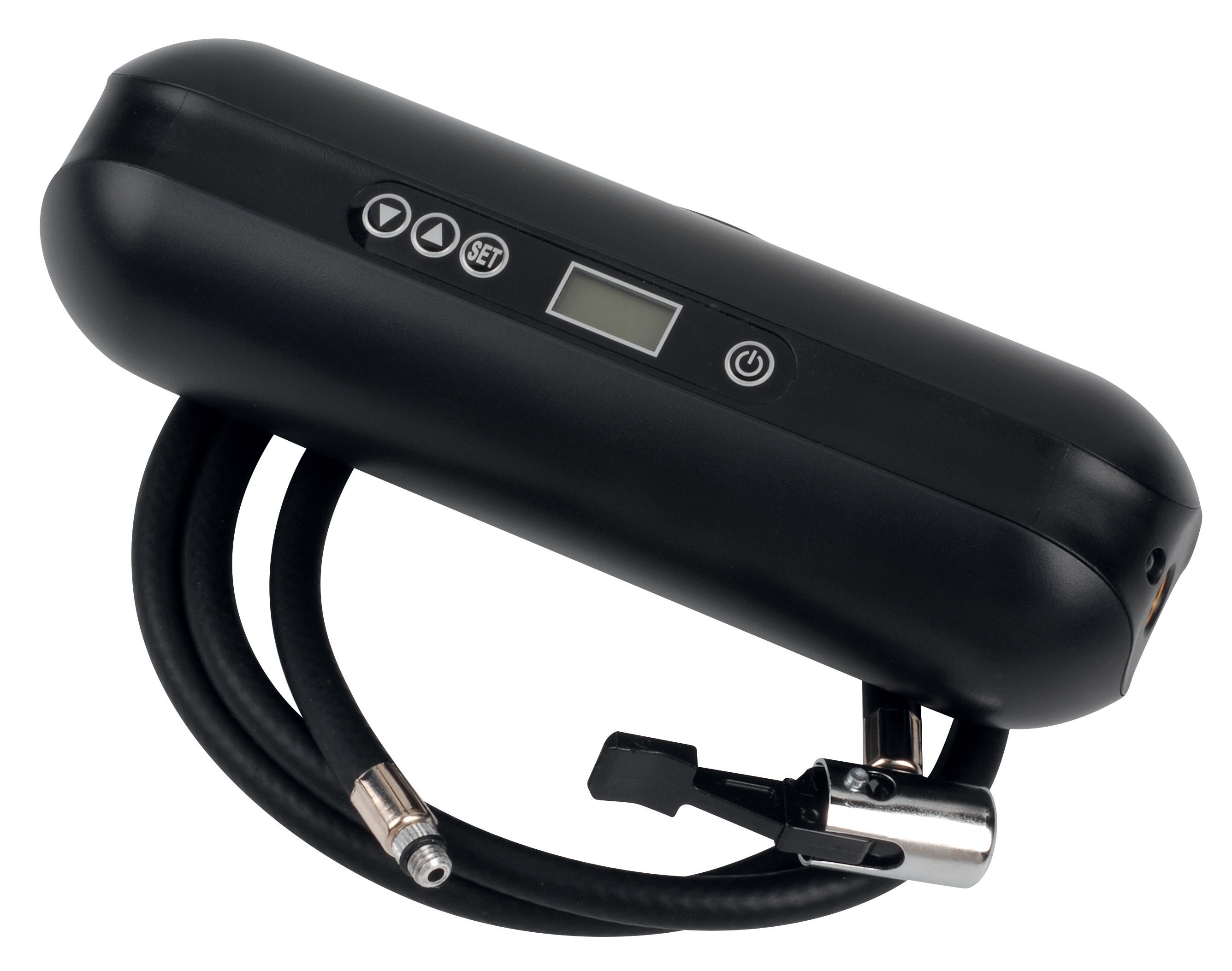
Expansion tanks fail silently until system pressure begins fluctuating wildly. The CBM expansion tank inflator battery 2000 mAH serves dual purposes: diagnosing tank problems and executing repairs.
Detecting Expansion Tank Failure
1. Depressurize the system completely. Isolate and drain the tank.
2. Measure actual pre-charge pressure. Use the inflator's integrated gauge (10.3 bar maximum) to read the air charge. Design specifications vary—check your system documentation—but typical ranges are 0.5–2.0 bar below minimum system pressure.
3. Compare to specification. Pre-charge pressure that's significantly below design indicates a slow air leak or failed bladder.
4. Monitor pressure stability. System pressure that rises and falls without load changes suggests the expansion tank bladder is ruptured, preventing proper volume compensation.
The 2000 mAH battery capacity provides enough power for multiple measurements and re-charging operations across your site. The -20 to 60°C operating range handles Singapore's environmental conditions.
Corrective Action Based on Measurements
Once you've detected a problem:
- Low pre-charge: Re-inflate to specification. Document the reading. If pressure drops again within days, the tank is leaking and needs replacement.
- Zero pre-charge: The bladder has failed completely. Replace the tank immediately.
- Erratic system pressure: Confirm expansion tank is functioning properly before troubleshooting other system components.
Early detection using proper measurement tools prevents catastrophic failures and the emergency repairs that follow.
Creating an Effective Troubleshooting Protocol
Systematic Diagnosis Approach
The most effective troubleshooting follows a systematic process:
1. Define the symptom clearly. "System not working" is too vague. "Heating output is 15% below design" or "temperature won't stabilize within 2°C of setpoint" gives you a measurable problem to address.
2. Establish baseline measurements. Take readings across multiple points—pressure at inlet and outlet, temperature at key locations, flow rates, electrical consumption. Baseline data reveals which measurement is out of specification.
3. Isolate problem sources. Progressive measurement narrows the problem area. If inlet pressure is normal but outlet pressure is high, the problem lies between those points.
4. Verify the root cause. Confirm your hypothesis with additional measurements. A high outlet pressure combined with rising differential pressure across a filter confirms clogging, not a valve problem.
5. Document findings. Record all measurements before, during, and after repairs. This documentation supports warranty claims, helps predict future failures, and improves maintenance planning.
Building a Measurement & Detection Kit for Your Operation
Effective troubleshooting requires having the right tools accessible. Based on 3G Electric's experience supporting Singapore industrial facilities, a complete measurement kit should include:
- Pressure transmitters for continuous system monitoring and live diagnostics
- Temperature probes for identifying heat transfer and control problems
- Flow measurement devices for system balancing and performance verification
- Analog pressure gauges for visual monitoring and backup verification
- Portable inflator tools for expansion tank and pneumatic system work
Keeping these tools calibrated and accessible means your technicians can diagnose problems in minutes, not hours. The difference in response time directly impacts your bottom line.
Practical Implementation in Singapore Industrial Environments
Singapore's industrial sector presents unique measurement challenges: high humidity requiring corrosion-resistant components, tropical temperatures affecting sensor accuracy, and 24/7 operation demanding reliable diagnostics.
3G Electric's 35-year history supporting Singapore facilities means our recommended products handle these conditions. Stainless steel gauges resist humidity corrosion. Temperature probes specify extended range for tropical environments. Transmitters feature low power consumption for permanent installation in remote monitoring systems.
When selecting Measurement & Detection equipment, consider:
- Accuracy requirements. Process critical applications need ±0.6% accuracy; general monitoring accepts ±1.6%.
- Environmental factors. Humidity, temperature extremes, and vibration affect measurement accuracy and equipment lifespan.
- Integration needs. Do you need analog output for legacy systems or digital connectivity for modern building management systems?
- Maintenance accessibility. Can technicians reach sensors easily? Can you replace components without shutting down the system?
The right measurement tools not only solve today's problems—they prevent tomorrow's failures, optimize energy consumption, and extend equipment life.