Understanding Measurement & Detection Challenges in Tropical Environments
Measurement & Detection systems in Southeast Asian industrial facilities operate under conditions that accelerate component degradation. High humidity (70-95%), rapid temperature fluctuations (25-40°C), salt-air corrosion, and particulate contamination create a perfect storm for sensor drift and signal loss. Drawing on 35+ years of experience distributing industrial equipment across Asia-Pacific, 3G Electric has observed that plants operating in these regions experience sensor accuracy loss 3-4 times faster than temperate climate facilities.
Plant managers frequently encounter puzzling scenarios: pressure transmitters reading 2-3% high, temperature probes drifting gradually over weeks, and expansion tank systems showing erratic pressure readings after humid seasons. These issues aren't equipment defects—they're environmental compatibility problems requiring targeted diagnostic approaches.
Diagnosing Humidity-Induced Sensor Drift in Pressure Measurement Systems
Differential pressure transmitters like the Dwyer 616KD-13V-TC are particularly vulnerable to humidity ingress at terminal connections. In tropical conditions, condensation penetrates even sealed connectors over 6-12 months, causing:
- Gradual zero-point drift: Readings shift 0.5-1.5 mbar upward without load changes
- Nonlinear signal degradation: Output jumps or stutters during morning humidity peaks
- Intermittent communication failures: 4-20 mA signal dropout during high-humidity periods
1. Document environmental baseline: Record facility temperature, humidity, and barometric pressure at three daily intervals (6 AM, noon, 6 PM) for one week. Southeast Asian facilities typically see 15-20°C temperature swings and 30-40% humidity variation across 24 hours.
2. Isolate the transmitter: Connect the 616KD-13V-TC to a reference pressure source (your facility's calibrated test gauge) and apply three static pressure points: 0%, 50%, and 100% of operating range. Record readings simultaneously on both instruments.
3. Perform the humidity isolation test: Seal the transmitter and its connector in a sealed plastic bag with silica gel desiccant for 24 hours, then retest at the same three pressure points. If readings correct by >0.5% accuracy, humidity is your culprit.
4. Check connector integrity: Inspect the barbed process connections for corrosion (green copper oxidation) or white crystalline deposits (salt residue). Remove covers and examine internal pins for moisture beading.
Corrective Actions:
- Apply dielectric grease to all terminal connectors quarterly in tropical regions (standard maintenance is annually)
- Install IP67-rated terminal boxes with desiccant cartridges rated for 2-month replacement cycles
- Route cable runs with slight downward slope to prevent water pooling, and use cable conduit with drainage holes at low points
- Schedule summer-season pressure transmitter verification in May-June before monsoon peaks
Temperature Probe Accuracy Loss and Thermal Response Delays
PT100 RTD temperature probes like the Dwyer AVG-21241 experience multiple failure modes in high-humidity tropical environments. The flexible copper capillary design, while practical for tight installation spaces, becomes a humidity pathway into the sensing element.
Common Symptoms Plant Managers Report:
- Slow temperature response (lag time increasing from 15 seconds to 40+ seconds)
- Offset drift of 0.8-2.0°C appearing gradually over 3-6 months
- Erratic readings during morning condensation periods
- Sensor reading 2-3°C higher than actual in outdoor air intake positions
1. Verify sensor installation location first: Temperature probes installed in direct solar exposure or high-air-velocity zones exhibit faster drift in tropical regions due to radiant heat absorption and enhanced evaporative cooling effects. Record the current probe location, solar exposure hours, and air velocity.
2. Perform the ice-bath calibration check: Remove the probe and submerge it fully in ice-water (0°C reference) for 5 minutes. Tropical facilities should use a 50/50 water-ice mixture to maintain 0°C in the higher ambient temperatures. Compare the transmitter readout to 0.00°C; drift >0.3°C indicates sensor contamination.
3. Conduct the warm-water verification: Submerge the same probe in precisely heated water at 50°C (use a calibrated thermometer or reference probe). Check response time: count seconds until the display stabilizes within ±0.2°C. Compare this to your baseline response time from commissioning records. Response time increase of >50% indicates capillary moisture absorption.
4. Inspect the sensing element housing: If the probe has a removable sensing element (common in Dwyer industrial designs), carefully unseal the protective cap. Look for white powder deposits or crystalline growth inside the capillary—this is moisture-induced oxidation of the RTD platinum element.
Recovery and Prevention Strategies:
- For existing probes showing <1.5°C drift, apply a drying protocol: place probes in a low-temperature oven (60-70°C) for 8-12 hours to remove absorbed moisture, then seal with food-grade silicone sealant around capillary entry points
- Install temperature probes with reflective radiation shields in outdoor air measurement locations; this reduces apparent drift by 0.4-0.8°C in tropical sun exposure
- Establish a 24-month probe replacement cycle for critical temperature control points (rather than 36+ months in temperate regions)
- Use glycerin-filled pressure gauges alongside electronic transmitters as a sanity-check reference
Pressure Gauge Degradation and Expansion Tank System Reliability
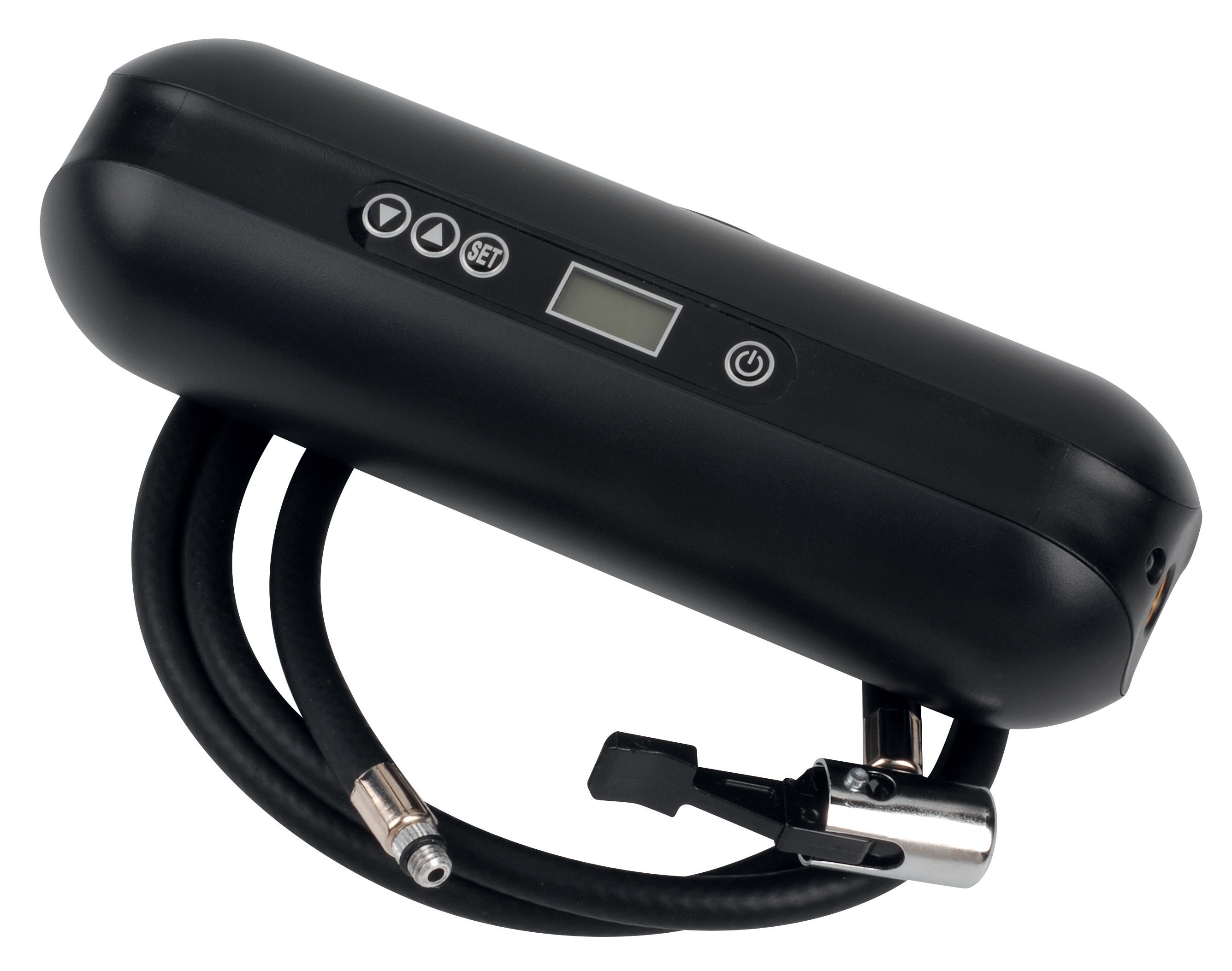
Mechanical pressure gauges and expansion tank systems represent the foundation of HVAC and heating reliability, yet they're often overlooked in troubleshooting procedures. The Preciman stainless steel vertical pressure gauge (63mm, 0/+40 mbar) and CBM expansion tank inflator (2000 mAH battery) are prone to humidity-related performance loss in Southeast Asia.
Expansion Tank Inflator Failures—Diagnostic Checklist:
The CBM expansion tank inflator with 2000 mAH battery relies on electrical continuity and accurate pressure feedback. In tropical facilities, failures typically manifest as:
- Battery discharge within 3-4 weeks despite low usage (versus 8-12 weeks in temperate climates)
- Inability to maintain set pressure (leaks increasing gradually over 2-3 months)
- Erratic pressure readings on system gauges after inflator use
1. Inspect battery contacts: Remove the battery from the inflator device and examine the positive and negative terminals with 10x magnification. Tropical facilities will show green corrosion (copper oxidation) within 8-12 months of standard storage. Clean with a pencil eraser using firm circular motions, then apply petroleum jelly to terminals for moisture protection.
2. Verify pressure calibration: After cleaning, reconnect the fully-charged battery and apply the inflator to a reference gauge (the Preciman 63mm gauge works well). Inflate to 5 bar, 10 bar, and 15 bar on the inflator's display. The reference gauge should match within ±0.2 bar. Drift >0.5 bar suggests internal pressure sensor failure requiring unit replacement.
3. Test battery voltage under load: Use a digital multimeter to measure voltage at the battery terminals with the device powered on but not inflating (no-load test should read ~3.0V for a healthy 2000 mAH battery in these devices). Reconnect and run the inflator for 30 seconds; voltage should not drop below 2.8V. Readings below 2.8V indicate battery capacity loss due to moisture ingress or cycling fatigue.
4. Examine the air connection for moisture: Disconnect the inflator's air hose and blow firmly through it into a white cloth or paper towel. Any moisture mist or water droplets indicate that tropical humidity has contaminated the internal air pathway—this creates pressure reading errors.
Maintenance Protocol for Tropical Regions:
- Store the CBM inflator device in a sealed container with fresh silica gel packets; replace packets monthly during monsoon season
- Remove and inspect the battery quarterly (every 3 months) rather than annually
- Store fully charged during seasonal shutdowns (dry seasons); tropical facilities should not store in discharged state
- Perform pressure system verification after humidity spikes (post-monsoon) before critical heating/cooling season
Flow Measurement and Probe Performance in High-Humidity HVAC Systems
Average flow probes like the Dwyer MAFS-16 metal average flow probe measure static and dynamic pressure across 16 cm sensing lengths. In tropical humid climates, moisture accumulation in the internal averaging tube creates:
- False high velocity readings (appearing as 10-15% flow overestimation)
- Sluggish response to actual flow changes
- Calibration drift that develops over 4-6 months rather than 12+ months
1. Perform a static pressure baseline: With the HVAC system OFF, connect the MAFS-16 static tap to a digital manometer. Record the reading; it should be approximately zero (within ±2 Pa). If it reads >5 Pa with system off, internal blockage from moisture-deposited dust is likely.
2. Compare against a secondary method: Connect a portable pitot tube (handheld reference instrument) at the same duct location as the MAFS-16. With the system operating at normal airflow, measure velocity at 5-6 points across the duct cross-section. Average these readings and compare to the MAFS-16 display. Discrepancy >8% suggests probe contamination.
3. Inspect for physical blockage: If accessible, visually inspect the probe's averaging tube entry points for dust cake (whitish buildup) or visible moisture. This is normal in tropical climates and requires cleaning every 3-4 months rather than 6-8 months in temperate regions.
Cleaning and Recalibration:
- For the MAFS-16, flush the averaging tube with compressed air (at least 3 bar) in short pulses, working from the downstream end toward the upstream end to avoid moisture re-deposition
- After cleaning, verify zero-pressure reading again; if it now reads within ±1 Pa, the probe is restored
- Establish a quarterly cleaning schedule for all averaging and impact probes during monsoon season (May-October in most Southeast Asian regions)
Implementing a Tropical Climate Measurement & Detection Maintenance Schedule
Plant managers operating in Southeast Asia must adopt preventive maintenance cycles shorter than global equipment manufacturer recommendations. Based on 35+ years of regional experience, 3G Electric recommends:
Monthly Tasks (Monsoon Season Only: May-October):
- Visual inspection of all transmitter and probe connector covers for moisture beading or algae growth
- Battery voltage check for portable measurement devices and inflators
- Visual examination of pressure gauge faces for internal fogging (indicates seal failure)
- Pressure transmitter functional verification against calibrated reference standards
- Temperature probe ice-bath and warm-water checks
- Cleaning of flow probes and averaging tubes
- Desiccant cartridge replacement in terminal boxes and sensor enclosures
- Full calibration service for all critical measurement points (use certified external lab for accuracy traceability)
- Replacement of all dielectric grease on connectors
- Inspection and potential replacement of flexible sensor capillaries showing discoloration
- Strategic replacement of oldest probes and transmitters (plan 3-4 year lifecycle rather than 5-6 year)
- Recalibration of pressure gauges and comparison against mechanical reference instruments
- System-wide sensor mapping to identify drift patterns by location and installation date
3G Electric maintains regional service partnerships across Southeast Asia to support these maintenance programs. Our 35+ years serving this market means we understand the specific corrosion, humidity, and environmental challenges your facility faces—and which equipment and maintenance schedules actually work in practice.