
Why Measurement & Detection Equipment Matters for HVAC Operations
Singapore's tropical climate puts continuous stress on HVAC and heating systems. Plant managers operating in this environment understand that reactive maintenance is costly—unplanned equipment failures disrupt operations and inflate energy bills. The right Measurement & Detection equipment provides early warning signs of system problems before they escalate into expensive downtime.
With over 35 years of experience distributing industrial equipment across Asia, 3G Electric has seen how proper monitoring transforms maintenance practices. Plant managers who invest in quality Measurement & Detection tools typically report 15-20% improvements in system efficiency and significantly reduced emergency service calls.
The challenge isn't whether to measure—it's what to measure and how to measure it effectively. This comparison focuses on four practical solutions that address the most common HVAC monitoring scenarios plant managers face daily.
Pressure Measurement: Two Approaches for Different Needs
Analog Pressure Gauges for Direct Observation
The Preciman Stainless Steel Vertical Pressure Gauge (0/+40 mbar) represents the traditional approach to pressure monitoring. This gauge features a 63mm dial, G1/4 connection, and ±1.6% accuracy—specifications that matter when you're standing in front of the equipment making real-time decisions.
Practical advantages for plant managers:
- Immediate visual feedback without electronics or power requirements
- Stainless steel construction handles Singapore's humid environment without corrosion concerns
- Direct mounting to system connections provides reliable readings at the point of measurement
- No calibration drift or electronic failures to complicate troubleshooting
- Low maintenance—often the most reliable option for facilities with limited technical support
This gauge works best for continuous monitoring applications where you need operators to quickly identify pressure fluctuations. In a typical chiller system, the gauge shows whether pressure is within normal operating range without requiring any additional infrastructure.
Electronic Pressure Transmitters for System Integration
The Dwyer Differential Pressure Transmitter (616KD-13V-TC) takes a different approach, converting pressure readings into electronic signals that integrate with building management systems (BMS) or automated controls.
Practical advantages for plant managers:
- Remote monitoring from central control rooms without physical equipment presence
- Alarm capabilities alert staff when pressure drifts outside acceptable ranges
- Integration with BMS enables automated responses (shutdowns, speed reductions) before failures occur
- Historical data logging reveals pressure trends over days and weeks
- Low power consumption (21 mA maximum) fits within typical BMS infrastructure
This transmitter measures differential pressure in the 0–1 IN W.C. range with barbed connections for 3–5mm tubing—perfectly suited for HVAC ductwork, filter monitoring, and blower measurements. Plant managers operating multiple systems benefit from centralized pressure monitoring that reduces manual checking rounds.
When to choose each: Use the analog gauge for individual equipment that needs instant operator feedback. Deploy the transmitter when you're monitoring system networks and need automated alerts integrated with facility controls.
Temperature Measurement for Process Control and Diagnostics
PT100 RTD Probes for Accurate Temperature Monitoring
The Dwyer PT100 OHM RTD Temperature Probe (L.65 AVG-21241) provides industrial-grade temperature measurement across a -35.5 to +115.5°C range with ±0.6% accuracy at 0°C.
Why plant managers specify this probe:
- PT100 sensors are industry standard—compatible with virtually all control systems and data loggers
- Flexible copper capillary design allows installation in confined spaces where rigid probes won't fit
- ±0.6% accuracy means temperature-dependent equipment operates at optimized efficiency
- Wide temperature range covers both heating (winter operation) and cooling (tropical conditions) scenarios
- Flange clip mounting provides secure positioning without permanent installation modifications
In HVAC applications, accurate temperature measurement prevents efficiency losses and equipment damage. A chiller system operating 2-3°C warmer than setpoint wastes significant energy across a month. The PT100 probe catches this drift early, enabling corrective maintenance before inefficiency becomes critical.
Practical installation consideration: The flexible capillary allows positioning at the exact measurement point—outlet temperatures where they matter most—without requiring expensive ductwork modifications.
Flow Measurement for System Diagnostics
Multi-Function Flow Probes for HVAC Verification
The Dwyer Metal Average Flow Probe (MAFS-16) measures both static and total pressure across 16cm of probe length, enabling plant managers to verify actual airflow against system design specifications.
Key diagnostic capabilities:
- Simultaneously measures static and dynamic pressure for airflow calculation
- 16cm sensing length averages pressure across ductwork to eliminate false readings from non-uniform flow patterns
- Metal construction withstands vibration and temperature cycling in active HVAC ducts
- Simple two-port connection integrates with standard pressure measurement tools
Plant managers use this probe to verify that blowers are delivering designed airflow—a critical check after maintenance work, filter changes, or when system performance drifts. Many cooling system problems actually stem from inadequate airflow rather than refrigerant issues. This probe identifies those problems quickly.
Practical workflow: Connect the flow probe to your Dwyer transmitter or a handheld manometer. Record both static and total pressure. Compare results to your system design specifications. Deviations indicate blockages, ductwork leaks, or blower degradation requiring attention.
System Preparation: The Battery-Powered Inflator
Expansion Tank Maintenance Often Overlooked
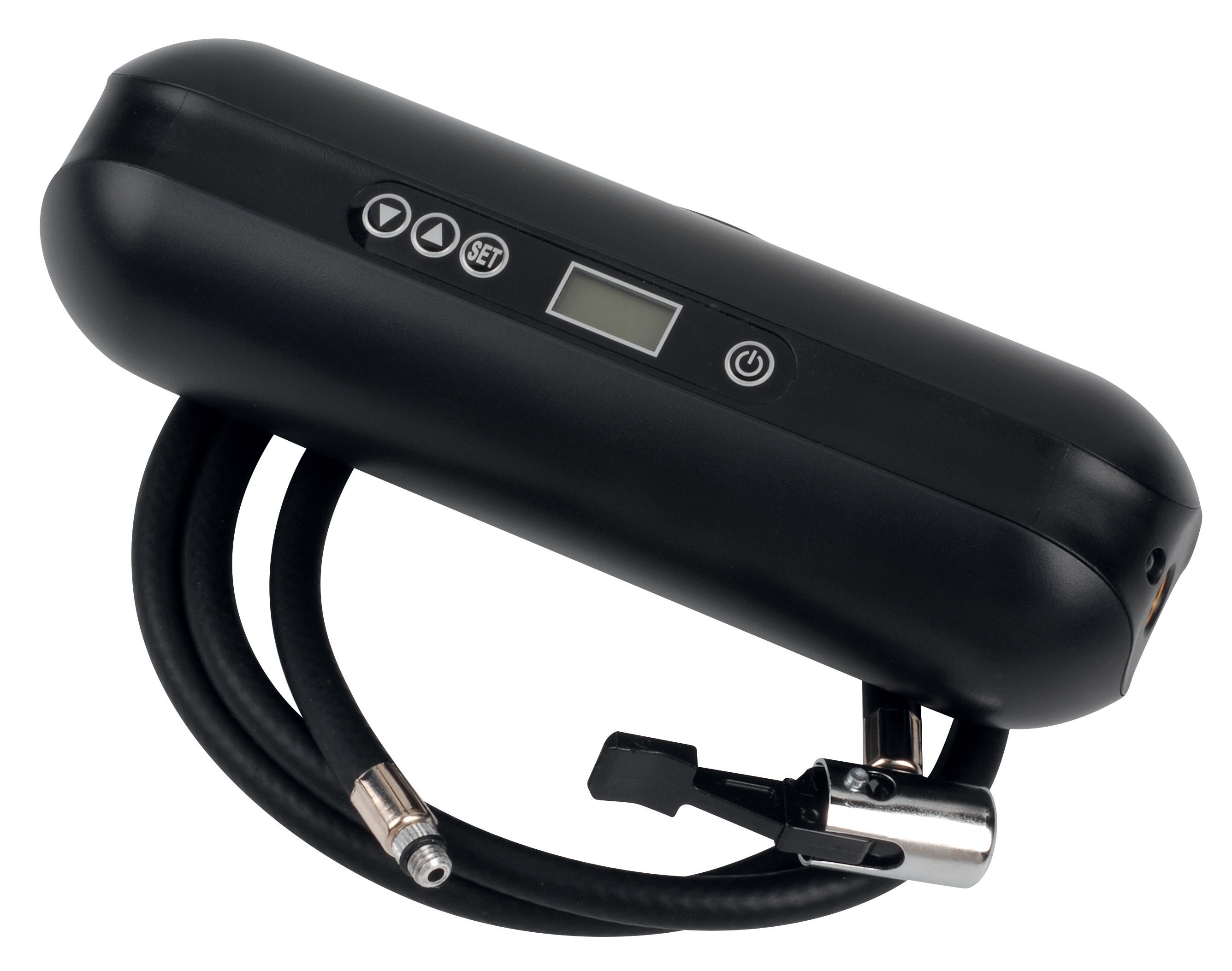
The CBM Expansion Tank Inflator (2000 mAH Battery) addresses a maintenance task many plant managers underestimate: proper expansion tank precharge maintenance.
Why this matters:
- Expansion tanks lose precharge pressure over years of operation, reducing system efficiency
- Low precharge forces unnecessary pump work and increases temperature cycling
- Proper precharge (typically 0.9 bar for cooling systems) maintains optimal system dynamics
- 2000 mAH battery provides multiple inflation cycles per charge
- Rated to 10.3 bar maximum pressure handles both low-pressure (HVAC) and medium-pressure (hydronic) systems
- -20 to 60°C operating range covers equipment storage and tropical operating conditions
- Multiple pressure unit display (bar, PSI, kPa) prevents conversion errors
Plant managers often defer expansion tank maintenance because they can't see its effects directly. However, a 20% drop in precharge pressure can increase system energy consumption 5-8%. Including this tool in quarterly maintenance rounds costs little but pays dividends in efficiency.
Selecting Your Measurement & Detection Strategy
Assessment Questions for Your Facility
For standalone equipment monitoring (chillers, boilers, individual units):
Start with the Preciman pressure gauge and Dwyer temperature probe. These tools provide essential monitoring without requiring building system integration. Cost-effective and reliable for basic preventive maintenance.
For networked systems (central plants, multi-zone HVAC):
Invest in the Dwyer transmitter for pressure and temperature probes integrated with your BMS. The initial investment in infrastructure pays back through reduced manual monitoring and automated fault detection.
For diagnostic investigations (troubleshooting performance issues):
Add the flow probe to your toolkit. When a system underperforms, flow measurement quickly differentiates between pressure problems, flow problems, and temperature control issues.
For comprehensive system maintenance:
Implement all four tools—each addresses different aspects of HVAC reliability. The analog gauge provides continuous operator awareness, transmitters enable automated monitoring, temperature probes verify process conditions, and the flow probe diagnoses system performance.
Implementation Timeline for Singapore Operations
Plant managers with limited budgets can phase implementation:
Month 1: Deploy pressure gauges on critical equipment (chillers, boilers) and temperature probes at key monitoring points. Cost: modest, benefit: immediate visibility.
Months 2-3: Integrate pressure transmitters with building controls if your facility has BMS capability. This enables after-hours monitoring without dedicated staff.
Month 4: Add flow probe to maintenance toolkit and conduct system verification measurements on all major HVAC units.
Ongoing: Establish quarterly calibration and maintenance schedule for all instruments. In Singapore's corrosive humid environment, regular inspection prevents measurement drift.
Why 3G Electric Supports This Approach
With 35+ years distributing industrial equipment across Asia-Pacific operations, 3G Electric understands the specific challenges Singapore plant managers face: year-round cooling demands, high humidity requiring corrosion-resistant equipment, and the need for reliable suppliers who understand local conditions.
Our role is straightforward—supply quality Measurement & Detection equipment that enables effective preventive maintenance. We stock transmitters, probes, gauges, and specialty tools from manufacturers with proven reliability records. More importantly, we help you match equipment to your specific facility requirements, whether you're operating a single facility or managing a network across Singapore's industrial estates.
Effective Measurement & Detection isn't about having the most sophisticated instruments—it's about having the right instruments for your operational needs, installed consistently, and maintained regularly. That's the foundation of systems that run reliably and efficiently.
Getting Started
Plant managers looking to improve their HVAC monitoring should:
1. Audit which systems currently lack adequate measurement (identify gaps)
2. Identify which equipment causes the most downtime or consumes excessive energy (prioritize high-impact areas)
3. Determine whether you need manual gauges, automated transmitters, or both (match to your infrastructure)
4. Select equipment that matches your technical capability and maintenance resources (ensure you can sustain the program)
5. Establish measurement locations, documentation procedures, and response protocols (create sustainable process)
Contact 3G Electric for equipment selection assistance. Our technical team helps plant managers in Singapore specify measurement solutions that integrate with existing systems and support your facility's long-term reliability goals.