Understanding Integrated Pressure Regulation in Modern Industrial Systems
Pressure regulation forms the backbone of reliable industrial operations, yet maintenance approaches often remain reactive rather than strategic. Maintenance & Service excellence for pressure systems demands a shift toward integrated diagnostics that monitor not just individual regulators, but the entire downstream ecosystem they protect.
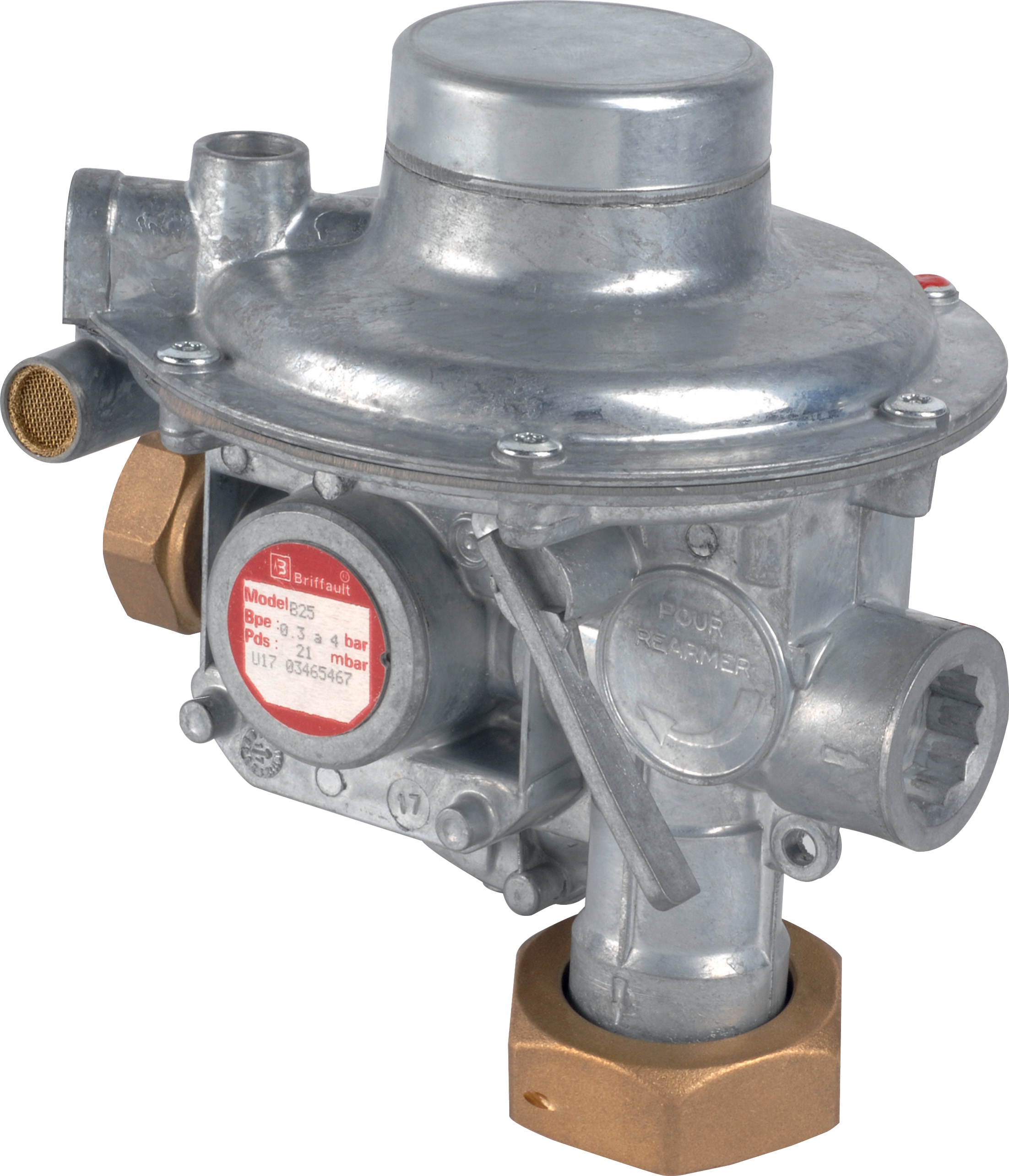
At 3G Electric, with over 35 years of experience supplying industrial equipment across Southeast Asia, we've observed that most equipment failures stem not from catastrophic regulator failure, but from preventable cascading issues in connected components. When a pressure regulator like the Francel B25/37mb with integrated safety relief operates within a system lacking proper upstream and downstream maintenance protocols, even premium-engineered equipment cannot deliver expected performance longevity.
Integrated pressure regulation systems—combining regulators, safety relief mechanisms, distribution piping, and downstream application equipment—require holistic maintenance strategies that address interaction points rather than isolated components. This systems-thinking approach directly impacts plant uptime, operational efficiency, and safety compliance across Singapore's diverse industrial sectors.
Diagnostic Frameworks for Pressure Regulation System Health
Pre-Operation Inspection Protocol
Before any Maintenance & Service intervention, establish a baseline understanding of system behavior. Plant managers should implement a three-tier diagnostic approach:
Tier 1: Visual and Tactile Assessment
Inspect regulator external surfaces for corrosion, weeping seals, or discoloration indicating internal pressure cycling stress. Check for moisture accumulation around inlet connections—a primary failure precursor in Singapore's high-humidity environment. Verify that safety relief vent lines remain unobstructed; blockages can prevent proper overpressure response.
Tier 2: Pressure and Flow Characterization
Using calibrated pressure gauges positioned immediately upstream and downstream of the regulator, establish baseline readings under operational load. Document outlet pressure stability across a 30-minute operational cycle. Fluctuations exceeding ±2 bar typically indicate internal seat degradation or spring fatigue requiring component replacement. For systems like the Francel B25/37mb delivering 37 mbar outlet pressure, such precision is non-negotiable for process-critical applications.
Tier 3: System Response Testing
During scheduled maintenance windows, simulate demand surge by briefly increasing downstream flow. Quality regulators should stabilize outlet pressure within 2-3 seconds. Delayed response or excessive overshoot indicates valve seat wear or pilot signal problems—early warning signs that component replacement should be prioritized before catastrophic failure.
Response Characteristics in Singapore's Operating Environment
Tropical climates introduce specific diagnostic considerations. Temperature fluctuations between air-conditioned indoor facilities and outdoor ambient conditions (24–35°C) cause regulator pilot springs to drift slightly. Monthly baseline pressure logging reveals whether drift remains within manufacturer tolerances or signals accelerated aging requiring intervention.
Salinity and humidity in coastal industrial zones accelerate external corrosion on regulator bodies and connection fittings. Implement annual flushing protocols for systems exposed to salt-laden air, particularly in petrochemical, marine service, and food processing applications common across Singapore's industrial landscape.
Component-Specific Maintenance Strategies
Safety Relief Valve Integration
The integrated safety relief on the Francel B25/37mb requires dedicated maintenance attention separate from primary regulation functions. Safety relief valves demand cracking pressure verification at minimum annually—preferably quarterly for critical applications.
Bench Testing Protocol: Remove the safety relief cartridge during scheduled maintenance and subject it to hydrostatic testing using a dedicated relief valve test stand. Verify cracking pressure against manufacturer specifications (typically ±3% tolerance). Document all results; this creates a maintenance history that demonstrates regulatory compliance and protects plant operations from liability in incident investigations.
Do not rely on field testing alone. Bench verification confirms that internal poppet sealing surfaces remain undamaged and spring preload remains stable. Corrosion byproducts and microscopic debris accumulation in confined valve bodies escape detection during operational field tests.
Downstream Spray and Application System Care
Pressure regulation maintains system integrity only when downstream components receive parallel maintenance attention. For industrial spray systems incorporating Euspray flat jet nozzles with 25° spray angle and 1/4" M BSPT connection, pressure regulator settings mean nothing if nozzle orifices become partially blocked.
Nozzle Maintenance Cadence: Depending on fluid type and operating hours, nozzle inspection should occur every 250–500 hours of operation. Remove nozzles during scheduled shutdowns and rinse thoroughly with compatible solvents. Use compressed air at moderate pressure (never exceeding 4 bar) to clear internal passages. Severely blocked nozzles should be replaced rather than aggressive cleaning, which risks dimensional damage to the precision spray orifice.
Document nozzle replacement intervals and specific reasons for replacement (blockage type, degraded spray pattern, etc.). This historical data reveals whether upstream filtration or fluid handling practices require modification.
High-Pressure Pump System Integration
When pressure regulation systems feed industrial pumps—such as the Pratissoli KF30 delivering 106 L/min at 200 bar or the Pratissoli MW40 at 211 L/min and 210 bar—regulator health directly impacts pump longevity. Excessive inlet pressure fluctuation causes pump cavitation and accelerated wear on internal displacement mechanisms.
Pump Inlet Pressure Stability: Maintain inlet pressure within manufacturer specifications using precision regulators. For the Pratissoli KF and MW families, stable inlet conditions extend seal life and reduce periodic maintenance costs by 30–40% versus operations experiencing pressure instability.
Implement monthly inlet pressure logging downstream of the regulator but upstream of the pump. Any trend toward rising minimum pressures indicates regulator degradation requiring replacement within 30 days. Delaying intervention risks catastrophic pump failure, which costs substantially more than proactive regulator replacement.
Compact Gear Pump Considerations
When deploying compact industrial gear pumps like the Interpump PUMP E1D1808 L at 8 L/min and 180 bar, upstream pressure regulation becomes critical to preventing seal failure in confined spaces. The compact geometry of these pumps leaves minimal tolerance for pressure surge events.
Seasonal and Environmental Maintenance Protocols for Singapore Operations
Monsoon Season Precautions
Singapore's monsoon periods (December–March and June–September) introduce elevated ambient humidity and occasional waterborne contamination. Increase inspection frequency for regulator vent lines and safety relief exhaust paths. Water ingestion into pilot signal passages creates corrosion and functional degradation within 4–6 weeks.
During monsoon season, schedule pressure regulator inspection monthly rather than quarterly. Verify that vent ports are fitted with moisture-blocking breathers (typically sintered bronze or hydrophobic membrane designs). Replace breathers showing visible discoloration annually.
Year-Round Humidity Management
Beyond monsoon season, Singapore's baseline humidity (70–90%) accelerates internal corrosion in regulators and connected systems. Implement desiccant drying protocols for pilot signal cavities during preventive maintenance intervals. Use silica gel cartridges or equivalent moisture-absorbing media when disassembling regulator bodies for internal inspection.
Spare Parts Strategy and Supply Chain Integration
With 35 years' experience as a distributor of industrial equipment, 3G Electric understands that effective Maintenance & Service requires reliable access to verified replacement components. Plant managers should maintain spare inventory for critical pressure regulation components, particularly:
- Complete regulator cartridge assemblies (primary seat, poppet, spring as matched sets)
- Integrated safety relief valve cartridges for models like the Francel B25/37mb
- Pilot signal line fittings and tubing (stainless steel preferred for corrosion resistance)
- Inlet strainers and filter elements upstream of regulators
Stocking 2–3 complete replacement regulator units ensures that catastrophic failure need not cause extended downtime. Repair turnaround for non-standard components can require 2–4 weeks; maintaining ready inventory transforms potential crisis situations into scheduled maintenance events.
Documentation and Compliance Framework
Maintenance Record Architecture
Establish a standardized maintenance log capturing:
For Each Inspection:
- Date, time, operating pressure (upstream/downstream), ambient temperature, humidity
- Visual condition observations (corrosion, seal weeping, debris)
- Any adjustments made and justification
- Next scheduled inspection date
- Reason for replacement (scheduled service, functional failure, pressure drift, etc.)
- Original component hours-in-service and manufacturing date
- Replacement part number, serial number, installation date
- Baseline pressure readings post-installation
This documentation demonstrates due diligence in regulatory environments and provides diagnostic insights for failure root-cause analysis when anomalies occur.
Regulatory Alignment
Singapore's Workplace Safety and Health (General Provisions) Regulations require that equipment subject to pressure be maintained in safe working condition. Maintenance & Service documentation directly supports regulatory compliance. Annual third-party audits of pressure system maintenance records provide objective verification of program effectiveness.
Practical Implementation Roadmap
Plant managers implementing enhanced Maintenance & Service protocols should follow this sequence:
Month 1-2: Establish baseline diagnostic data for all pressure regulation systems. Document current practices and identify deviations from manufacturer specifications.
Month 3-4: Develop standardized inspection procedures tailored to your specific equipment models. Train maintenance staff on diagnostic protocols and documentation requirements.
Month 5-6: Implement first preventive maintenance cycle using refined protocols. Establish spare parts inventory based on component failure history analysis.
Ongoing: Execute monthly inspections with quarterly deep-dives for critical systems. Review maintenance data quarterly to identify trend patterns and optimize inspection intervals.
This structured approach transforms pressure regulation from a reactive troubleshooting function into a strategic asset management discipline that directly impacts operational reliability and total cost of ownership.
3G Electric's technical team remains available to support system assessment, spare parts sourcing, and maintenance protocol development for pressure regulation systems across industrial applications in Singapore and throughout Southeast Asia.