Understanding Integrated Fluid System Maintenance & Service Architecture
Maintenance & Service excellence in modern industrial operations extends beyond individual component care—it requires a systems-level perspective where pumps, pressure regulators, spray nozzles, and fluid delivery networks function as interdependent elements. For procurement engineers managing operations across Singapore's diverse industrial landscape, this integration is critical to achieving both operational reliability and cost efficiency.
At 3G Electric, our 35+ years of experience distributing industrial equipment has demonstrated that component failures rarely occur in isolation. A degraded pressure regulator creates upstream stress on pump systems. Worn spray nozzles generate pressure inconsistencies that damage downstream components. Fluid contamination that bypasses a single regulator valve can cascade through an entire network. Understanding these interconnections transforms Maintenance & Service from reactive troubleshooting into proactive systems engineering.
The financial impact is substantial. Unplanned downtime in Singapore's manufacturing, petrochemical, and food processing sectors costs between SGD 5,000–50,000 per hour depending on industry. A coordinated Maintenance & Service strategy reduces emergency repairs by 40–60% while extending component lifecycles by 25–35%, translating to annual savings of 15–25% on maintenance budgets for mid-sized operations.
Lifecycle Planning: Synchronizing Component Replacement Cycles
Effective Maintenance & Service planning requires mapping component lifecycles across your entire fluid system architecture. This means moving beyond manufacturer specifications to understand how components degrade in your specific operational environment—ambient humidity in Singapore's tropical climate, fluid quality in your supply chain, duty cycle intensity, and system interconnections.
Establishing Baseline Operating Parameters
Begin by documenting baseline performance metrics for each major component:
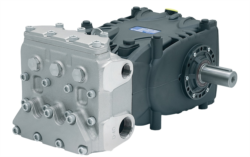
- High-performance industrial pumps like the Pratissoli KF30 (106 L/min, 200 bar) or Pratissoli MW40 (211 L/min, 210 bar) typically deliver 8,000–12,000 operating hours before planned overhaul. However, this assumes consistent inlet fluid temperature (15–50°C), filtration to ISO 18/16/13 standards, and pressure cycling within rated parameters. In high-temperature environments or with inadequate filtration, expect 30–40% reduction in baseline lifecycle.
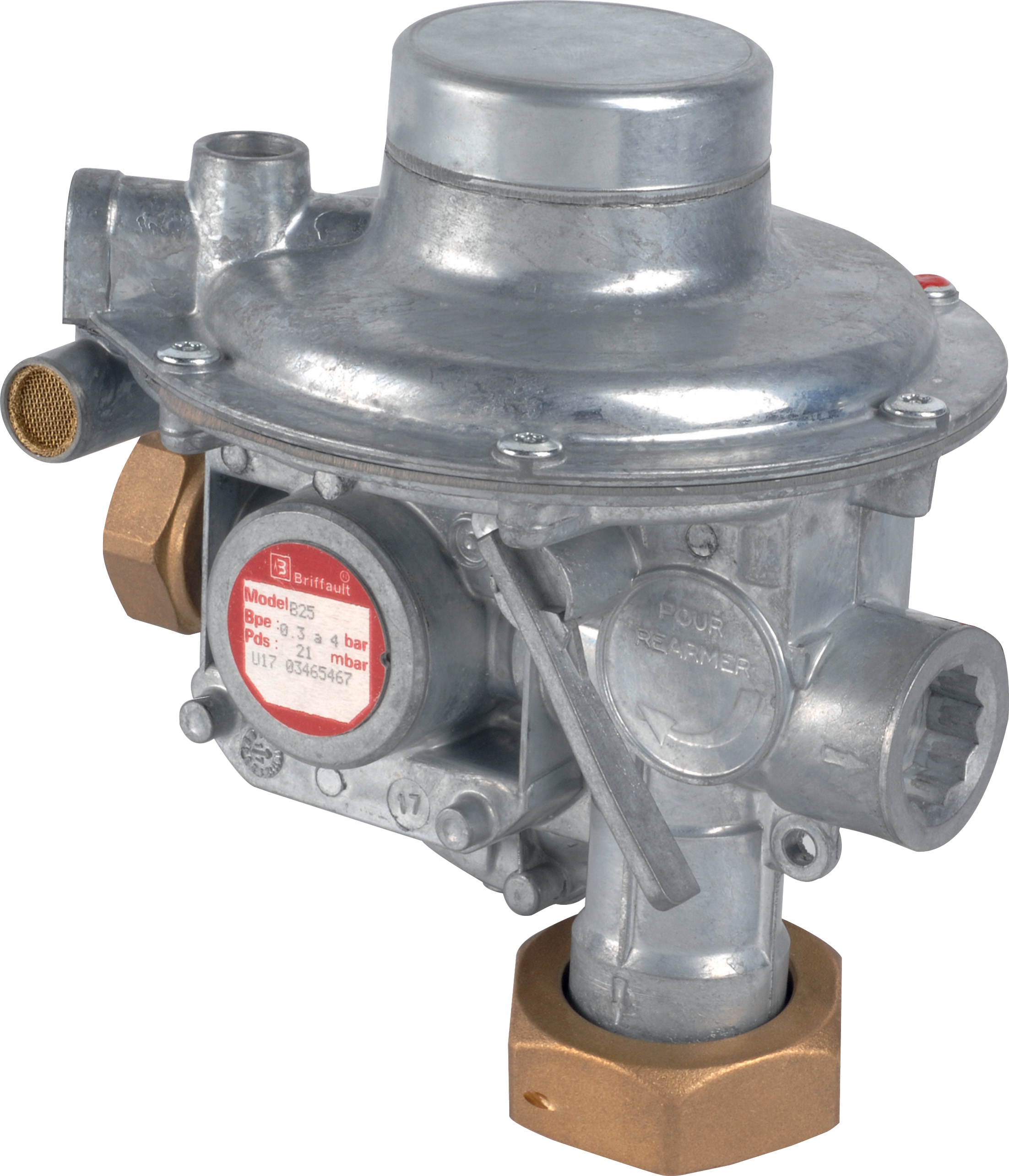
- Pressure regulators such as the Francel B25/37mb pressure regulator with integrated safety relief function reliably for 5,000–8,000 operating hours when maintaining 37 mbar outlet pressure within specification. Degradation accelerates with inlet pressure spikes, moisture ingress (critical in Singapore's humid climate), or mineral-based fluid contamination.
- Spray nozzles like the Euspray flat jet nozzle HP 1/4" M BSPT 25° angle typically require replacement every 2,000–4,000 operating hours depending on fluid type, viscosity, and particulate concentration. Nozzle wear increases spray pattern deviation by 5–10% annually, creating cascading pressure issues upstream.
The procurement engineer's advantage lies in aligning component replacement cycles to minimize system downtime. Rather than replacing components individually as they fail, plan coordinated overhauls where complementary elements are serviced simultaneously:
1. Primary Service Interval (12–18 months): Inspect and replace all nozzles, seals, and filter elements. Verify pump outlet pressure and regulator relief settings. Cost impact: 15–20% of annual maintenance budget.
2. Secondary Service Interval (24–36 months): Complete pump overhaul or replacement; regulator cartridge replacement; entire piping system fluid flush and refill. Cost impact: 40–50% of annual maintenance budget.
3. Major Overhaul Interval (5–7 years): Consider full system replacement for high-duty applications. Regulatory compliance verification. Technology upgrade assessment. Cost impact: 60–80% of annual maintenance budget.
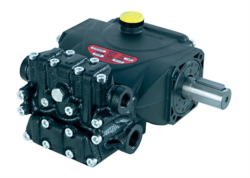
For operations running continuously with high-pressure equipment like the Interpump E1D1808L compact gear pump (8 L/min, 180 bar, 2800 rpm), synchronizing the secondary service interval with regulator replacement prevents pressure spikes that would otherwise require emergency pump intervention.
Predictive Monitoring and Condition-Based Maintenance & Service
While scheduled maintenance & Service forms the foundation, procurement engineers increasingly leverage condition monitoring to optimize replacement timing and reduce unnecessary service events. For Singapore operations, this approach particularly benefits high-capital-equipment users managing multiple sites or complex fluid networks.
Critical Monitoring Parameters
- Outlet pressure trending: Track regulator outlet pressure (target 37 mbar for Francel B25/37mb systems). Progressive increase of 2–5% monthly indicates valve seating degradation; 5–10% monthly indicates imminent seal failure. Schedule replacement within 30–60 days rather than waiting for complete failure.
- Pump current draw: Monitor motor current during normal operation. Progressive increases of 8–12% indicate internal pump wear, cavitation from inlet starvation, or fluid viscosity changes. Verify fluid filtration and temperature; if parameters are normal, schedule pump overhaul within 60–90 days.
- Spray pattern consistency: High-pressure spray nozzles develop asymmetric patterns as edges wear. Monthly visual inspection (or photographic documentation for remote sites) establishes degradation rate. Nozzle replacement becomes predictable rather than reactive.
- Fluid contamination analysis: Quarterly fluid sampling (ISO cleanliness rating, viscosity index, water content) identifies problems before component damage. Singapore's humid environment requires particular attention to moisture ingress; maintaining fluid below 200 ppm water content extends all component lifecycles by 20–30%.
Condition-based data enables procurement engineers to forecast component requirements with 3–6 month lead time, reducing emergency orders that carry 30–50% cost premiums. Maintaining 10–15% buffer stock of critical items (regulator cartridges, pump rebuild kits, nozzle sets) for high-duty systems costs approximately 3–5% of the maintenance budget but eliminates unplanned downtime that would cost 50–100x more.
Cost Optimization Through Intelligent Component Selection
Procurement engineers can significantly reduce Maintenance & Service costs by selecting components with superior lifecycle economics rather than lowest initial purchase price. This requires understanding total cost of ownership (TCO) across the component's operational life.
Evaluating Component Economics
Consider two pump scenarios for a 24/7 industrial cleaning operation:
- Economy pump: SGD 4,500 initial cost, 6,000-hour lifecycle, 4% annual failure rate requiring emergency replacement (SGD 8,000 installation cost). Five-year TCO: SGD 26,500.
- Premium pump like the Pratissoli KF30: SGD 8,200 initial cost, 10,000-hour lifecycle, 0.5% annual failure rate. Five-year TCO: SGD 12,800.
The premium pump delivers 52% lower TCO despite 82% higher initial cost. For procurement engineers managing SGD 500,000+ annual maintenance budgets, this difference compounds significantly across multiple systems and sites.
Supplier Relationship and Spare Parts Availability
3G Electric's 35+ years as an industrial equipment distributor means access to critical spare parts on 24–48 hour notice across Singapore. When evaluating component suppliers for your Maintenance & Service strategy, prioritize distributors offering:
- Stock visibility for critical wear items (regulator seals, pump rebuild kits, nozzle sets)
- Technical support for condition assessment and replacement timing
- Logistics capability for emergency delivery
- Long-term pricing stability (avoid suppliers where margins compress, reducing spare parts availability)
Building Maintenance & Service plans around reliable component availability reduces the need for expensive buffer stock and emergency procurement premiums.
Implementation Framework for Procurement Engineers
Documentation and Knowledge Management
Successful Maintenance & Service programs require systematic documentation:
1. Create component specification sheets for each system, including baseline operating parameters, historical failure modes, and replacement intervals.
2. Develop fluid maintenance logs tracking filtration changes, viscosity measurements, and contamination levels.
3. Maintain supplier contact information, part numbers, and lead times for all critical components in your systems.
4. Implement quarterly business reviews with maintenance teams to validate assumptions and adjust strategies based on actual performance data.
Budget Allocation Best Practices
For facilities running integrated fluid systems with multiple high-pressure components:
- Allocate 6–8% of equipment capital value annually to planned Maintenance & Service
- Reserve 15–20% of maintenance budget for emergency repairs and unplanned interventions
- Dedicate 10–15% to condition monitoring, training, and system optimization initiatives
- Negotiate volume pricing with distributors for consumables (seals, filters, fluids) based on 12-month demand forecasts
This allocation prevents the common pattern where facilities underfund preventive maintenance, experience cascading failures, then overcorrect with excessive spending on emergency repairs and unnecessary replacements.
Integration with Procurement Systems
Link your Maintenance & Service plan to procurement workflows:
- Establish approved supplier lists for pumps, regulators, nozzles, and related components
- Create standard purchase orders for common replacement items to accelerate ordering
- Implement quarterly price resets based on consumption trends
- Develop contracts with preferred distributors including priority support for emergency deliveries
Procurement engineers who integrate Maintenance & Service planning with purchasing workflows reduce administrative overhead by 20–30% while improving response times and reliability.
Conclusion
Maintenance & Service excellence requires procurement engineers to move beyond component-level thinking toward systems-level lifecycle planning. By synchronizing replacement cycles, implementing condition-based monitoring, optimizing component selection for total cost of ownership, and building reliable supplier relationships, industrial operations across Singapore can achieve 25–35% reductions in maintenance costs while improving system reliability and uptime.
The foundation is understanding how integrated components—pumps like the Pratissoli MW40, pressure regulators like the Francel B25/37mb, and spray delivery systems like the Euspray nozzle—function as interdependent systems. With this perspective, Maintenance & Service becomes a strategic competitive advantage rather than a cost center.