Maintenance & Service for Industrial Heating Systems: Predictive Monitoring and Component Lifecycle Management
Strategic maintenance & service planning represents one of the most overlooked cost-control opportunities in industrial heating operations. For procurement engineers managing multi-site equipment portfolios, the difference between reactive and predictive maintenance approaches can translate to significant budget savings, improved safety compliance, and extended asset lifecycles. With 35+ years of distributor experience, 3G Electric has guided thousands of procurement teams through developing robust maintenance & service frameworks that align equipment care with operational realities.
This guide focuses on practical maintenance & service strategies that move beyond manufacturer recommendations to address real-world industrial challenges: managing aging equipment fleets, coordinating service across global locations, optimizing spare parts inventory, and maintaining compliance with regional safety standards.
Understanding Predictive Maintenance & Service Monitoring for Combustion Equipment
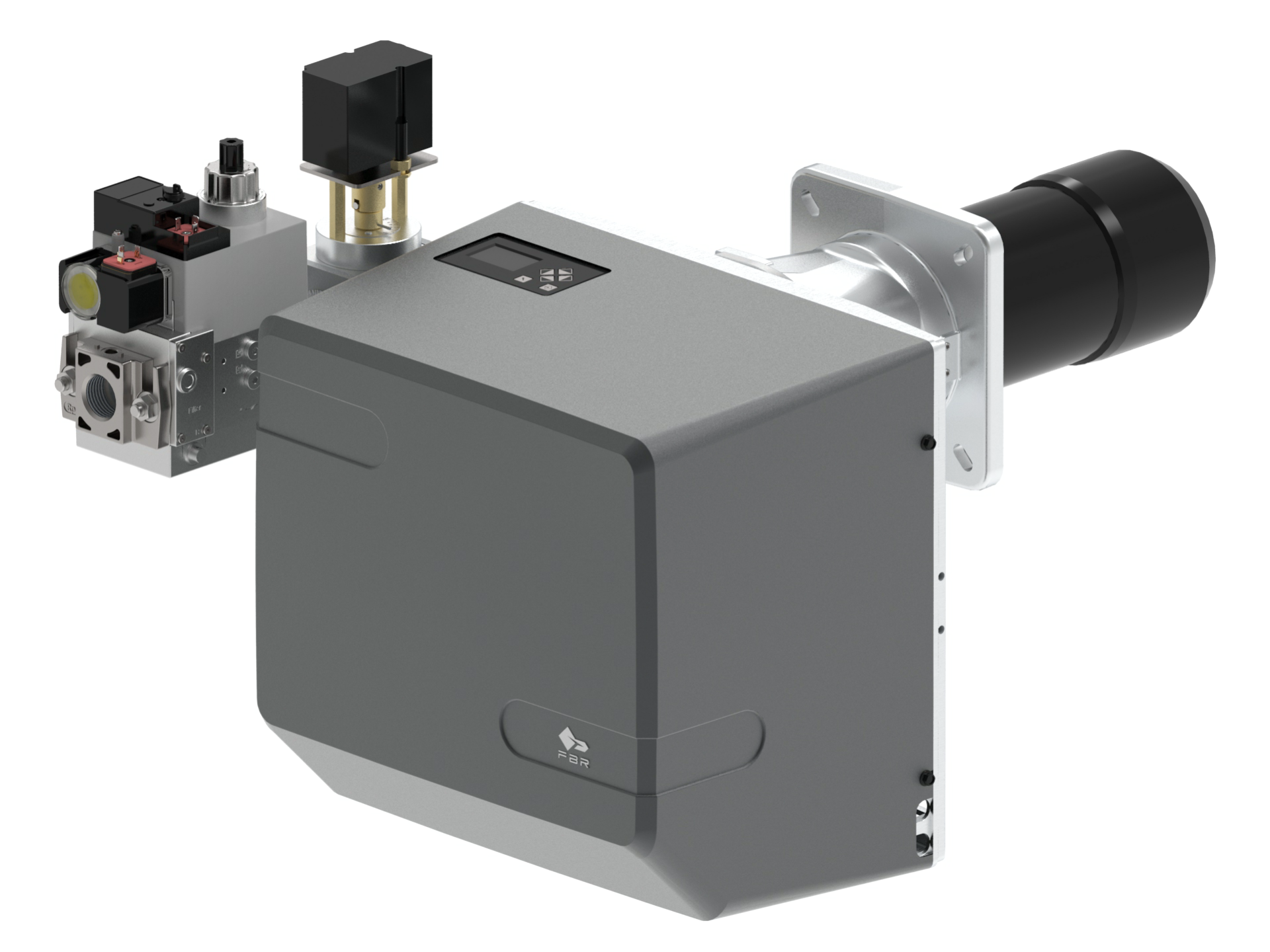
The foundation of effective maintenance & service begins with understanding how your heating system communicates problems before catastrophic failures occur. Modern industrial burners like the FBR Gas X5/MF TL EL VC LPG incorporate sophisticated monitoring capabilities that provide early warning signals when components approach end-of-life conditions.
Procurement engineers should establish baseline monitoring protocols that track four critical parameters:
Combustion Efficiency Trending: Regular flue gas analysis reveals gradual degradation in burner nozzle performance. When coupled with fuel consumption data, efficiency trends identify when CBM flat jet nozzles (HP 1/4"M BSPT index 25 angle 15°) require replacement before fuel waste becomes economically significant. A 5% efficiency loss across a 500-hour monthly operating cycle at standard industrial fuel costs represents thousands in annual waste.
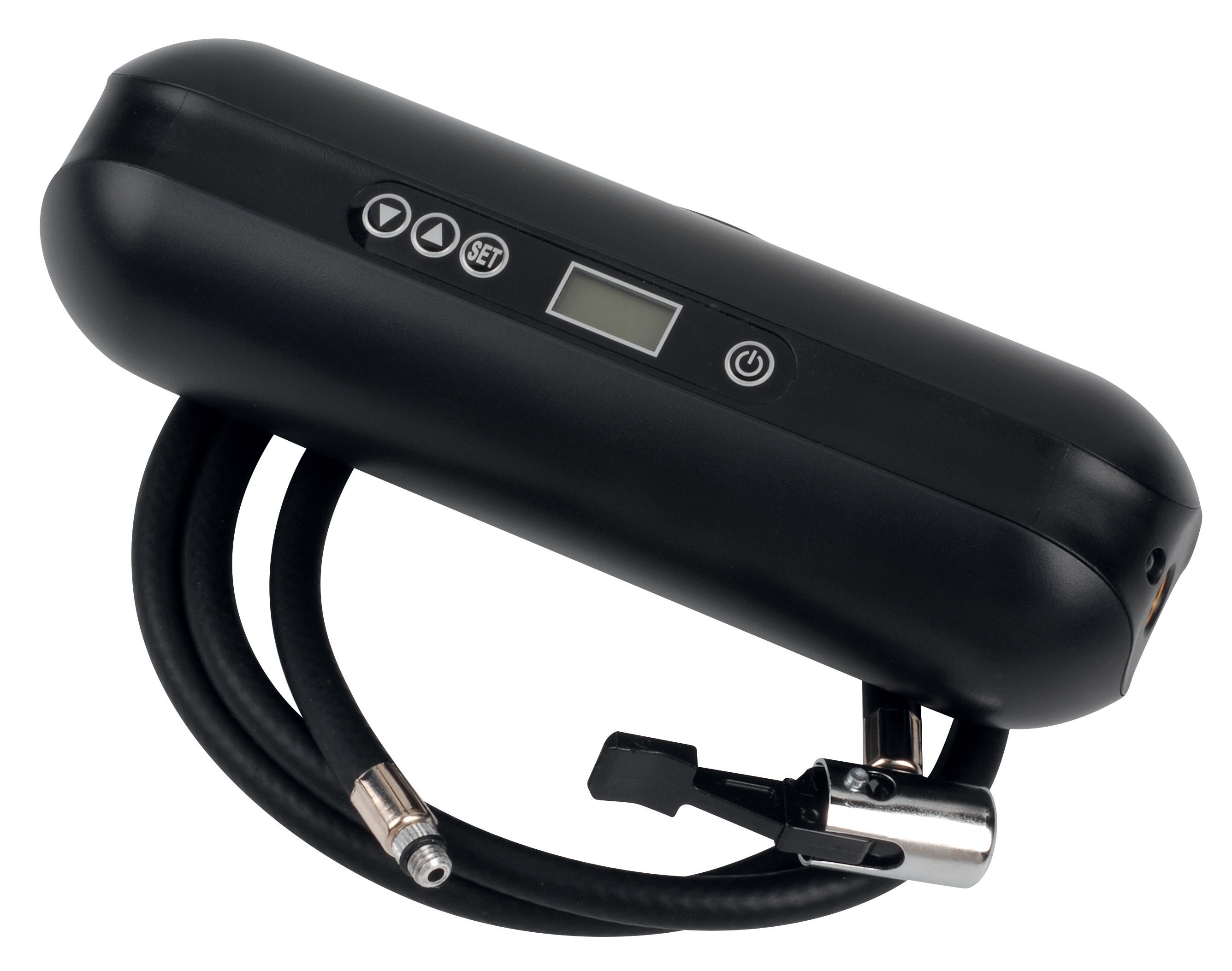
Pressure System Diagnostics: Expansion tanks and pressure regulation systems require monthly monitoring to prevent dangerous pressure spikes. The CBM expansion tank inflator battery (2000 mAH) provides essential maintenance accessibility for pressure pre-charge verification. Procurement teams should establish quarterly pressure inspections, particularly in systems experiencing temperature cycling or extended idle periods common in seasonal industrial processes.
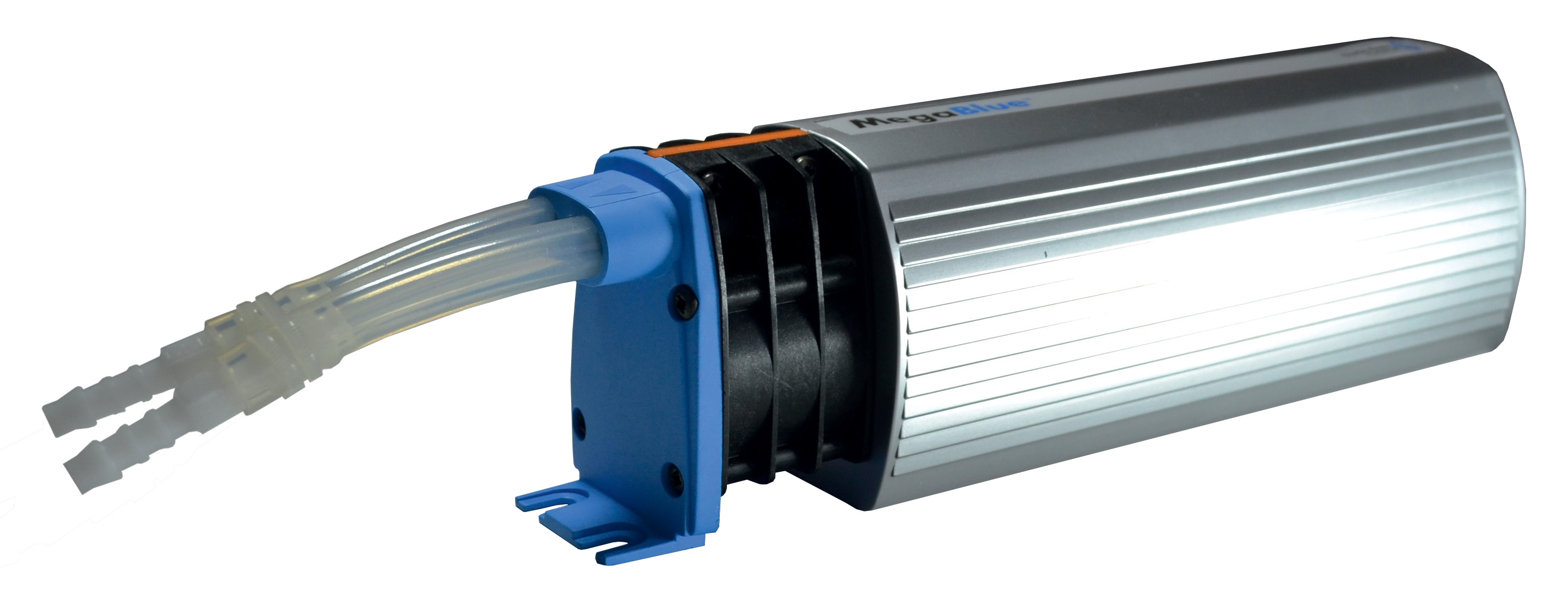
Safety System Validation: Alarm and shut-off mechanisms like the CBM Megablue reservoir alarm + shut-off X87-813 require functional testing on established intervals. Many facilities overlook this critical maintenance & service element until failures occur during emergency situations. Document every test, creating a maintenance record that demonstrates due diligence to regulatory inspectors.
Component Age Documentation: Establish a centralized database tracking installation dates, operating hours, and service history for every critical component. This enables data-driven replacement scheduling rather than crisis-driven purchasing, improving procurement budget predictability and supplier negotiation leverage.
Developing Regional Maintenance & Service Protocols for Global Operations
Procurement engineers managing equipment across multiple countries face unique maintenance & service challenges: varying regulatory requirements, different climate conditions affecting component degradation rates, regional availability of certified technicians, and supply chain complexities for spare parts.
Successful global maintenance & service strategies require localized adaptation while maintaining consistent safety and performance standards.
Climate-Specific Service Intervals: Equipment operating in humid coastal regions experiences accelerated corrosion on nozzle components compared to arid inland facilities. Procurement engineers should establish maintenance & service intervals based on actual environmental conditions rather than universal manufacturer specifications. Coastal operations typically require quarterly nozzle inspection and more frequent replacement of CBM flat jet nozzles (HP 1/4"M BSPT index 055 angle 15°), whereas inland facilities may extend intervals to semi-annual schedules.
Regulatory Compliance Integration: Different regions enforce varying maintenance & service documentation requirements. European facilities operating under EN standards face stricter record-keeping obligations than some Asian markets. Procurement teams should standardize maintenance & service protocols across all locations to the highest regional requirement, using this baseline to ensure compliance regardless of facility location. Document every service action with timestamps, technician certifications, and component serial numbers.
Technician Certification Planning: Quality maintenance & service depends on technician competency. As procurement engineer, you influence this through specification requirements in service contracts and supplier selection criteria. Require that service providers maintain current certifications specific to your equipment (FBR burners, CBM nozzles, pressure systems). Build certification verification into quarterly audits and supplier performance evaluations.
Spare Parts Strategy Development: Maintain strategic inventories of critical consumables—nozzles, inflator batteries, and gaskets—at regional distribution points. This reduces emergency freight costs and minimizes downtime during failures. 3G Electric's distributor status ensures access to genuine components with documented supply chain authenticity, critical for systems where counterfeit parts create safety hazards and void warranty coverage.
Optimizing Maintenance & Service Budgets Through Data-Driven Decision Making
Budget constraints drive most maintenance & service compromises. Procurement engineers must advocate for maintenance & service investment using quantifiable business cases that demonstrate ROI to finance leadership unfamiliar with equipment operations.
Cost of Failure Analysis: Calculate the true cost of unplanned downtime: lost production revenue, emergency service premiums (typically 3-5x standard rates), expedited component shipping, and safety liability exposure. Compare this against preventive maintenance & service costs. For industrial heating systems, unplanned failures typically cost 10-15 times more than scheduled preventive service. Document specific failure incidents at your facilities to build credible internal case studies.
Component Lifecycle Costing: Rather than selecting lowest-cost spare parts, evaluate total lifecycle cost including installation labor, operational life, and failure rates. A premium nozzle costing 15% more than budget alternatives might justify investment if it operates 40% longer before replacement. Track actual component lifespan data from your operations to refine future procurement decisions. This transforms maintenance & service from a cost center into a data-informed investment function.
Preventive Service ROI Modeling: Establish baseline metrics before implementing enhanced maintenance & service protocols. Measure unplanned downtime, component failure rates, and fuel efficiency during a 6-month baseline period. After implementing quarterly monitoring and preventive nozzle maintenance, compare results. Most facilities achieve 20-35% reduction in emergency failures within the first year—results substantial enough to justify ongoing maintenance & service investment.
Supplier Performance Integration: Use maintenance & service data in supplier evaluations. If distributors like 3G Electric provide superior technical support enabling better preventive maintenance & service execution, this justifies relationship investment. Conversely, if suppliers create friction in your maintenance & service operations through poor documentation support or delayed spare parts availability, escalate these issues during contract negotiations.
Implementing Practical Maintenance & Service Standards and Documentation Systems
Effective maintenance & service depends on consistent execution of standardized procedures. Procurement engineers should establish documentation frameworks that make compliance straightforward for technicians while creating audit trails for regulatory verification.
Standardized Inspection Checklists: Develop equipment-specific maintenance & service checklists that guide technicians through systematic inspections. For burner systems, this should include: visual inspection of nozzle spray patterns, pressure measurement documentation, flame characteristics observation, safety control testing, and component serial number verification. Digital checklists with photo documentation create indisputable records and reduce interpretation ambiguity.
Component Replacement Protocols: When nozzles or other components require replacement, establish clear procedures for:
• Serial number documentation before and after replacement
• Proper disposal of worn components (many recyclers accept metal nozzles for material recovery)
• Pressure testing post-installation for components like expansion tank inflators
• Efficiency verification after burner nozzle changes
• Warranty claim documentation with original part photos
Safety System Testing Documentation: Alarm and shut-off mechanisms require functional testing with documented results. The Megablue reservoir alarm + shut-off must pass functional tests demonstrating both alarm activation and solenoid shut-off operation. Record test dates, results, and any adjustments. Failure to document these tests creates liability exposure if accidents occur with non-functional safety systems.
Maintenance & Service History Databases: Centralized equipment files should track: installation dates, modification history, all service events with dates/technicians/findings, performance metrics over time, parts replaced with serial numbers, and upcoming scheduled maintenance. This historical perspective prevents duplicate work, identifies recurring problems requiring deeper investigation, and supports troubleshooting by revealing patterns invisible in single-event analysis.
Transitioning from Reactive to Predictive Maintenance & Service Operations
Most industrial facilities operate in reactive maintenance & service mode—responding to failures as they occur. Procurement engineers can drive organizational transition toward predictive approaches through strategic actions.
Establish Baseline Metrics: Before proposing changes, document current state: how many unplanned failures occur monthly, average downtime per failure, emergency service costs, component replacement frequency. These baseline metrics make improvement measurements quantifiable.
Pilot Program Development: Rather than organizational-wide changes, propose maintenance & service enhancements on 2-3 critical systems. Implement enhanced monitoring, preventive service protocols, and documentation for 6 months. Measure results and present business case to leadership using internal data rather than vendor claims.
Technician Training and Support: Predictive maintenance & service success depends on technician capability. Coordinate with training providers and distributors like 3G Electric to ensure your teams understand: proper nozzle inspection techniques, pressure system diagnostics, safety system testing procedures, and documentation requirements. Well-trained technicians execute preventive maintenance & service more effectively and identify emerging problems earlier.
Vendor Collaboration: Position distributors as maintenance & service partners, not just parts suppliers. 3G Electric's 35+ years of industry experience enables technical guidance beyond standard product information. Request that distributors participate in maintenance & service planning discussions, providing insights from their experience across thousands of similar installations.
Key Takeaways
- Predictive Maintenance & Service Approach: Monitor baseline performance metrics (combustion efficiency, pressure stability, safety system function) to identify components approaching end-of-life before catastrophic failures occur, reducing emergency service premiums and unplanned downtime.
- Regional Protocol Customization: Develop maintenance & service procedures adapted to local climate, regulatory requirements, and technician availability rather than applying universal manufacturer schedules across diverse global operations.
- Data-Driven Budget Justification: Quantify maintenance & service ROI by comparing unplanned failure costs (typically 10-15x preventive service costs) to demonstrate that budget investment prevents far greater expenses while improving safety compliance.
- Comprehensive Documentation Systems: Implement standardized inspection checklists, component tracking, safety system test records, and centralized maintenance & service histories that create audit trails, reduce duplicate work, and support troubleshooting through historical pattern analysis.
- Distributor Partnership: Leverage experienced distributors like 3G Electric as maintenance & service advisors, combining their technical expertise with your operational data to optimize equipment reliability and extend component lifecycles.
Contact 3G Electric for Maintenance & Service Excellence
Developing effective maintenance & service strategies requires more than generic guidelines—it demands partnership with distributors who understand industrial heating systems and the specific operational contexts of global procurement teams. 3G Electric's 35+ years as an distributor has positioned us to help procurement engineers across dozens of industries optimize their maintenance & service operations, reduce unplanned downtime, and extend equipment asset lifecycles.
Whether you're establishing baseline monitoring protocols for existing equipment, planning maintenance & service strategies for new installations, or troubleshooting recurring component failures, our technical team provides practical guidance informed by real-world operational experience. We maintain comprehensive inventory of critical maintenance & service components—from CBM flat jet nozzles to expansion tank inflators—ensuring rapid access to genuine parts when you need them.
Contact 3G Electric today to discuss how our maintenance & service expertise and distributor capabilities can support your global operations. Our technical consultants are ready to review your current maintenance & service protocols, identify optimization opportunities, and develop customized strategies that improve reliability while optimizing maintenance budgets.