Understanding High-Pressure Equipment Maintenance & Service Requirements
Maintenance & Service of high-pressure industrial systems represents one of the most critical operational responsibilities for plant managers in Singapore's manufacturing and processing sectors. Unlike standard equipment maintenance, high-pressure systems operate at pressures exceeding 200 bar and require specialized knowledge of hydraulic and pneumatic component behavior, fluid dynamics, and material stress factors.
Drawing on over 35 years of industrial equipment distribution experience, 3G Electric has supported hundreds of Singapore-based manufacturing plants through the complexities of high-pressure system maintenance. The fundamental principle underlying effective Maintenance & Service is prevention: systematic component inspection, fluid condition monitoring, and predictive replacement scheduling dramatically reduce catastrophic failures that can halt production for weeks.
High-pressure equipment includes industrial pumps such as the Pratissoli KF30 high-performance industrial pump, solenoid control valves like the Elektrogas EVRM NA 7 solenoid valve, transmission components such as the Interpump GEARBOX RS500, and precision application tools including the Pratissoli PISTOLA P560*LANCIA 1000 ATEX spray gun. Each component class demands distinct maintenance protocols, failure detection methods, and replacement timelines.
Systematic Component Inspection and Preventive Service Scheduling
Effective Maintenance & Service begins with establishing a documented component inspection schedule tied to operating hours, pressure cycles, and environmental conditions. For high-pressure pumps operating at 200 bar with 106 L/min flow capacity—typical specifications for the KF30 pump series—visual inspection should occur every 250 operating hours, with detailed fluid analysis every 500 hours.
Critical inspection points include:
- Pump seal integrity: Visual inspection for external fluid seepage around shaft seals. Micro-leaks develop before catastrophic failures; detection and seal replacement at this stage prevents major downtime. Document baseline seepage rates and establish replacement protocols when leakage exceeds 5 mL per 8-hour shift.
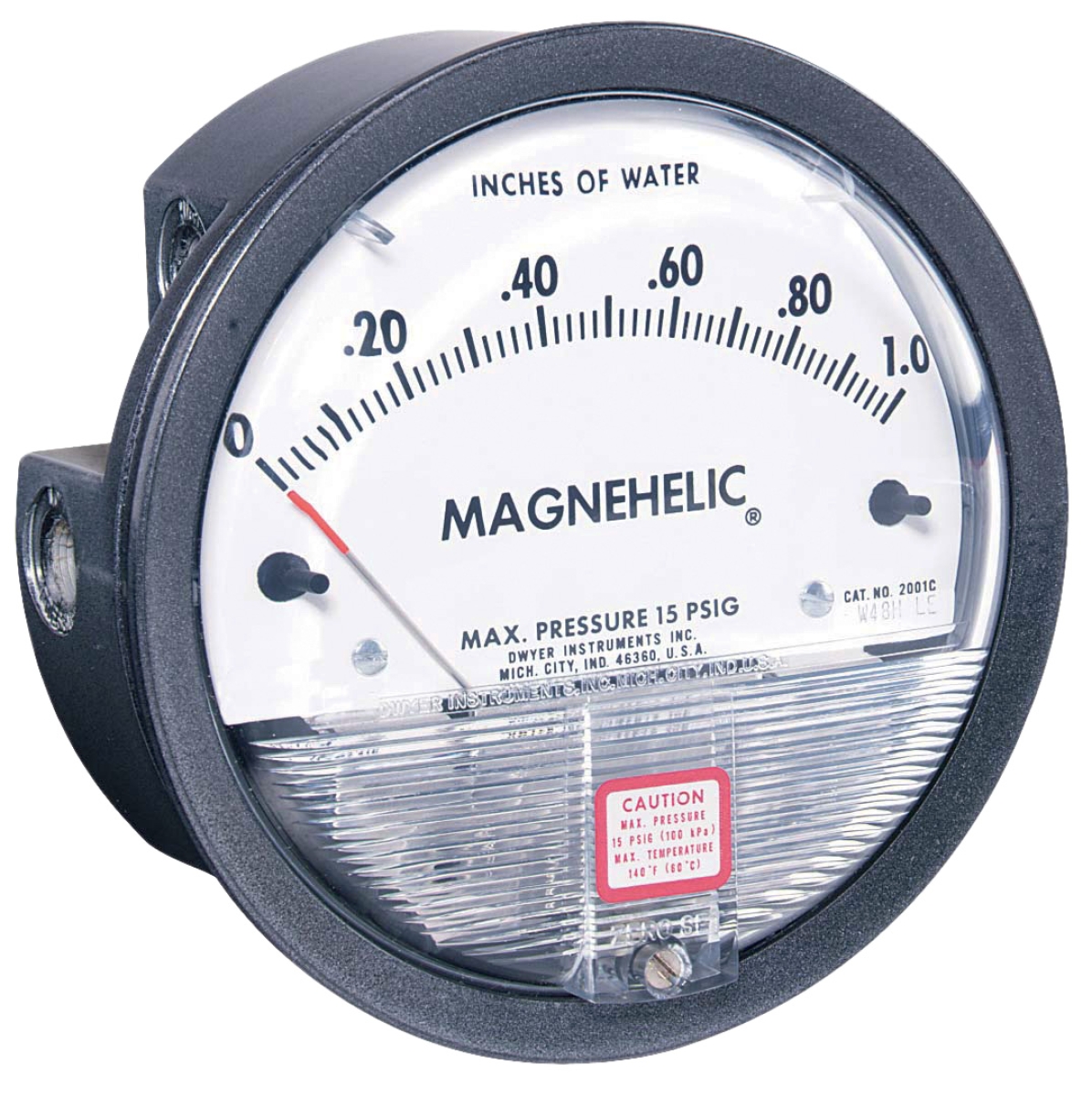
- Pressure gauge and measurement systems: The Dwyer Magnehelic differential pressure gauge provides critical system diagnostics. Pressure readings should remain stable within ±10 bar variation during normal operation. Fluctuations exceeding this range indicate impending pump wear, blockage in distribution lines, or valve malfunction. Calibrate differential pressure gauges every 6 months against a secondary standard.
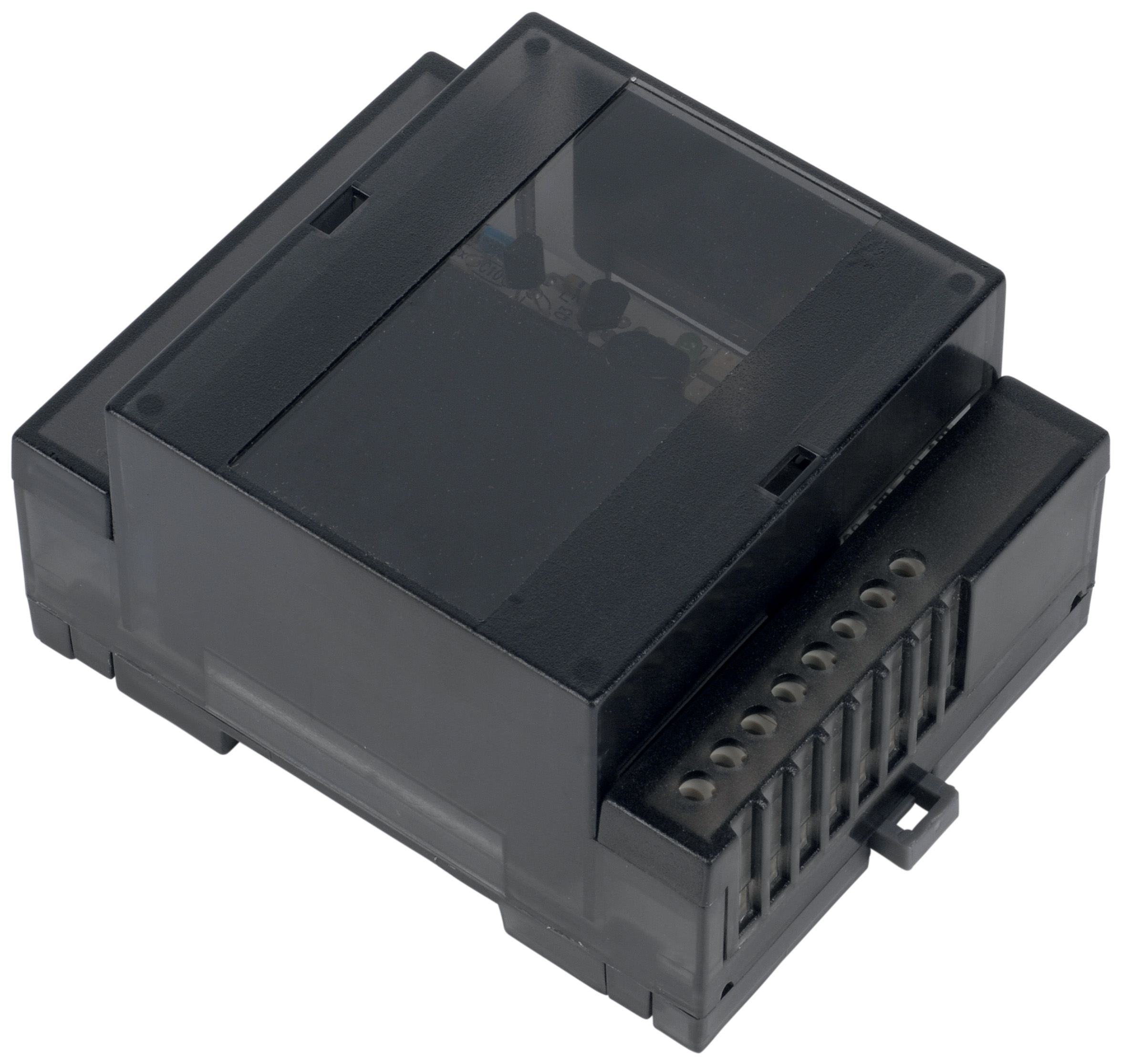
- Solenoid valve operation: Elektrogas solenoid valves rated for 600 Mbar operation (such as the EVRM NA 7 series) require electrical continuity verification and response time testing. Measure opening/closing response times monthly; degradation from baseline values signals imminent valve failure. Clean valve ports during scheduled Maintenance & Service windows using clean, dry compressed air—never use solvents that may damage internal seals.
- Transmission and gearbox components: The Interpump RS500 gearbox transmits 18.5 kW power with 2.2:1 ratio. Monitor for abnormal noise, vibration, or temperature increase indicating bearing wear or gear tooth degradation. Measure gearbox temperature with infrared thermography; sustained temperatures exceeding 65°C require immediate investigation and possible bearing replacement.
- Spray application equipment: ATEX-compliant equipment such as the Pratissoli PISTOLA P560*LANCIA 1000 ATEX spray gun rated for 600 bar operation requires pressure testing and nozzle flow verification at each service interval. Spray pattern degradation or pressure loss greater than 15 bar indicates internal restriction or seal wear requiring component replacement.
Maintain detailed Maintenance & Service logs recording inspection dates, pressure readings, fluid condition observations, component replacement dates, and any anomalies detected. Use this data to establish equipment-specific service intervals. Industrial pumps typically require major seal and bearing replacement every 2,000 operating hours; solenoid valves every 3,000 hours; spray equipment every 1,500 hours depending on fluid type and application duty.
Fluid Condition Monitoring and System Cleanliness Management
The reliability of high-pressure systems depends critically on fluid condition. Contamination in hydraulic fluids used in pump systems and control circuits degrades component lifespan exponentially; each 2-micron reduction in average particle size can extend equipment life by 50% and reduce maintenance costs proportionally.
Fluid analysis parameters for Maintenance & Service protocols:
- Particulate contamination: Establish a baseline ISO cleanliness code (typically 18/16/13 for high-pressure systems) and conduct particle count analysis every 250 operating hours. If contamination increases by more than 1 ISO code level, investigate fluid source, filter integrity, and seal condition. Replace fluid and deep-clean all passages immediately if code reaches 20/18/15 or higher.
- Water content and viscosity: Excessive moisture degrades seal materials and accelerates corrosion. Target moisture content below 500 ppm in hydraulic systems. Monthly Karl Fischer titration analysis detects water ingress before it causes visible rust or performance degradation. Monitor viscosity variation; fluids losing more than 10% viscosity between service intervals indicate thermal stress or fluid oxidation requiring system inspection and fluid replacement.
- Acid number and oxidation stability: Track fluid TAN (Total Acid Number) monthly. Hydraulic fluids with TAN exceeding 2.0 mg KOH/g exhibit accelerated component wear and seal degradation. This is particularly critical for continuous-duty industrial pumps operating above 60°C; establish fluid replacement protocols when TAN reaches 1.5 to prevent system contamination progression.
Implement multi-stage filtration matching system criticality: pre-pump filtering to 100 microns, post-pump to 10 microns, and load-line to 3 microns for solenoid valve and control circuit protection. High-pressure systems carrying 200 bar flow demand frequent filter element inspection and replacement—typically every 250 operating hours or when differential pressure indicator reaches rated pressure. Undersized or clogged filters create backpressure exceeding pump relief settings, forcing unnecessary diversion flows and accelerating component wear.
For spray application systems such as the Pratissoli PISTOLA ATEX spray gun, fluid cleanliness directly impacts nozzle performance and atomization quality. Maintain system cleanliness at 16/14/11 or better; apply fluid strainers at spray line entry with 100-micron initial filtration and 10-micron service filter elements replaced every 100 operating hours in dusty environments.
Failure Mode Analysis and Predictive Service Intervention
Advanced Maintenance & Service strategies transition from reactive repair to predictive intervention by establishing failure signatures and detection protocols. High-pressure equipment exhibits measurable degradation patterns before catastrophic failure; effective plant managers implement monitoring systems capturing these patterns.
Common failure modes and detection methods:
- Pump cavitation and seal degradation: Cavitation occurs when inlet pressure drops below vapor pressure, creating vapor bubbles that collapse violently, eroding pump internals and accelerating seal wear. Detection: Monitor inlet pressure with differential pressure gauges; inlet pressure should remain above 0.5 bar absolute. Measure pump noise frequency content using sound level monitoring—cavitation produces characteristic 2-4 kHz noise signature absent in healthy operation. Implement preventive maintenance immediately upon cavitation detection by cleaning inlet lines, reducing flow velocity, or adding inlet pressure boost.
- Solenoid valve coil degradation and electrical failure: Elektrogas EVRM NA 7 solenoid valves consuming 19 W power require monitoring of electrical continuity and coil resistance. Measure solenoid coil resistance monthly; values increasing more than 5% from baseline indicate winding degradation. Monitor valve opening response time with oscilloscope measurement; response time degradation from baseline indicates internal magnetic path deterioration. Implement coil replacement before electrical failure occurs.
- Transmission bearing wear and gearbox noise: Interpump RS500 gearbox bearing wear produces characteristic frequency signatures in vibration analysis. Establish baseline vibration profiles during commissioning; monitor monthly using accelerometers. Bearing defect frequencies typically appear as discrete frequency peaks above normal background spectrum. Increase monitoring frequency when defect peaks exceed baseline by 6 dB; schedule bearing replacement within 2-4 weeks after detection to prevent catastrophic gearbox seizure.
- Spray equipment nozzle erosion and flow degradation: Flow measurement at spray equipment discharge should remain within ±5% of specification; pressure at rated flow should match equipment datasheet. Monthly measurement comparison to baseline detects nozzle erosion progression. When flow decreases 10%, replace spray gun nozzle assembly preventively; erosion typically accelerates nonlinearly once initiated.
Transition from fixed-hour service intervals to condition-based protocols as Maintenance & Service maturity increases. Establish condition thresholds triggering component replacement: pressure gauge readings varying ±15 bar → pressure transducer calibration or pump wear investigation; fluid particulate code increase of 1 level → filter element replacement and fluid analysis; solenoid valve response time increase of 50 ms → valve electrical diagnostics and imminent replacement. Document baseline values for each equipment serial number; create alerts when measurements drift beyond acceptable ranges.
Emergency Response Protocols and Spare Component Strategy
Despite optimal preventive Maintenance & Service, unexpected failures will occur. Effective plant managers maintain strategic spare inventory and documented emergency response procedures minimizing downtime.
Critical spare components for high-pressure systems:
Maintain minimum stock of pump seals and bearing kits matched to installed equipment, complete solenoid valve replacement units (not just coils), transmission coupling components, and pressure gauge assemblies. For the Pratissoli KF30 pump installed in your facility, maintain seal kits, bearing assemblies, and inlet valve components. Emergency replacement capability should reduce system downtime from 48 hours to under 4 hours.
Documentation and emergency procedures:
Maintain comprehensive equipment documentation including wiring diagrams for solenoid valve circuits, system schematic showing all pressure and flow measurement points, spare parts lists with current SKU references from your distributor (3G Electric maintains inventory of Pratissoli spray equipment, industrial pumps, Elektrogas control valves, and measurement systems), and emergency contact information for specialized technical support.
Establish rapid troubleshooting procedures: sudden pressure loss → check inlet conditions and relief valve setting before assuming pump failure; solenoid valve failure → verify electrical power and coil continuity before component replacement; spray equipment degradation → confirm nozzle condition and system pressure before pump investigation.
Partnership with established industrial equipment distributors such as 3G Electric—operating continuously since 1990—provides critical advantages during emergency situations. Established distributor relationships ensure rapid spare parts availability, technical consultation, and equipment compatibility verification, reducing repair cycle time and system downtime risk.
Effective Maintenance & Service transforms high-pressure equipment management from costly reactive firefighting into predictable, controlled operational costs while maximizing production uptime and equipment lifespan.