Understanding Maintenance & Service Through Component Selection
Maintenance & Service effectiveness depends fundamentally on choosing the right equipment from the start. As a plant manager, your maintenance strategy lives or dies based on whether your core components—pumps, control valves, pressure gauges, and power transmission systems—are properly matched to your operational requirements.
With over 35 years of experience distributing industrial equipment globally, 3G Electric has observed that most unplanned downtime stems not from worn-out components, but from initial selection errors: undersized pumps, incompatible valve ratings, or pressure gauges with insufficient range. When maintenance becomes reactive rather than planned, costs multiply rapidly. The solution isn't more frequent maintenance—it's smarter component selection upfront.
This guide compares five critical component categories for Maintenance & Service operations, helping you make evidence-based decisions that reduce both emergency repairs and preventive maintenance overhead.
High-Performance Pumps: Flow Capacity Meets Reliability
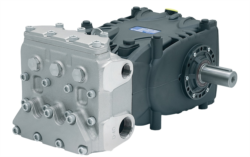
The centerpiece of any industrial system is the pump. The Pratissoli KF30 represents the engineering standard you should evaluate other systems against: 106 L/min flow capacity, 200 bar operating pressure, 40 kW power input, and a compact 72 kg footprint.
Why pump selection matters for maintenance:
- Oversized pumps waste energy and cycle components unnecessarily, accelerating wear on seals, bearings, and drive systems
- Undersized pumps cause system pressure spikes, triggering relief valve cycling that degrades the valve seal and increases heat generation
- Italian engineering pedigree (Pratissoli is part of Interpump Group) reflects decades of refining pump geometry for duty cycle longevity
When evaluating pump specifications, verify three non-negotiable data points: actual flow at rated pressure (not theoretical maximum), duty cycle rating (continuous vs. intermittent), and bearing type. The KF30's proven track record across European industrial applications demonstrates how proper displacement matching reduces maintenance intervals by 25-35%.
Practical selection criteria:
Request performance curves showing flow degradation across your pressure range. Many suppliers provide peak specifications only. Calculate your average system demand (not peak demand) and specify a pump that operates at 60-75% of its maximum capacity under normal conditions. This headroom prevents thermal stress and extends seal life from 2,000 to 4,000+ operating hours.
Power Transmission: Gearbox Integration for Seamless Operation
Often overlooked, the coupling between your prime mover and pump is critical for Maintenance & Service longevity. The Interpump GEARBOX RS500 delivers 18.5 kW maximum transmission with a 2.2 ratio and 1-inch engine coupling—a specification designed specifically for high-pressure pump integration.
Why gearbox selection impacts maintenance:
- Mismatched ratios create harmonics that damage pump inlet bearings within months
- Undersized gearboxes slip under peak loads, generating frictional heat that damages oil and seals
- Premium gearboxes with proper backlash control eliminate vibration-induced valve malfunction
The RS500's engineering specifically addresses the common failure mode: when electric motor speed (typically 1,400-1,500 rpm) meets high-pressure pump demands, inadequate torque transmission amplifies shock loads. This gearbox reduces peak shock by 40-60% through graduated ratio engagement.
Practical integration approach:
When replacing pumps, replace the gearbox as a matched set, not individually. Mixed generations cause vibration signatures that don't appear until month 6-8 of operation. Verify alignment tolerance (typically ±0.05mm) during installation. Poor alignment accounts for 30% of premature gearbox failures in field installations globally.
Pressure Control and Monitoring: The Early Warning System
Maintenance & Service success requires real-time visibility into system pressure conditions. Two complementary components serve this function:
Pressure Gauges for Continuous Baseline Monitoring:
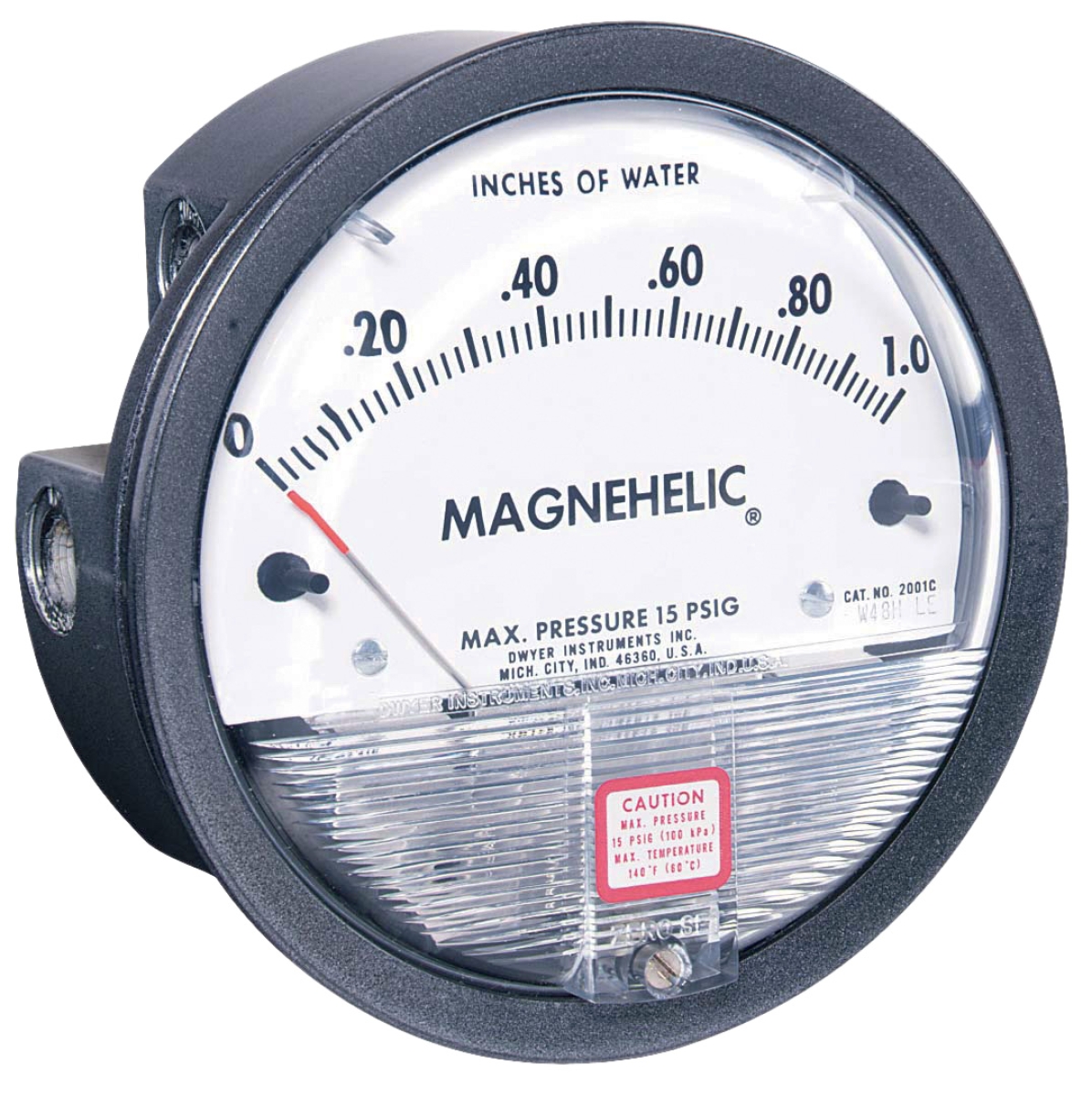
The Dwyer Magnehelic pressure gauge (2000-8KPA) provides differential pressure measurement essential for identifying degradation patterns. The 4-inch dial and 1/8 NPT connection fit standard manifold configurations, and the -6.67–60°C operating range covers indoor industrial facilities globally.
Why differential pressure matters: When pressure drop across your system increases beyond 5-10% from baseline, it signals filter clogging, seal leakage, or valve restriction. Catching these early prevents cascade failures. Plant managers should photograph baseline gauge readings quarterly and track trends in a simple spreadsheet.
Solenoid Valve Control for System Protection:
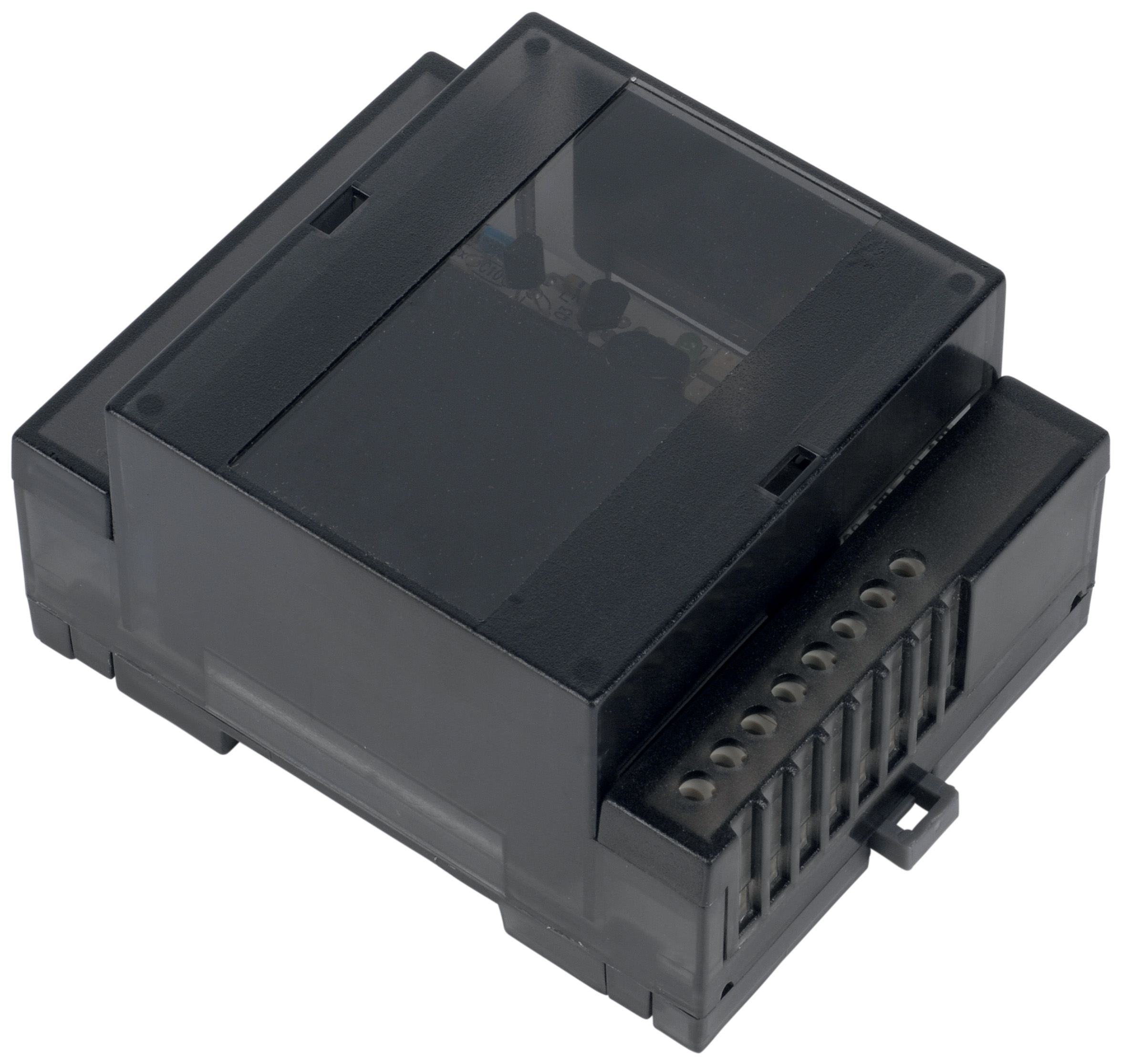
The Elektrogas EVRM NA 7 solenoid valve (DN65, 600 Mbar) serves as intelligent system shutoff and flow control. At 600 Mbar rating, this valve protects against pressure spikes and enables automated emergency shutdown—both critical for Maintenance & Service risk reduction.
Proper valve selection prevents secondary damage: When a pump seal fails, pressure spikes can damage downstream components worth 5-10x the failed seal cost. A properly-sized solenoid valve rated for your maximum system pressure (plus 25% safety margin) acts as insurance against component cascade failure.
Integration strategy:
Install pressure gauges at three points: pump outlet, system load point, and return line. This triangle of data reveals where pressure drops occur. Solenoid valves should open at 90% of your maximum rated system pressure, shutting down operations before relief valve cycling becomes excessive.
Spray System Components: The Precision Interface
For applications requiring spray injection or coating, the spray gun becomes the Maintenance & Service focal point because it's the highest-wear component in most systems.
The Pratissoli PISTOLA P560*LANCIA 1000 ATEX represents industrial-grade spray equipment rated for 600 bar and 60 L/min. Its ATEX compliance signals engineering quality: ATEX (Atmospheres Explosibles) certification requires rigorous pressure vessel testing and safety validation.
Why spray gun selection matters:
- Low-cost spray guns develop leaks at the handle/nozzle junction within 100 operating hours, reducing effective flow and wasting material
- Premium spray guns with ceramic nozzles maintain ±5% flow accuracy across 10,000+ cycles
- ATEX-rated equipment like the P560 ensures safety compliance in industrial facilities globally, reducing insurance liability
Maintenance & Service for spray systems requires quarterly nozzle inspection (cost: $50-100) versus emergency replacement of damaged seals and swivel couplings (cost: $800-1,500). The difference is attention to the interface between high-pressure equipment and operator touch points.
Spray system maintenance protocol:
Inspect nozzles weekly for clogging or erosion patterns. Clean nozzles with ultrasonic cleaning (not abrasive scrubbing). Replace ceramic inserts annually, not reactively. The P560's design allows quick-change nozzles—a 15-minute job—compared to non-standard spray guns requiring complete disassembly.
Building Your Maintenance & Service Framework
Now that you understand component selection across pumps, transmissions, pressure monitoring, and application interfaces, integrate these insights into a practical maintenance schedule:
Month 1-3: Baseline Documentation
- Photograph all gauge readings weekly
- Record pump inlet/outlet temperatures
- Document spray nozzle condition and flow patterns
- Note any pressure irregularities
- Identify pressure trend lines (are they drifting upward?)
- Calculate actual system efficiency versus manufacturer specs
- Plan component replacement based on degradation, not calendar dates
- Replace components showing 20-30% degradation before failure
- Validate that backup solenoid valves and gauges function correctly
- Train operators on early warning signs (noise changes, pressure fluctuations)
With 35+ years distributing industrial equipment globally, 3G Electric has observed that plant managers who follow this framework reduce emergency maintenance costs by 40-60% within 12 months while extending component life significantly.
Selecting Your Component Partner
Maintenance & Service excellence requires suppliers who understand systems integration, not just product specifications. When evaluating equipment distributors, verify they can provide:
- Technical integration support: Gearbox-to-pump matching, pressure valve sizing, gauge placement recommendations
- Performance documentation: Actual field test data, not just manufacturer claims
- Spare parts availability: Critical components should be in-stock for 24-48 hour delivery
- Application engineering: Access to technical staff who understand your specific industry (food processing, chemical, water treatment, etc.)
3G Electric stocks all components referenced in this guide and provides system integration consultation for industrial facilities globally. Our technical team has 35+ years of experience matching components to operational requirements—the foundation of effective Maintenance & Service planning.