Understanding ATEX Compliance in Maintenance & Service Operations
When managing industrial equipment in hazardous areas, Maintenance & Service extends beyond routine upkeep—it becomes a regulatory and safety requirement. ATEX (Atmosphères Explosibles) certification designates equipment as safe for operation in potentially explosive environments where flammable gases, vapors, or dust may be present. For Southeast Asian plant managers operating in chemical processing, petrochemical refining, or solvent manufacturing, ATEX compliance directly impacts your maintenance obligations and liability exposure.
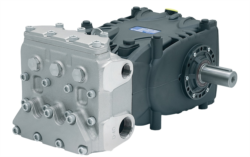
The Interpump PUMP W2035 L ATEX delivers 35 L/min at 200 bar with 13.23 kW capacity, specifically engineered for these demanding conditions. Unlike standard industrial pumps, ATEX-certified equipment incorporates design features that prevent ignition sources—such as controlled surface temperatures, spark-resistant materials, and sealed bearing assemblies. Your maintenance team must understand that any modification, repair, or component substitution can void ATEX certification.
With 35+ years of experience distributing industrial equipment across Southeast Asia, 3G Electric has supported plant managers navigating ATEX requirements. The critical principle: maintenance decisions directly affect your equipment's certification status. Replacing internal components with non-certified parts, applying unapproved lubricants, or exceeding pressure/temperature specifications can transform certified equipment into non-compliant hardware operating illegally in hazardous zones.
Establishing ATEX-Compliant Maintenance Schedules and Documentation Protocols
Effective Maintenance & Service for ATEX equipment requires documented procedures that demonstrate compliance to regulatory authorities and insurers. Begin by establishing a baseline maintenance matrix that references your equipment's original technical documentation—typically provided by the manufacturer at commissioning.
Critical Documentation Elements:
- Equipment serial numbers and ATEX certification numbers (beginning with "CE" marking and notified body identification)
- Original pressure and temperature ratings (never exceed these in operation)
- Approved lubricant specifications and fluid types
- Component supplier information (only use approved replacements from certified channels)
- Last calibration date for pressure gauges and monitoring instruments
- Maintenance history log with technician credentials
Your maintenance schedule must reflect component-specific intervals. High-pressure seals in the Interpump W2035 L ATEX typically require inspection every 500 operating hours or quarterly, whichever comes first. Motor bearings need monitoring every 250 hours. Intake filters demand monthly checks and quarterly replacement. Document each inspection with photographic evidence and technician sign-off.
For multi-pump installations, consider implementing a digital maintenance management system. This allows you to track maintenance across all ATEX equipment, flag overdue inspections automatically, and generate compliance reports for regulatory audits. Many Southeast Asian facilities operating under Singapore, Malaysia, or Thailand industrial standards now require digitized maintenance records.
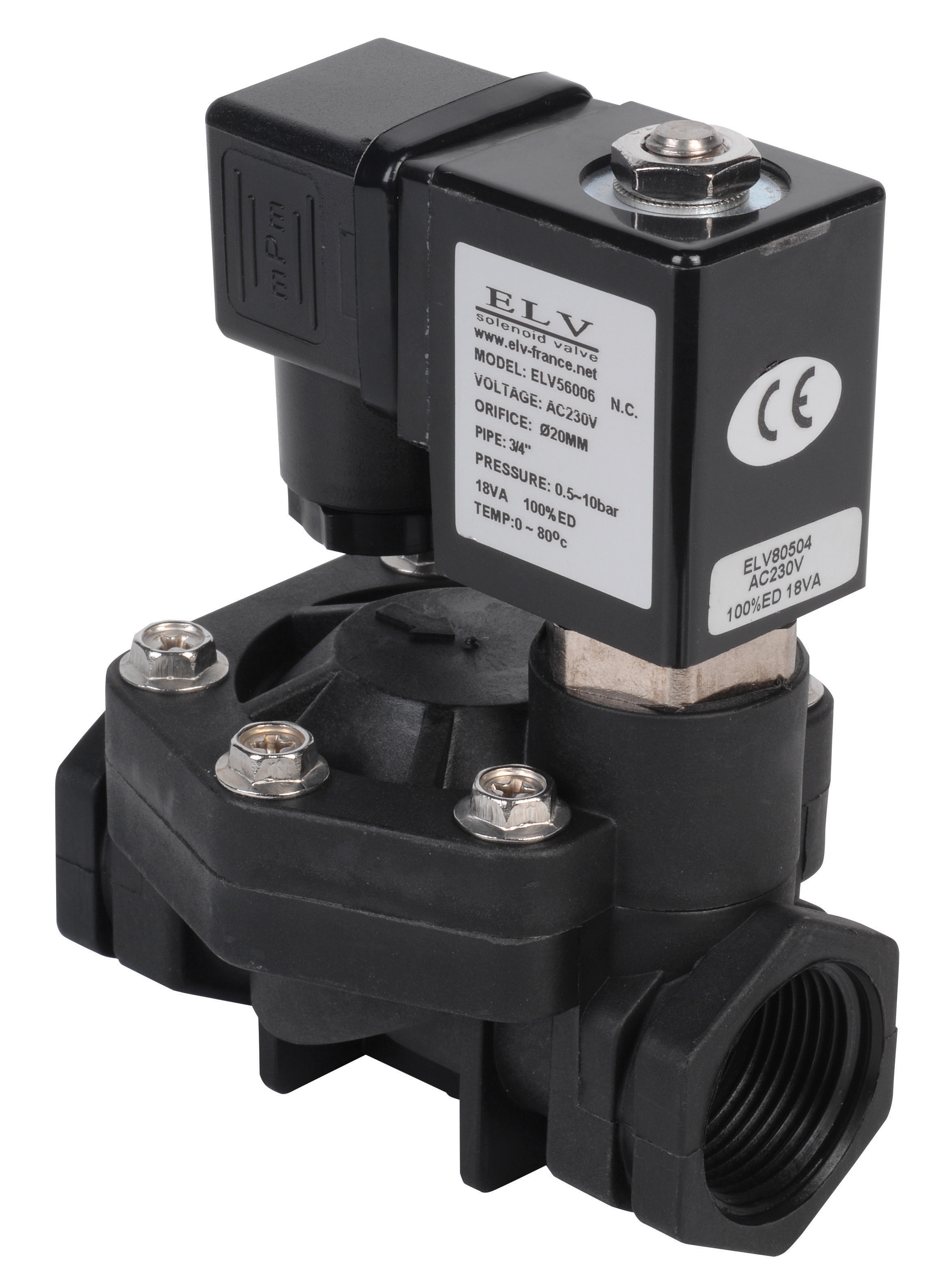
The ELV Plastic solenoid valve D.3/4 NF 230V frequently operates in conjunction with ATEX pumps as a control element. While not itself ATEX-rated in all applications, its integration into ATEX systems requires separate maintenance protocols. Verify solenoid coil voltage specifications during every maintenance cycle—voltage fluctuations common in Southeast Asian industrial power distribution can degrade coil insulation over time. Replace the valve every 18-24 months even if not visibly failed, as internal seal degradation may not manifest externally.
Component Care, Seal Integrity, and Preventive Replacement Strategies
Hazardous area equipment demands more aggressive preventive replacement than standard industrial machinery. While non-ATEX pumps might operate 5,000+ hours between seal replacements, ATEX-certified units typically require seal inspection at 2,000 hours and replacement at 3,500 hours maximum. This conservative approach prevents seal failure escalation—a failed seal can introduce heat, friction, and ignition potential in explosive atmospheres.
Specific component care protocols:
Bearing and Shaft Inspection: Bearings in ATEX pumps like the Interpump W2035 L ATEX operate in sealed housings. During quarterly maintenance, listen for bearing noise changes (grinding, chirping, or knocking indicates imminent failure). Measure bearing temperature with infrared thermography—if temperature exceeds 70°C under normal load, plan bearing replacement within 30 days. Do not attempt bearing repair or re-greasing; replacement is mandatory for compliance.
Seal Assembly Management: ATEX pump seals require inspection for discoloration, hardening, or crystallization—signs of temperature stress or incompatible fluid exposure. The primary seal (usually carbon-ceramic composite) contacts the pump shaft and endures highest stress. The secondary seal provides backup containment. Inspect both during every major service. If either seal shows visible pitting, scratches, or surface irregularities under magnification, replace the complete seal assembly immediately, even if the pump operates normally. Partial seal failure accelerates exponentially in hazardous environments.
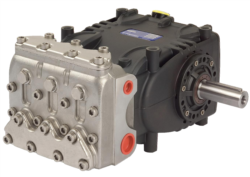
Fluid Management and Contamination Control: Hydraulic and fluid-transfer applications using the Pratissoli SN7045 L (45 L/min at 210 bar) are extremely sensitive to fluid contamination. Implement ISO 4406 fluid cleanliness standards—target 17/15/12 or better for ATEX systems. This means fewer than 1,300 particles larger than 4 microns per 100 ml of fluid. Monthly fluid sampling with particle counting analysis becomes essential. Any upward contamination trend indicates imminent component failure. Establish automatic fluid filtration as a baseline control, not an optional feature.
Gearbox Integration for Power Transmission: The Interpump GEARBOX RS500 integrates with high-performance pumps like the Pratissoli KF30 to deliver transmission ratios of 2.2 at 18.5 kW maximum. Gearbox maintenance includes monthly oil level verification, quarterly oil analysis (checking for ferrous particle accumulation indicating gear wear), and transmission noise monitoring. Abnormal noise changes warrant immediate gearbox inspection—potential internal gear damage can introduce metal fragments into the pump fluid system, contaminating downstream seals and valves within days.
Operational Monitoring, Pressure Management, and Failure Prevention
Proactive Maintenance & Service prevents catastrophic failures that could breach hazardous area containment. Implement continuous pressure monitoring on all ATEX pump systems. Manual gauge checking once daily is insufficient; install digital pressure transducers with alarm thresholds set 5% below maximum rated pressure. Pressure spikes indicate developing obstruction or seal resistance. Gradual pressure decline suggests pump wear or internal leakage.
Temperature monitoring is equally critical. ATEX equipment must maintain surface temperatures below ignition temperatures of the atmosphere it protects. For most flammable gas environments, this means pump and motor surfaces cannot exceed 135°C. Install surface thermocouples on pump housing, motor windings, and discharge manifold. Log temperatures hourly. Any sustained temperature above 120°C requires investigation: check intake filter condition, verify cooling system operation, review fluid viscosity for temperature compatibility.
Flow rate monitoring detects early seal degradation. Compare actual discharge flow at standard pressure against baseline measurements from initial commissioning. A 5-10% flow reduction suggests seal wear beginning. At 15-20% reduction, seal replacement becomes urgent. Use calibrated flowmeters quarterly; don't estimate based on operational feel.
Implement a spare parts inventory strategy. For critical ATEX systems, maintain on-site inventory of: complete seal assemblies, gasket kits, intake filter elements, electrical connectors, and bypass relief valve cartridges. Southeast Asian supply chain delays (especially during typhoon season) can force extended equipment downtime if replacements must be sourced externally. Budget for spare parts equivalent to 10-15% of equipment purchase value annually.
Schedule annual third-party ATEX compliance audits. Engage independent certification bodies (notified bodies) to verify your equipment still meets ATEX standards. This external validation protects your facility during insurance claims or regulatory investigations. Document audit results and remediation actions meticulously.
Regional Maintenance Considerations for Southeast Asian Operations
Southeast Asia's tropical climate introduces unique Maintenance & Service challenges: high humidity accelerates corrosion, temperature fluctuations stress seals, and seasonal flooding can contaminate electrical systems. Adapt your maintenance protocols:
- Humidity Control: Use silica gel desiccant packs inside motor junction boxes and control cabinets. Replace monthly in monsoon season.
- Corrosion Prevention: Apply anti-corrosion spray to unpainted metal surfaces quarterly. Inspect fasteners for rust; replace any corroded bolts immediately.
- Water Ingress Protection: Install drip shields over all open connections. Elevate pump foundations above floor level to prevent submersion during facility flooding.
- Electrical System Management: Verify supply voltage stability with dedicated data loggers. Voltage fluctuations common in developing power grids can degrade motor insulation and solenoid valve coils (like the ELV 230V unit) prematurely. Consider voltage stabilizers for sensitive equipment.
3G Electric's three decades of experience supporting Southeast Asian industrial operations reveals consistent maintenance failure patterns: documentation gaps, inconsistent spare parts sourcing, and insufficient technician training on ATEX-specific requirements. Plants implementing systematic Maintenance & Service protocols reduce unplanned downtime by 40-60% while maintaining full regulatory compliance.
Begin your assessment by auditing current maintenance records against your equipment's original technical specifications. Identify any gaps in documentation, non-compliant component substitutions, or missed maintenance intervals. Establish corrective actions with target completion dates. Invest in technician training on ATEX certification principles and component-specific care procedures. Partner with a reliable equipment distributor like 3G Electric who understands regional operational challenges and maintains service continuity despite supply chain disruptions.