Understanding Maintenance & Service Requirements for Modern HVAC Pump Systems
Maintenance & Service of HVAC pump systems represents a critical operational responsibility for contractors managing climate control infrastructure across Singapore's diverse industrial landscape. Unlike residential HVAC applications, commercial and industrial heating systems incorporate high-pressure components—pumps, solenoid valves, and pressure regulators—that demand rigorous diagnostic protocols.
With over 35 years of experience distributing industrial equipment across Southeast Asia, 3G Electric has observed that most HVAC contractor failures stem not from catastrophic component degradation, but from deferred or inadequate preventive maintenance. High-pressure pump systems operate at 200+ bar pressures, and even minor seal degradation or fluid contamination can trigger cascading failures affecting circulation integrity, burner efficiency, and system safety compliance.
This guide provides HVAC contractors with actionable maintenance frameworks aligned with Singapore's industrial standards, focusing on pressure verification, seal assessment, and predictive component lifecycle planning.
Section 1: Pressure System Diagnostic Protocols and Testing Procedures
Establishing Baseline Pressure Profiles
Before implementing corrective maintenance, contractors must establish system-specific pressure baselines. Each HVAC installation operates within manufacturer-defined pressure envelopes—typically 180–220 bar for circulation pumps, 0.5–10 bar for auxiliary solenoid controls. Deviation from baseline indicates seal leakage, internal pump wear, or valve malfunction.
Your diagnostic workflow should include:
- Daily operating pressure logging: Record discharge and return pressures during operational cycles. Use calibrated gauges (±1% accuracy minimum) at standardized measurement points. Document ambient temperature, fluid viscosity, and load conditions alongside pressure readings.
- Quarterly pressure trending analysis: Plot 90-day pressure data to identify gradual degradation patterns. A 5–8 bar monthly increase suggests progressive internal wear; a sudden 15+ bar spike indicates valve restriction or cavitation.
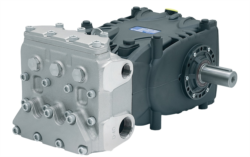
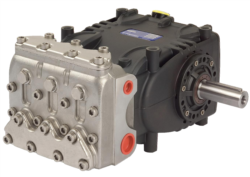
- Circulation pump verification: For systems using Pratissoli KF30 pumps (106 L/min, 200 bar), verify discharge pressure stabilizes within 15 seconds of startup. Pressure oscillation exceeding ±10 bar during steady-state operation signals impeller damage or suction-side cavitation.
After component replacement or system commissioning, execute full-system pressure tests:
1. Isolate the pump using ball valves at suction and discharge ports
2. Connect a test gauge manifold rated for 250 bar minimum
3. Operate pump at no-load condition for 5 minutes; record stabilization pressure
4. Gradually introduce load via proportional valve; observe pressure rise response
5. Document pressure at 25%, 50%, 75%, and 100% system load
6. Verify pressure relief valve opens within ±5 bar of setpoint
7. Allow system to idle for 10 minutes; note static pressure decay rate (acceptable: <3 bar/minute)
Pressure decay exceeding 3 bar/minute indicates internal leakage—likely through seal degradation or valve spool wear—requiring immediate component inspection.
Section 2: Seal Integrity Assessment and Preventive Replacement Scheduling
Identifying Seal Degradation Indicators
Mechanical seals and O-ring assemblies represent wear items in high-pressure HVAC systems. Contractors often defer seal replacement until catastrophic failure occurs, but proactive identification extends system uptime significantly.
Monitor these degradation indicators:
- Visual inspection: Weekly visual inspection of pump housing, gearbox, and valve manifolds for fluid weeping. Even trace fluid accumulation at seal faces signals imminent failure. Document fluid color (oxidation darkens ISO VG 46 hydraulic oil to amber/brown within 1000 operating hours).
- Fluid particle analysis: Extract 50 mL fluid samples quarterly from sump drain ports. Send to certified laboratories for ISO 4406 cleanliness grading. Contamination codes exceeding 18/16/13 (microns ≥4/≥6/≥14) indicate seal wear generating particulate. This is your leading indicator for replacement scheduling.
- Temperature monitoring: Excessive seal friction generates localized heating. Use infrared thermography to monitor pump case temperature during operation. Temperature exceeding 65°C at seal locations (versus 50–55°C at normal operation) suggests seal drag and impending failure.
- Acoustic signatures: High-frequency noise (above 4 kHz) at pump discharge often correlates with internal leakage past worn seals. Baseline acoustic profiles during commissioning allow technicians to detect subtle changes.
For systems using Interpump PUMP W2035 L ATEX (35 L/min, 200 bar, 13.23 kW) in continuous duty:
- Primary seal replacement: Every 2,000 operating hours or 18 months, whichever occurs first. Singapore's climate—high humidity and temperature cycling—accelerates elastomer degradation compared to temperate zones.
- Gearbox seal service: For systems incorporating Interpump GEARBOX RS500 transmission accessories, inspect input/output shaft seals every 1,500 hours. These experience combined rotational and pressure stress; seal replacement during annual gearbox servicing prevents costly cross-contamination into the main pump.
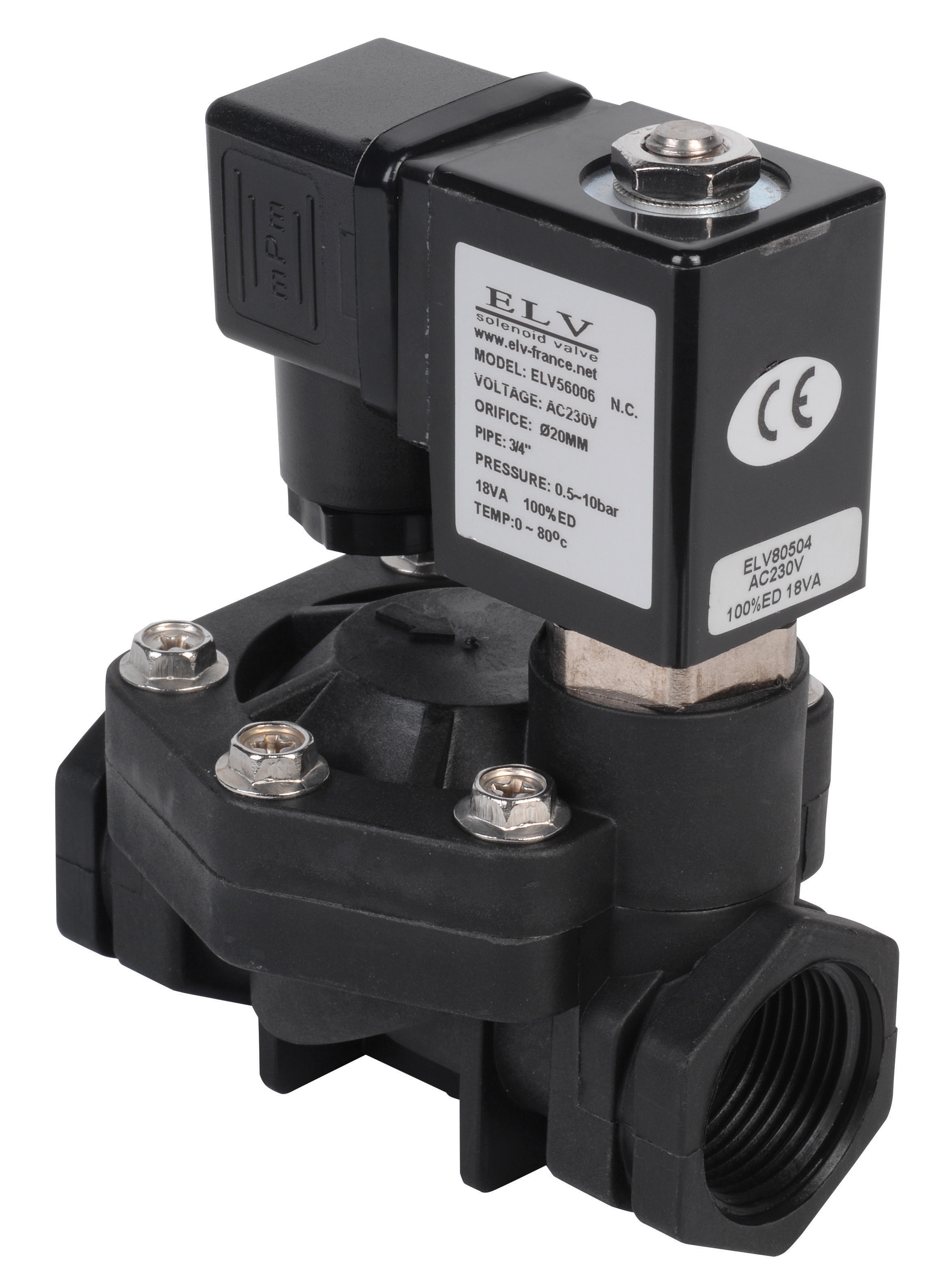
- Solenoid valve seat conditioning: ELV plastic solenoid valve D.3/4 NF 230V pilot-stage seals experience constant micro-movement. Every 2,000 hours, back-flush pilot lines with cleaned fluid (ISO 18/16/13 or better) to remove particulate. Replace solenoid seals if pilot pressure drops below 80% of nominal setpoint.
When replacing seals:
1. Flush system with cleaned hydraulic fluid (circulate through 3-micron offline filter cart for minimum 8 hours)
2. Replace all O-rings and dynamic seals simultaneously—do not attempt individual seal replacement
3. Use OEM-equivalent sealing kits; document kit part numbers and batch codes
4. Pre-soak replacement seals in system fluid for 30 minutes before installation to prevent air entrapment
5. After reassembly, operate pump at 50% load for 2 hours before returning to service
Section 3: Fluid Management and Contamination Control Systems
Establishing Fluid Specifications
HVAC pump systems typically operate with ISO VG 46 anti-wear hydraulic fluids. However, Singapore's equatorial climate creates unique challenges: ambient temperatures exceed 30°C year-round, and high humidity accelerates fluid oxidation and water absorption.
Your fluid management framework should specify:
- Fluid type: ISO VG 46 anti-wear (AW) mineral oil with anti-corrosion, anti-foam, and demulsibility additives
- Cleanliness target: ISO 4406 code 17/15/12 (≥4 µm/≥6 µm/≥14 µm) for normal operation; ISO 18/16/13 acceptable for systems with older components
- Water content limit: <500 ppm (parts per million). Tropical humidity in Singapore can push water ingress to 1,000+ ppm within 6 months if reservoir breathers are inadequate
- Viscosity range: Maintain between 42–50 cSt at 40°C. Fluid oxidation increases viscosity; overheating decreases it. Monthly viscosity checks (ASTM D445 kinematic viscosity test) provide early oxidation detection
Do not rely solely on system-mounted return filters. Implement quarterly offline filtration using portable cart systems:
1. Connect cart suction to system reservoir sump (not main return line)
2. Route discharge through 3-micron absolute filter element
3. Circulate entire reservoir volume—typical 200-liter HVAC system reservoir requires 8–10 hours at 10 L/minute cart flow rate
4. Record fluid sample before and after filtration; confirm ISO cleanliness improvement minimum 2 code points (e.g., 18/16/13 → 17/15/12)
5. Document filter element weight gain; replacement indicated when pressure differential exceeds 3.5 bar across filter element
For systems incorporating Pratissoli SN7045 L pumps (45 L/min, 210 bar, 18.4 kW), offline filtration every 250 operating hours prevents accelerated internal wear.
Water Removal Procedures
Water contamination is the primary cause of HVAC system failure in Singapore. Implement:
- Desiccant breather replacement: Replace silica-gel reservoir breathers monthly (versus quarterly in temperate climates). Breather exhaustion allows humid air to saturate reservoir atmosphere.
- Vacuum dehydration: When water content exceeds 750 ppm, employ vacuum dehydration equipment. This portable system applies 0.1 bar absolute pressure to fluid, causing dissolved water to evaporate. Typical treatment: 200-liter reservoir requires 6–8 hours for reduction to <500 ppm.
- Fluid exchange intervals: If water contamination recurs despite breather maintenance, shorten fluid change intervals from 24 months to 12 months. Replacement fluid costs less than component repair from corrosion/oxidation damage.
Section 4: Component Lifecycle Planning and Predictive Maintenance Scheduling
Establishing System Component Inventory
Successful predictive maintenance requires detailed component tracking. For each HVAC system, create a maintenance record including:
- Pump model and serial number (reference Pratissoli KF30 or SN7045 L documentation)
- Accumulator size and precharge pressure
- Valve model numbers and setpoint configurations
- Motor nameplate: kW, rpm, voltage, service factor
- Drive coupling or gearbox model (document RS500 gearbox specifications separately)
- Hose and fittings specifications: nominal bore, working pressure rating, hose construction type
- Commissioning date and fluid change baseline
Maintain this record digitally with automated alert triggers for maintenance milestones.
Predictive Lifecycle Intervals for Major Components
Based on 35 years of field experience across Southeast Asian industrial operations, 3G Electric recommends:
Circulation Pumps (35–106 L/min industrial models):
- 4,000–6,000 operating hours before overhaul (seal/bearing replacement)
- 8,000 hours maximum service life before full pump replacement recommended
- Accelerated wear in Singapore environment: reduce intervals by 15–20% due to temperature and humidity stress
- Coil replacement: 5 years or 20,000 on/off cycles (whichever first)
- Pilot seals: 2,000 hours
- Full valve replacement: 8,000 operating hours
- Functional test every 500 hours; adjust setpoint if drift exceeds ±3 bar
- Full maintenance overhaul every 2,000 hours
- Replacement recommended at 4,000 hours; valve seats experience cumulative fatigue
- Oil analysis: quarterly
- Bearing/seal inspection: annually
- Complete rebuild: 3,000–5,000 hours
Do not wait for scheduled intervals if these indicators appear:
- Pump cavitation noise (high-pitched rattling during startup): indicates suction-line restriction or seal degradation—replace pump within 48 hours
- Discharge pressure threshold drop >10%: suggests impeller erosion—schedule replacement within 1 week
- Solenoid valve stuck in pilot-open position: replace immediately—pilot seal failure creates uncontrolled fluid bypass
- Fluid analysis code degradation >1 point per 250 hours: indicates accelerated internal wear; plan component replacement within 30 days
- Gearbox transmission ratio verification failure: if output pressure differs >5% from theoretical calculation, gearbox internals have wear—schedule replacement
Singapore industrial operations increasingly require proof of maintenance compliance. Maintain documented records including:
- Daily operating logs (pressure, temperature, runtime hours)
- Quarterly fluid analysis certificates from certified ISO 17043 laboratories
- Service records with technician signatures, component part numbers, and replacement dates
- Pressure test reports with baseline and comparative data
- Seal replacement logs with OEM kit documentation
These records demonstrate due diligence and support warranty claims if component failures occur.
Key Takeaways for HVAC Contractors
Systematic Maintenance & Service protocols transform reactive crisis management into predictive planning. HVAC contractors managing Singapore's challenging tropical environment should prioritize:
1. Establish baseline pressure and performance data before implementing corrective maintenance
2. Monitor seal degradation through particle analysis rather than waiting for catastrophic failure
3. Implement aggressive offline filtration to combat Singapore's high-humidity contamination risk
4. Replace components before design life exhaustion rather than at failure point
5. Maintain detailed digital records for compliance, warranty, and continuous improvement analysis
3G Electric's 35+ years experience distributing industrial HVAC equipment across Southeast Asia demonstrates that systematic component care extends equipment life by 30–40% while reducing emergency repair costs. Investing in predictive maintenance infrastructure yields measurable ROI through minimized downtime and extended component lifecycles.