Essential Measurement & Detection Tools for HVAC and Pneumatic Systems in Singapore
Accurate measurement and detection of pressure, temperature, and electrical parameters form the backbone of reliable HVAC and pneumatic system operation. For procurement and purchase engineers managing industrial facilities across Singapore, selecting the right measurement instruments is critical to maintaining system efficiency, preventing equipment failure, and ensuring workplace safety. This technical guide examines the essential tools required for comprehensive system monitoring, exploring how pressure gauges, temperature sensors, diagnostic multimeters, and specialized inflators work together to create a complete measurement and detection strategy for modern industrial applications.
Understanding the Measurement and Detection Hierarchy in HVAC Systems
HVAC and pneumatic systems operate within tightly defined pressure and temperature ranges. Deviation from these parameters—whether due to leaks, component degradation, or environmental factors—can compromise system performance and create safety hazards. Measurement and detection instruments form a hierarchical monitoring approach: primary instruments (pressure gauges and thermometers) provide continuous baseline data, while secondary diagnostic tools (multimeters, voltage detectors, and specialized inflators) enable troubleshooting and preventive maintenance.
The foundation of this hierarchy is pressure measurement. Industrial pressure gauges employ either mechanical Bourdon tube technology or electronic transducers to convert fluid pressure into readable values. In Singapore's humid tropical climate, glycerin-filled gauges offer superior corrosion resistance compared to dry gauges, particularly in coastal industrial zones where salt spray and moisture acceleration can degrade unsealed instruments. Glycerin dampening also reduces needle oscillation caused by vibration—a critical factor in shipboard and mobile equipment applications common throughout Singapore's maritime and logistics sectors.
Temperature measurement complements pressure data by providing early warning of thermal stress. Industrial thermometers with thermowell installations allow safe insertion into live systems without process interruption. Thermocouple sensors extend this capability to infrared thermometry, enabling non-contact surface temperature verification—particularly valuable for high-temperature applications or hazardous environments where direct contact measurement is impractical.
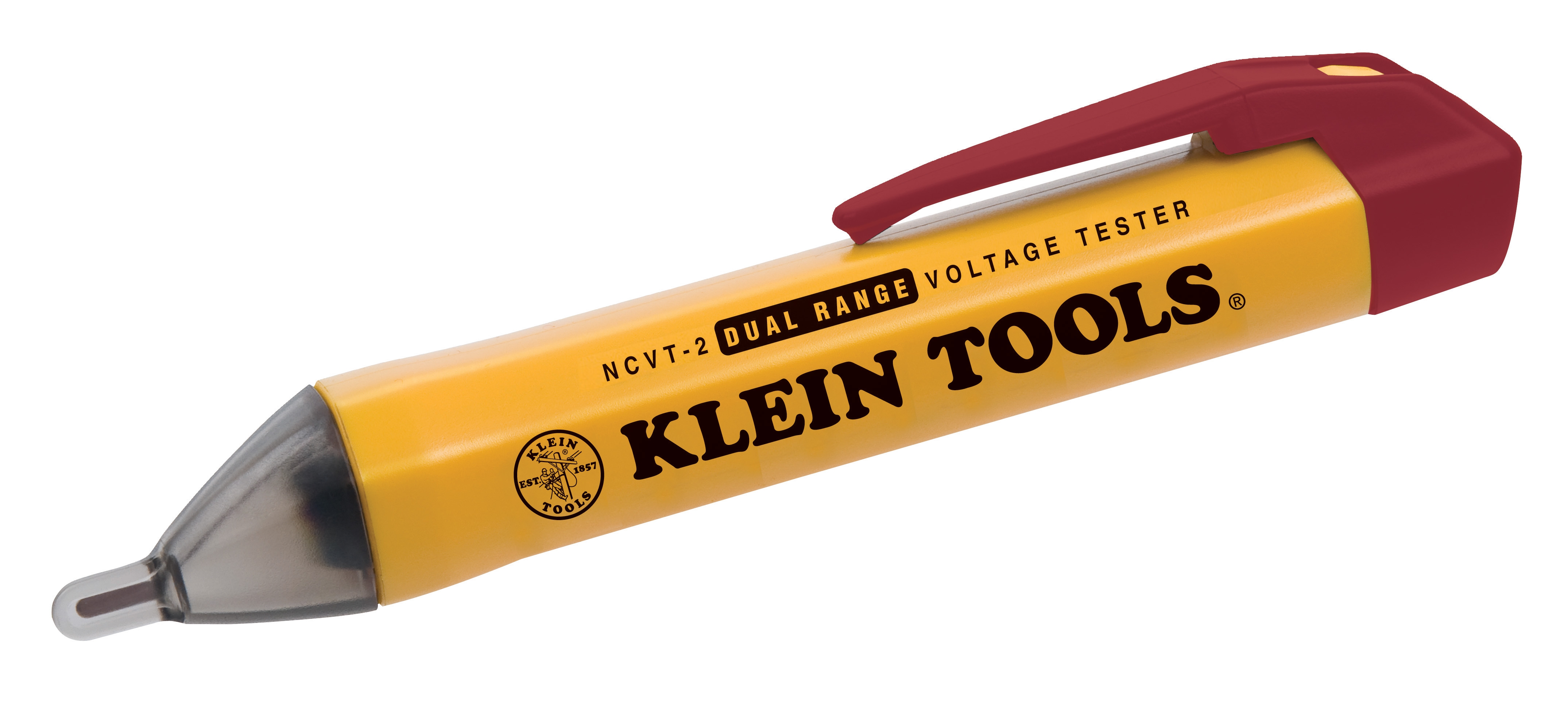
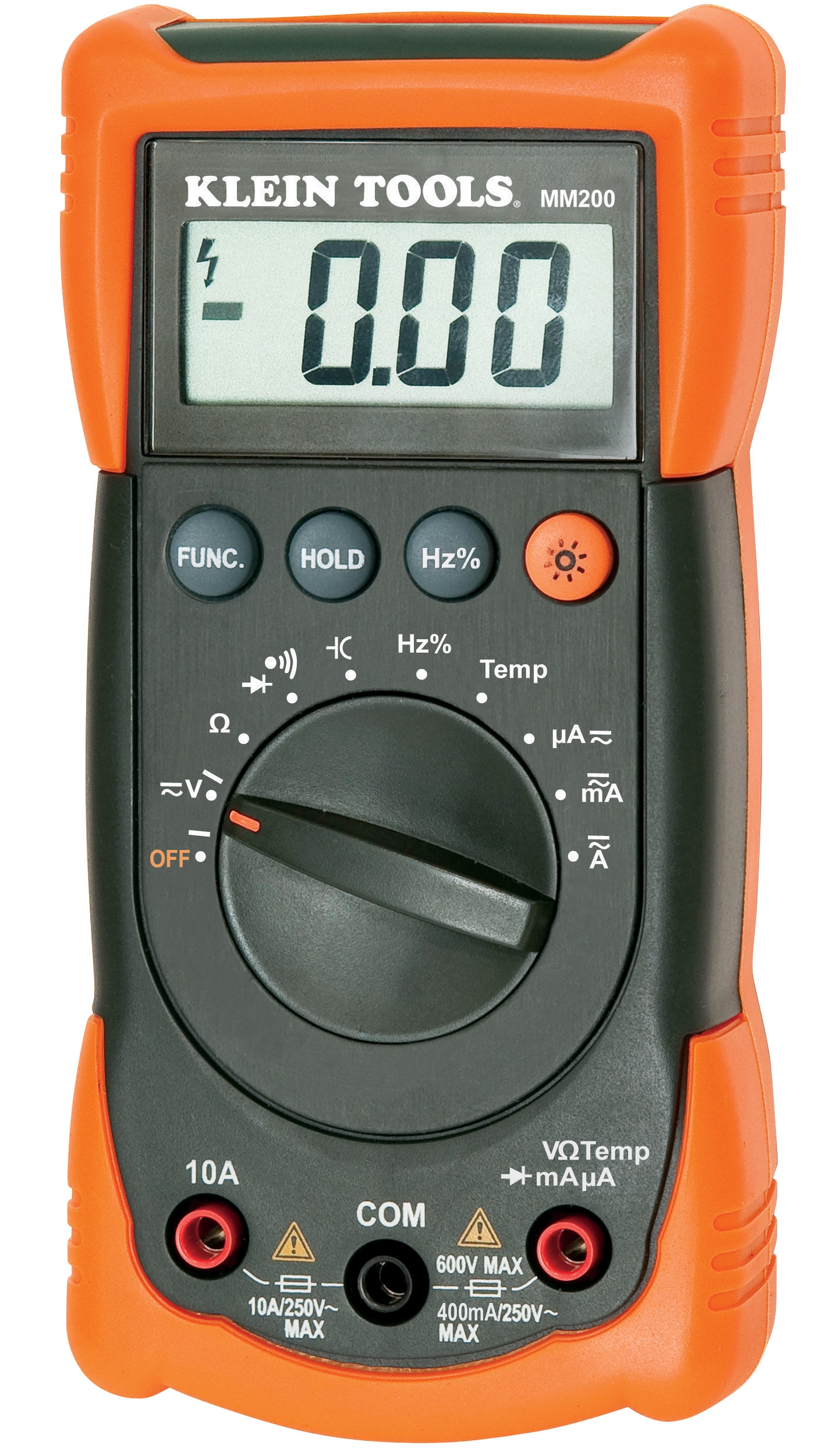
Diagnostic measurement tools—multimeters and voltage detectors—address the electrical dimension of system monitoring. Modern HVAC systems integrate electronic controls, solenoid valves, and sensor networks that require electrical continuity and proper voltage delivery. Non-contact voltage detection enables rapid field assessment of electrical hazards before technicians make direct contact, while automatic multimeters provide detailed electrical parameter analysis for component diagnostics and troubleshooting.
Technical Specifications and Product Selection for Pressure and Temperature Monitoring
Selecting appropriate pressure gauges requires understanding three fundamental specifications: range, accuracy, and medium compatibility. The CBM Glycerin stainless steel pressure gauge vertical D50 0/+4bar G1/4 exemplifies low-pressure system monitoring, with a 4 bar maximum rating suitable for expansion tank, chiller loop, and condenser line applications. The 50mm dial diameter provides clear visibility in confined mechanical rooms, while G1/4 thread compatibility matches standard test ports across most industrial HVAC equipment. Stainless steel construction resists corrosion from cleaning chemicals and moisture exposure inherent in Singapore's industrial environment.
For systems requiring higher pressure monitoring, pressure gauge ranges extend to 400 bar for high-pressure pneumatic and hydraulic applications. The critical specification is accuracy tolerance: most industrial gauges deliver ±1.6% full-scale accuracy, meaning a 100 bar gauge has ±1.6 bar uncertainty at any reading point. Procurement engineers must verify that specified accuracy meets system control tolerances—a chiller setpoint requiring ±0.5°C thermal stability demands pressure gauges with accuracy better than ±3% of the anticipated operating range.
Temperature measurement in HVAC systems requires consideration of immersion length, response time, and display visibility. The CBM Green vertical thermometer D80 -30/+50°C L 10cm with thermowell covers the complete HVAC operating envelope from chiller outlet (-30°C) through condenser discharge (+50°C). The 10cm immersion length suits most commercial piping configurations, while thermowell installation enables field replacement without system drainage. The 80mm dial diameter meets visibility requirements in dimly-lit mechanical spaces typical of Singapore's older commercial buildings.
For temperature-sensitive applications requiring faster response, the CBM Type K thermocouple high temperature for infrared thermometer enables non-contact surface temperature measurement. Type K thermocouples operate across -40°C to +1200°C, covering both cryogenic and high-temperature industrial processes. When integrated with infrared thermometers, they enable simultaneous contact and non-contact measurement comparison, validating infrared readings and detecting surface emissivity errors—particularly important for shiny aluminum surfaces common in HVAC heat exchanger diagnostics.
Diagnostic measurement tools address the complete system assessment requirement. The CBM Automatic multimeter MM420 provides automatic range selection, eliminating manual range switching during field diagnostics. Key specifications include DC voltage ranges to 600V (adequate for most HVAC control circuits), AC current measurement to 400mA, and resistance measurement across four decades. The automatic function selection reduces operator error and accelerates troubleshooting in time-pressured maintenance scenarios. The CBM Non-contact voltage detector complements the multimeter by providing rapid electrical hazard identification before meter connection, with dual-range capability (low and high voltage) covering residential through industrial distribution systems.
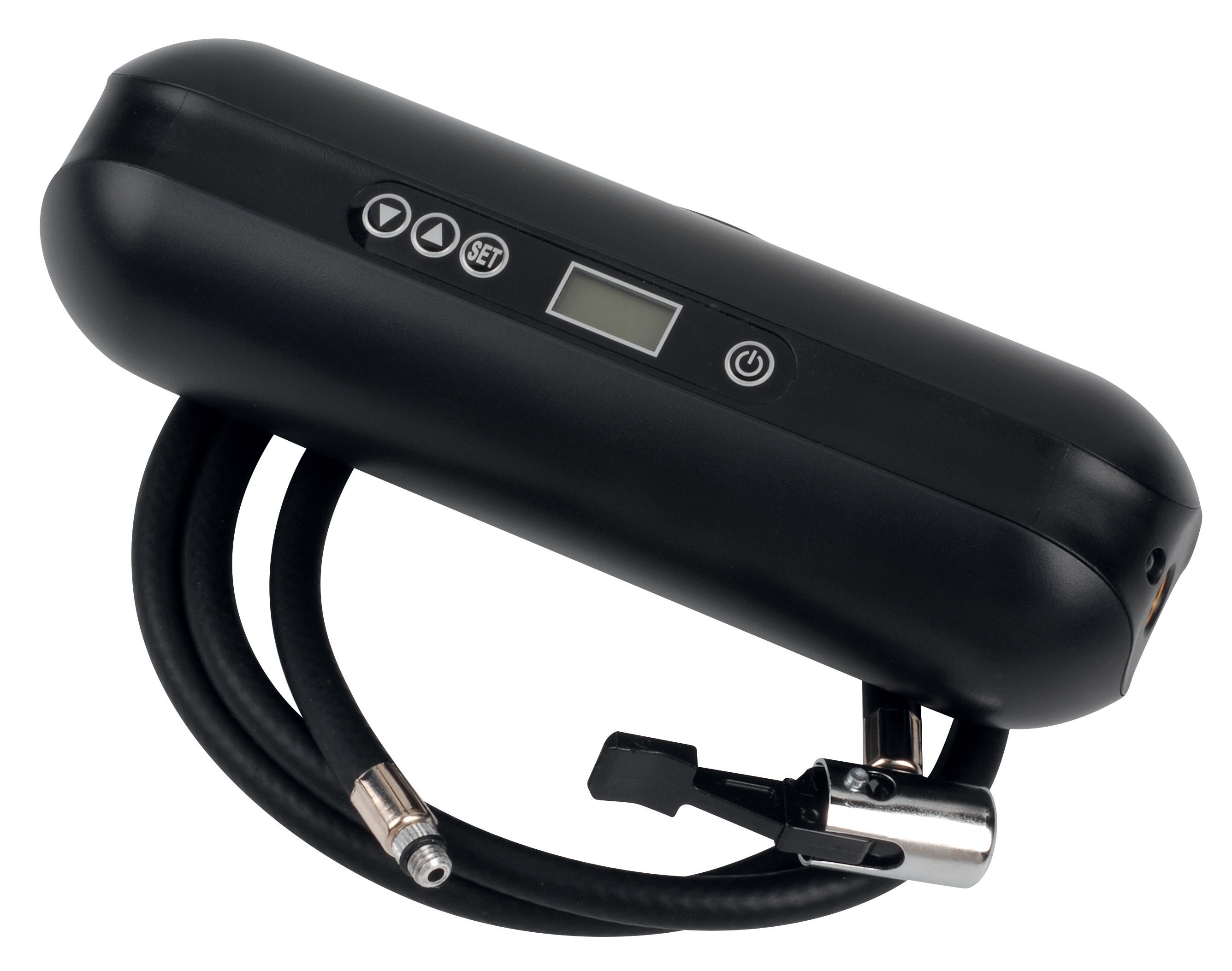
Specialized measurement equipment addresses unique system requirements. The CBM Expansion tank inflator battery 2000 mAH bridges measurement and system adjustment by providing digital pressure display during expansion tank pre-charge verification. Proper expansion tank pressurization is critical for closed-loop HVAC system stability—incorrect pre-charge pressure creates excessive system pressure spikes or insufficient volume accommodation. The integrated digital display enables precise 1-bar accuracy during adjustment, eliminating traditional analog gauge interpretation errors.
Real-World Application Scenarios in Singapore's Industrial Environment
Singapore's diverse industrial landscape creates varied measurement and detection requirements. In the petrochemical sector, high-pressure pneumatic systems operating at 200+ bar demand robust pressure gauges with stainless steel construction resistant to hydrocarbon exposure. The same facilities employ temperature measurement across cryogenic liquid nitrogen systems (-196°C) through reactor cooling loops (+120°C), requiring multiple thermowell installations with complementary thermocouple support.
Data center cooling operations represent a rapidly growing measurement application in Singapore's technology sector. Precision air-handling units maintain outlet temperatures within ±1°C tolerances, requiring high-accuracy thermometer installations at entering-air, leaving-air, and intermediate points. Expansion tank pressure pre-charge verification becomes critical during commissioning and seasonal maintenance, with the digital pressure display of specialized inflators reducing commissioning time from hours to minutes while eliminating calibration uncertainty.
Marine vessel HVAC systems installed during Singapore shipyard construction require measurement equipment tolerant of saltwater exposure and vibration environments. Glycerin-filled pressure gauges significantly outperform dry gauges in this application, with reported field life exceeding 5 years compared to 18 months for unsealed alternatives. Non-contact voltage detection proves invaluable in corrosive engine room environments where moisture ingress threatens electrical system integrity.
Food and beverage manufacturing facilities across Singapore utilize refrigeration measurement tools with pharmaceutical-grade accuracy. Temperature monitoring in cold storage facilities employs thermometer networks with thermowell redundancy, ensuring temperature stability documentation for regulatory compliance. Pressure gauge monitoring detects refrigerant leak development through gradual pressure decline tracking, enabling corrective action before system capacity loss becomes production-limiting.
Selection Criteria and Best Practices for Industrial Measurement Equipment
Effective measurement and detection strategy begins with system parameter documentation. Procurement engineers should establish matrices defining nominal operating pressures, anticipated pressure transients, acceptable temperature ranges, and electrical parameter requirements for each system segment. This documentation guides gauge range selection—oversized ranges reduce accuracy utility, while undersized ranges create safety hazards from potential over-pressure conditions.
Environmental exposure assessment directly impacts instrument selection. Coastal industrial zones in Singapore's Jurong, Bukom, and Tuas areas expose equipment to marine atmosphere; glycerin-filled stainless steel gauges become mandatory rather than optional. Vibration-prone equipment (pumps, compressors, marine engines) benefits from glycerin dampening that reduces needle flutter and improves readability under dynamic conditions. Conversely, applications with stable mechanical environments and budget constraints may justify dry gauge selection where marine exposure is minimal.
Measurement equipment should be integrated into preventive maintenance protocols with documented baseline values. Initial commissioning establishes reference pressures and temperatures; quarterly verification confirms deviation within acceptable tolerances. Systematic pressure decline patterns indicate slow leaks enabling scheduled repair intervention, while sudden pressure drops signal component failures requiring emergency response. Temperature trending identifies equipment degradation—gradual compressor discharge temperature rise precedes catastrophic failure, allowing planned replacement within business operations windows.
Calibration and verification scheduling ensures measurement reliability. Most industrial applications benefit from annual calibration verification, with critical applications (pharmaceutical manufacturing, precision data center cooling) requiring semi-annual or quarterly calibration traceability. Singapore-based calibration service providers offer PMAS (Primary Material Analysis Service) accreditation meeting ISO/IEC 17025 standards, ensuring documented measurement traceability.
Integrating Complementary Measurement Technologies for Complete System Visibility
Comprehensive measurement and detection strategy combines fixed-installation instruments with portable diagnostic equipment. Primary pressure gauges and thermometers provide continuous operational oversight, while portable multimeters, voltage detectors, and specialized inflators enable detailed troubleshooting when anomalies appear. This layered approach reduces response time to system anomalies while minimizing measurement equipment capital investment through strategic instrument sharing across multiple systems.
Training and standardization amplify measurement equipment effectiveness. Procurement engineers should establish standardized instrument selections across facility portfolios, enabling technician familiarity and reducing spare parts inventory complexity. Documented measurement procedures—including gauge connection points, reference conditions, and acceptance criteria—ensure consistent data quality independent of individual technician interpretation.
Closing: Building Your Industrial Measurement Strategy
Measurement and detection excellence requires systematic instrument selection aligned with system requirements, environmental conditions, and operational objectives. By combining fixed-installation pressure gauges and thermometers with portable diagnostic equipment, procurement engineers create comprehensive monitoring frameworks that detect emerging problems before they become operational failures.
3G Electric's distributor status and 30+ year experience serving Singapore's industrial sector positions us as trusted partners for measurement and detection equipment selection. Our technical team provides consultation on gauge range optimization, material selection for specific environmental exposures, and integration of measurement instruments into preventive maintenance protocols. Contact 3G Electric today to discuss measurement and detection strategy for your facility or equipment portfolio—our engineers are ready to translate your system requirements into proven equipment specifications.