Essential Measurement & Detection Tools for HVAC Installation in Singapore: A Contractor's Hands-On Guide
When installing or servicing HVAC systems in Singapore's demanding tropical climate, accurate measurement and detection capabilities separate professional work from amateur efforts. Whether you're commissioning a new chiller system, troubleshooting refrigerant circuits, or diagnosing electrical faults, the right measurement tools are non-negotiable. This guide walks you through the essential instruments every HVAC contractor in Singapore should have on site, explains what they do, and shows you how to use them effectively in real-world scenarios. We'll focus on practical application rather than theory, because when you're on a job in Singapore's heat and humidity, you need tools that work reliably and give you accurate data the first time.
Why Measurement & Detection Tools Matter in HVAC Work
HVAC systems depend on precise measurements across multiple domains: pressure, temperature, electrical continuity, and gas detection. In Singapore's climate—where ambient temperatures regularly exceed 30°C and humidity hovers above 80%—system performance margins are tighter than in temperate regions. A refrigerant circuit running just 2°C higher than design specification can reduce cooling capacity by 8-10%. Similarly, an expansion tank pre-charge that's off by 0.2 bar can cause water hammer, component failure, and warranty disputes.
Beyond performance, measurement tools are safety instruments. Electrical hazards, refrigerant leaks, and pressurized water systems all demand verification before you touch them. Detection tools identify hidden faults—loose electrical connections, micro-leaks in refrigerant circuits, and incorrect system pressurization—that visual inspection alone cannot reveal.
For HVAC contractors operating in Singapore, having a coherent set of measurement and detection instruments means faster job completion, better diagnostic accuracy, reduced callbacks, and protection against liability. The investment in quality tools typically pays for itself within the first few jobs.
Core Measurement Categories for HVAC Systems
Professional HVAC work requires measurement across four primary domains, each with distinct tool requirements:
Pressure Measurement: Refrigerant circuits operate between 1.5 and 40 bar depending on fluid type and cycle stage. Chilled water lines operate at 3-10 bar under normal conditions. Expansion tanks require pre-charge pressures between 0.5 and 2.5 bar. Each measurement point demands a gauge with appropriate range, accuracy, and fluid compatibility. Glycerin-filled gauges with stainless steel construction are standard in Singapore because they resist corrosion from salty air in coastal industrial areas and remain readable under vibration from pumps and compressors.
Temperature Measurement: HVAC diagnostics require temperature readings at evaporator inlet/outlet, condenser inlet/outlet, supply air, return air, and hot water circuits. Glass thermometers with immersion wells provide direct, reliable readings without batteries or calibration drift. Infrared thermometers offer non-contact measurement for surface temperatures and dangerous-to-access locations, though they require understanding of emissivity and surface conditions.
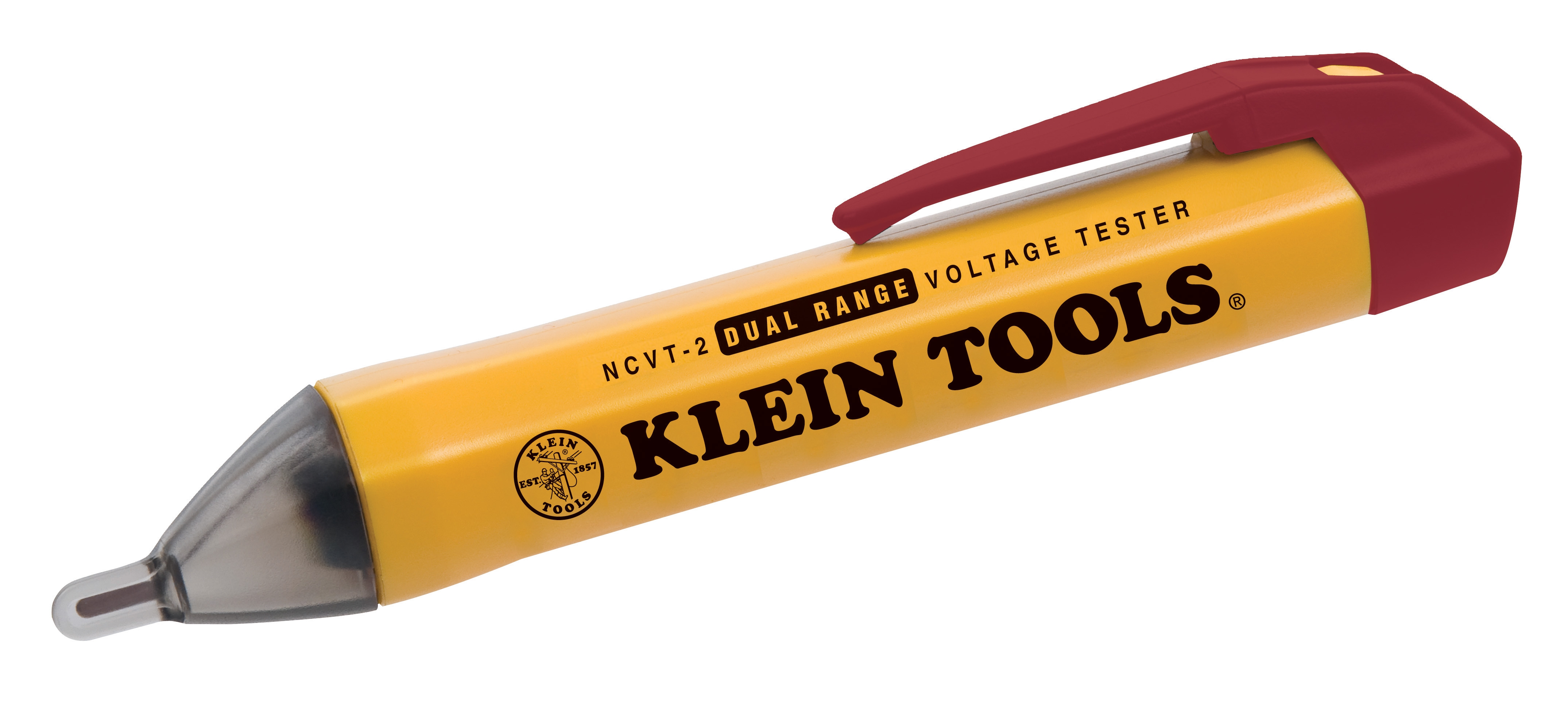
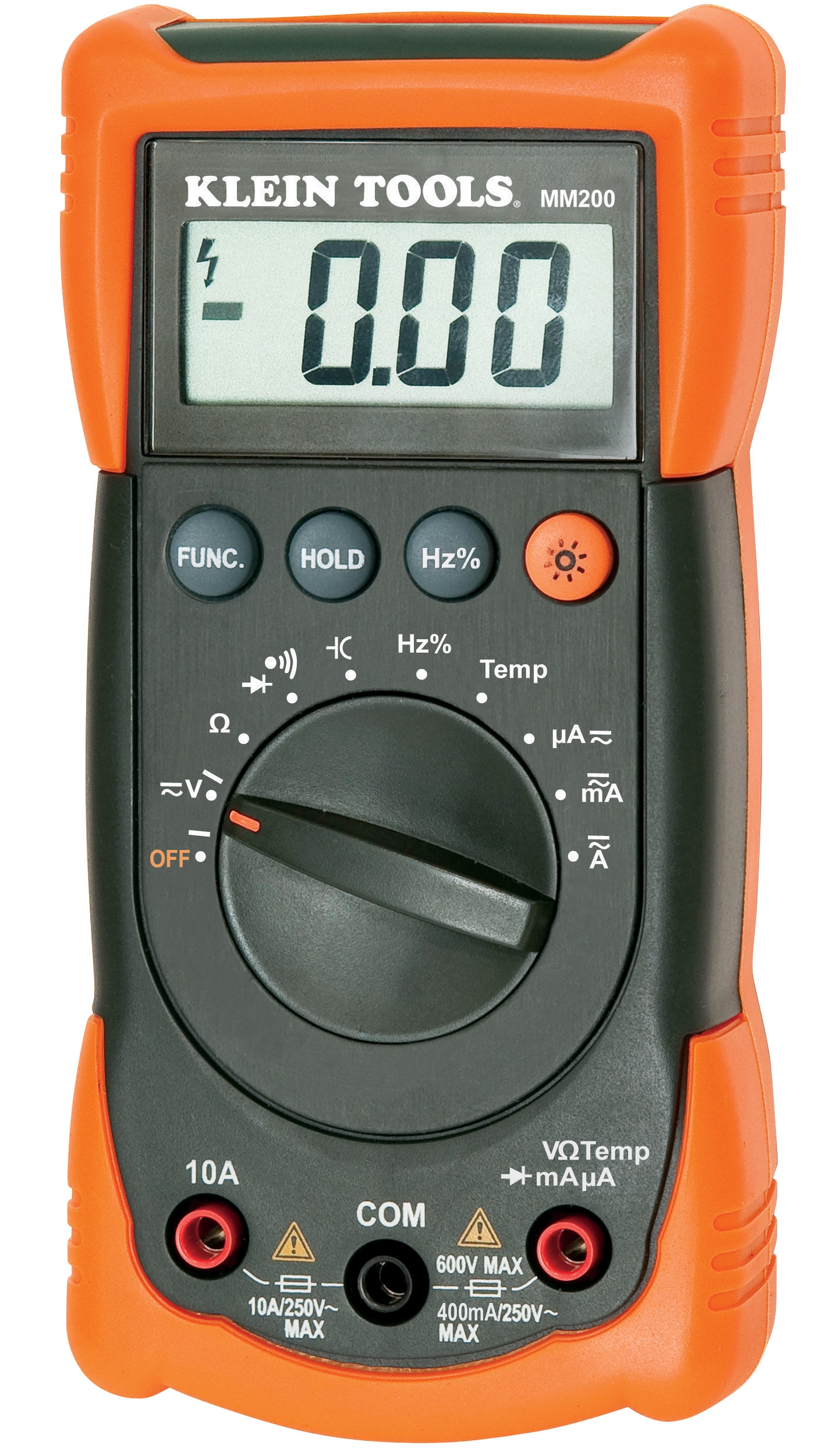
Electrical Detection & Verification: Before you work on any electrical component, you must confirm absence of live voltage. Non-contact voltage detectors provide instant, safe verification without requiring you to touch terminals or remove covers. Multimeters then measure actual voltage, current, and resistance to diagnose circuit problems.
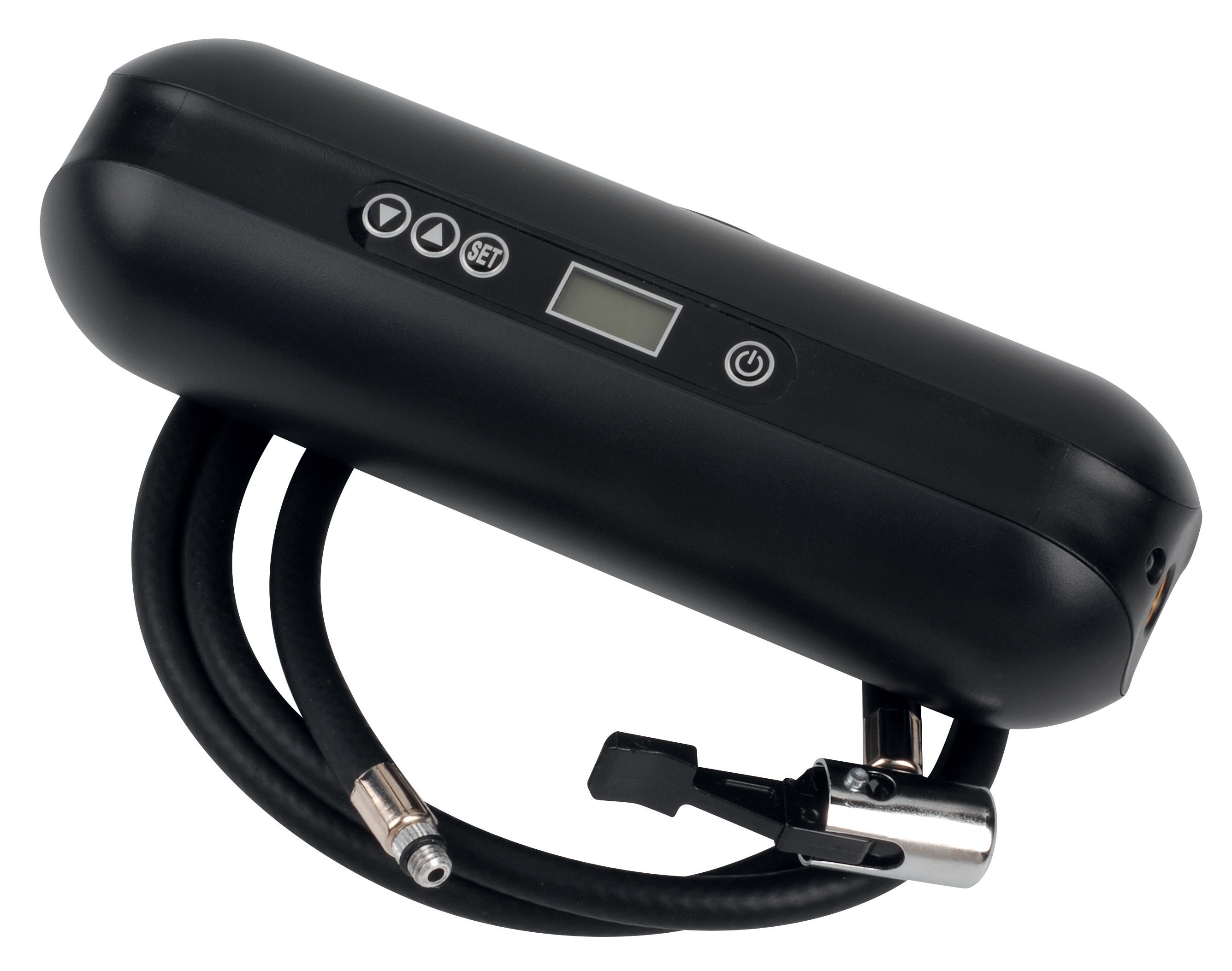
System Pressurization: Modern expansion tanks and some refrigerant circuits require precise pre-charge pressures. Battery-powered inflators with digital readout allow you to achieve exact specifications without over-pressurizing or guessing.
Recommended Tools & Their Specific Applications
Let's examine the core measurement instruments you should carry and when to use them.
Pressure Gauges for Chilled Water & Hot Water Systems: The CBM Glycerin stainless steel pressure gauge (D50, 0/+4 bar, G1/4 connection) is ideal for low-pressure applications common in chilled water circuits, hot water distribution, and expansion tank verification. The 0-4 bar range matches typical water system pressures, the glycerin fill damps needle oscillation from pump vibration, and stainless steel construction resists corrosion in Singapore's humidity. For higher-pressure applications—such as boiler feed systems or pressurized thermal storage—step up to larger diameter gauges with higher ranges like the CBM 0/+6 bar or 0/+10 bar options.
Non-Contact Voltage Detection: Before working on any electrical terminal, use a CBM Non-contact voltage detector to confirm the circuit is de-energized. This tool detects AC voltage in the 12-1000V range without contact, making it safe for wet environments and quick verification. Simply hover the probe near electrical connections—no need to remove covers or expose yourself to accidental contact. This is essential safety practice before touching any electrical component or panel.
System Diagnostics with Multimeters: Once you've confirmed a circuit is de-energized, the CBM Automatic multimeter MM420 lets you measure voltage, current, and resistance to pinpoint electrical faults. Measure contactor coil resistance, verify sensor outputs, test control wiring continuity, and check capacitor voltage. The automatic ranging function means you spend less time fiddling with settings and more time diagnosing.
Expansion Tank Pre-Charge: Modern closed-loop heating systems require precisely charged expansion tanks—typically 0.5-2.5 bar depending on system static head. The CBM Expansion tank inflator (2000 mAH battery) features a digital pressure display, adjustable set-point with automatic shutoff, and 1-meter hose for safe connection at any tank location. Unlike mechanical pumps, the digital display eliminates guesswork and reduces risk of over-pressurization that can damage tanks or strain system components.
Temperature Measurement: For immersion wells in water circuits, use glass thermometers with stainless steel cases like the CBM vertical thermometer (D80, -30/+50°C). These provide accurate, battery-free measurement with 150mm immersion length suitable for standard tee or elbow installations. For infrared temperature work, the CBM Type K thermocouple allows surface temperature measurement on pipes, compressors, and condenser coils without contact—invaluable for spotting airflow blockages or refrigerant distribution problems.
Real-World Application Examples in Singapore HVAC Work
Scenario 1: Commissioning a Chilled Water System
You've just installed a new centrifugal chiller with distributed fan coils across a multi-story office building in Singapore's CBD. Before handing over to the client, you need to verify system performance. Start by using non-contact voltage detection on the motor starters to confirm electrical safety, then use your multimeter to verify control circuit voltages and sensor outputs. Use pressure gauges on the chilled water supply and return lines to confirm flow rates match design—typically 1.5-2.5 m/s velocity, corresponding to 3-6 bar pressure drop across the distribution network. Install a thermometer in the chiller outlet to confirm leaving water temperature (typically 6-8°C). If actual temperatures run 2-3°C above design, you've identified a refrigerant distribution problem that requires immediate diagnosis before handover.
Scenario 2: Emergency Troubleshooting of a Chiller Shutdown
A building's chiller suddenly stops. The motor isn't running, and the client's cooling is offline in 32°C heat. Use your non-contact voltage detector to safely verify the motor starter has power. Then measure the contactor coil voltage with your multimeter—if it reads zero when the start button is pressed, you've isolated the fault to the control circuit (likely a faulty pressure switch or sensor). Use your pressure gauge on the system to check oil pressure—if oil pressure is below switch set-point, you've found why the safety interlock is preventing motor start. This diagnosis takes 10 minutes with proper tools and saves hours of guessing.
Scenario 3: Expansion Tank Maintenance
A closed-loop heating system in a high-rise hotel is showing rising pressure on the main gauge—a sign of expansion tank membrane failure. Use your expansion tank inflator to check the gas-side pressure (should be pre-charge pressure, typically 1.5 bar for 10-meter static head). If the reading matches water-side pressure, the membrane has failed and the tank needs replacement. The digital display on the inflator makes this check objective and repeatable across multiple units, eliminating field guesswork.
Selection Criteria & Best Practices
Gauge Range & Accuracy: Never use a gauge with a range much larger than your measurement point. A 0-400 bar gauge measuring 4 bar will be inaccurate and hard to read. Match gauge range to your application: 0-6 bar for chilled water, 0-2.5 bar for expansion tanks, 0-10 bar for higher-pressure boiler circuits.
Stainless Steel Construction: In Singapore's coastal and humid environment, corrosion of standard brass fittings is common. Always specify stainless steel gauge bodies and glycerin fill—the extra cost is negligible compared to tool replacement every 2-3 years.
Safety-First Detection: Non-contact voltage detection should be your first step on any electrical work. It takes 5 seconds and eliminates lethal risk. Never skip this step regardless of what a control schematic says.
Battery Management: Battery-powered tools like inflators and multimeters fail on critical jobs if batteries are dead. Establish a kit-check routine: test all battery-powered devices at the start of each week. Carry spare 9V batteries and ensure all tools charge properly overnight.
Calibration & Verification: Glass thermometers and mechanical gauges don't drift with age, but multimeters do. Have your multimeter calibrated annually if you rely on precise current or resistance measurements.
Building Your Measurement Kit for Singapore HVAC Work
A complete measurement and detection kit for HVAC contractors should include: two pressure gauges (one 0-6 bar for water circuits, one 0-10 bar for high-pressure circuits), a non-contact voltage detector, a digital multimeter, one glass thermometer, an expansion tank inflator, and optionally an infrared thermometer or type K thermocouple. This kit covers 95% of diagnostic situations you'll encounter.
The total investment is modest compared to a single service call that takes an extra 4 hours due to lack of proper instruments. More importantly, having quality measurement tools demonstrates professionalism to clients, reduces diagnostic errors that generate warranty claims, and keeps your team safe around electrical systems and pressurized equipment.
3G Electric has served Singapore's industrial sector since 1990, supplying measurement and detection equipment trusted by HVAC contractors across the island. Whether you're building a new diagnostic kit or upgrading existing tools, our team can recommend instruments matched to your specific applications and Singapore's environmental conditions. Contact 3G Electric today to discuss your measurement and detection requirements—we'll ensure you have the right tools for every job.