Understanding Measurement & Detection in HVAC Commissioning
HVAC contractors in Singapore face demanding commissioning requirements under tropical climate conditions and strict building standards. Measurement & Detection equipment forms the foundation of system verification, allowing you to document performance, identify installation defects, and prove compliance before handover.
Commissioning differs fundamentally from troubleshooting. Rather than diagnosing failures, you're validating that installed systems meet design specifications across multiple parameters simultaneously—static pressure differentials, coil temperature drops, expansion tank precharge pressures, and airflow distribution patterns. This requires integrated measurement strategies rather than single-point diagnostics.
3G Electric has supplied industrial measurement equipment to Southeast Asian contractors for over 35 years, helping teams navigate the specific challenges of tropical HVAC installations where humidity, heat load variations, and rapid system cycling demand robust instrumentation. Understanding how to coordinate pressure, temperature, and flow measurements during commissioning prevents costly rework and protects your reputation.
Pressure Measurement: From Expansion Tanks to System Differentials
Pressure verification spans multiple critical points in HVAC systems. Each requires different measurement approaches and accuracy levels.
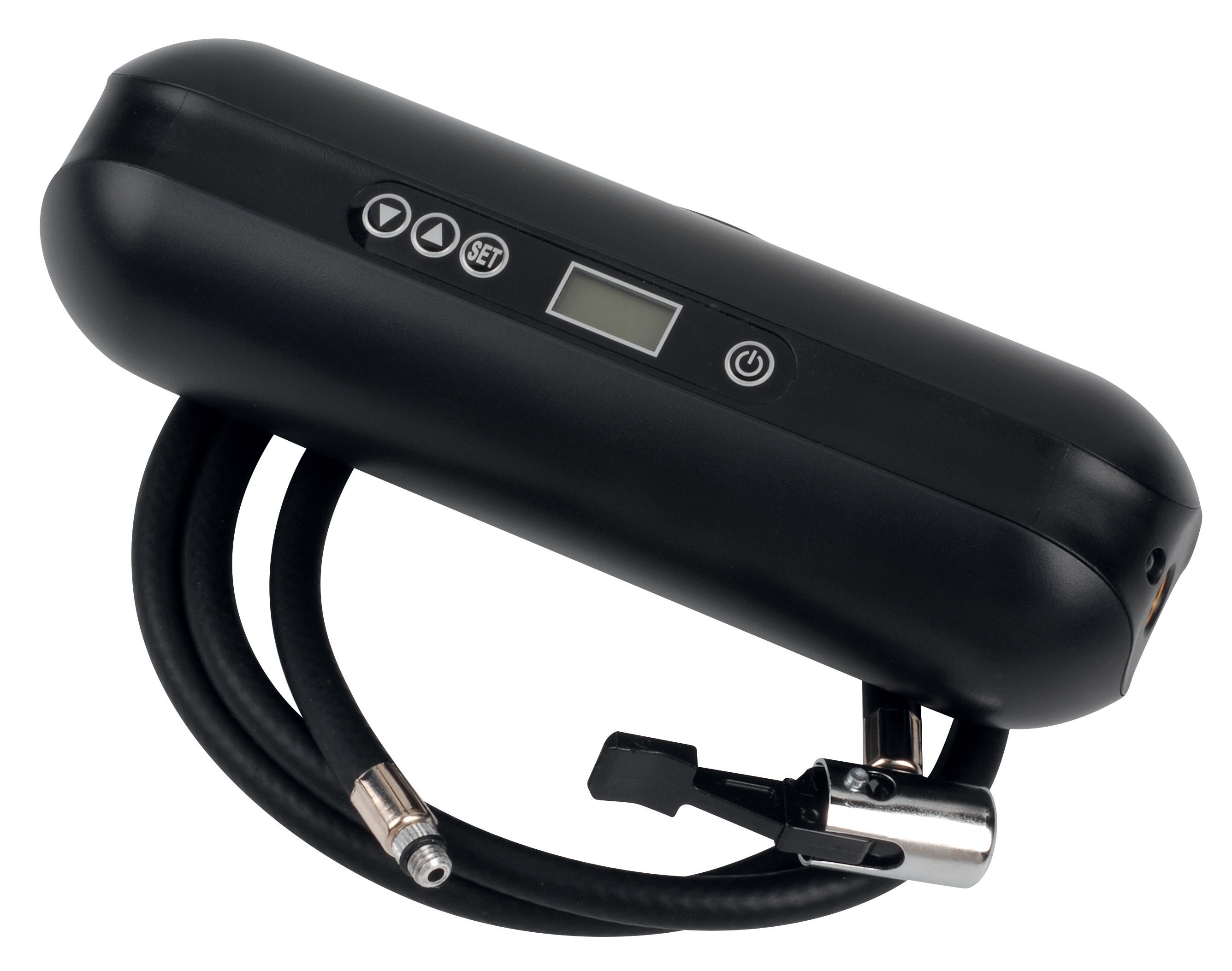
Expansion Tank Precharge Verification represents your first critical measurement. The CBM Expansion Tank Inflator Battery 2000 mAH provides portable, battery-powered precharge validation without requiring compressor connections at job sites. With 10.3 bar maximum rated pressure and operation across -20 to 60°C, it handles both tropical Singapore installations and the occasional highland facility. The inflator's multiple pressure unit support (bar, PSI, kg/cm²) eliminates conversion errors—critical when working with specifications from European, American, and Asian equipment manufacturers simultaneously.
Proper expansion tank precharge is non-negotiable. Undersized precharge causes pressure relief valve chatter and reduced system capacity during peak cooling loads. Oversized precharge restricts system volume and creates excessive pressure spikes. The battery-powered approach saves commissioning time versus manual pump methods, allowing you to verify multiple tanks per day and document readings digitally.
System Differential Pressure Monitoring demands transmitters that capture real-time variations across coils, filters, and ductwork. The Dwyer Transmitter 616KD-13V-TC measures 0-1 inch water column differentials with only 21 mA power consumption, making it suitable for both temporary commissioning setups and permanent building automation integration. Barbed process connections accommodate 3-5 mm tubing, allowing flexible installation across multiple measurement points without requiring traditional flange fittings.
For static pressure verification across duct systems, the Preciman Stainless Steel Vertical Pressure Gauge D63 0/+40 mbar provides visual indication with ±1.6% accuracy. The 63 mm dial size ensures readable measurements in dimly lit mechanical rooms, while stainless steel construction withstands Singapore's high-humidity environment and prevents corrosion that compromises accuracy. G1/4 connections with copper alloy wetted parts integrate seamlessly with standard HVAC commissioning rigs.
Temperature Measurement: Coil Performance and Psychrometric Verification
Temperature differentials reveal whether coils perform to design specifications and whether system dehumidification meets comfort requirements. This measurement demands accuracy, stability, and rapid response.
The Dwyer Probe AVG PT100 OHM RTD L.65 AVG-21241 delivers ±0.6% accuracy at 0°C across the full HVAC operating range (-35.5 to +115.5°C). Flexible copper capillary construction allows positioning within coil cabinets and return air streams without rigid tube routing challenges. Flange-mounted designs integrate with commissioning test equipment, digital manifolds, and building automation verification systems.
PT100 RTD technology outperforms thermocouple approaches during tropical commissioning work. The resistance-based measurement method remains stable across temperature cycling and shows minimal drift during extended monitoring periods—essential when documenting system behavior across peak load conditions in Singapore's consistently warm climate. Response time below 15 seconds (in typical moving air) allows you to capture transient temperature swings during system ramp-up and load changes.
Psychrometric Verification requires simultaneous wet-bulb and dry-bulb measurements. While the Dwyer probe excels at dry-bulb measurement, combining it with humidity verification equipment allows full psychrometric charting. This proves that your system achieves specified sensible and latent cooling performance—non-negotiable in Singapore's 70-80% year-round relative humidity.
Flow Measurement: Validating Air Distribution and System Balance
Airflow verification completes the commissioning triangle. System designers specify CFM (cubic feet per minute) across multiple zones, and measurement proves that damper settings, ductwork sizing, and fan curve selection deliver design conditions throughout the building.
The Dwyer Metal Average Flow Probe MAFS-16 measures static and total pressure across 16 cm of probe length, providing integrated flow assessment without requiring pitot tube traverses across multiple points. This approach saves commissioning time significantly—instead of collecting 12-16 velocity measurements per duct section, the average flow probe delivers a single representative measurement.
Metal construction withstands the mechanical stress of ductwork installation and resists corrosion from humidity and potential moisture condensation in tropical installations. The probe integrates directly with differential pressure transmitters or commissioning manifolds, allowing you to document airflow patterns simultaneously with pressure and temperature data.
Flow Balancing Methodology using average flow probes follows this sequence:
- Install probe in main ductwork section downstream of filters and coils
- Connect barbed tubing from probe static and dynamic ports to differential pressure transmitter
- Calculate CFM using published friction loss equations and system static pressure
- Compare measured flow against design specifications
- Adjust terminal dampers and balancing valves to achieve distribution targets
- Document final readings for commissioning report
This integrated approach completes system commissioning within single equipment setup, reducing site visits and minimizing system downtime during verification periods.
Integration Strategy: Building Your Commissioning Toolkit
Effective Measurement & Detection during HVAC commissioning requires coordinating multiple instruments into a systematic verification process. Rather than treating pressure, temperature, and flow measurements independently, successful contractors integrate these tools to build a complete performance picture.
Phase 1: Pre-startup Verification begins with the CBM expansion tank inflator. Confirming proper precharge before system circulation prevents pressure relief valve activation and thermal stress on components during initial startup. This 15-minute verification prevents costly equipment damage and documentation disputes.
Phase 2: Static System Testing applies the Preciman pressure gauge and Dwyer transmitter across expansion tanks, coil approaches, and duct sections. With the system offline, you establish baseline pressure profiles and confirm that all connections hold pressure without leakage. Modern building codes require pressure decay tests—documenting that system pressure remains stable over 30 minutes—and these instruments provide the verification data.
Phase 3: Operating Performance Verification engages all instruments simultaneously. The Dwyer RTD probe measures coil temperature differentials while the flow probe establishes airflow rates and the differential pressure transmitter tracks system behavior across multiple load conditions. Collecting this data over 4-6 hours of normal building operation proves that the system maintains performance throughout the day, accounting for solar load variations and occupancy changes.
Documentation Integration modernizes commissioning reports. Rather than handwritten notes and disconnected measurements, digital pressure transmitters and RTD probes with data logging capability create timestamped records that demonstrate compliance and protect contractors from liability disputes. Singapore's building standards increasingly require documented evidence of system commissioning—measurement data in digital format meets these requirements definitively.
Regional Considerations for Singapore HVAC Commissioning
Tropical conditions create specific measurement challenges that continental North American or European commissioning practices don't address adequately.
Humidity Effects demand careful sensor protection. The Dwyer RTD probe's enclosed design resists moisture intrusion, maintaining accuracy despite Singapore's 70-80% year-round humidity. Unprotected measurement instruments develop film layers that degrade accuracy within weeks.
Rapid Load Cycling during tropical afternoons requires instruments with fast response. Equipment designed for slow continental climate load ramps may miss peak conditions during Singapore's 1-2 hour high-demand windows. The Dwyer probe's <15 second response time captures these transient conditions accurately.
Corrosion Acceleration in marine and urban environments demands material selection beyond standard carbon steel. The Preciman gauge's stainless steel construction and copper alloy wetted parts resist Singapore's combination of salt air (in coastal regions) and industrial pollutants. Standard mild steel gauges degrade within 6-12 months, requiring replacement before system turnover.
Building Automation Integration in modern Singapore commercial facilities increasingly demands transmitter-style measurement (like the Dwyer 616KD) rather than mechanical gauges. Building management systems need digital inputs for ongoing monitoring and alarm generation. Commissioning instruments that integrate with these systems simplify future maintenance and enable predictive diagnostics.
Practical Implementation: From Equipment Selection to Documentation
Successful Measurement & Detection implementation follows these steps:
1. Specification Review: Before arriving at the site, examine design documents for all measurement points, required accuracy levels, and range specifications. The CBM inflator's multiple pressure units prove invaluable when European design documents specify bar but your pressure gauges read PSI.
2. Equipment Verification: Confirm that all instruments calibrate within specification before commencing work. Many contractors skip this step, introducing undetectable measurement errors that invalidate entire commissioning reports. The small investment in calibration verification prevents major disputes.
3. Data Collection Strategy: Establish which parameters you'll measure simultaneously versus sequentially. Measuring expansion tank pressure, coil temperature differential, and system static pressure at the same time point in system operation reveals cause-and-effect relationships that isolated measurements miss.
4. Documentation Protocol: Create templates that capture not just measurements but contextual information—ambient conditions, building occupancy levels, specific equipment states (fan speed, valve positions). This context transforms raw measurements into actionable commissioning data.
5. Stakeholder Communication: Present measurement data in formats that building owners, facility managers, and equipment manufacturers understand. Converting raw PSI readings to "system operates at 85% design capacity" translates technical measurement into business relevance.
Conclusion: Measurement & Detection as Competitive Differentiation
HVAC contractors who master integrated Measurement & Detection practices command premium positioning in Singapore's competitive market. Beyond basic compliance, sophisticated commissioning documentation demonstrates competence, protects against liability, and enables ongoing performance optimization.
3G Electric's 35+ years supplying industrial measurement equipment to Southeast Asia reflects our commitment to helping contractors succeed in regional conditions. Whether selecting the CBM expansion tank inflator for pressure verification, Dwyer transmitters for differential measurement, or flow probes for airflow documentation, our equipment specialists understand the specific challenges tropical HVAC commissioning presents.
Invest in measurement capability now. The equipment ROI materializes through reduced commissioning time, documented performance proof, and the competitive advantage that evidence-based system commissioning provides. Contact 3G Electric's technical team to build the measurement toolkit that transforms your commissioning process from task-driven to data-driven.