Understanding Industry Applications in Singapore's HVAC Environment
When we discuss Industry Applications for HVAC contractors in Singapore, we're addressing a specific operational reality: the combination of tropical humidity, salt-laden air from coastal regions, and demanding cooling loads creates unique demands on fluid delivery and control systems. With 35+ years of experience as an industrial equipment distributor, 3G Electric has supported HVAC contractors navigating these exact challenges.
Fluid systems in HVAC applications require careful component selection because pressure regulators, pumps, and spray nozzles directly affect system reliability and efficiency. In Singapore's climate, corrosion resistance and consistent pressure control become non-negotiable requirements. This article provides practical guidance for selecting and integrating fluid components that deliver predictable performance in real-world HVAC contractor operations.
Pressure Regulation and Safety Integration in HVAC Systems
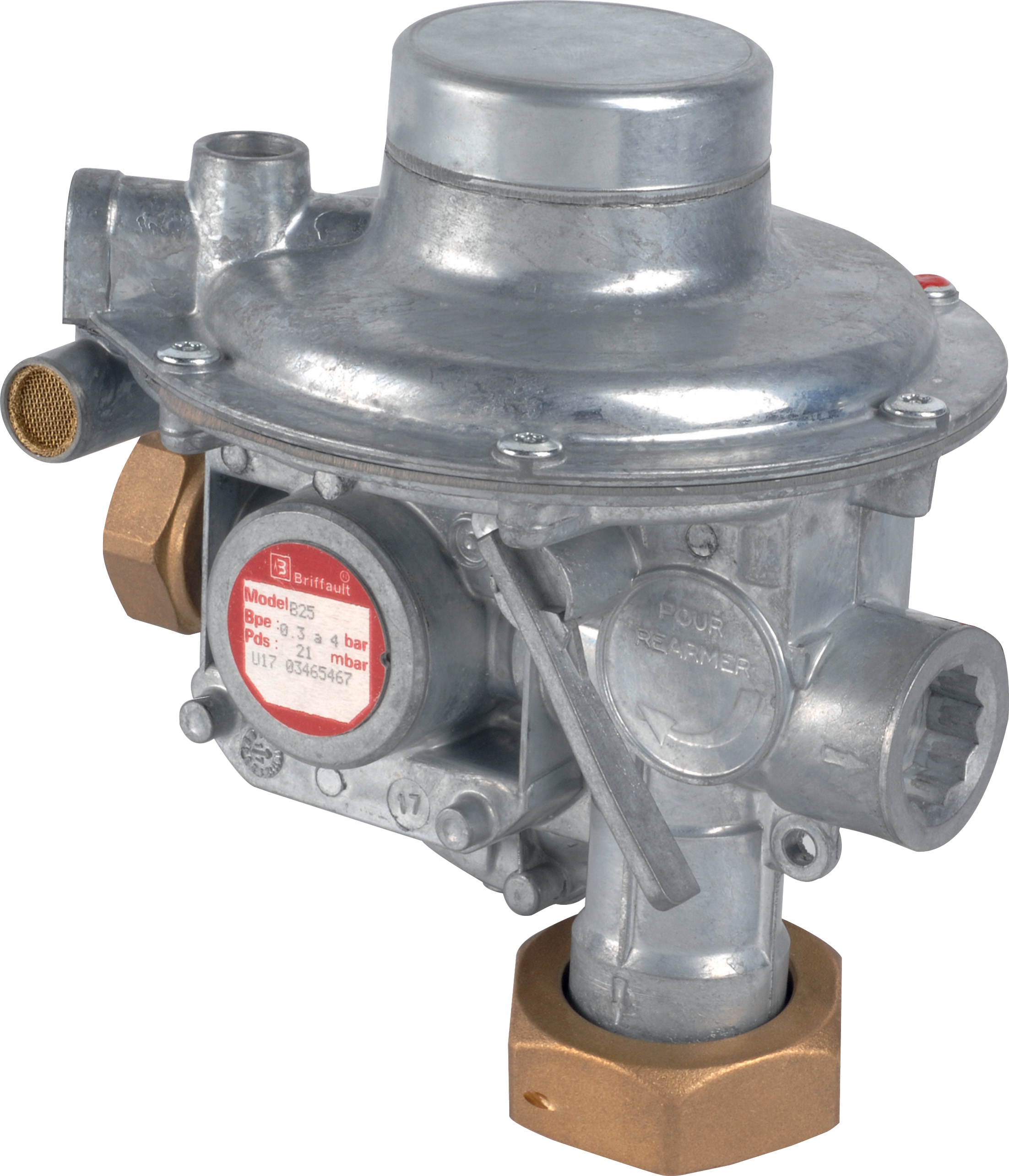
Pressure regulators are critical control points in industrial HVAC applications, particularly in systems that use gas burners, auxiliary heating, or pneumatic actuation. The Francel B25/37mb pressure regulator represents a modern approach to this requirement, delivering precise 37 mbar outlet pressure with integrated safety relief—an essential feature for protecting downstream equipment and personnel.
For HVAC contractors in Singapore, pressure regulator selection should consider several practical factors:
Climate-Related Corrosion Resistance: The salt-laden air in Singapore accelerates corrosion of standard brass and steel components. Regulators with stainless steel or specially treated surfaces perform significantly better in coastal areas and high-humidity zones typical of commercial and industrial HVAC installations.
Outlet Pressure Consistency: HVAC auxiliary heating systems and pneumatic control valves require stable outlet pressure to function reliably. The 10 mm vent design on components like the Francel B25/37mb allows proper relief function without pressure spikes that can damage downstream pilot lights, solenoid valves, or control instrumentation.
Integration with Existing Gas Distribution: Many HVAC contractors retrofit existing systems or integrate new heating capacity into established infrastructure. Pressure regulators must accommodate various inlet pressures and connection standards. The Francel B25/37mb's robust design suits both new installations and retrofit applications where space constraints or existing piping configurations require flexible component positioning.
Practical Installation Reality: In real HVAC contractor environments, regulators must withstand vibration from nearby equipment, temperature fluctuations from active heating zones, and occasional minor hydraulic shocks. A regulator with integrated safety relief eliminates the need for separate downstream safety valves, reducing installation complexity and potential leak points.
High-Pressure Pump Selection for Demanding HVAC Applications
When HVAC applications require pressurized fluid delivery—whether for coil cleaning, descaling, precision spraying in humidification systems, or auxiliary industrial processes—pump selection directly impacts operational efficiency and maintenance costs.
3G Electric supplies industrial pumps designed for these demanding applications. The Pratissoli KF30 represents a mid-range option with 106 L/min flow capacity at 200 bar pressure, delivering 40 kW of power in a 72 kg footprint. The Pratissoli MW40 offers higher flow capacity at 211 L/min with 210 bar pressure and 85 kW power for larger-scale HVAC infrastructure projects.
For HVAC contractors evaluating pump options, several practical considerations apply:
Application-Specific Flow Requirements: HVAC coil cleaning, cooling tower descaling, and precision humidification systems demand different flow rates. A contractor maintaining multiple client sites needs pumps offering flexibility. The KF30's 106 L/min suits smaller cooling systems and retrofit applications, while the MW40's 211 L/min handles industrial-scale facilities with larger heat rejection loads. The Interpump E1D1808S gear pump provides a compact option (8 L/min at 180 bar) for space-constrained installations or standalone service vehicles.
Pressure Rating and Component Compatibility: HVAC auxiliary systems often operate between 150–210 bar pressure. Selecting pumps rated above your system's working pressure (with built-in margin) prevents cavitation damage and ensures component longevity. Both the KF30 and MW40 deliver adequate pressure margins for typical HVAC applications while maintaining efficiency across varying load conditions.
Thermal Management in Tropical Climates: Singapore's ambient temperatures regularly exceed 32°C (90°F), pushing fluid systems toward temperature limits. Industrial-grade pumps like those from Pratissoli feature thermal management design that prevents viscosity breakdown and maintains seal integrity even when handling warm or recirculated fluids. HVAC contractors should verify that pump oil cooling capacity matches installation requirements.
Durability and Spare Parts Availability: As an established distributor, 3G Electric maintains stock and supply relationships for major component manufacturers including Pratissoli and Interpump. This ensures HVAC contractors can source replacement parts and service components promptly, minimizing downtime on critical client systems.
Precision Spray and Distribution System Components
Modern HVAC applications increasingly require precision spray delivery for coil cleaning, cooling tower treatment chemical application, and humidification system maintenance. The Euspray flat jet nozzle HP 1/4" M BSPT demonstrates how nozzle selection impacts both performance and maintenance requirements.
This nozzle features a 25° spray angle with index 30 design, delivering controlled flat-fan patterns suitable for coil surfaces and open-area application. For HVAC contractors, nozzle selection influences:
Chemical Treatment Efficiency: HVAC descaling, biocide application, and algae prevention in cooling towers depend on proper chemical distribution. A correctly selected nozzle ensures uniform coverage without excessive overspray or pool accumulation. The Euspray flat jet's 25° angle suits typical cooling tower basin widths and coil configurations common in Southeast Asian commercial buildings.
Pressure Compatibility: The 1/4" M BSPT connection accommodates standard industrial hose fittings, allowing nozzles to integrate with pump systems like the KF30 or MW40 without custom adaptation. Contractors can rapidly reconfigure spray systems across multiple client sites using compatible component combinations.
Clogging Resistance and Maintenance: HVAC system cleaning often involves suspended particulates from scale and biofilm removal. Index 30 nozzle design provides reasonable clogging resistance while remaining accessible for field cleaning with compressed air. This practical advantage reduces service call duration and component replacement frequency.
Material Selection for Longevity: Stainless steel nozzle construction resists corrosion from cleaning chemicals and salt-laden air—essential in Singapore's coastal industrial zones. Contractors specifying all-stainless systems reduce replacement frequency and support longer intervals between maintenance visits.
Practical Integration Strategy for HVAC Contractors
Successful fluid system deployment in HVAC contractor operations requires coordinated component selection. A practical approach involves:
System Pressure Mapping: Define your working pressure requirements. If operations primarily involve auxiliary heating and pneumatic control (low pressure), the Francel B25/37mb regulator suffices. For active cleaning and chemical application systems, specify pumps rated 20–30% above your peak working pressure.
Component Compatibility Assessment: Before purchasing, verify that regulators, pumps, nozzles, and connecting components share compatible pressure ratings, connection standards, and material specifications. 3G Electric's technical team can assist in matching components to your specific application profile.
Redundancy Planning: In critical HVAC installations serving large commercial or industrial clients, consider specifying backup regulators or secondary pump circuits. This approach prevents emergency downtime when primary components require service.
Preventive Maintenance Integration: Select components offering straightforward maintenance access. Industrial-grade pumps and regulators designed for field service reduce dependency on specialized facilities and enable HVAC contractors to maintain higher system availability.
Documentation and Spare Parts: Maintain detailed system diagrams identifying all fluid component SKUs and pressure specifications. Coordinating with 3G Electric to maintain strategic spare inventory ensures rapid repairs during peak cooling seasons when system downtime impacts client operations most severely.
Conclusion
Fluid system component selection for HVAC applications in Singapore demands attention to climate-specific challenges, operational reliability requirements, and practical maintenance considerations. Drawing on 35+ years of industrial equipment distribution experience, 3G Electric supports HVAC contractors through product availability, technical guidance, and supply chain reliability.
By systematically evaluating pressure regulation needs, pump capacity requirements, and precision spray application demands, HVAC contractors can deploy fluid systems that deliver consistent performance across Singapore's diverse commercial and industrial installations. Selecting proven components like the Francel B25/37mb regulator, Pratissoli KF30 pump, and Euspray flat jet nozzle provides a foundation for reliable, maintainable systems that support your contractor business growth.